
When you cook for yourself and your loved ones, the last thing you want is to worry about harmful chemicals leaching into your food. If you’ve been eyeing Rachael Ray cookware, you’re probably asking yourself: Is Rachael Ray cookware non toxic?
You deserve to know exactly what’s in your pots and pans before you bring them into your kitchen. Keep reading to discover the truth about these popular pieces and how they can impact your health and cooking experience. Your safety and peace of mind start here.
Rachael Ray Cookware Materials
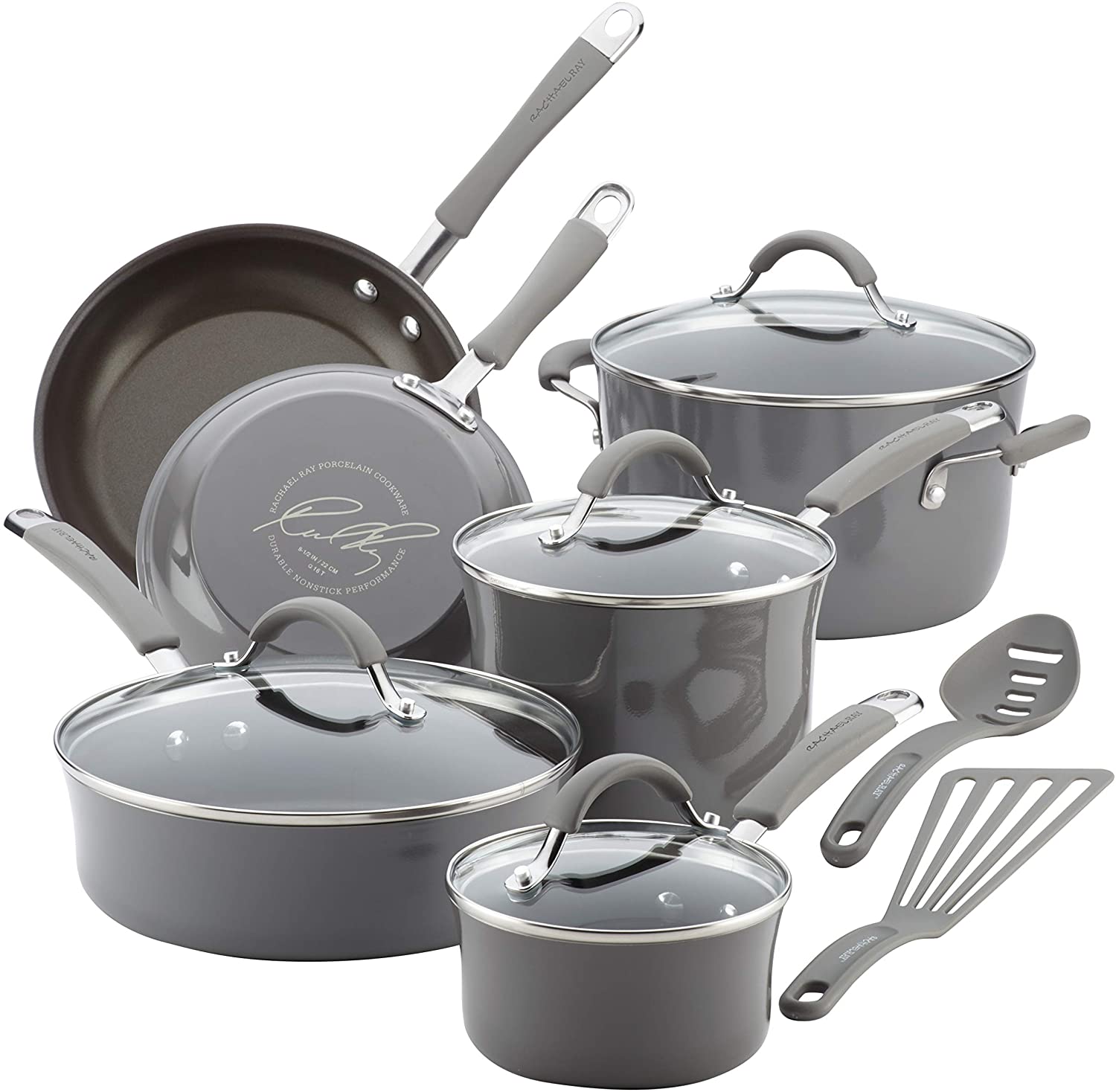
Rachael Ray cookware is popular for its colorful designs and practical features. Many cooks wonder about the materials used in these pots and pans. Understanding the materials helps to know if the cookware is safe and non toxic. Rachael Ray cookware uses various materials that affect cooking quality and health safety. This section explains the common materials used and the non toxic claims related to this brand.
Common Materials Used
Rachael Ray cookware often combines different materials to balance durability, heat distribution, and ease of use. The primary materials include:
- Aluminum: Lightweight and excellent at conducting heat quickly.
- Stainless Steel: Durable, resistant to rust and corrosion, and easy to clean.
- Nonstick Coating: Usually made from PTFE (polytetrafluoroethylene), which prevents food from sticking.
- Ceramic Coating: A nonstick layer made from inorganic minerals, often used as a safer alternative to traditional nonstick coatings.
Many Rachael Ray pans feature an aluminum core for even heat. The exterior is often stainless steel or enamel-coated metal for durability and style. Some models have a triple-layer nonstick coating to reduce the need for oil and make cleaning easier.
| Material | Purpose | Benefits |
|---|---|---|
| Aluminum | Core for heat conduction | Heats quickly and evenly |
| Stainless Steel | Outer layer and cooking surface | Durable, rust-resistant, easy cleaning |
| Nonstick Coating (PTFE) | Food release | Prevents sticking, easy cleanup |
| Ceramic Coating | Alternative nonstick layer | Non-toxic, scratch-resistant |
Non Toxic Claims
Rachael Ray cookware often promotes safety and non toxic features. The brand states that their nonstick coatings are free from PFOA (perfluorooctanoic acid). PFOA is a chemical used in older nonstick coatings linked to health risks. Avoiding PFOA makes cookware safer for everyday use.
Some Rachael Ray lines use ceramic coatings, which are naturally free from harmful chemicals like PTFE and PFOA. Ceramic coatings are made from minerals and provide a more natural nonstick surface. This appeals to people wanting safer cookware options.
- PFOA-Free: Most Rachael Ray cookware does not contain PFOA.
- Lead and Cadmium-Free: The enamel coatings used on some products are tested to be free from lead and cadmium.
- Oven-Safe Materials: Materials used can withstand oven temperatures without releasing toxins.
While the nonstick coatings are generally considered safe, they can degrade at very high heat, potentially releasing fumes. It’s best to use cookware on medium or low heat and avoid overheating. Regular inspection for scratches or damage is important to maintain safety.
Here is a summary of the common non toxic claims for Rachael Ray cookware:
| Safety Feature | Description |
|---|---|
| PFOA-Free | Nonstick coatings do not contain PFOA |
| Lead & Cadmium-Free | Enamel surfaces tested safe |
| Ceramic Nonstick | Mineral-based, chemical-free coating option |
| Oven-Safe | Materials safe under typical oven temperatures |
Credit: www.thepeppermillinc.com
Health Concerns With Cookware
Choosing the right cookware affects more than just how your food tastes. Health concerns with cookware are important for everyday cooking. Some pots and pans may release harmful substances into food. These substances can affect your health over time. Understanding what makes cookware non-toxic helps you make safer choices. Rachael Ray cookware is popular, but many wonder if it is truly non-toxic. Let’s explore common toxic chemicals in cookware and their impact on food safety.
Toxic Chemicals To Avoid
Many cookware materials contain chemicals that can harm health. Some chemicals leak into food during cooking, especially at high heat. Avoiding these toxic chemicals is key to safer cooking.
- PTFE (Polytetrafluoroethylene): Found in many non-stick pans. When overheated, it can release harmful fumes.
- PFOA (Perfluorooctanoic acid): Used in the past to make non-stick coatings. It is linked to health risks and is mostly phased out but may still be present in some older cookware.
- Lead and Cadmium: Sometimes found in colored coatings or ceramic glazes. Both are toxic and can cause serious health issues.
- Aluminum: Some aluminum cookware can leach metal into food, especially acidic foods, which may affect the nervous system.
Here is a quick reference table of toxic chemicals to avoid:
| Chemical | Common Source | Health Risks |
|---|---|---|
| PTFE | Non-stick coatings | Respiratory issues, flu-like symptoms |
| PFOA | Old non-stick pans | Cancer, liver damage |
| Lead & Cadmium | Colored ceramic glazes | Kidney damage, neurological problems |
| Aluminum | Aluminum cookware | Potential nervous system effects |
Knowing these chemicals helps you choose cookware that is safer for health.
Impact On Food Safety
Cookware affects food safety in many ways. Chemicals can transfer from cookware to food. This transfer depends on the cookware type, cooking temperature, and food acidity.
Non-toxic cookware reduces risks of chemical contamination. It also maintains food’s natural flavor and nutrients. Unsafe cookware may cause food contamination leading to health problems.
- High heat can cause non-stick coatings to break down and release toxins.
- Scratched or damaged cookware may expose harmful materials beneath the surface.
- Acidic foods like tomatoes or vinegar can cause metal leaching from some pans.
Safe cookware types for better food safety include:
- Stainless steel
- Ceramic (free of lead and cadmium)
- Cast iron (well-seasoned)
- Glass
Rachael Ray cookware mostly uses non-stick coatings. Check if these coatings are free from PFOA and other harmful chemicals. Proper care and use also protect food safety. Avoid overheating and scratching to keep cookware safe.
Rachael Ray Cookware Safety Features
Rachael Ray cookware is popular for its vibrant design and user-friendly features. Many buyers ask if this cookware is safe and non-toxic. Understanding the safety features helps decide if it fits your kitchen needs. The cookware focuses on providing a secure cooking experience without harmful chemicals. This section covers key safety aspects, including the coating, surface, heat resistance, and durability.
Coating And Surface
The coating on Rachael Ray cookware is a major factor in its safety. Most of the cookware uses a non-stick surface designed to prevent food from sticking. This reduces the need for extra oil or butter, making cooking healthier. The non-stick coating is free from harmful chemicals like PFOA and PFOS. These substances can release toxins at high temperatures, but Rachael Ray cookware avoids them.
The surface is smooth and easy to clean, which helps maintain hygiene. The cookware often features a ceramic or enamel coating, both known for being safe and durable. Ceramic coatings are made from natural materials and do not release toxic fumes. Enamel surfaces are glass-based and resist scratches and stains well.
- Non-stick coating: PFOA and PFOS free
- Ceramic coating: Natural and toxin-free
- Enamel coating: Scratch-resistant and easy to clean
- Safe for use: No lead or cadmium in materials
Here is a quick comparison of common coatings used in Rachael Ray cookware:
| Coating Type | Safety | Cleaning Ease | Durability |
|---|---|---|---|
| Non-stick (PTFE-based) | Free of PFOA/PFOS, safe below 500°F | Easy | Moderate |
| Ceramic | Natural, non-toxic | Moderate | Good |
| Enamel | Non-toxic, no heavy metals | Easy | High |
Heat Resistance And Durability
Rachael Ray cookware is built to handle high cooking temperatures safely. The materials used can resist heat without breaking down or releasing harmful substances. This quality helps keep cooking safe and extends the cookware’s life.
Many pieces in the collection are oven-safe up to 350°F or higher. This allows for versatile cooking options, including baking and roasting. The handles are designed to stay cool and provide a safe grip. The cookware resists warping and cracking under heat stress.
- Oven safe temperature: Often up to 350°F or 400°F
- Heat distribution: Even heating to prevent hot spots
- Handle safety: Stay-cool grips made from safe materials
- Material strength: Resistant to warping and damage
Check this table for heat tolerance of common Rachael Ray cookware materials:
| Material | Max Oven Temp | Heat Resistance | Durability |
|---|---|---|---|
| Aluminum with non-stick | 350°F | Good | Moderate |
| Hard-anodized aluminum | 400°F | Excellent | High |
| Enamel-coated steel | 450°F | Very good | Very high |
These safety features ensure the cookware performs well under regular kitchen use. The heat resistance and strong materials keep the cookware safe, reliable, and long-lasting.
Comparing Rachael Ray To Other Brands
Choosing the right cookware means thinking about safety and performance. Rachael Ray cookware is popular for its design and ease of use. Comparing it to other brands helps buyers understand what they get. This section looks closely at price, quality, and toxicity to see how Rachael Ray stands out or fits in among other options.
Price And Quality
Rachael Ray cookware offers a balance between price and quality. It is usually priced in the mid-range, making it affordable for many home cooks. The build quality is solid, with materials like hard-anodized aluminum and non-stick coatings that provide good heat distribution.
Here are some key points about price and quality:
- Affordability: Rachael Ray sets prices lower than premium brands but higher than budget sets.
- Durability: The cookware lasts well with proper care but may not match high-end brands.
- Design: Bright colors and ergonomic handles add comfort and style.
| Brand | Price Range (USD) | Material | Durability |
|---|---|---|---|
| Rachael Ray | $50 – $200 | Hard-Anodized Aluminum, Non-Stick | Good for regular home use |
| All-Clad | $150 – $600 | Stainless Steel, Copper Core | Very high, professional grade |
| T-fal | $30 – $150 | Aluminum, Non-Stick | Moderate, budget-friendly |
Overall, Rachael Ray cookware suits those who want decent quality without paying too much. It performs better than budget sets and has a stylish look.
Toxicity Levels
Many buyers worry about toxic chemicals in cookware. Rachael Ray cookware uses non-stick coatings, which can raise questions about safety. The brand claims its products are free from harmful substances like PFOA and PFOS. These chemicals can release toxins when heated.
Here is a comparison of toxicity concerns among popular cookware types:
- Rachael Ray: Uses PFOA-free non-stick coatings. Safe under normal cooking temperatures.
- Traditional Non-Stick: May contain PFOA or PFOS, which pose health risks if overheated.
- Ceramic-Coated: Free from PTFE and PFOA, often safer but less durable.
- Cast Iron/Stainless Steel: No coating chemicals, considered very safe.
To keep cookware non-toxic, avoid overheating. Non-stick coatings break down at very high heat, releasing fumes. Rachael Ray cookware is designed for home use, so normal cooking stays within safe limits.
Tips to reduce toxicity risk:
- Use medium or low heat settings.
- Do not preheat empty pans.
- Replace cookware if the coating peels or scratches.
In summary, Rachael Ray cookware is generally safe and non-toxic for everyday cooking. It matches or exceeds safety levels of many similar brands.
Customer Reviews And Feedback
Customer reviews and feedback offer real insights about Rachael Ray cookware’s safety and quality. Buyers share their experiences about the cookware’s materials and how it affects their health. These comments help understand if the cookware is truly non-toxic. They also reveal how well the cookware performs over time. Reading what users say can guide your decision before purchasing.
Health-related Comments
Many customers talk about the health safety of Rachael Ray cookware. Most reviews mention that the cookware does not release harmful chemicals during cooking. Users often highlight these key points:
- No toxic fumes: Several buyers say the pans do not emit any bad smells or fumes.
- PFOA and PTFE free: Many confirm the cookware is free from these harmful substances.
- Safe non-stick coating: Users appreciate the non-stick surface that does not chip or peel.
- Allergy concerns: Some mention no allergic reactions or skin irritation after use.
Here is a summary of common health-related feedback from customers:
| Health Aspect | Customer Feedback |
|---|---|
| Non-toxic materials | Most users confirm no toxic chemicals found. |
| Safe cooking experience | No reports of fumes or bad odors while cooking. |
| Non-stick coating safety | Coating remains intact without peeling or flaking. |
| Allergic reactions | None or very few users reported allergies. |
Overall, customers feel confident using Rachael Ray cookware for healthy cooking. They trust the brand’s claim of non-toxic materials.
Performance And Longevity
Buyers often share how well Rachael Ray cookware performs and lasts. Reviews give detailed feedback about heat distribution, durability, and ease of cleaning. Many users say the cookware heats evenly, which helps cook food better. Others mention the pans retain heat well, making cooking more efficient.
Common performance highlights include:
- Even heating: Food cooks evenly without hot spots.
- Durable surface: Non-stick coating stays smooth after months of use.
- Easy cleaning: Food does not stick much, so washing is simple.
- Scratch resistance: Some users say the surface resists scratches from utensils.
Here is a quick overview of performance and longevity based on customer reviews:
| Feature | Customer Opinion |
|---|---|
| Heat distribution | Consistently even heat, no cold spots. |
| Non-stick durability | Coating lasts several months without peeling. |
| Cleaning ease | Minimal sticking, easy to clean by hand. |
| Scratch resistance | Mostly resistant, but some report minor scratches. |
Many users recommend using gentle utensils to keep the cookware in top shape. Overall, the cookware holds up well with regular use, making it a reliable choice.

Credit: www.amazon.com
Certifications And Testing
Certifications and testing play a crucial role in determining if Rachael Ray cookware is truly non-toxic. Consumers want safe products that do not release harmful chemicals during cooking. Certifications prove that cookware meets strict health and safety standards. Testing by trusted labs checks for toxic substances and ensures materials are food-safe. Understanding these aspects helps buyers make informed decisions about Rachael Ray cookware’s safety.
Industry Standards Met
Rachael Ray cookware follows important industry standards that focus on safety and quality. These standards ensure the cookware materials do not contain harmful chemicals like PFOA, lead, or cadmium. Meeting these standards means the cookware is designed for safe food preparation.
- FDA Compliance: The materials used are FDA-approved for food contact.
- LFGB Certification: Some cookware lines meet German LFGB standards, which are strict about chemical safety.
- Prop 65 Compliance: Rachael Ray cookware complies with California’s Proposition 65, limiting toxic chemical exposure.
These standards focus on:
- Preventing harmful chemical leaching at cooking temperatures.
- Using safe coatings that do not degrade easily.
- Maintaining durability without toxic wear and tear.
| Standard | Focus Area | Safety Benefit |
|---|---|---|
| FDA | Food contact materials | Prevents harmful substances in food |
| LFGB | Chemical safety and migration | Limits toxic chemical leaching |
| Prop 65 | Toxic chemical exposure limits | Reduces risk of cancer-causing chemicals |
Third-party Testing Results
Independent labs test Rachael Ray cookware to verify safety claims. Third-party testing removes bias and confirms the absence of toxic chemicals. These tests analyze materials and coatings under heat to check if anything harmful leaches into food.
Common tests include:
- Checking for PFOA and PFAS chemicals.
- Measuring lead and cadmium levels.
- Testing coating durability and chemical stability.
Results show that Rachael Ray cookware generally:
- Does not release PFOA or PFAS chemicals.
- Has lead and cadmium levels below safety limits.
- Maintains non-toxic coatings even after heavy use.
| Test Type | Substance Tested | Result |
|---|---|---|
| Chemical Migration | PFOA/PFAS | Not detected |
| Heavy Metals | Lead, Cadmium | Below limit |
| Coating Stability | Non-stick surface | Stable after use |
Third-party testing confirms Rachael Ray cookware meets safety standards. It reassures users about the non-toxic nature of the products during normal cooking.
Tips For Using Cookware Safely
Ensuring cookware safety is key for healthy cooking. Even if cookware is labeled non-toxic, proper use keeps it safe and lasting long. Following simple tips helps avoid health risks and preserves cookware quality. Understanding how to maintain and protect cookware coatings supports safe kitchen habits.
Proper Maintenance
Proper maintenance extends the life of cookware and ensures safe cooking. Clean cookware after each use with gentle methods. Avoid harsh scrubbing tools that can scratch surfaces.
- Use warm water and mild dish soap for cleaning.
- Let cookware cool before washing to prevent warping.
- Dry thoroughly to avoid rust or corrosion.
Regular inspection helps spot early signs of damage or wear. Replace cookware if coatings peel or show cracks. Store cookware properly to prevent dents and scratches.
| Maintenance Task | Recommended Method |
|---|---|
| Cleaning | Mild soap, soft sponge, warm water |
| Drying | Wipe with soft cloth, air dry fully |
| Storage | Stack carefully with protective liners |
Following these maintenance tips preserves the cookware’s non-toxic qualities and cooking performance.
Avoiding Damage To Coating
Protecting the cookware’s coating is crucial for safety and durability. Coatings can break down if exposed to harsh conditions or improper tools. Avoid metal utensils that can scratch or chip the surface.
- Use wooden, silicone, or plastic utensils during cooking.
- Do not overheat empty cookware; high heat damages coatings.
- Avoid sudden temperature changes, like rinsing hot pans with cold water.
Damaged coatings may release harmful particles or reduce non-stick effectiveness. Handle cookware gently and follow manufacturer heat guidelines.
| Action to Avoid | Reason |
|---|---|
| Using metal spatulas or forks | Scratches coating, reduces lifespan |
| Heating empty cookware on high | Coating may degrade or warp |
| Rapid cooling after cooking | Causes cracking or peeling |
Maintaining coating integrity ensures the cookware stays safe and non-toxic during use.

Credit: www.amazon.com
Frequently Asked Questions
Is Rachael Ray Cookware Free From Toxic Chemicals?
Yes, Rachael Ray cookware is designed to be non-toxic. It uses PFOA-free and PTFE-free nonstick coatings, ensuring safer cooking. The materials comply with health standards, making it a healthier choice for everyday use without harmful chemical exposure.
What Materials Are Used In Rachael Ray Cookware?
Rachael Ray cookware typically uses aluminum and stainless steel bases. The nonstick surface is free from harmful chemicals like PFOA. These materials provide durability and even heat distribution, while maintaining a non-toxic cooking environment for your meals.
How Does Rachael Ray Cookware Ensure Food Safety?
The cookware uses non-toxic, PFOA-free coatings that prevent harmful chemical leaching. It undergoes strict quality control to meet FDA and EPA safety standards. This ensures your food stays safe and healthy during cooking.
Can Rachael Ray Cookware Withstand High Temperatures Safely?
Yes, Rachael Ray cookware is safe for use at moderate to high cooking temperatures. The nonstick coatings are designed to resist breakdown and release of toxins up to recommended heat levels, ensuring safe and efficient cooking.
Conclusion
Rachael Ray cookware offers a mostly non-toxic cooking experience. Its materials avoid harmful chemicals common in some pans. This makes it safer for everyday use. Users should still follow care instructions to keep cookware safe. Choosing the right cookware helps protect your health.
Rachael Ray pans provide a reliable option for many kitchens. Small steps like this improve how we cook and eat. Safe cookware means better meals and peace of mind.

Hello, This is Annie Walker, a 38-year-old blogger, founder, and editor of Cookware Guider from NY, USA. I am a cookware fanatic and passionate cooker. I love to cook with different types of cooking appliances (example: all types of cookware, rice cookers, slow cookers, etc) almost every day in my kitchen. I love to share my experience with my readers in my blog. Also, I enjoy helping people to solve their problems through my website. You can follow me on Twitter & Pinterest. To know details about my blog please check the about us page.