
Are you wondering if your Rachael Ray cookware can handle the heat of your oven? Knowing whether your pots and pans are oven safe is key to cooking with confidence and avoiding costly mistakes.
Imagine preparing your favorite dish, only to worry about damaging your cookware or ruining your meal. You’ll discover everything you need to know about Rachael Ray cookware and its oven safety. By the end, you’ll feel ready to use your cookware in the oven without hesitation.
Keep reading to protect your investment and make the most of your cooking experience!
Rachael Ray Cookware Types
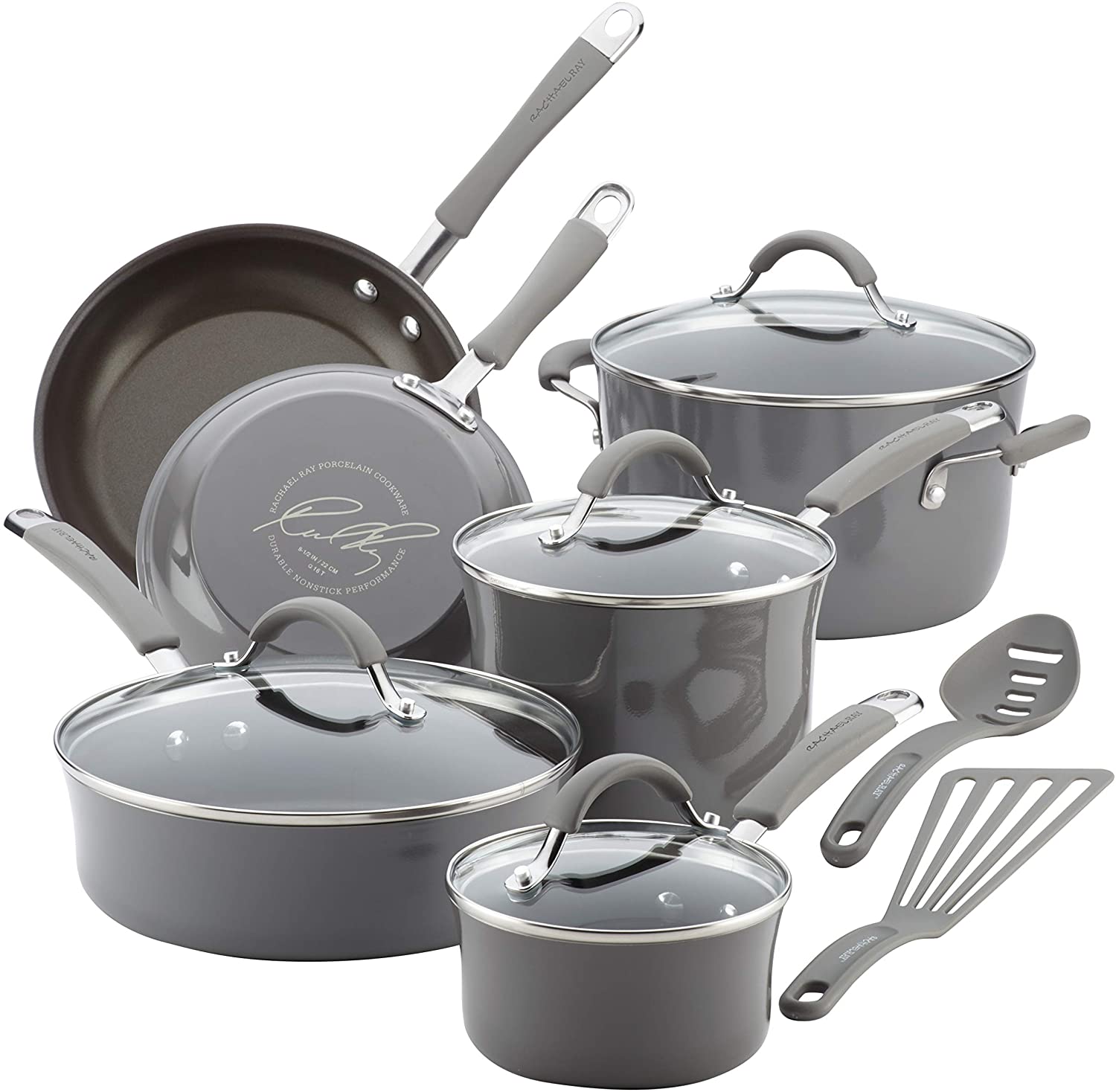
Rachael Ray cookware offers a variety of types designed to suit different cooking needs and kitchen styles. Each type has unique features and oven safety limits. Understanding these cookware types helps in choosing the right one for your cooking habits and oven use. The main types include nonstick pots and pans, stainless steel cookware, and hard-anodized aluminum options. Below, each type is explained with a focus on materials, heat tolerance, and oven safety.
Nonstick Pots And Pans
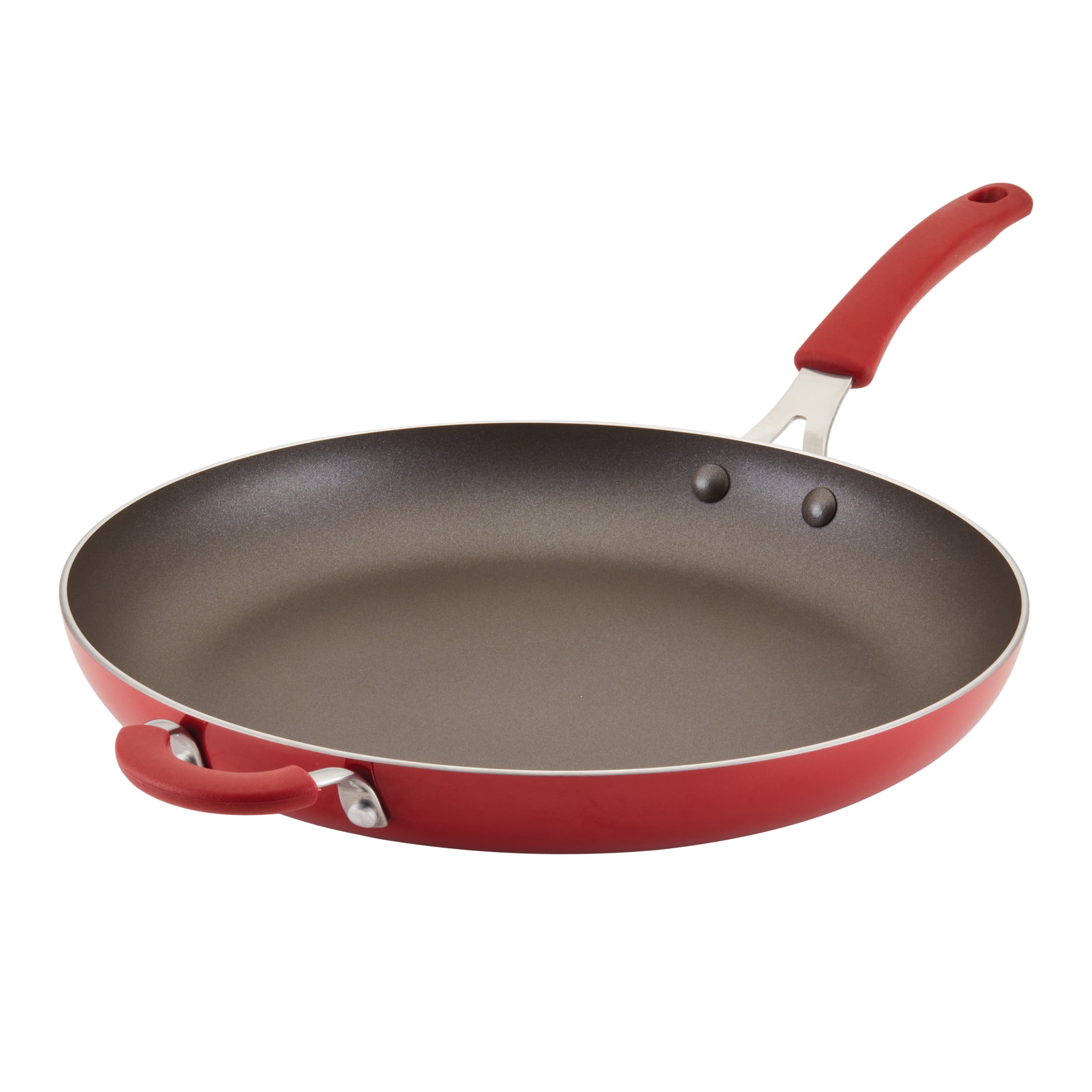
Rachael Ray’s nonstick pots and pans are popular for easy cooking and cleaning. The nonstick surface prevents food from sticking, making these pans great for low-fat cooking. They usually have a durable coating that withstands everyday use.
Key features include:
- Oven Safety: Most nonstick pieces are safe up to 350°F (175°C). Exceeding this can damage the coating.
- Handles: Often made of silicone or plastic, which may limit oven use.
- Cooking Style: Ideal for frying, sautéing, and simmering at medium heat.
Here is a quick overview:
| Feature | Details |
|---|---|
| Oven Safe Temperature | Up to 350°F (175°C) |
| Coating Type | Nonstick, PFOA-free |
| Handle Material | Silicone or plastic |
Use nonstick pots and pans carefully in the oven. Avoid high heat and monitor cooking times to protect the surface.
Stainless Steel Cookware
Rachael Ray stainless steel cookware is built for durability and high-heat cooking. These pieces often feature an aluminum or copper core for even heat distribution. Stainless steel is resistant to rust and scratching.
Important points about stainless steel cookware:
- Oven Safety: Usually safe up to 500°F (260°C), making them oven-friendly for roasting and baking.
- Handles: Made of metal, allowing use in the oven without worry.
- Maintenance: Dishwasher safe but hand washing extends lifespan.
Comparison table for stainless steel cookware:
| Feature | Details |
|---|---|
| Oven Safe Temperature | Up to 500°F (260°C) |
| Handle Material | Stainless steel |
| Cleaning | Dishwasher safe, hand wash recommended |
Stainless steel cookware suits tasks needing high heat and oven use. They last long and resist wear well.
Hard-anodized Aluminum Options
Hard-anodized aluminum cookware from Rachael Ray is known for strength and excellent heat conduction. The anodizing process makes the aluminum hard and non-reactive. These pans often have a nonstick interior.
Consider these facts:
- Oven Safety: Typically safe up to 400°F (204°C), suitable for most baking and roasting.
- Handle Material: Usually metal or silicone-wrapped, designed to resist oven heat.
- Surface: Scratch-resistant and easy to clean.
Summary table for hard-anodized aluminum cookware:
| Feature | Details |
|---|---|
| Oven Safe Temperature | Up to 400°F (204°C) |
| Handle Material | Metal or silicone-wrapped |
| Coating | Nonstick, hard-anodized surface |
This cookware type fits cooks who want durable, heat-efficient pans safe for moderate oven use.
Credit: www.thepeppermillinc.com
Oven Safety Features
Understanding the oven safety features of Rachael Ray cookware is key before placing any piece in the oven. These features protect the cookware from damage and ensure safe cooking. Knowing these details helps prevent accidents and extends the life of your pots and pans. Oven safety depends on materials, construction, and design. Each part of the cookware plays a role in how well it stands up to heat.
Heat Resistance Limits
Rachael Ray cookware is designed to handle oven temperatures, but each line has specific heat limits. Most pieces can safely go up to 350°F to 400°F (175°C to 205°C). Exceeding these limits may cause warping or damage to the cookware’s surface.
Key points about heat resistance:
- Typical max temperature: 350°F to 400°F
- Nonstick coatings can degrade if overheated
- Cast aluminum base resists heat but has limits
- Always check the manufacturer’s guidelines for each set
| Cookware Type | Max Oven Temperature | Notes |
|---|---|---|
| Hard-Anodized Aluminum | 400°F (205°C) | Common in Rachael Ray sets |
| Nonstick Coated | 350°F (175°C) | Avoid overheating to protect coating |
| Stainless Steel Handles | Up to 400°F (205°C) | Handle material affects max temp |
Keeping within these heat limits protects the cookware and ensures safety during oven use.
Handle Materials
The handles on Rachael Ray cookware affect oven safety. Different materials tolerate heat differently. Many handles are made to stay cool on the stovetop but may not be oven safe at high temperatures.
Common handle materials include:
- Stainless Steel: Can usually go in the oven safely up to 400°F. Durable and heat resistant.
- Bakelite or Plastic: Not oven safe. Melts or warps at high temperatures.
- Silicone: Some models have silicone grips. Safe only to about 350°F.
Check handles before oven use. If unsure, remove the handle or use cookware without plastic parts in the oven. Oven-safe handles reduce the risk of burns and damage.
Lid Compatibility
Lids on Rachael Ray cookware also play a role in oven safety. Some lids are oven safe; others are not. The lid’s material and handle design determine if it can go in the oven.
Most common lid types:
- Tempered Glass: Oven safe up to 350°F. Allows you to watch cooking without removing the lid.
- Stainless Steel: Usually oven safe up to 400°F. Durable and heat resistant.
- Plastic or Silicone Knobs: Not safe for oven use. Can melt or release fumes.
Always read the care instructions for lids. Using oven-safe lids helps trap heat and moisture safely. Avoid placing lids with plastic parts in the oven to prevent damage.
Temperature Guidelines
Understanding the temperature guidelines for Rachael Ray cookware is essential for safe and effective oven use. These guidelines help prevent damage to the cookware and ensure your meals cook evenly. Rachael Ray cookware is designed with specific temperature limits that protect the materials and coatings. Knowing these limits will help you avoid warping, discoloration, or coating breakdown while cooking in the oven.
Maximum Oven Temperatures
Rachael Ray cookware varies by product line, but most pieces have clear maximum oven temperature limits. Exceeding these temperatures risks damaging the nonstick coating and the cookware body. Here is a quick overview of typical maximum oven temperatures for popular Rachael Ray cookware:
| Cookware Type | Maximum Oven Temperature | Notes |
|---|---|---|
| Nonstick Pots & Pans | 350°F (175°C) | Safe for most baked dishes |
| Hard-Anodized Aluminum | 400°F (205°C) | Durable and oven-friendly |
| Stainless Steel | 450°F (230°C) | Handles may have limits |
Rachael Ray’s nonstick cookware typically supports oven use up to 350°F. Exceeding this can break down the coating faster. Hard-anodized aluminum pans handle higher heat, up to 400°F. Stainless steel items usually tolerate the highest temperatures but check handles for heat resistance.
- Always check product labels for exact temperature limits.
- Do not use cookware beyond its recommended temperature.
- Oven-safe lids may have lower temperature limits than the pots.
Safe Usage Tips
Using Rachael Ray cookware in the oven requires careful attention to temperature and handling. Follow these tips to extend the life of your cookware and ensure safe cooking:
- Preheat the oven before placing the cookware inside. Avoid sudden temperature changes.
- Use oven mitts or pot holders when removing hot cookware to prevent burns.
- Do not place cookware directly on open flames or broiler elements unless specified safe.
- Check handles and lids for oven safety. Some plastic or rubber parts cannot withstand oven heat.
- Avoid thermal shock: do not move cookware from oven to cold surfaces quickly.
Proper cleaning also helps maintain oven safety. Use mild soaps and avoid abrasive scrubbers. Damaged coatings reduce temperature resistance. Store cookware carefully to avoid scratches or dents that affect oven performance.
- Use oven-safe cookware only for baking or roasting.
- Hand wash cookware to protect coatings.
- Inspect cookware regularly for signs of wear or damage.

Credit: www.walmart.com
Care And Maintenance
Rachael Ray cookware is popular for its vibrant designs and reliable performance. Knowing how to care for this cookware keeps it looking good and working well for years. Proper care and maintenance help protect the cookware’s surface and ensure safe use in ovens. Understanding the best cleaning methods and how to avoid damage in the oven is key to extending the life of your Rachael Ray cookware.
Cleaning Tips
Cleaning Rachael Ray cookware correctly prevents stains and keeps the non-stick coating intact. Use warm, soapy water and a soft sponge after each use. Avoid harsh scrubbers that can scratch the surface.
- Wash by hand instead of using a dishwasher.
- Use mild dish soap and avoid bleach or abrasive cleaners.
- Remove stuck-on food by soaking the pan in warm water for 15-30 minutes.
- For tough spots, use a mixture of baking soda and water as a gentle scrub.
- Dry the cookware completely before storing to prevent rust.
Below is a simple cleaning guide:
| Step | Action | Tip |
|---|---|---|
| 1 | Rinse with warm water | Remove loose food particles |
| 2 | Use mild soap and sponge | Prevent scratches on non-stick surface |
| 3 | Soak if needed | Helps loosen stubborn food |
| 4 | Dry thoroughly | Avoid rust and water spots |
Avoiding Damage In Oven
Rachael Ray cookware often has colorful exteriors and handles that need special care in the oven. Check the manufacturer’s instructions for maximum temperature limits. Most pieces are safe up to 350°F or 400°F.
Follow these tips to prevent damage:
- Do not preheat an empty pan in the oven.
- Avoid sudden temperature changes; allow cookware to cool before placing it in the oven.
- Use oven mitts to handle hot cookware and protect handles.
- Keep cookware away from direct flame or broiler settings unless specified safe.
- Place cookware on the middle rack for even heat distribution.
Use this simple checklist before placing cookware in the oven:
- Verify oven-safe temperature on label.
- Remove lids or plastic handles if not oven-safe.
- Preheat oven separately from cookware.
- Place cookware on center rack.
- Use mitts to avoid burns.
Comparing With Other Brands
Rachael Ray cookware is popular in many kitchens. Many wonder if it is oven safe and how it compares to other brands. Understanding these differences helps in choosing the right cookware. This section compares Rachael Ray cookware with other brands based on oven safety and durability.
Oven Safety Standards
Oven safety is a top concern for cookware buyers. Rachael Ray cookware usually supports oven use but with limits. Most pieces handle temperatures up to 350°F to 400°F. This suits everyday baking and roasting needs.
Other brands may offer higher oven temperature limits. For example:
- All-Clad cookware can often withstand up to 600°F.
- Calphalon typically supports oven use up to 450°F.
- T-fal usually allows oven use up to 400°F.
Here is a quick comparison table for oven safety limits:
| Brand | Max Oven Temperature |
|---|---|
| Rachael Ray | 350°F – 400°F |
| All-Clad | Up to 600°F |
| Calphalon | Up to 450°F |
| T-fal | Up to 400°F |
Many brands mention oven safety on product labels or manuals. It is important to check these before use. Rachael Ray cookware’s handles and lids may limit oven use. Handles made from plastic or silicone cannot handle high heat. Metal handles, found in some sets, allow higher oven temperatures.
- Check the product description for oven-safe details.
- Remove glass lids if they are not oven safe.
- Do not exceed the recommended temperature to avoid damage.
Durability Differences
Durability varies among cookware brands. Rachael Ray cookware is designed for casual home use. It uses nonstick coatings and aluminum or hard-anodized bases. These materials offer good heat distribution and easy cleaning.
Compared to higher-end brands, Rachael Ray may show wear faster. The nonstick surface can scratch or peel if not cared for. Brands like All-Clad use stainless steel, which is more durable but requires more maintenance.
Durability factors to consider:
- Material quality: Stainless steel lasts longer than aluminum but heats slower.
- Coating type: High-quality nonstick coatings resist scratches better.
- Handle construction: Metal handles last longer than plastic or silicone.
Here is a durability comparison:
| Brand | Material | Coating | Durability Level |
|---|---|---|---|
| Rachael Ray | Aluminum / Hard-Anodized | Nonstick | Moderate |
| All-Clad | Stainless Steel / Tri-Ply | None or Stainless | High |
| Calphalon | Hard-Anodized Aluminum | Nonstick | High |
| T-fal | Aluminum | Nonstick | Moderate |
Rachael Ray cookware suits everyday cooking but needs gentle use. Avoid metal utensils and sudden temperature changes. Other brands may handle rougher use but cost more. Choosing depends on budget, cooking style, and oven use needs.
Credit: www.walmart.com
User Experiences
Many users share their experiences about Rachael Ray cookware and its oven safety. These stories help others understand how well the cookware performs in real kitchens. User feedback covers both good and bad points, which gives a clearer picture of the product’s true value. This section highlights common complaints and positive feedback from actual users. It helps to decide if Rachael Ray cookware fits your cooking style and oven use.
Common Complaints
Some users report issues with Rachael Ray cookware when using it in the oven. A frequent complaint is that the handles are not always oven safe at high temperatures. Users mention that plastic or silicone handles can melt or get damaged if the oven heat is too high. This limits the cookware’s use for baking or roasting at high temperatures.
- Handle damage: Melting or warping at temperatures above 350°F (175°C).
- Non-stick coating wear: Some users say the coating peels after oven use.
- Uneven heating: Complaints about hot spots causing food to cook unevenly.
Here is a summary of common complaints in a table:
| Issue | Description | Temperature Concern |
|---|---|---|
| Handle Damage | Plastic or silicone handles melt or warp | Above 350°F (175°C) |
| Non-stick Wear | Coating peels or gets scratched after oven use | Varies by use |
| Uneven Heating | Food cooks unevenly due to hot spots | Oven and stovetop |
Users advise checking the manufacturer’s guidelines closely. Many suggest avoiding oven temperatures above 350°F to protect the cookware. Some recommend using oven mitts carefully because handles can get hot or soft.
Positive Feedback
Many users praise Rachael Ray cookware for its oven safety at moderate temperatures. They say it works well for baking and roasting when used as directed. Users appreciate the cookware’s even heat distribution and ease of cleaning after oven use. The non-stick surface holds up well for most everyday cooking.
- Oven safe up to 350°F: Handles and lids remain intact and safe.
- Good heat distribution: Food cooks evenly in the oven.
- Easy to clean: Non-stick surface cleans up quickly after oven cooking.
- Versatile use: Suitable for baking casseroles, roasting vegetables, and more.
Here is a simple comparison of positive points shared by users:
| Feature | User Experience |
|---|---|
| Handle Safety | Handles stay sturdy and cool below 350°F |
| Cooking Performance | Even cooking and no burnt spots |
| Cleaning | Non-stick surface resists food sticking |
| Durability | Lasts long with proper oven use |
Many recommend Rachael Ray cookware for oven use within safe temperature limits. They enjoy cooking with it and find it reliable for everyday meals. These users trust the cookware’s quality and value its design for oven cooking.
Frequently Asked Questions
Is Rachael Ray Cookware Safe For Oven Use?
Yes, most Rachael Ray cookware is oven safe. Typically, it can withstand temperatures up to 350°F to 400°F. Always check the specific product guidelines to confirm oven safety and maximum temperature limits for your cookware.
What Is The Maximum Oven Temperature For Rachael Ray Pans?
Rachael Ray cookware usually handles oven temperatures up to 350°F or 400°F. Exceeding this limit may damage the pan or its nonstick coating. Always refer to the product manual for exact temperature restrictions.
Can Rachael Ray Cookware Handles Go In The Oven?
Most Rachael Ray cookware handles are oven safe but only up to certain temperatures. Handles made of silicone or metal generally tolerate heat better than plastic. Verify your model’s handle material and oven safety before use.
Are All Rachael Ray Cookware Pieces Oven Safe?
Not all Rachael Ray cookware pieces are oven safe. Some items, especially those with plastic components, should not be used in the oven. Always check the product details or packaging for oven safety information.
Conclusion
Rachael Ray cookware works well in the oven, but check the limits. Most pieces handle moderate oven heat safely. Avoid high temperatures to keep cookware in good shape. Use oven mitts to protect your hands. Always follow the care instructions that come with the set.
This helps your cookware last longer and cook food evenly. Oven-safe means you can cook many recipes with ease. Cook with confidence and enjoy meals made in Rachael Ray pots and pans. Simple steps keep your kitchen tools safe and ready.

Hello, This is Annie Walker, a 38-year-old blogger, founder, and editor of Cookware Guider from NY, USA. I am a cookware fanatic and passionate cooker. I love to cook with different types of cooking appliances (example: all types of cookware, rice cookers, slow cookers, etc) almost every day in my kitchen. I love to share my experience with my readers in my blog. Also, I enjoy helping people to solve their problems through my website. You can follow me on Twitter & Pinterest. To know details about my blog please check the about us page.