
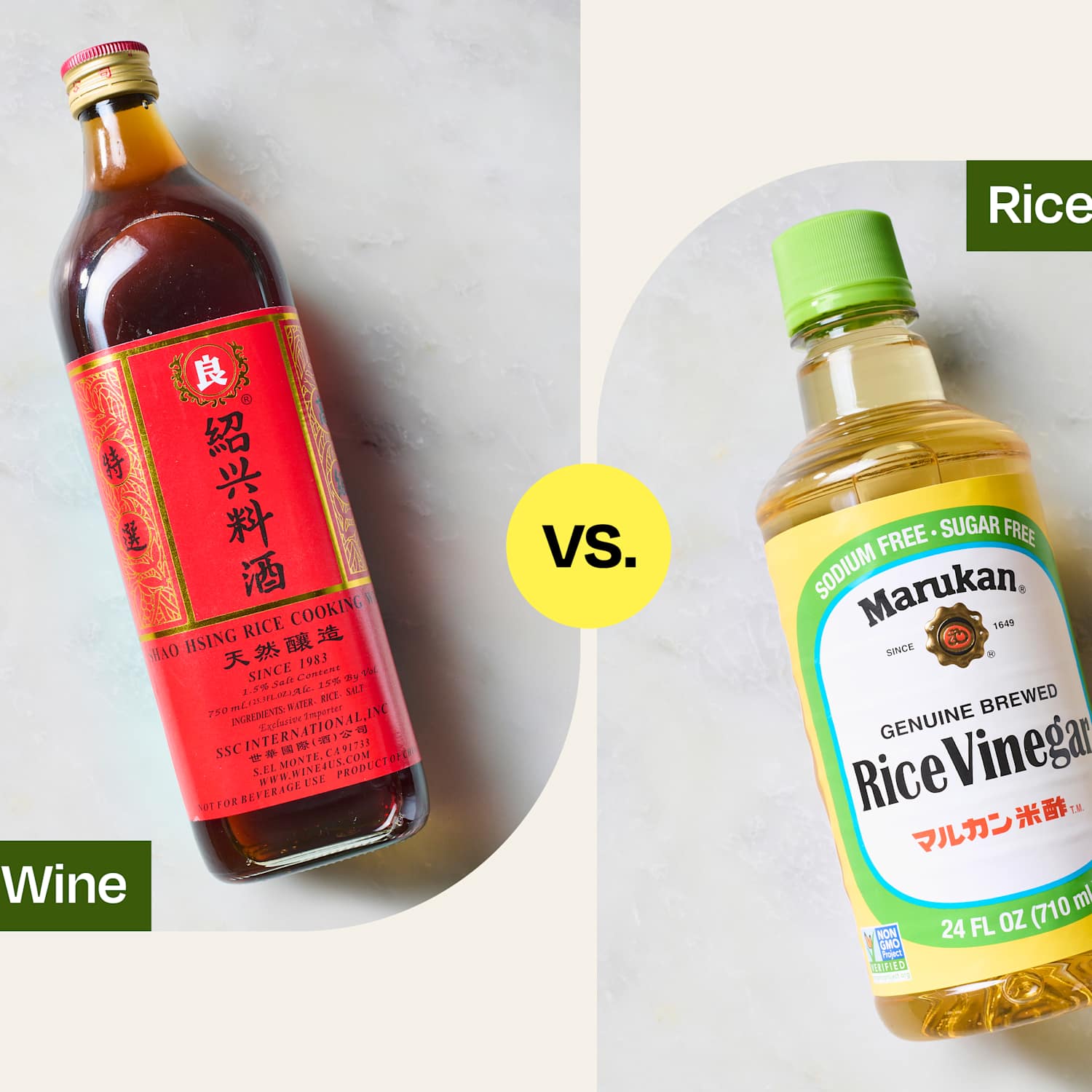
Have you ever stood in front of the cooking shelf, wondering if rice cooking wine and rice vinegar are the same thing? It’s a common question that can leave you confused and unsure about what to use in your recipes.
These two ingredients might look similar, but they play very different roles in your dishes. Understanding the difference can change the way you cook and even improve the flavor of your meals. Keep reading, and you’ll discover exactly what sets rice cooking wine apart from rice vinegar—and why it matters for your next kitchen adventure.
Credit: www.thekitchn.com
Rice Cooking Wine Basics
Rice cooking wine is a staple in many Asian kitchens. It adds a unique flavor to dishes and helps tenderize meat. Understanding its basics helps you use it correctly in your recipes. This section covers the origin, types, and uses of rice cooking wine.
Origin And Production
Rice cooking wine originated in East Asia. It is made by fermenting rice with water and yeast. The fermentation process turns rice starch into alcohol. This wine is usually clear or light yellow. It has a mild, slightly sweet taste.
Common Types And Varieties
There are several types of rice cooking wine. Shaoxing wine from China is the most famous. It has a rich, nutty flavor. Mirin, a Japanese rice wine, is sweeter. Korean rice wine, called cheongju, is lighter and clearer. Each type suits different cooking styles.
Typical Uses In Cooking
Rice cooking wine is used to enhance flavors. It removes strong odors from meat and fish. It also adds depth to sauces and soups. Cooks use it for marinades and stir-fries. This wine brings a subtle aroma and taste to dishes.
Credit: www.thekitchn.com
Rice Vinegar Essentials
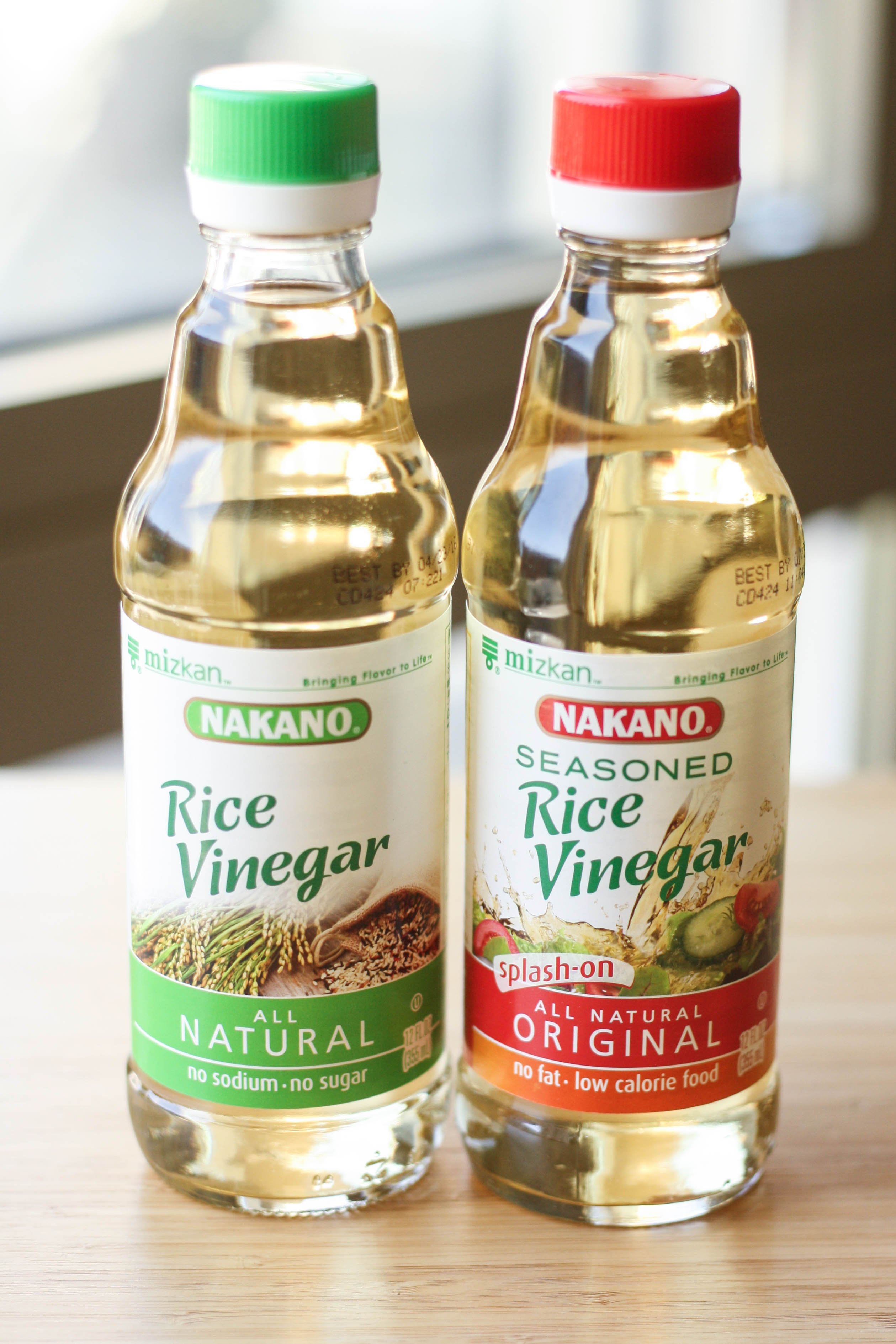
Rice vinegar is a common ingredient in many kitchens. It adds a mild, tangy taste to dishes. Understanding rice vinegar helps you use it better in cooking. It is different from rice cooking wine, though they sound similar. Let’s explore the essentials of rice vinegar.
How Rice Vinegar Is Made
Rice vinegar is made by fermenting rice. First, rice starch turns into sugar. Then, yeast changes sugar to alcohol. Finally, bacteria turn alcohol into vinegar. This process makes rice vinegar mild and slightly sweet. It is less acidic than other vinegars.
Flavor Profiles And Types
Rice vinegar has a gentle, slightly sweet flavor. It is not sharp like white vinegar. There are several types of rice vinegar. White rice vinegar is clear and mild. Brown rice vinegar has a richer, deeper taste. Seasoned rice vinegar includes added sugar and salt for extra flavor.
Popular Culinary Applications
Rice vinegar is popular in Asian cooking. It is used in salad dressings and dipping sauces. Sushi rice gets its unique taste from rice vinegar. It also brightens stir-fries and soups. Many use it to pickle vegetables quickly. Its mild acidity balances many dishes well.
Comparing Ingredients And Flavor
Rice cooking wine and rice vinegar are common in Asian kitchens. They look similar but have different roles in cooking. Understanding their ingredients and flavors helps you choose the right one for your recipes. This section breaks down their key differences.
Key Ingredients Differences
Rice cooking wine is made from fermented rice and water. It often contains salt and sometimes sugar. Rice vinegar is made by fermenting rice into alcohol, then turning it into acid. It usually has no added salt. The ingredients show their different uses in cooking.
Taste And Aroma Contrast
Rice cooking wine has a mild, slightly sweet taste. It adds a rich aroma to dishes. Rice vinegar tastes sour and tangy. It brightens flavors and adds sharpness. The smell of rice vinegar is strong and acidic. These taste differences affect the final dish.
Alcohol Content And Acidity
Rice cooking wine contains alcohol, which cooks off in heat. It helps tenderize meat and add depth. Rice vinegar has no alcohol but high acidity. The acid helps balance oily or rich foods. Knowing this difference guides how you use them in cooking.
:max_bytes(150000):strip_icc()/sushi-rice-recipe-2031498-step-08-a03b279e126d451c87496913d63ce49d.jpg)
Credit: www.thespruceeats.com
Cooking Effects And Outcomes
Cooking with rice wine and rice vinegar brings different results to your dishes. Both ingredients change taste, texture, and color in unique ways. Knowing how each one works helps you choose the right one for your recipe. This section explains their cooking effects and outcomes clearly.
How Each Affects Dishes
Rice cooking wine adds a mild sweetness and depth to dishes. It enhances flavors without making food sour. It works well in marinades and stir-fries. Rice vinegar gives a sharp, tangy taste. It brightens flavors and adds acidity. Vinegar is common in dressings and pickles.
Substitution Considerations
Substituting rice wine with rice vinegar changes dish flavor. Vinegar’s sourness may overpower the food. Using rice wine instead of vinegar can make dishes too sweet. Adjust other ingredients to balance taste if you swap them. Avoid large amounts of substitution to keep the dish right.
Impact On Texture And Color
Rice wine helps tenderize meat and soften vegetables gently. It keeps colors bright and natural. Rice vinegar can slightly change texture by firming vegetables in pickles. It may lighten or brighten the color of sauces. Both add moisture but affect food texture differently.
Health And Nutritional Aspects
Understanding the health and nutritional aspects of rice cooking wine and rice vinegar helps in making better food choices. Both ingredients appear similar but differ in their health impact. Knowing these differences supports a balanced diet.
Nutrient Content Comparison
Rice cooking wine contains small amounts of alcohol and some carbohydrates. It has very few vitamins or minerals. Rice vinegar has no alcohol and contains acetic acid. It has trace minerals but almost no calories. Both have low nutrient density but differ in composition.
Potential Health Benefits
Rice vinegar may help improve digestion and control blood sugar. Its acetic acid can support metabolism. Rice cooking wine does not offer these benefits. The alcohol in rice wine may affect liver health if consumed in excess. Use rice vinegar for health-focused cooking.
Dietary Restrictions And Tips
People avoiding alcohol should skip rice cooking wine. Rice vinegar is safe for alcohol-free diets. Both are gluten-free and suitable for most diets. Check labels for added ingredients. Use rice vinegar for lighter, healthier meals.
Shopping Tips And Storage
Shopping for rice cooking wine and rice vinegar can be confusing. Both look similar but serve different purposes in cooking. Knowing how to pick the right product and store it properly helps keep your food fresh and tasty.
How To Choose Quality Products
Check the label for clear ingredients. Pure rice cooking wine should list rice and water. Rice vinegar should show fermented rice or rice alcohol. Avoid products with many additives or artificial flavors. Choose brands with good reviews or known quality. Look for sealed bottles to ensure freshness.
Proper Storage Methods
Store rice cooking wine in a cool, dark place. Keep the bottle tightly closed after each use. Rice vinegar also stays best in a cool, dark area. Refrigerate after opening to keep its flavor longer. Avoid heat and sunlight to prevent spoilage.
Shelf Life And Expiry
Unopened rice cooking wine can last up to two years. Once opened, use it within six months for best taste. Rice vinegar lasts longer and can keep well for one to two years. Always check the expiration date on the bottle. If the smell or taste changes, discard it.
Frequently Asked Questions
What Is The Difference Between Rice Cooking Wine And Rice Vinegar?
Rice cooking wine is an alcoholic ingredient used to enhance flavor. Rice vinegar is acidic and adds tanginess to dishes. Both come from rice but serve different culinary purposes.
Can Rice Cooking Wine Be Substituted With Rice Vinegar?
No, rice cooking wine cannot replace rice vinegar. Wine adds sweetness and depth, while vinegar provides acidity. Using vinegar instead of wine will alter the dish’s flavor.
Is Rice Vinegar Made From Rice Wine?
Rice vinegar is made by fermenting rice wine further. The alcohol converts into acetic acid, giving rice vinegar its sour taste. They are related but distinct products.
Are Rice Cooking Wine And Rice Vinegar Used In The Same Recipes?
They are usually used in different recipes. Rice cooking wine is common in marinades and stir-fries. Rice vinegar is often added to dressings and pickles for acidity.
Conclusion
Rice cooking wine and rice vinegar are not the same. Each has a unique taste and use in cooking. Rice cooking wine adds a mild, slightly sweet flavor to dishes. Rice vinegar gives a tangy, acidic taste. Using one instead of the other can change your recipe a lot.
Always check your recipe carefully before choosing. Knowing the difference helps you cook better meals. Try both to see which flavor you prefer. Simple steps can make your cooking more enjoyable and tasty.

Hello, This is Annie Walker, a 38-year-old blogger, founder, and editor of Cookware Guider from NY, USA. I am a cookware fanatic and passionate cooker. I love to cook with different types of cooking appliances (example: all types of cookware, rice cookers, slow cookers, etc) almost every day in my kitchen. I love to share my experience with my readers in my blog. Also, I enjoy helping people to solve their problems through my website. You can follow me on Twitter & Pinterest. To know details about my blog please check the about us page.