
Have you ever taken a bite of freshly cooked rice, only to find it hard and unpleasant? It’s frustrating when your meal doesn’t turn out as soft and fluffy as you expected.
You might wonder why your rice is hard after cooking and how to fix it. The good news is, you’re not alone, and there are simple reasons behind this common problem. Keep reading, and you’ll discover easy tips to make your rice perfectly tender every time.
Common Causes Of Hard Rice
Hard rice after cooking can be frustrating. It makes meals less enjoyable. Many common mistakes cause this problem. Understanding these causes helps you cook softer, tastier rice every time.
Incorrect Water-to-rice Ratio
Rice needs the right amount of water to cook well. Too little water leaves rice hard and dry. Too much water makes it mushy. Measure water carefully for soft rice. Different rice types need different water amounts.
Undercooking The Rice
Undercooked rice feels hard and chewy. Cooking time varies by rice type and quantity. Check rice texture near the end of cooking. Cook longer if the grains remain firm. Give it time to absorb water fully.
Using The Wrong Rice Variety
Not all rice cooks the same way. Some varieties stay firm after cooking. Others become soft and sticky. Choose the rice type that suits your recipe. Know the cooking needs of each rice kind.
Inadequate Soaking Time
Soaking rice softens grains before cooking. Skipping or shortening soak time causes hard rice. Soak rice in water for 20-30 minutes. This helps grains absorb water evenly. It reduces cooking time and improves texture.

Credit: www.youtube.com
Quick Fixes For Hard Rice
Hard rice after cooking can be a real hassle. It feels dry and tough to chew. Thankfully, there are simple ways to fix it quickly. These methods add moisture back to the rice. They make it soft and tasty again. Here are some easy steps to try at home.
Steaming With A Damp Cloth
Place the hard rice in a bowl. Cover it with a damp cloth. Put the bowl in a steamer or over boiling water. Steam for 5 to 10 minutes. The steam will soften the rice grains. Check the texture and repeat if needed.
Microwaving With Water
Put the rice in a microwave-safe bowl. Sprinkle a few tablespoons of water over it. Cover the bowl with a microwave-safe lid or plate. Heat on medium power for 1 to 2 minutes. Stir gently and test the softness. Add more water and microwave again if required.
Reheating On Stove With Added Water
Place the rice in a pan. Add a small amount of water, about 2 tablespoons. Cover the pan with a lid. Heat on low for 3 to 5 minutes. Stir occasionally to avoid sticking. The water will steam the rice, making it soft.
Preventing Hard Rice Before Cooking
Hard rice after cooking is a common problem in many kitchens. Preventing this issue starts before cooking. Simple steps can make rice soft and fluffy. Proper preparation ensures a better meal every time.
Choosing The Right Rice Type
Select rice based on the dish you want to make. Long-grain rice stays separate and fluffy. Short-grain rice tends to be stickier and softer. Avoid using old or poor-quality rice. Fresh rice cooks more evenly and tastes better.
Proper Washing And Soaking
Rinse rice under cold water until water runs clear. This removes excess starch that makes rice sticky and hard. Soak rice in water for 20 to 30 minutes. Soaking helps grains absorb water and cook evenly. Skip soaking only for quick-cooking rice types.
Measuring Water Accurately
Use the right water-to-rice ratio for soft rice. Too little water leads to hard rice. Too much water makes rice mushy. Measure water using a standard cup for accuracy. Adjust water based on rice type and cooking method.
Using Suitable Cooking Methods
Choose cooking methods that suit your rice and tools. Boiling, steaming, or using a rice cooker works well. Avoid lifting the lid during cooking. This traps steam and cooks rice evenly. Rest rice for a few minutes after cooking for best texture.
Best Cooking Techniques For Soft Rice
Cooking soft rice is easy with the right methods. Each technique controls water and heat to soften rice perfectly. This section explains four popular ways to cook soft rice at home. Follow these steps for fluffy, tender rice every time.
Absorption Method
Measure rice and water carefully. Use one part rice to one and a half parts water. Rinse the rice to remove extra starch. Bring water to a boil, then add rice. Cover the pot and reduce heat to low. Let the rice cook for 15 to 20 minutes. Do not lift the lid while cooking. Turn off the heat and let rice rest for 10 minutes. Fluff with a fork before serving.
Boiling And Draining Method
Fill a large pot with water and bring to a boil. Add rinsed rice and stir gently. Boil the rice without a lid for 8 to 10 minutes. Check the rice softness often to avoid overcooking. Drain the rice in a fine sieve. Let it sit for a few minutes to remove excess water. This method is good for sticky or short grain rice.
Using A Rice Cooker
Rinse rice to clean the grains. Add rice and water to the cooker pot using the cooker’s water line. Close the lid and press the cook button. The rice cooker stops automatically when done. Let the rice sit in the cooker for 10 minutes. Open the lid and fluff rice gently before serving. Rice cookers simplify making soft rice every time.
Pressure Cooking Rice
Rinse the rice well and drain. Add rice and water to the pressure cooker. Use one cup rice to one and a quarter cup water. Seal the lid and cook on high pressure for 3 minutes. Let the pressure release naturally for 10 minutes. Open the lid carefully and fluff rice. This method cooks rice very fast and soft.
Tips For Fluffy Rice Every Time
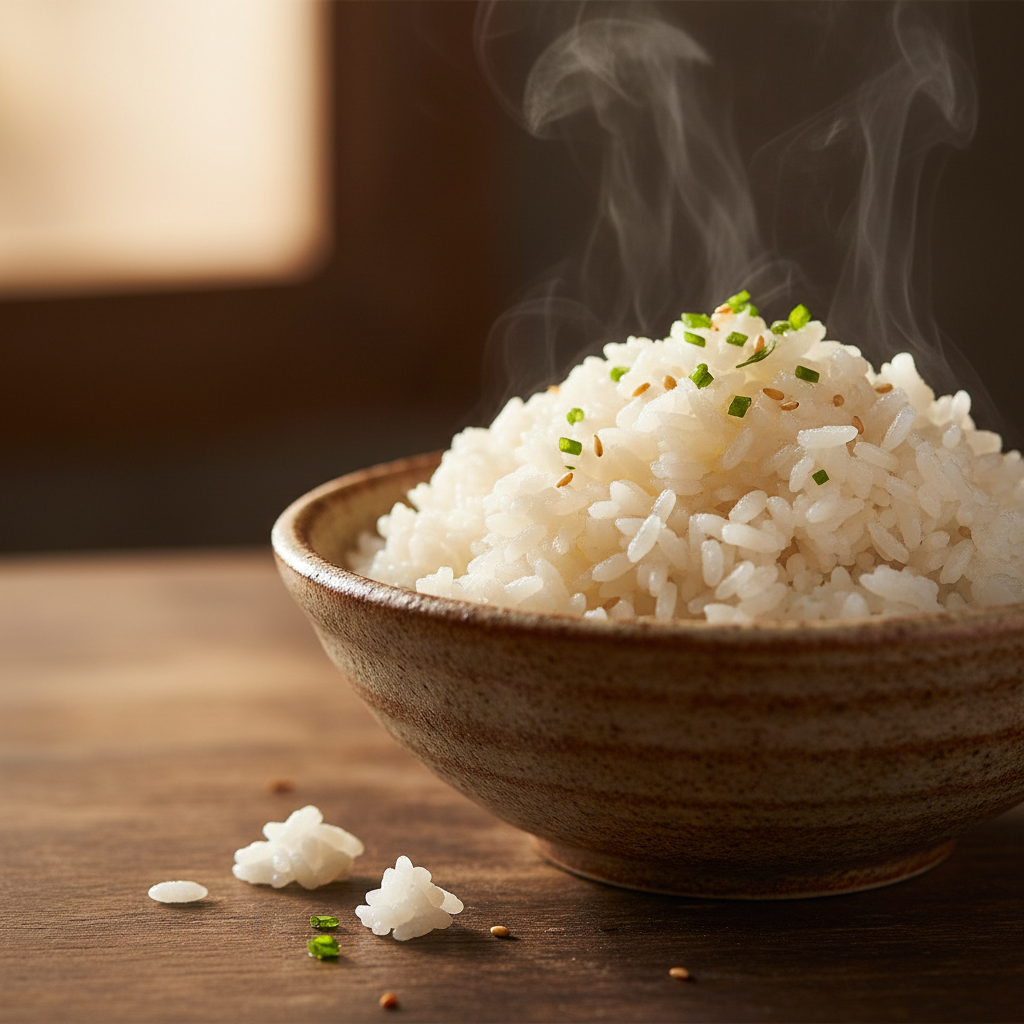
Cooking rice that turns out fluffy and soft is not hard. Small steps make a big difference. Follow these tips to get perfect rice every time. Each step helps separate grains and keeps rice light.
Letting Rice Rest After Cooking
Turn off the heat and cover the pot tightly. Let the rice sit for 10 minutes. This helps steam finish cooking the rice evenly. Resting stops rice from becoming sticky or hard. Patience here gives soft, fluffy rice.
Fluffing With A Fork
Use a fork, not a spoon, to fluff rice. Gently lift and separate grains by stirring lightly. This stops clumps and keeps air inside. Fluffing makes rice look and feel light. Do this right after resting the rice.
Avoiding Overcrowding The Pot
Cook rice in a pot that is the right size. Too much rice in one pot traps moisture and heat. This causes rice to cook unevenly and turn hard. Use a pot with space for rice to expand and steam well.
Credit: ripeplate.com

Credit: www.recipetineats.com
Frequently Asked Questions
Why Is My Rice Hard After Cooking?
Rice can be hard due to insufficient water or undercooking. Using the right water-to-rice ratio and cooking time ensures soft rice.
How To Fix Hard Rice After Cooking?
Add a little hot water, cover, and steam rice on low heat for 5-10 minutes. This softens the grains effectively.
Does Rinsing Rice Affect Hardness?
Rinsing removes excess starch, preventing clumping, but does not cause hardness. Proper cooking technique is key for soft rice.
Can Old Rice Cause Hardness?
Stale or old rice may absorb water unevenly, causing hard texture. Always use fresh rice for best results.
Conclusion
Rice turning hard after cooking can be frustrating. Often, it happens due to too little water or cooking time. Using the right water amount makes rice soft and fluffy. Let rice rest covered after cooking to absorb steam. Avoid lifting the lid while cooking to keep heat inside.
Try these simple tips next time for better rice texture. Cooking rice well is easy with practice and patience. Enjoy soft, tasty rice every meal.

Hello, This is Annie Walker, a 38-year-old blogger, founder, and editor of Cookware Guider from NY, USA. I am a cookware fanatic and passionate cooker. I love to cook with different types of cooking appliances (example: all types of cookware, rice cookers, slow cookers, etc) almost every day in my kitchen. I love to share my experience with my readers in my blog. Also, I enjoy helping people to solve their problems through my website. You can follow me on Twitter & Pinterest. To know details about my blog please check the about us page.