
Are you confused about whether your rice cooker can double as a pressure cooker? You’re not alone.
Many people wonder if these two kitchen gadgets are the same or if one can replace the other. Understanding the difference can save you time, avoid cooking mishaps, and help you get the best results with your meals. Keep reading to discover what makes a rice cooker and a pressure cooker unique—and find out which one is right for your cooking needs.
:max_bytes(150000):strip_icc()/sea-tier-3-primary-best-rice-cookers-ahuang-151-372092288b0d4326be8cdb952b9e64c7.jpeg)
Credit: www.seriouseats.com
Rice Cooker Basics
Rice Cooker Basics explain the simple yet effective design behind these popular kitchen appliances. Many wonder if a rice cooker is also a pressure cooker. The answer lies in how each device functions and their main purposes. A rice cooker is designed mainly to cook rice perfectly by using controlled heat and steam. It is different from a pressure cooker, which uses high pressure to cook food faster.
Rice cookers come in various sizes and styles. Most have a simple design focused on cooking rice, but some models include extra functions. Understanding how a rice cooker works helps to see why it is not the same as a pressure cooker.
How Rice Cookers Work
A rice cooker uses heat and steam to cook rice evenly. It has a heating plate at the bottom and a removable inner pot where you place rice and water. The cooker heats the water to boiling, which creates steam to cook the rice.
Here is a step-by-step look at how a basic rice cooker operates:
- Add rice and water to the inner pot.
- Close the lid and turn the cooker on.
- The heating plate warms the pot, boiling the water.
- Steam cooks the rice until all water is absorbed.
- The cooker senses when cooking is done and switches to a warm mode.
The key to a rice cooker’s success is its thermostat. This device measures the temperature inside the pot. When water is gone, the temperature rises above 212°F (100°C). The cooker detects this change and stops cooking. This prevents burning and keeps rice warm.
Unlike pressure cookers, rice cookers do not build up high pressure. They operate at normal atmospheric pressure, relying on simple steam and heat.
Common Features
Rice cookers usually have features designed to make rice cooking easy and consistent. These features vary by brand and model but often include:
- Automatic Shut-Off: Turns off cooking and switches to warming mode when rice is done.
- Keep Warm Function: Keeps rice warm for hours without overcooking.
- Non-Stick Inner Pot: Prevents rice from sticking and makes cleaning easy.
- Measuring Cup and Rice Scoop: Tools for measuring rice and serving.
- Simple Control Buttons: Basic start and keep warm controls for easy use.
Some advanced rice cookers include additional features:
| Feature | Description |
|---|---|
| Fuzzy Logic Technology | Adjusts cooking time and temperature for perfect rice texture. |
| Multiple Cooking Modes | Options for cooking different types of rice and grains. |
| Delay Timer | Set cooking start time for fresh rice ready later. |
These features make rice cookers user-friendly and reliable. They focus on rice preparation, not high-pressure cooking.
Pressure Cooker Essentials
Many wonder if a rice cooker is the same as a pressure cooker. While both cook food using heat, their methods differ greatly. Pressure cooker essentials help understand this difference clearly. Pressure cookers use steam and pressure to cook food faster and tenderize tough ingredients. Rice cookers mostly rely on steady heat and time to cook rice perfectly. Knowing how a pressure cooker works aids in using it safely and effectively.
Mechanism Of Pressure Cooking
A pressure cooker cooks food by trapping steam inside a sealed pot. This trapped steam raises the pressure and temperature inside the cooker. The higher temperature cooks food quicker than boiling or steaming alone.
How it works step-by-step:
- Food and liquid are placed inside the cooker.
- The lid is locked tightly to seal the pot.
- Heat is applied, causing the liquid to boil and create steam.
- Steam cannot escape, so pressure builds up inside.
- Increased pressure raises the boiling point of water.
- Food cooks faster due to higher temperature and pressure.
- Pressure is released safely before opening the lid.
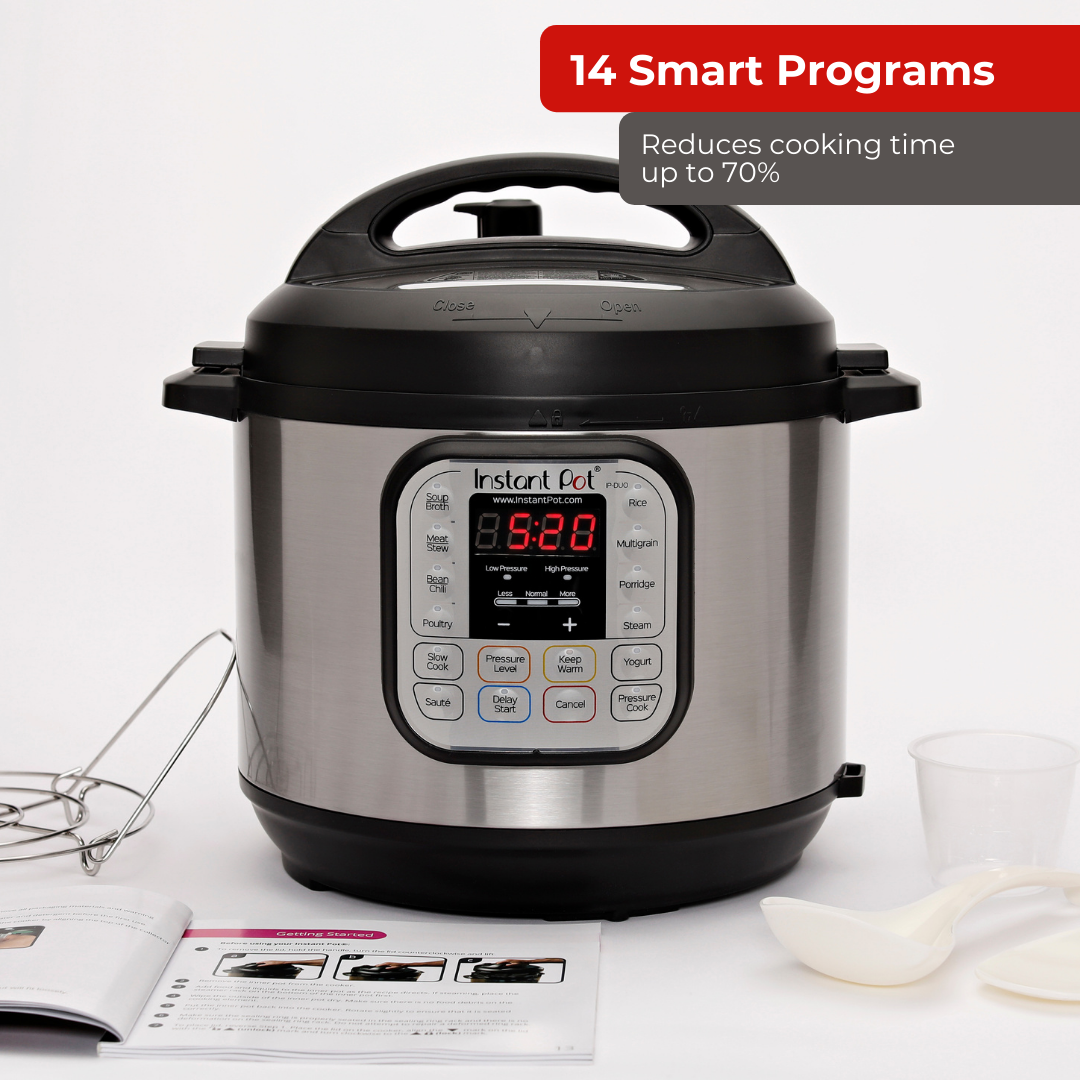
This process shortens cooking time by up to 70%. It also helps keep nutrients and flavors in the food.
| Feature | Pressure Cooker | Rice Cooker |
|---|---|---|
| Cooking Method | Steam + High Pressure | Steady Heat |
| Cooking Speed | Fast (minutes) | Moderate (minutes to half hour) |
| Food Types | Meat, beans, vegetables, rice | Primarily rice and grains |
Key Components
Understanding a pressure cooker’s parts helps see how it works. Each component plays a role in cooking safely and efficiently.
Main parts include:
- Pot: The main container holding food and liquid.
- Lid with locking mechanism: Seals the cooker to trap steam.
- Gasket or sealing ring: A rubber ring ensuring an airtight seal.
- Pressure valve: Controls and releases steam pressure safely.
- Pressure indicator: Shows when the cooker is pressurized.
- Safety valve: Acts as a backup to release excess pressure.
Each part must be in good condition for safe use. The gasket should fit tightly without cracks. The pressure valve must not be blocked. Safety valves prevent accidents by releasing extra steam if pressure gets too high.
Here is a simple diagram of key components:
+-----------------------+ | Lid | | +-------------------+ | | | Pressure Valve | | | | Safety Valve | | | | Sealing Ring | | | +-------------------+ | +-----------------------+ | Pot | | (holds food/liquid) | +-----------------------+ Comparing Functions
Many people wonder if a rice cooker is the same as a pressure cooker. Both appliances cook food, but their functions differ significantly. Comparing their functions helps to understand what each device can do. This knowledge guides better choices for cooking needs. Below, we explore how rice cookers and pressure cookers work and their differences in cooking methods and temperature control.
Cooking Methods
Rice cookers and pressure cookers use different ways to cook food. A rice cooker mainly uses simple boiling and steaming. It heats water inside the pot, which cooks the rice or other grains evenly. Once the water is absorbed or evaporated, the cooker switches to a warm setting to keep food hot.
Pressure cookers use steam under high pressure. They trap steam inside a sealed pot, raising the boiling point of water above 100°C (212°F). This high pressure cooks food faster. The sealed environment helps retain moisture and flavors.
- Rice Cooker: Uses steady boiling and steaming.
- Pressure Cooker: Uses high-pressure steam for faster cooking.
| Feature | Rice Cooker | Pressure Cooker |
|---|---|---|
| Cooking Process | Boiling and steaming at normal pressure | Sealed steam cooking under high pressure |
| Cooking Speed | Slower, based on water absorption | Much faster due to pressure |
| Food Types | Rice, grains, steaming vegetables | Meats, stews, beans, tough vegetables |
Rice cookers focus on simple, gentle cooking. Pressure cookers handle tougher foods and speed up the process. Understanding these methods helps pick the right appliance for your meal.
Temperature And Pressure Differences
Temperature and pressure set rice cookers and pressure cookers apart clearly. Rice cookers heat food at normal pressure, keeping temperature near 100°C (212°F). This temperature suits rice and similar grains.
Pressure cookers increase pressure inside the pot. This increase raises the boiling temperature to around 120°C to 130°C (248°F to 266°F). Cooking at this higher temperature cooks food faster and breaks down tough fibers in meats and beans.
- Rice Cooker: Operates at atmospheric pressure and stable temperature.
- Pressure Cooker: Works at elevated pressure and higher temperature.
| Aspect | Rice Cooker | Pressure Cooker |
|---|---|---|
| Pressure Level | Normal atmospheric pressure | Higher than atmospheric pressure (usually 15 psi) |
| Temperature Range | About 100°C (212°F) | 120°C to 130°C (248°F to 266°F) |
| Safety Features | Simple thermostat control | Pressure release valves and locks |
Pressure cookers require safety features to handle high pressure. Rice cookers do not need such mechanisms. This difference impacts how you use and maintain each appliance safely.
Credit: www.instantpot.com.ph
Versatility In The Kitchen
Rice cookers and pressure cookers both add convenience to the kitchen, but they serve different purposes. Understanding their versatility helps choose the right tool for cooking needs. A rice cooker mainly focuses on cooking rice perfectly every time. Pressure cookers use high pressure to cook food quickly and can handle a wider range of dishes. Both appliances save time and effort but vary in their functions and meal options.
Types Of Meals Each Can Prepare
Rice cookers excel at cooking various types of rice. They can also prepare simple dishes like steamed vegetables and soups. Many models include a steaming basket to cook fish or dumplings. The cooking process is gentle, keeping food moist and tender.
- Rice cooker meals: white rice, brown rice, quinoa, steamed vegetables, porridge, and simple soups
- Limitations: not suitable for frying or browning food
Pressure cookers cook food much faster by using steam pressure. They are ideal for tougher ingredients that need long cooking times, such as beans, meat, and stews. Pressure cooking locks in flavors and nutrients.
- Pressure cooker meals: stews, soups, beans, rice, tough meats, stocks, and desserts
- Advantages: cooks meals quickly, tenderizes tough cuts, and saves energy
| Appliance | Best for Cooking | Cooking Style | Meal Examples |
|---|---|---|---|
| Rice Cooker | Grains and Steamed Foods | Slow, gentle cooking | Rice, quinoa, steamed veggies, porridge |
| Pressure Cooker | Meats, Beans, Stews | High-pressure, fast cooking | Beef stew, lentils, risotto, soups |
Multi-function Appliances
Modern kitchen gadgets combine the features of rice cookers and pressure cookers. These multi-function appliances offer versatility in one device. They include settings for pressure cooking, slow cooking, steaming, and even baking.
This versatility allows cooking many types of meals without switching devices. A single appliance can replace several tools, saving space and money. Users can prepare rice, soups, stews, cakes, and more with simple button presses.
- Pressure cooking mode for fast meals
- Rice cooking mode for perfect grains
- Slow cooking for tender dishes
- Steaming for vegetables and fish
- Baking or yogurt making in some models
Multi-function cookers come with preset programs to simplify cooking. They also often have delay timers and keep-warm functions. These features add flexibility to daily meal preparation.
Multi-function appliances suit small kitchens and busy schedules. They offer a range of cooking methods in a compact design. This makes meal planning easier and more efficient.
Safety Considerations
Understanding the safety aspects of kitchen appliances is vital, especially when comparing a rice cooker and a pressure cooker. These devices use different cooking methods and have unique safety features. Knowing these differences helps users prevent accidents and cook confidently. Safety considerations play a key role in choosing and using these appliances properly. Both appliances involve heat and pressure, but the risks and safeguards vary significantly.
Pressure Cooker Safety Features
Pressure cookers build up steam pressure to cook food faster. This high pressure can be dangerous if not controlled properly. Modern pressure cookers come with multiple safety features to reduce risks and protect users.
- Pressure Release Valve: Releases excess steam automatically to avoid overpressure.
- Locking Lid: Prevents opening the lid while the cooker is pressurized.
- Gasket Release System: Allows steam to escape if the valve fails, preventing explosions.
- Pressure Indicator: Shows when the cooker is pressurized and safe to open.
- Automatic Shut-Off: Some electric models stop heating when pressure reaches a limit.
These safety mechanisms work together to ensure users stay safe. Ignoring them can lead to dangerous situations like burns or lid blow-offs.
| Safety Feature | Purpose |
|---|---|
| Pressure Release Valve | Prevents excessive pressure buildup |
| Locking Lid | Stops lid opening under pressure |
| Gasket Release System | Secondary steam release to avoid accidents |
| Pressure Indicator | Shows safe opening time |
| Automatic Shut-Off | Stops heating at safe pressure |
Always follow the manufacturer’s instructions. Check seals and valves before use. Never force the lid open during or right after cooking.
Rice Cooker Safety
Rice cookers use lower pressure and mainly rely on heat to cook rice. This makes them generally safer but still requires caution.
- Automatic Shut-Off: Turns off or switches to warm mode once rice is cooked.
- Heat-Resistant Handles: Prevent burns while handling the cooker.
- Non-Slip Base: Keeps the cooker stable during operation.
- Cool-Touch Exterior: Reduces risk of burns from the outside surface.
- Overheat Protection: Stops heating if the cooker gets too hot.
Rice cookers do not build high pressure like pressure cookers. This lowers the risk of explosions or steam burns.
Still, safety tips matter:
- Place the cooker on a flat, heat-proof surface.
- Keep the lid closed during cooking to maintain temperature.
- Unplug the cooker after use to avoid electrical hazards.
- Clean the cooker regularly to prevent food buildup and malfunction.
Understanding these safety points helps users avoid accidents. Both appliances are safe tools when used with care and according to instructions.
Credit: www.nytimes.com
Choosing The Right Appliance
Choosing the right kitchen appliance between a rice cooker and a pressure cooker can be confusing. Both appliances serve unique purposes but share some cooking methods. Understanding your cooking needs and kitchen setup helps make a smart choice. This section guides you on selecting the appliance that fits your daily routine and space.
Cooking Needs Assessment
Start by thinking about what you cook most often. Rice cookers are best for cooking rice perfectly and sometimes steaming vegetables or fish. Pressure cookers cook food faster by using high pressure and heat. They handle tougher foods like beans, meat, and stews with ease.
Ask yourself these questions:
- Do you eat rice frequently?
- Do you need to cook meals quickly?
- Do you prepare dishes that require slow cooking or tenderizing?
- Would you like to try different cooking styles like steaming or sautéing?
Here is a simple comparison to help:
| Feature | Rice Cooker | Pressure Cooker |
|---|---|---|
| Main Function | Cook rice perfectly | Cook food fast under pressure |
| Types of Food | Rice, grains, steamed vegetables | Meat, beans, stews, rice |
| Cooking Speed | Normal speed | Much faster |
| Ease of Use | Simple controls | Requires careful handling |
Choose a rice cooker if you mainly want perfect rice with minimal effort. Pick a pressure cooker for faster meals and versatile cooking.
Budget And Space Factors
Consider your budget and kitchen space before buying. Rice cookers usually cost less and take up less room. Pressure cookers can be more expensive and larger.
Think about these points:
- How much money can you spend?
- How much counter or storage space do you have?
- Do you want a small, simple device or a multi-function one?
Here is a budget and size comparison:
| Aspect | Rice Cooker | Pressure Cooker |
|---|---|---|
| Price Range | $20 – $100 | $50 – $200 |
| Average Size | Compact, easy to store | Larger, needs more space |
| Maintenance | Simple cleaning | Requires careful cleaning |
Pick a rice cooker if you want to save money and space. Choose a pressure cooker for more cooking options, even if it costs more and needs more room.
Frequently Asked Questions
What Is The Difference Between A Rice Cooker And Pressure Cooker?
A rice cooker uses gentle heat to steam rice. A pressure cooker cooks food quickly under high pressure. They have different cooking methods and functions.
Can A Rice Cooker Work As A Pressure Cooker?
No, a rice cooker cannot function as a pressure cooker. It lacks the sealed lid and pressure mechanism needed for pressure cooking.
Are Rice Cookers Safer Than Pressure Cookers?
Rice cookers are generally safer because they operate at low pressure. Pressure cookers require careful handling due to high-pressure steam.
Can Pressure Cookers Cook Rice Like Rice Cookers?
Yes, pressure cookers can cook rice faster but may require precise water ratios. The texture differs from rice cooked in a rice cooker.
Conclusion
Rice cookers and pressure cookers serve different purposes in the kitchen. Rice cookers focus on cooking rice perfectly without much effort. Pressure cookers cook food faster using high pressure and heat. Some modern appliances combine both functions, but they are not the same.
Choosing the right cooker depends on your cooking needs and time. Knowing their differences helps you use each tool well. Cooking becomes easier and more efficient with the right appliance. Simple tools, clear results.

Hello, This is Annie Walker, a 38-year-old blogger, founder, and editor of Cookware Guider from NY, USA. I am a cookware fanatic and passionate cooker. I love to cook with different types of cooking appliances (example: all types of cookware, rice cookers, slow cookers, etc) almost every day in my kitchen. I love to share my experience with my readers in my blog. Also, I enjoy helping people to solve their problems through my website. You can follow me on Twitter & Pinterest. To know details about my blog please check the about us page.