
Choosing the right stainless steel for your cookware can make all the difference in your cooking experience. You want pots and pans that heat evenly, resist stains, and last for years.
But with so many options out there, how do you know which stainless steel is best for your kitchen? This guide will help you understand the key types of stainless steel used in cookware and how to pick the perfect one for your needs.
Keep reading to discover what will make your cooking safer, easier, and more enjoyable every time you step to the stove.
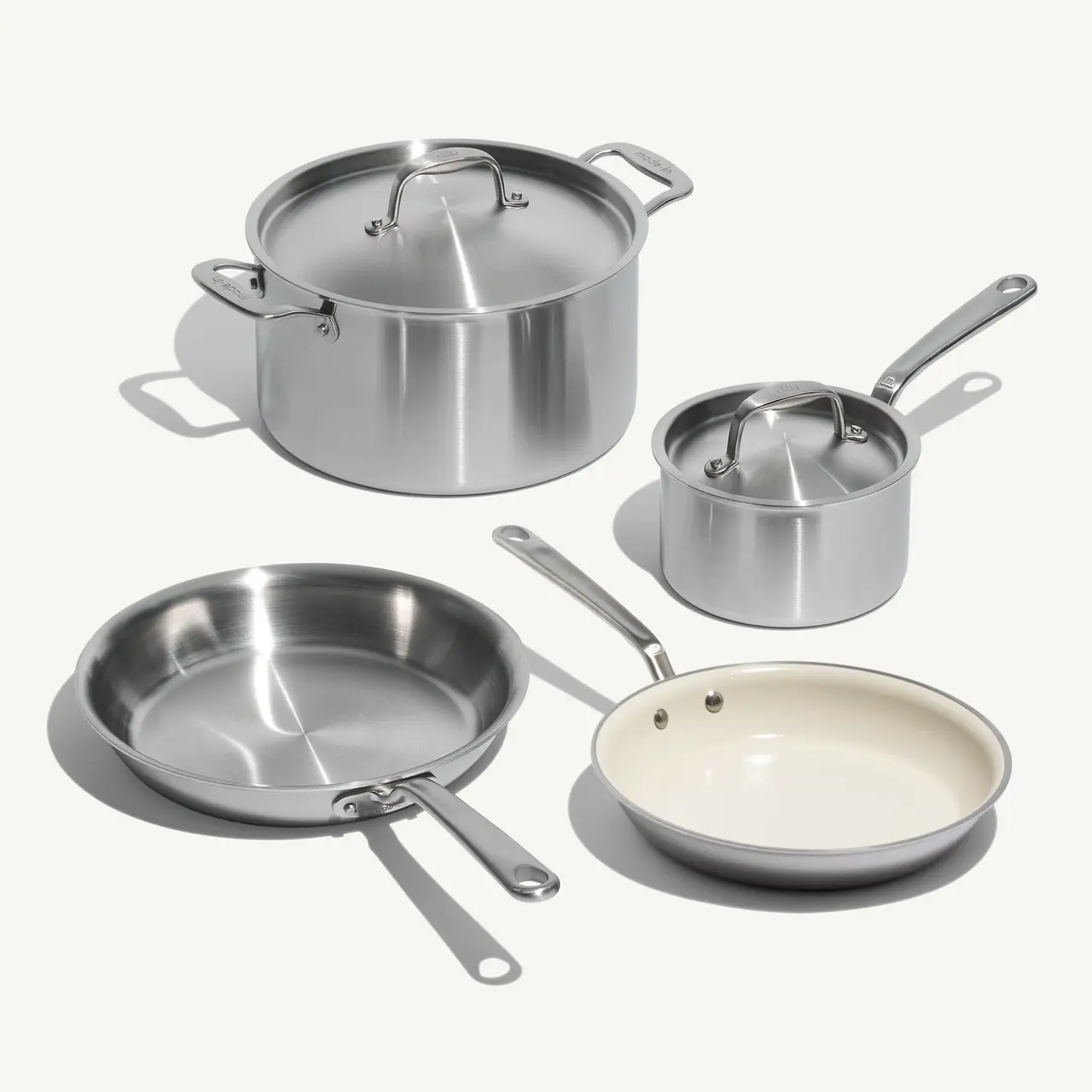
Credit: madeincookware.com
Types Of Stainless Steel For Cookware
Choosing the right stainless steel for cookware matters a lot. Different types of stainless steel offer various benefits for cooking. Some are better for heat conduction. Others resist rust and stains better. Understanding these types helps pick cookware that lasts long and cooks well.
Below are the main types of stainless steel used in cookware. Each type has unique features that affect performance and durability.
304 Vs 316 Stainless Steel
304 stainless steel is common in cookware. It contains about 18% chromium and 8% nickel. This mix makes it strong and resistant to rust. 316 stainless steel has more nickel and added molybdenum. It resists corrosion better, especially with salty foods. But it costs more and is less common in kitchenware.
Magnetic Vs Non-magnetic Grades
Magnetic stainless steel works well with induction cooktops. This includes types like 430 steel. Non-magnetic types like 304 do not work on induction without a magnetic base. Magnetic steel is often less expensive but may not resist corrosion as well. Choose based on your stove type and rust resistance needs.
Impact Of Chromium And Nickel Content
Chromium prevents rust and adds shine to stainless steel. At least 10.5% chromium is needed for good corrosion resistance. Nickel improves durability and adds smoothness. More nickel means better resistance to acid and heat. Cookware with balanced chromium and nickel lasts longer and stays shiny.
:max_bytes(150000):strip_icc()/PEO-Cuisinart_ChefsCollection_11PC-FredHardy-0638-1.jpg-df3121232c104d42b80cd3f48aaaf872.jpg)
Credit: www.realsimple.com
Choosing The Right Stainless Steel Grade
Choosing the right stainless steel grade is key for cookware. Different grades have different features. These affect cooking performance and how long the cookware lasts. Understanding these grades helps you pick the best option for your kitchen.
Performance In Heat Distribution
Stainless steel alone does not conduct heat well. That is why many pans use layers of other metals. Grades like 304 and 316 often come with aluminum or copper cores. These layers spread heat evenly. This prevents hot spots that burn food. Even heat makes cooking easier and food taste better.
Durability And Corrosion Resistance
Cookware must resist rust and damage. Grades 304 and 316 stainless steel offer strong corrosion resistance. Grade 316 contains molybdenum, which adds extra protection. These grades last longer in moist and salty environments. They keep cookware shiny and smooth after many uses.
Reactivity With Food
Some metals react with acidic foods like tomato sauce or lemon juice. This changes the flavor and may damage cookware. Stainless steel grades 304 and 316 do not react with food. They keep food taste pure. Using non-reactive steel means safer and healthier cooking every time.
Cookware Construction And Layers
Understanding cookware construction helps choose the best stainless steel pots and pans. The layers inside affect heat distribution and cooking results. Different designs offer various benefits. Knowing these can make cooking easier and food tastier.
Single-ply Vs Multi-ply Cookware
Single-ply cookware is made from one layer of stainless steel. It is lighter and usually cheaper. Heat spreads unevenly, causing hot spots. Food can burn in some areas while staying raw in others.
Multi-ply cookware has several layers. It combines stainless steel with other metals. This design spreads heat evenly. It prevents food from sticking and burning. Multi-ply is more durable and cooks food better.
Role Of Aluminum And Copper Cores
Aluminum and copper are great at conducting heat. Cookware with these cores heats up quickly and evenly. Copper cores offer precise temperature control. Aluminum cores provide good heat distribution at a lower cost.
These metal layers sit between stainless steel layers. They keep heat steady across the surface. This helps cook food uniformly. It also saves energy and reduces cooking time.
Effect On Cooking Efficiency
Multi-layer cookware cooks food faster and more evenly. It uses less heat to reach the right temperature. This saves energy and protects the cookware.
Better heat control means food cooks thoroughly without burning. It also keeps flavors intact. Cookware with quality layers improves cooking results and kitchen experience.
Maintenance And Care Tips
Stainless steel cookware is durable and stylish. Proper care keeps it looking new and working well. Simple maintenance helps avoid damage and extends the life of your pots and pans. Follow easy tips for cleaning and using your stainless steel cookware safely.
Cleaning Techniques For Stainless Steel
Use warm water and mild soap for daily cleaning. A soft cloth or sponge works best. Avoid steel wool or abrasive scrubbers that can scratch the surface. For stubborn spots, soak the pan in warm soapy water before scrubbing gently. Dry cookware immediately after washing to prevent water spots.
Preventing Stains And Discoloration
Heat the pan slowly and avoid very high temperatures. Quick heating can cause discoloration. Use a small amount of cooking oil to create a protective layer. Avoid leaving food in the pan for a long time. Clean spills and stains quickly to stop them from setting in. White vinegar or baking soda can remove tough stains safely.
Safe Use Practices
Always use wooden or silicone utensils to avoid scratching. Avoid cutting food directly in the pan. Do not put cold water on hot cookware; it may warp. Store pans carefully to prevent dents or scratches. Regularly check handles and lids for tightness. Proper use keeps cookware safe and lasts longer.
Top Stainless Steel Cookware Brands In 2025
Choosing the right stainless steel cookware depends on brand quality. Brands make a big difference in durability and cooking results. In 2025, some names stand out. These brands offer pots and pans that last long and cook evenly.
This guide shows top stainless steel cookware brands. It covers budget options and luxury picks. Also, it highlights new features to consider. This helps you find cookware that suits your kitchen and style.
Budget-friendly Options
Affordable brands offer good quality without high prices. They use sturdy stainless steel that resists rust and stains. These sets often include essential pots and pans. Perfect for beginners or small kitchens. Many budget brands also provide even heat distribution. This improves cooking without extra cost.
Premium Cookware Picks
High-end brands focus on craftsmanship and materials. They use multi-ply stainless steel for better heat control. These sets last for decades with proper care. Premium cookware often features ergonomic handles. Designed for comfort and safety during cooking. Their polished finish adds style to any kitchen.
Innovative Features To Look For
New stainless steel cookware includes useful features. Some have magnetic bases for induction cooktops. Others use layered construction for fast, even heating. Look for lids that seal tightly to lock moisture. Non-reactive surfaces keep food flavor pure. Easy-clean coatings save time on washing.
Environmental And Health Considerations
Choosing the right stainless steel for cookware affects health and the environment. Good cookware keeps food safe and lasts long. It also reduces waste and pollution. Understanding these points helps pick the best stainless steel type.
Sustainability Of Stainless Steel Cookware
Stainless steel is strong and can last many years. Long-lasting products mean less trash in landfills. Making stainless steel uses energy but lasts longer than other metals.
Stainless steel can be made from recycled materials. This lowers the need for new mining. It saves natural resources and reduces pollution.
Food Safety And Material Quality
High-quality stainless steel does not react with food. It does not release harmful chemicals when cooking. Look for grades like 304 or 316 for safe cookware.
Lower quality steel may contain more nickel or chromium. These can cause allergies or leach into food. Choosing high-grade steel keeps meals healthy.
Recycling And Longevity
Stainless steel is 100% recyclable without losing quality. Old cookware can be melted and reused. This reduces waste and saves resources.
Durability means less frequent replacement. Cookware that lasts saves money and the planet. Stainless steel’s strong nature is ideal for this.
:strip_icc()/bhg-tier-3-product-cuisinart-multiclad-pro-12-piece-triple-ply-stainless-cookware-set-amazon-nsimpson-1663-d78d0bb901634baf922724a83e976cc5.jpeg)
Credit: www.bhg.com
Frequently Asked Questions
What Type Of Stainless Steel Is Best For Cookware?
The best stainless steel for cookware is 18/10 grade. It contains 18% chromium and 10% nickel. This mix offers durability, rust resistance, and a shiny finish. It’s non-reactive and safe for cooking all foods.
Why Choose 18/10 Stainless Steel For Pots And Pans?
18/10 stainless steel provides excellent corrosion resistance. It maintains a polished look and withstands heat well. This steel is durable, non-toxic, and easy to clean, making it ideal for long-lasting cookware.
How Does 18/8 Stainless Steel Differ From 18/10?
18/8 stainless steel has slightly less nickel than 18/10. Both are safe and rust-resistant. However, 18/10 offers a shinier finish and slightly better corrosion resistance in cookware.
Is 304 Stainless Steel Good For Cooking Utensils?
Yes, 304 stainless steel is excellent for cooking tools. It’s food-grade, corrosion-resistant, and durable. Many high-quality cookware items use this type for safety and longevity.
Conclusion
Stainless steel cookware offers many benefits for your kitchen. Choosing the right type depends on your cooking needs and budget. Look for grades like 304 or 316 for durability and safety. Cookware with a thick base heats food evenly and prevents sticking.
Proper care will keep your pots and pans shining longer. This way, you can enjoy cooking with reliable and easy-to-clean cookware every day. Now, you know what stainless steel works best for your kitchen. Ready to cook up something great?

Hello, This is Annie Walker, a 38-year-old blogger, founder, and editor of Cookware Guider from NY, USA. I am a cookware fanatic and passionate cooker. I love to cook with different types of cooking appliances (example: all types of cookware, rice cookers, slow cookers, etc) almost every day in my kitchen. I love to share my experience with my readers in my blog. Also, I enjoy helping people to solve their problems through my website. You can follow me on Twitter & Pinterest. To know details about my blog please check the about us page.