
Have you ever wondered what makes some cookware stand out in your kitchen? If you’re looking for pots and pans that combine durability, excellent heat control, and versatility, carbon steel cookware might be exactly what you need.
It’s a favorite among both professional chefs and home cooks, but many people don’t fully understand what it is or why it’s so special. You’ll discover what carbon steel cookware really is, how it works, and why it could change the way you cook for the better.
Keep reading to find out if this could be the perfect addition to your kitchen.
Carbon Steel Basics
Carbon steel cookware is a popular choice for many home cooks and professional chefs. It blends the strength of iron with a small amount of carbon to create a durable cooking surface. Understanding the basics of carbon steel helps in choosing the right pans and caring for them properly. This section explains the main features and characteristics of carbon steel cookware, making it easier to see how it works in the kitchen.
Composition And Properties
Carbon steel is mainly made of iron and carbon. The carbon content usually ranges from 0.05% to 2%. This small amount of carbon makes the steel stronger and harder than pure iron. The exact mix affects how the pan behaves during cooking.
- Iron: The base metal that gives carbon steel its magnetic and heat-conducting properties.
- Carbon: Adds hardness and strength, making the pan more durable.
- Other elements: Small traces of manganese or silicon may be present but in very low amounts.
Carbon steel pans have several key properties:
| Property | Description |
|---|---|
| Heat Conductivity | Heats up quickly and evenly, allowing good temperature control. |
| Durability | Strong and resistant to warping or cracking over time. |
| Weight | Lighter than cast iron but heavier than stainless steel. |
| Reactivity | Can react with acidic foods, requiring seasoning to protect the surface. |
| Non-stick Ability | Develops natural non-stick layers after seasoning and use. |
These properties make carbon steel cookware versatile for frying, sautéing, searing, and baking. The pans can last a lifetime with proper care.
How It Differs From Other Metals
Carbon steel is often compared to other common cookware metals like stainless steel, cast iron, and aluminum. Each metal has unique traits that affect cooking performance and maintenance.
- Versus Cast Iron: Carbon steel is lighter and heats faster. Cast iron holds heat longer but is heavier and slower to respond to temperature changes.
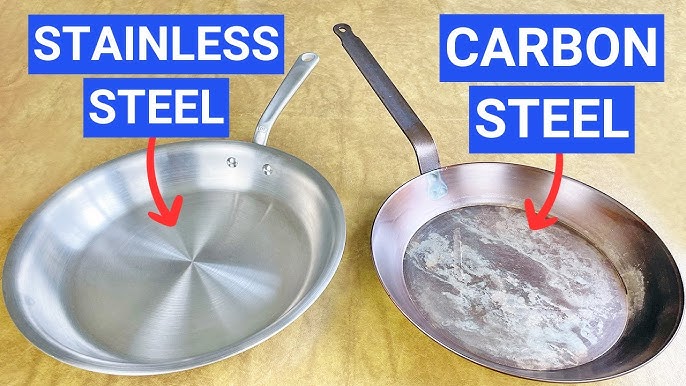
- Versus Stainless Steel: Stainless steel is more resistant to rust and corrosion but does not conduct heat as well as carbon steel.
- Versus Aluminum: Aluminum heats quickly but is softer and less durable. Carbon steel offers better strength and heat retention.
| Metal | Weight | Heat Conductivity | Durability | Maintenance |
|---|---|---|---|---|
| Carbon Steel | Medium | High | High | Requires seasoning, prone to rust |
| Cast Iron | Heavy | Medium | Very High | Requires seasoning, prone to rust |
| Stainless Steel | Medium | Medium | High | Low maintenance, rust-resistant |
| Aluminum | Light | Very High | Low | Can scratch and warp |
Carbon steel offers a balanced mix of heat control, durability, and cooking performance. It needs regular care to prevent rust and maintain its surface. Other metals may suit different cooking styles or preferences.
:max_bytes(150000):strip_icc()/faw-primary-carbon-steel-pans-test-dec-24-nsimpson-faves-e7aef5d2fe97403a9739588448d3bf26.jpg)
Credit: www.foodandwine.com
Advantages Of Carbon Steel Cookware
Carbon steel cookware offers many benefits that make it popular in kitchens worldwide. This type of cookware combines the strength of steel with a bit of carbon, creating a durable and reliable cooking tool. It heats quickly, lasts long, and works well for various cooking styles. These advantages make carbon steel a smart choice for both home cooks and professional chefs. Understanding these benefits helps you see why carbon steel cookware stands out among other options.
Durability And Strength
Carbon steel cookware is known for its exceptional durability and strength. Made from a blend of iron and carbon, it withstands heavy use without damage. This makes it ideal for tough kitchen tasks like searing meat or stir-frying vegetables.
Key points about durability and strength:
- Scratch-resistant surface: Carbon steel resists scratches better than non-stick pans.
- Warp-resistant: It keeps its shape even under high heat and rough handling.
- Long lifespan: With proper care, carbon steel pans can last for decades.
Here is a simple table comparing durability with other common cookware materials:
| Material | Durability | Scratch Resistance | Warp Resistance |
|---|---|---|---|
| Carbon Steel | High | High | High |
| Cast Iron | Very High | Medium | Medium |
| Non-stick | Low | Low | Low |
Carbon steel is strong enough to handle metal utensils and metal scrapers without damage. This toughness makes it a reliable choice in busy kitchens.
Heat Conductivity And Retention
Carbon steel is excellent at conducting and holding heat. This feature helps cooks control the temperature easily for perfect cooking results. It heats up faster than cast iron but holds heat longer than aluminum pans.
Benefits of heat conductivity and retention:
- Quick heating: Carbon steel reaches cooking temperature faster, saving time.
- Even heat distribution: It spreads heat uniformly, reducing hot spots.
- Good heat retention: Keeps food warm longer after removing from heat.
This table shows how carbon steel compares to other materials for heat properties:
| Material | Heat Conductivity | Heat Retention |
|---|---|---|
| Carbon Steel | High | Medium |
| Cast Iron | Medium | High |
| Aluminum | Very High | Low |
Because of these heat properties, carbon steel pans are perfect for recipes needing quick temperature changes. Examples include stir-frying, sautéing, and searing.
Versatility In Cooking
Carbon steel cookware works well for many cooking methods, making it very versatile. It can go from stovetop to oven without problems. This flexibility helps prepare a wide range of dishes with one pan.
Common uses of carbon steel cookware include:
- Searing and frying: Achieves a crispy, golden crust on meats and vegetables.
- Sautéing: Cooks food quickly and evenly with little oil.
- Baking: Safe for oven use to roast or bake dishes.
- Steaming and boiling: Works well with lids for steaming vegetables or boiling pasta.
Additional points about versatility:
- Lightweight compared to cast iron, easy to handle.
- Compatible with all cooktops, including induction.
- Develops a natural non-stick surface over time through seasoning.
This versatility means fewer pans are needed in the kitchen, saving space and cost.
Maintenance And Care
Carbon steel cookware is prized for its durability, heat conduction, and versatility. To keep it performing well and lasting many years, proper maintenance and care are essential. Unlike non-stick pans, carbon steel needs regular attention to maintain its natural non-stick surface and prevent damage. This section covers the key steps to care for your carbon steel pans, focusing on the seasoning process, cleaning tips, and ways to avoid rust. Following these simple practices will help your cookware stay in top shape and improve with use.
Seasoning Process
Seasoning creates a natural, non-stick coating on the surface of carbon steel cookware. This layer forms when oil bonds to the metal after heating. It protects the pan from rust and improves cooking performance.
Follow these steps for effective seasoning:
- Clean the pan: Wash with hot water and mild soap to remove factory oils.
- Dry thoroughly: Use a towel and heat the pan on the stove to remove moisture.
- Apply oil: Rub a thin layer of vegetable oil or flaxseed oil over the entire surface.
- Heat the pan: Place it upside down in an oven at 400°F (200°C) for 1 hour. Put foil below to catch drips.
- Cool down: Let the pan cool in the oven before removing it.
Repeat this seasoning process 2-3 times before the first use. Each time, the coating becomes stronger and more durable.
| Step | Action | Tip |
|---|---|---|
| 1 | Clean the pan | Use mild soap only for first cleaning |
| 2 | Dry the pan | Heat on stove to remove water fully |
| 3 | Apply oil | Use a thin, even layer |
| 4 | Heat in oven | 400°F for 1 hour, upside down |
| 5 | Cool down | Leave inside oven until fully cooled |
Cleaning Tips
Cleaning carbon steel cookware correctly helps keep its seasoning and prevents damage. Avoid harsh soaps or scrubbing tools that remove the seasoning layer.
Use these cleaning steps:
- Cool the pan: Let it cool before cleaning to avoid warping.
- Rinse with hot water: Use a soft sponge or brush to remove food bits.
- Use mild soap only if needed: Soap can strip seasoning, so use sparingly.
- For stuck-on food: Boil water in the pan to loosen residue, then scrub gently.
- Dry immediately: Use a towel and heat on stove to remove all moisture.
Do not put carbon steel pans in the dishwasher. The harsh detergents and water exposure can damage the seasoning and cause rust.
After cleaning, apply a light coat of oil to keep the surface protected until next use.
Avoiding Rust
Carbon steel is prone to rust if not cared for properly. Rust can damage your pan and shorten its life. Follow these tips to avoid rust:
- Keep the pan dry: Always dry thoroughly after washing or cooking.
- Store in a dry place: Avoid humid or wet environments that promote rust.
- Apply oil regularly: After cleaning, rub a thin oil layer on the surface.
- Re-season if rust appears: Scrub rust spots with steel wool, wash, dry, and re-season the pan.
- Avoid soaking: Do not leave the pan in water for a long time.
Rust prevention is a simple matter of keeping the pan dry and oiled. This protects the metal and keeps your cookware ready for use.
Credit: www.youtube.com
Common Uses In The Kitchen
Carbon steel cookware is a versatile tool found in many kitchens. Its unique properties make it suitable for different cooking styles. This cookware heats up quickly and holds heat well, perfect for various tasks. It is lighter than cast iron but still very strong. Many chefs prefer carbon steel for its ability to handle high heat and develop a natural non-stick surface over time.
Common uses in the kitchen include tasks that require quick heating and even cooking. Carbon steel pans adapt well to different heat sources, such as gas, electric, and induction stovetops. These pans are also great for cooking techniques that need precision and control. Below are some key uses of carbon steel cookware in everyday cooking.
Searing And Sautéing
Carbon steel pans excel at searing and sautéing because they can reach and keep high temperatures. This is essential for creating a crispy, golden crust on meats and vegetables. The pan’s fast heat response lets you adjust temperature quickly, preventing food from overcooking.
Benefits of carbon steel for searing and sautéing:
- Heats evenly to avoid hot spots
- Develops natural non-stick seasoning
- Allows easy browning without sticking
- Lightweight for quick handling
For example, searing a steak in a carbon steel pan locks in juices and flavor. Sautéing vegetables becomes easier as the pan provides direct heat and quick temperature shifts. The smooth surface also means less oil is needed.
| Cooking Task | Why Carbon Steel Works Well |
|---|---|
| Searing Meats | High heat retention creates a crust fast |
| Sautéing Vegetables | Even heat and quick temperature control |
| Stir-frying | Lightweight pan easy to toss ingredients |
Baking And Roasting
Carbon steel cookware can also be used for baking and roasting. Its ability to withstand oven temperatures makes it a great alternative to traditional bakeware. The pan distributes heat evenly, ensuring food cooks through properly without burning.
Use carbon steel pans for:
- Roasting vegetables
- Baking bread or pizza
- Cooking casseroles or frittatas
The metal’s quick heat transfer means food develops a crisp outer layer while staying tender inside. Carbon steel’s durability allows it to go from stovetop to oven without damage. This flexibility saves time and reduces the number of dishes used.
Tips for baking and roasting with carbon steel:
- Preheat the pan to ensure even cooking
- Use oven mitts as handles get hot
- Season the pan regularly to maintain non-stick qualities
Outdoor Cooking
Carbon steel cookware is popular for outdoor cooking. Its strong build and fast heating make it perfect for grills, campfires, and open flames. The pans are less fragile than ceramic or glass, so they handle rough conditions well.
Advantages of carbon steel outdoors:
- Resists warping from high heat
- Light enough to carry on camping trips
- Easy to clean after cooking on open fire
- Can be used over charcoal, wood, or gas flames
Campers and outdoor cooks use carbon steel pans to prepare everything from eggs to grilled meats. The pans develop seasoning faster outdoors due to high heat. This adds flavor and improves the cooking surface.
Practical uses for outdoor carbon steel cookware:
- Cooking breakfast over a camp stove
- Grilling vegetables or fish on a fire pit
- Simmering soups or stews in the wild
Comparing Carbon Steel To Cast Iron
Carbon steel cookware and cast iron pans are popular choices for many cooks. Both materials offer great heat retention and durability. They can last for decades with proper care. Despite these similarities, they have distinct differences that affect cooking style and kitchen use. Understanding these differences helps in choosing the right pan for your needs.
Weight And Handling
Carbon steel pans are lighter than cast iron. This makes them easier to lift and move around the kitchen. A typical 10-inch carbon steel pan weighs about 2.5 to 3 pounds. The same size cast iron pan can weigh 5 to 6 pounds or more.
Here are some key points on weight and handling:
- Carbon steel: Lightweight, easy to handle, good for quick cooking and tossing food.
- Cast iron: Heavy, sturdy, stays in place on the stove, better for slow cooking and searing.
Because carbon steel pans are lighter, they are popular for tasks that need fast movement, like stir-frying or sautéing. Cast iron’s weight gives a stable cooking surface but can be tiring to handle, especially for people with weak wrists.
| Feature | Carbon Steel | Cast Iron |
|---|---|---|
| Weight (10-inch pan) | 2.5 – 3 lbs | 5 – 6 lbs |
| Ease of Handling | Easy to lift and toss food | Heavy, less maneuverable |
| Best Use | Quick cooking, stir-fry | Slow cooking, searing |
Performance Differences
Both carbon steel and cast iron offer excellent heat retention. They heat evenly and work well on various stovetops, including induction. Carbon steel heats faster than cast iron. It also cools down quicker when removed from heat.
Carbon steel pans have a smoother surface, which can improve cooking performance. Cast iron often has a rougher texture, which helps with seasoning buildup but can make food stick more easily.
- Heat conduction: Carbon steel heats up and cools down faster.
- Non-stick properties: Both improve with seasoning, but carbon steel tends to be less sticky.
- Maintenance: Cast iron needs careful seasoning to avoid rust. Carbon steel also requires seasoning but is less prone to chipping.
Use carbon steel for tasks needing quick temperature changes, like frying eggs or vegetables. Cast iron works well for slow-cooked dishes, like stews or braises, and for creating a crisp crust on meats.
Price Considerations
Carbon steel cookware is generally less expensive than cast iron. Prices vary depending on brand, size, and quality. Entry-level carbon steel pans can cost 20-40% less than similar cast iron pans.
Here are some price points to consider:
- Carbon steel pans: $20 to $60 for a basic 10-inch pan.
- Cast iron pans: $30 to $80 for a 10-inch pan from well-known brands.
Carbon steel offers good value for those who want a versatile pan at a lower price. Cast iron can be a good investment because of its long life and durability. Both types improve with use, gaining better seasoning and cooking performance over time.
Some buyers choose based on budget, others on cooking preference. Consider how often you cook and what dishes you make most. This helps decide which pan gives the best return for your money.
:max_bytes(150000):strip_icc()/webedit_group-carbonsteel-taylor-murray-a2787ef2b9f34524abef30027755e0a5.jpg)
Credit: www.seriouseats.com
Choosing The Right Carbon Steel Cookware
Choosing the right carbon steel cookware can make a big difference in your cooking experience. Carbon steel pans heat quickly and evenly, making them perfect for many recipes. But not all carbon steel cookware is the same. Picking the best one depends on brand quality, size, shape, and your budget. This guide will help you find cookware that fits your kitchen and cooking style.
Popular Brands
Several brands offer reliable carbon steel cookware. These brands are known for quality, durability, and customer satisfaction. Choosing a trusted brand ensures you get cookware that lasts and performs well.
- Lodge: Known for sturdy pans with pre-seasoned surfaces. Great for beginners.
- Mauviel: A French brand famous for professional-grade cookware. Offers high-quality steel and craftsmanship.
- Matfer Bourgeat: Popular in commercial kitchens. Known for durable and easy-to-handle pans.
- De Buyer: Offers a wide range of carbon steel pans with natural finish or non-stick coating.
- BK Cookware: Good for everyday use with solid build and affordable prices.
Here is a quick comparison table:
| Brand | Price Range | Best For | Key Feature |
|---|---|---|---|
| Lodge | Low to Mid | Beginners, Home Cooks | Pre-seasoned, Durable |
| Mauviel | High | Professional, Serious Cooks | High-quality Steel, Craftsmanship |
| Matfer Bourgeat | Mid to High | Commercial Kitchens | Heavy-duty, Easy Handling |
| De Buyer | Mid | Everyday Cooking | Natural Finish Options |
| BK Cookware | Low to Mid | Casual Cooking | Affordable, Solid Build |
Size And Shape Options
Carbon steel cookware comes in many sizes and shapes. The right size and shape depend on your cooking needs and kitchen space. Choosing well helps you cook efficiently and store your pans easily.
Common sizes range from 8 inches to 12 inches in diameter. Smaller pans suit cooking for one or two people. Larger pans work well for families or batch cooking.
- Skillets/Frying Pans: Most popular. Ideal for sautéing, frying, and searing.
- Saucepans: Good for sauces, boiling, and small stews.
- Griddles: Flat and large, perfect for pancakes and grilling.
- Woks: Deep and round, great for stir-frying.
Consider shape and depth:
- Shallow pans heat evenly and allow quick cooking.
- Deeper pans hold liquids and larger meals better.
Here’s a helpful size guide:
| Size (Diameter) | Recommended Use | Servings |
|---|---|---|
| 8 inches | Small meals, eggs, single servings | 1-2 |
| 10 inches | Everyday use, versatile cooking | 2-4 |
| 12 inches | Large meals, family cooking | 4+ |
Budget Tips
Carbon steel cookware fits many budgets. Understanding price points helps find the best pan without overspending. Good quality does not always mean the highest price.
Follow these tips to save money:
- Start Small: Buy one versatile pan to test how you like it.
- Look for Sales: Seasonal sales and discounts can lower costs.
- Check Material Thickness: Thicker pans last longer but cost more.
- Consider Pre-seasoned Pans: They save time and effort.
- Read Reviews: Find affordable brands with good feedback.
Budget guide example:
| Price Range | What to Expect | Recommended Brands |
|---|---|---|
| Under $40 | Basic pans, thinner steel, may need seasoning | Lodge, BK Cookware |
| $40 – $100 | Good quality, thicker steel, some pre-seasoned | De Buyer, Lodge |
| Above $100 | Professional-grade, thick steel, handcrafted | Mauviel, Matfer Bourgeat |
Frequently Asked Questions
What Is Carbon Steel Cookware Made Of?
Carbon steel cookware is made from a blend of iron and carbon. This mix makes it strong, durable, and ideal for cooking. It heats quickly and evenly, making it perfect for searing and frying.
How Does Carbon Steel Compare To Cast Iron?
Carbon steel heats faster and is lighter than cast iron. It also responds better to temperature changes. Both are durable, but carbon steel requires less seasoning and is easier to handle.
Is Carbon Steel Cookware Non-stick?
With proper seasoning, carbon steel cookware develops a natural non-stick surface. This coating improves over time with regular use and maintenance, reducing food sticking and making cooking easier.
How Do You Care For Carbon Steel Cookware?
Clean carbon steel cookware with warm water and a soft sponge. Avoid soap and drying it immediately to prevent rust. Season it regularly to maintain its non-stick surface and durability.
Conclusion
Carbon steel cookware offers a strong and versatile option for cooking. It heats quickly and lasts a long time with proper care. This cookware works well for frying, sautéing, and baking. It also becomes non-stick after regular use. Many chefs and home cooks appreciate its performance.
Choosing carbon steel means investing in durable kitchen tools. It suits many cooking styles and recipes. Simple to clean and maintain, it fits any kitchen. Overall, carbon steel cookware brings quality and value to cooking.

Hello, This is Annie Walker, a 38-year-old blogger, founder, and editor of Cookware Guider from NY, USA. I am a cookware fanatic and passionate cooker. I love to cook with different types of cooking appliances (example: all types of cookware, rice cookers, slow cookers, etc) almost every day in my kitchen. I love to share my experience with my readers in my blog. Also, I enjoy helping people to solve their problems through my website. You can follow me on Twitter & Pinterest. To know details about my blog please check the about us page.