
Are you wondering if your Teflon coated cookware is safe to use every day? You’re not alone.
Many people love how easy it is to cook with and clean, but questions about health risks often come up. What exactly is Teflon, and could it be harming you or your family? You’ll discover the facts behind the coating, how it behaves when heated, and what experts say about its safety.
By the end, you’ll know exactly how to protect yourself while enjoying your favorite meals. Keep reading to clear up the confusion and make smart choices in your kitchen.
Teflon Coating Basics
Teflon coating basics help us understand if Teflon coated cookware is safe to use. Teflon is a popular non-stick surface found in many kitchens. It makes cooking easier by preventing food from sticking to pans. Knowing what Teflon is and how it is applied helps you make smart choices about cookware. This section explains Teflon’s properties and how manufacturers add it to pots and pans.
What Is Teflon?
Teflon is a brand name for a chemical called polytetrafluoroethylene (PTFE). PTFE is a synthetic material known for its very low friction. It means food slides off easily when cooking. Teflon is heat-resistant and does not react with most chemicals, making it safe for food contact under normal use.
Key features of Teflon include:
- Non-stick surface: Food does not stick to it, so cooking and cleaning become easier.
- Heat resistance: Can handle temperatures up to about 260°C (500°F) without breaking down.
- Chemical stability: Does not change or release harmful substances at normal cooking temperatures.
- Durability: Resists wear and tear but can be scratched by metal utensils.
| Property | Details |
|---|---|
| Chemical Name | Polytetrafluoroethylene (PTFE) |
| Common Use | Non-stick cookware coating |
| Maximum Safe Temperature | About 260°C (500°F) |
| Resistance | Heat, chemicals, and corrosion |
Using Teflon-coated pans properly means avoiding very high heat and scratching. This keeps the coating intact and safe for cooking.
How Teflon Is Applied
Teflon coating is added to cookware through a careful process. The goal is to create a smooth, even layer that sticks well to the pan surface. Manufacturers follow specific steps to ensure durability and safety.
Typical steps in applying Teflon include:
- Cleaning the surface: The pan is cleaned to remove dirt, oils, or metals that can prevent adhesion.
- Applying a primer: A base layer helps the Teflon stick better to the metal pan.
- Spraying or rolling PTFE: The Teflon material is sprayed or rolled onto the pan in thin layers.
- Curing the coating: The pan is heated in an oven to harden the Teflon and bond it firmly.
- Quality checking: The coated cookware is inspected for smoothness and even coverage.
Below is a simple table showing these steps:
| Step | Description |
|---|---|
| 1. Cleaning | Remove grease and dirt from cookware surface |
| 2. Primer | Apply base layer to improve Teflon adhesion |
| 3. Coating | Spray or roll PTFE evenly on the pan |
| 4. Curing | Heat to harden and bond the Teflon layer |
| 5. Inspection | Check for smoothness and coverage |
Proper application ensures Teflon coating is smooth and durable. It helps cookware resist scratches and heat damage. Proper use and care keep the coating safe and effective for many cooking sessions.

Credit: food.ndtv.com
Health Concerns
Health concerns around Teflon coated cookware often arise from its chemical makeup and how it reacts under heat. Many people wonder if using these pans can harm their health. Understanding the chemicals involved and what happens when the cookware overheats helps clear confusion. This section explains key facts about Teflon’s safety.
Chemical Composition
Teflon is a brand name for a substance called polytetrafluoroethylene (PTFE). PTFE is a synthetic polymer that creates a slick, non-stick surface. It makes cooking and cleaning easier by preventing food from sticking.
The main points about Teflon’s chemical structure:
- PTFE consists of carbon and fluorine atoms.
- It is very stable and does not break down easily under normal cooking temperatures.
- Teflon does not mix with food or liquids, so it stays on the pan’s surface.
- It is non-toxic and approved by food safety agencies for use in cookware.
Some older Teflon pans were made using a chemical called perfluorooctanoic acid (PFOA). PFOA was used during manufacturing but was mostly removed by 2015 due to health concerns. Modern Teflon cookware is generally PFOA-free.
| Chemical | Description | Health Status |
|---|---|---|
| PTFE | Non-stick coating polymer | Safe at normal cooking temperatures |
| PFOA | Manufacturing aid chemical | Removed from most cookware; linked to health risks |
Summary: The main ingredient, PTFE, is safe for cooking. Concerns mainly come from overheating or old pans made with PFOA.
Potential Risks When Overheated
Teflon pans are safe if used properly. Problems occur if the pan gets too hot, usually above 500°F (260°C). At very high heat, the Teflon coating can break down and release toxic fumes.
These fumes may cause polymer fume fever, a flu-like illness. Symptoms include:
- Fever
- Chills
- Headache
- Coughing
- Chest tightness
Birds are especially sensitive to these fumes and can die from exposure.
Key tips to avoid risks:
- Do not heat an empty Teflon pan.
- Use low to medium heat for cooking.
- Ventilate the kitchen well while cooking.
- Replace pans that show signs of peeling or damage.
Here is a quick temperature guide for Teflon cookware safety:
| Temperature | Effect on Teflon | Safety Advice |
|---|---|---|
| Below 500°F (260°C) | Safe, no toxic fumes | Use normal cooking heat |
| 500°F to 660°F (260°C to 350°C) | Start of polymer breakdown | Avoid heating empty pan |
| Above 660°F (350°C) | Release of toxic fumes | Do not use Teflon cookware |
Note: Most home cooking stays well below dangerous temperatures. Following proper use keeps cooking safe with Teflon pans.
Safety Guidelines
Teflon coated cookware offers convenience with its non-stick surface, but safety depends on how it is used. Following safety guidelines helps keep the coating intact and prevents harmful fumes. Proper care extends the life of the cookware and protects your health. Below are key safety tips focused on cooking temperatures and handling to avoid damage.
Proper Cooking Temperatures
Maintaining the correct cooking temperature is crucial for safe use of Teflon coated cookware. High heat can break down the coating, releasing toxic fumes. These fumes may cause flu-like symptoms known as “polymer fume fever.”
Keep these points in mind to ensure safe temperature use:
- Cook on low to medium heat. Most Teflon pans work well below 500°F (260°C).
- Avoid preheating empty pans for long periods. This can cause the pan to overheat quickly.
- Use a thermometer for accuracy. Some stoves run hotter than their settings indicate.
The following table shows safe temperature ranges for Teflon cookware:
| Temperature Range | Cooking Use | Safety Notes |
|---|---|---|
| Below 300°F (150°C) | Simmering, warming | Safe for all Teflon pans |
| 300-400°F (150-205°C) | Sauteing, frying | Safe if not left empty on heat |
| Above 500°F (260°C) | High-heat searing | Not recommended; risks toxic fumes |
Follow these guidelines to prevent damage and health risks from overheating.
Avoiding Scratches And Damage
Scratches can ruin the non-stick surface of Teflon cookware. Damaged coatings may peel and mix with food, reducing safety and effectiveness. Proper handling preserves the coating and extends pan life.
Use these tips to avoid scratches and damage:
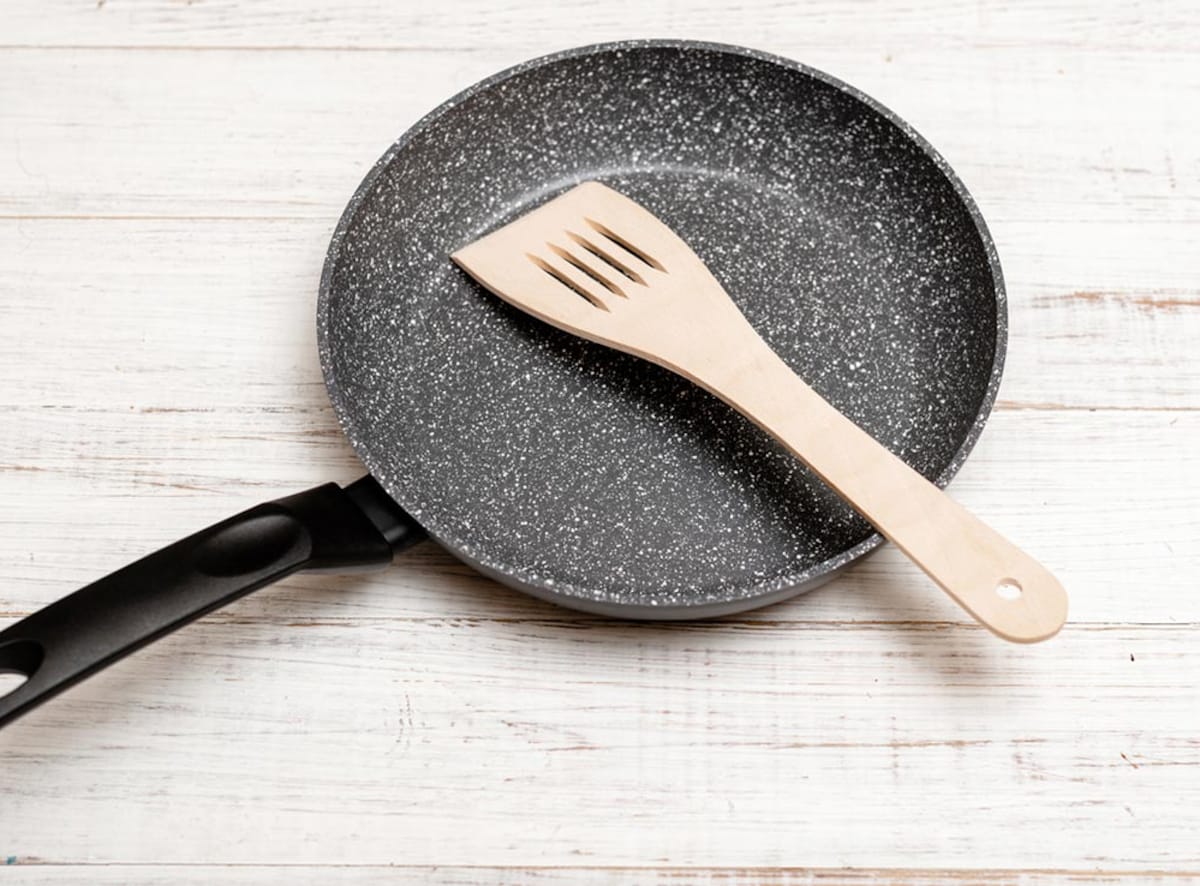
- Choose soft utensils. Use wood, silicone, or plastic tools instead of metal.
- Clean gently. Avoid abrasive scrubbers; use soft sponges and mild soap.
- Store properly. Stack pans with paper towels or cloth between them.
- Do not cut food in the pan. Use a cutting board instead.
The following table lists common causes of damage and how to avoid them:
| Cause of Damage | How to Avoid |
|---|---|
| Using metal utensils | Switch to wooden or silicone tools |
| Scrubbing with steel wool | Use soft sponges or cloths |
| Stacking pans without protection | Place soft liners between pans |
| Cutting food inside the pan | Always cut on a board |
Following these steps keeps Teflon pans safe and functional for years.
Credit: food.ndtv.com
Alternatives To Teflon
Many people worry about the safety of Teflon-coated cookware. Teflon can release harmful fumes if overheated. This has led to a search for safer cooking options. Several alternatives offer non-stick benefits without the risks linked to Teflon. These choices suit different cooking styles and budgets. They also last long and keep your food healthy.
Ceramic Coated Cookware
Ceramic coated cookware is a popular alternative to Teflon. It uses a layer of ceramic to create a non-stick surface. This coating is free from harmful chemicals like PTFE and PFOA. Ceramic pans heat evenly and allow easy food release.
Benefits of ceramic coated cookware:
- Non-toxic and environmentally friendly
- Good heat distribution
- Easy to clean with warm water and mild soap
- Works well for low to medium heat cooking
- Available in many styles and price points
It is important to avoid using metal utensils on ceramic coatings. Sharp tools can scratch and damage the surface. Using wooden or silicone utensils helps keep the coating intact.
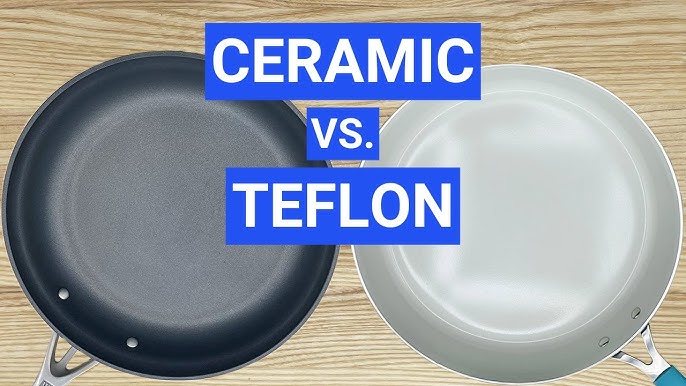
| Feature | Ceramic Coated Cookware | Teflon Coated Cookware |
|---|---|---|
| Non-stick Quality | Good, but may degrade over time | Excellent, but risk of fumes if overheated |
| Heat Resistance | Up to 450°F (232°C) | Up to 500°F (260°C), but unsafe above 350°F (177°C) |
| Safety | Non-toxic and safe | May release toxic fumes if overheated |
| Cleaning | Easy with mild detergent | Easy, but avoid abrasive cleaning |
Stainless Steel Options
Stainless steel cookware is a strong and safe choice. It does not have a non-stick coating but can still be easy to cook with. Heat spreads evenly through stainless steel, which helps food cook well.
Advantages of stainless steel cookware:
- Highly durable and resistant to scratches
- Non-reactive with acidic or alkaline foods
- Suitable for high heat cooking and browning
- Oven safe and dishwasher safe
- Long-lasting and often recyclable
Cooking with stainless steel requires some care. To prevent sticking, preheat the pan and add enough oil before food. Patience helps. Food releases when the pan is at the right temperature.
Here are tips to avoid food sticking:
- Heat the pan on medium heat for 2-3 minutes.
- Add a small amount of oil and let it heat until shimmering.
- Place food gently and do not move it too soon.
Stainless steel cookware fits many kitchens. It suits all cooking styles, from frying to simmering. It can be a healthy and eco-friendly choice for daily use.
Regulations And Standards
Teflon coated cookware is popular for its non-stick surface and easy cleaning. Many people ask if it is safe to use. Safety depends on strict rules and tests set by governments and industries. These regulations and standards help protect users from harmful chemicals and unsafe materials. Understanding these rules shows how Teflon cookware meets safety needs and what limits control its use.
Government Safety Limits
Governments set clear safety limits for chemicals in Teflon coated cookware. These limits control substances like PFOA (perfluorooctanoic acid), once used in Teflon production. PFOA can be harmful if released at high levels. Most countries now ban or limit PFOA in cookware.
Key government safety rules include:
- Maximum allowed chemical levels: Limits on toxic substances in coatings.
- Testing before sale: Cookware must pass safety tests before reaching stores.
- Labeling requirements: Clear instructions and warnings on packaging.
For example, the U.S. Environmental Protection Agency (EPA) set a goal to eliminate PFOA by 2015. The European Union also restricts PFOA under REACH regulations.
| Country/Region | Regulation | Focus | Limit or Ban |
|---|---|---|---|
| USA | EPA PFOA Stewardship Program | Eliminate PFOA in products | Complete phase-out by 2015 |
| European Union | REACH Regulation | Control hazardous chemicals | Strict limits on PFOA use |
| Japan | Food Sanitation Act | Safe materials for cookware | Approved substances only |
These laws protect users by ensuring Teflon cookware contains safe chemical levels. Buyers can trust products that meet these limits.
Industry Testing Procedures
Manufacturers must test Teflon cookware to meet safety standards. Testing checks chemical release, heat resistance, and durability. These tests help find any risk before products reach consumers.
Common industry tests include:
- Thermal Stability Test: Measures coating performance at high temperatures.
- Toxicity Test: Checks for harmful chemical release during use.
- Adhesion Test: Ensures coating sticks well to cookware surface.
- Wear and Scratch Test: Simulates daily use to check coating durability.
Many companies follow standards set by organizations like ASTM International and ISO. These standards provide clear procedures and limits.
| Test Type | Purpose | Standard Organization |
|---|---|---|
| Thermal Stability | Check coating safety under heat | ASTM F2322 |
| Toxicity | Detect chemical release | ISO 10993 |
| Adhesion | Test coating bond strength | ISO 2409 |
| Wear and Scratch | Assess coating durability | ASTM D4060 |
Strict testing ensures Teflon cookware stays safe during cooking. It reduces risks of toxic fumes or coating damage.
Credit: www.youtube.com
Consumer Experiences
Many people want to know if Teflon coated cookware is safe to use. Consumer experiences give useful insights into this question. People share real stories about using these pans every day. These stories help others understand the pros and cons of Teflon cookware. Listening to user experiences shows how safe, durable, and easy to use these pans can be.
User Reviews
Users often mention how easy Teflon cookware is for cooking. The non-stick surface means food does not stick, making cleaning fast and simple. Many say these pans save time and effort in the kitchen. Some users report using the same pan for years without problems.
- Easy cleaning: Most users find wiping the pan clean very quick.
- Good for low-fat cooking: Less oil is needed, which helps healthy meals.
- Lightweight design: Many appreciate how easy the pans are to handle.
Still, some users worry about the coating wearing off. Few mention that if the pan gets scratched, it can lose its non-stick power. Many say they avoid metal utensils to protect the surface.
| Feature | Positive Comments | Negative Comments |
|---|---|---|
| Non-stick coating | Works well, easy cooking | Scratches if not careful |
| Cleaning | Quick and simple | Some say residue builds up |
| Durability | Lasts for years with care | Coating can peel after long use |
Common Complaints And Praise
Many users praise Teflon cookware for its convenience. The smooth surface means food slides off easily. This reduces the need for oil or butter in cooking. Users say this helps make meals healthier and lowers calories.
Complaints often focus on damage to the coating. Scratches and chips can happen if metal tools are used. Some users report that overheating the pan damages the surface. This can release unpleasant smells and reduce safety.
- Praise: Easy to clean and cook with.
- Praise: Saves oil and makes healthier food.
- Complaint: Coating scratches easily.
- Complaint: Can peel or flake after heavy use.
- Complaint: Unsafe if overheated.
Some users suggest following care tips strictly. Use wooden or silicone utensils. Avoid high heat and sudden temperature changes. These steps help keep the coating safe and extend the pan’s life. Many who follow these tips report better results and longer use.
Frequently Asked Questions
Is Teflon Coated Cookware Safe For Daily Use?
Teflon cookware is safe when used correctly. Avoid overheating above 500°F to prevent toxic fumes. Use non-metal utensils to protect the coating and ensure longevity.
Can Teflon Cookware Release Harmful Chemicals?
Overheated Teflon can release fumes harmful to birds and humans. Normal cooking temperatures do not release dangerous chemicals, making it generally safe for everyday use.
How To Maintain Teflon Cookware Safely?
Use low to medium heat and avoid metal utensils. Hand wash gently with non-abrasive sponges. Proper care prevents coating damage and ensures safe cooking.
Does Teflon Coating Wear Off Over Time?
Yes, Teflon coatings can wear off after years of use. Replace cookware if the coating peels or scratches to avoid ingesting flakes and maintain safety.
Conclusion
Teflon coated cookware is generally safe when used correctly. Avoid heating it above the recommended temperature. Scratches can release harmful chemicals, so use soft utensils. Proper care helps keep the coating intact longer. Many people enjoy cooking with Teflon without problems.
Still, choose good quality pans and follow instructions. Safety depends on how you handle the cookware. Now you can decide if Teflon fits your kitchen needs. Simple habits make cooking safer and easier.

Hello, This is Annie Walker, a 38-year-old blogger, founder, and editor of Cookware Guider from NY, USA. I am a cookware fanatic and passionate cooker. I love to cook with different types of cooking appliances (example: all types of cookware, rice cookers, slow cookers, etc) almost every day in my kitchen. I love to share my experience with my readers in my blog. Also, I enjoy helping people to solve their problems through my website. You can follow me on Twitter & Pinterest. To know details about my blog please check the about us page.