
You create Thai Iced Tea by steeping strong black tea with star anise and tamarind, then stirring in sweetened condensed milk before pouring it over ice. This Thai Iced Tea How To Make process relies on the ratio of one cup of hot water to two tablespoons of loose-leaf Thai tea mix, sweetened with two tablespoons of condensed milk. The final taste and color vary based on the specific tea blend you choose and the amount of dairy added to the final glass.
Who makes Thai iced tea
People who love bold, creamy, and spiced drinks often seek out this recipe. It serves those who already own a fine-mesh strainer or a cloth filter bag, as these tools are essential for keeping the tea grit out of the final glass. If you’re someone who enjoys coffee-shop style drinks but wants to control the sugar levels at home, this guide is for you.
This page assumes you have access to specialized Thai tea mix, which often contains added food coloring and spices like star anise. If you’re using standard black tea bags, the flavor will be significantly different and lack the signature orange hue. If you’re looking for a simple herbal tea recipe, this page isn’t the right choice for you. The instructions here focus on the traditional method, which requires a specific balance of heat and steep time to extract the right level of tannins without making the tea taste bitter. We assume you have a kettle and a way to measure small amounts of liquid accurately.
What Decides The Outcome
The tea-to-water ratio determines the strength of your base, which must be strong enough to stand up to the heavy sweetness of the milk. If you use too much water, the drink becomes watery once the ice melts; if you use too little, the tea turns unpleasantly bitter. The standard is one cup of water for every two tablespoons of loose tea, but you should adjust this if your specific brand of tea mix is extra fine.
Steep time is the second factor, and it changes the flavor profile significantly. Steeping for more than five minutes often pulls out harsh, astringent compounds that ruin the smooth finish of the drink. Always set a timer for exactly four minutes to ensure a balanced extraction.
The type of sweetener matters most for the final texture. Sweetened condensed milk provides the necessary fat and sugar to create the “creamy” mouthfeel, while evaporated milk or coconut milk are often added on top for a layered look. If you skip the condensed milk, you won’t achieve the authentic flavor profile.
Finally, the ice level affects how quickly the drink dilutes. Use large, solid ice cubes rather than crushed ice, as large cubes melt more slowly, keeping the tea concentrated for longer. Most people make the mistake of using warm tea poured over a small amount of ice, which results in a lukewarm, watered-down beverage.
Making The Drink At Home
- Boil 8 ounces of water in a kettle until it reaches a rolling boil.
- Place 2 tablespoons of Thai tea mix into a fine-mesh strainer or cloth filter.
- Pour the boiling water over the tea leaves into a heat-proof glass or pitcher.
- Let the tea steep for exactly 4 minutes, then remove the strainer.
- Stir in 2 tablespoons of sweetened condensed milk while the tea is still hot.
- Taste the mixture; if it’s too strong, add 1 tablespoon of hot water.
- Fill a tall glass to the brim with large ice cubes.
- Pour the tea mixture slowly over the ice, leaving 1 inch of space at the top.
- Drizzle 1 tablespoon of evaporated milk or coconut milk over the top for the signature layered effect.
- Stir gently once before drinking.
The key to a professional result is the temperature of the tea when you add the ice. The tea must be hot enough to dissolve the condensed milk completely, but it shouldn’t be boiling when it hits the ice, as this causes instant, uneven melting. Always ensure the tea is fully chilled by the ice before you take the first sip. If you’re concerned about pathogens in your water supply, check the CDC guide on water treatment to ensure your base liquid is safe for consumption.
The Variations At A Glance
| Situation | What To Do | What It Takes | Watch For |
|---|---|---|---|
| Standard Serving | Follow base recipe | 6 minutes | Proper color |
| Dairy-Free | Use coconut milk | 6 minutes | Separation |
| Extra Strong | Add more tea | 8 minutes | Bitterness |
| Low Sugar | Reduce condensed milk | 6 minutes | Thin texture |
| Large Batch | Multiply all parts | 10 minutes | Even mixing |
The standard serving assumes a 12-ounce glass.
When swapping for coconut milk, choose full-fat canned varieties. Light versions lack the necessary proteins to emulsify, which causes the drink to separate into watery layers within minutes.
For the extra strong variation, don’t simply boil the tea longer. This releases excessive tannins that create a harsh, astringent mouthfeel. Instead, use 1.5 times the dry leaf count. If the brew tastes sharp, add a pinch of salt to neutralize the bitterness.
Low sugar adjustments often lead to a watery consistency. If the texture feels thin, incorporate a teaspoon of heavy cream or a plant-based thickener to restore the mouthfeel.
When preparing large batches, never mix ingredients directly in the serving glass. Use a dedicated pitcher to ensure the condensed milk integrates fully. Failure to do this leaves a thick, sugary sludge at the bottom of the final cup, ruining the balance of the entire batch.
Achieving The Best Texture
Managing The Steep
Experienced makers understand that the tea leaves contain tannins that release quickly in high heat. If you leave the tea in the water for longer than five minutes, the liquid will turn dark and sharp. Start checking the flavor at three minutes; if it’s strong enough for your preference, remove the leaves immediately. Using a thermometer isn’t necessary, but you should look for a deep, dark amber color as the primary sign of readiness.
Achieving The Layer
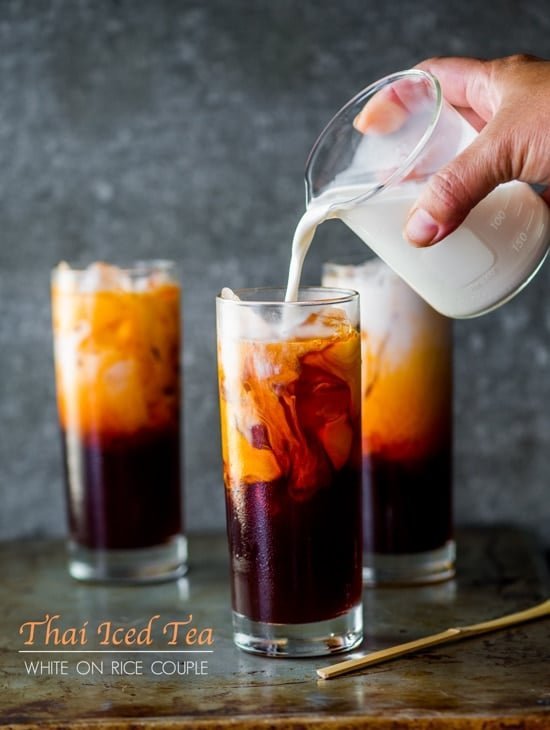
The visual appeal of the drink comes from the specific gravity of the liquids. Because sweetened condensed milk is denser than the tea, it sinks to the bottom if you don’t stir it well. When you pour the evaporated milk on top at the very end, it stays near the surface because it has a different fat content and density. The drink is properly finished when you see a clear transition from the dark, spiced tea at the bottom to the creamy, white layer at the top.
Common Issues And Fixes
| What You Notice | What It Means | What To Do First | How To Stop It |
|---|---|---|---|
| Too Bitter | Over-steeped leaves | Add more milk | Use a timer |
| Too Watery | Too much ice | Drain excess water | Use larger cubes |
| Grainy Texture | Undissolved sugar | Stir while hot | Use hotter water |
| Pale Color | Weak tea mix | Add more leaves | Buy quality brand |
| Separated Milk | Cold tea mix | Reheat tea | Add milk to hot tea |
Bitterness often stems from tannins leaching into the water after five minutes of steeping. If your brew tastes astringent, check your water temperature; boiling water scorches delicate green leaves. Use 175°F for green tea and 205°F for black varieties.
Watery tea is frequently a result of ice melt dilution.
Grainy textures occur when sugar hits a saturation point in tepid liquid. If you must sweeten cold tea, create a simple syrup on the stove first.
Pale color suggests your leaf-to-water ratio is insufficient. Use one rounded teaspoon of loose leaf per eight ounces of water. If the color remains thin, your leaves may be stale. Store tea in an airtight, opaque container away from sunlight to preserve essential oils.
Separated milk is a chemical reaction caused by pouring cold dairy into acidic tea. To avoid curdling, temper your milk by adding a small amount of warm tea to the dairy before combining the two. If the mixture looks grainy, discard it; the proteins have curdled due to the acidity of the tea.
Legal And Safety Standards
When preparing beverages at home, you must follow the food safety guidelines provided by the USDA. Cooked or processed dairy products like sweetened condensed milk are perishable once opened and must be refrigerated immediately to prevent bacterial growth. Never leave a can of condensed milk on the counter for more than two hours, as high-sugar environments can still support mold or bacteria if the temperature rises above 40°F. If you’re preparing this for a public event or a business, you must consult your local health department for specific licensing requirements, as regulations vary by state and municipality regarding the handling of tea and dairy. Always store your open milk in a clean, airtight container to prevent cross-contamination with other items in your refrigerator.
The Cost Of The Drink
The cost of this drink depends on the quality of the Thai tea mix you purchase. Bulk tea mixes are more economical than small tins, but they require proper storage in a cool, dry place to maintain their flavor.
You should expect to spend a small amount per serving, depending on the price of the condensed milk and the specific tea blend. The biggest cost factor is the amount of dairy used; using premium coconut milk or high-fat evaporated milk will increase the price per glass by a minor amount.
Most home brewers make the mistake of buying pre-sweetened tea kits. These kits save time but often cost significantly more per ounce as raw loose-leaf tea. If you drink more than three glasses a week, switching to raw leaves will save you a notable amount annually.
Compare the prices at your local specialty grocery store to see current market rates, as these fluctuate based on import costs. If your local shop marks up imported goods by more than twenty percent, look for online wholesalers. Use this decision rule: if you value convenience, buy the pre-mixed kits; if you want the lowest cost per serving, buy loose tea and condensed milk separately.
Keeping It Right Afterwards
Once you have prepared the tea base, you can keep it in the refrigerator for up to 48 hours. Store the liquid in a glass container with a tight lid to prevent it from picking up odors from other foods. Glass is essential because plastic often retains lingering scents from previous contents that can ruin the delicate spice profile.
If you see a thin film or notice a sour smell, discard the mixture immediately. This indicates bacterial growth or fermentation, which happens faster if the container wasn’t sealed airtight. When you’re ready to serve, stir the base well, as the spices and tea solids will settle at the bottom of the container.
Don’t add ice to the storage container, as this will dilute the flavor as it sits. If you need the tea chilled quickly, pour the base into a shaker with ice and strain it into a fresh glass instead.
If the tea has been in the fridge for more than two days, it’s safer to discard it and make a fresh batch. Many people make the mistake of tasting the tea to check for freshness, but pathogens that cause foodborne illness don’t always alter the flavor. If you can’t remember exactly when you brewed the batch, follow the rule of thumb: when in doubt, pour it out.
When To Avoid This Method
If you have a severe dairy allergy, this traditional method isn’t suitable for you, even with substitutes. You should instead look for recipes that use nut-based creams or specialized vegan condensed milk alternatives that are certified safe for your specific allergy.
If you’re sensitive to caffeine, avoid using standard Thai tea mixes, as they’re based on strong black tea that contains high levels of caffeine. In these cases, look for herbal rooibos-based tea blends that mimic the flavor without the stimulant effects.
A common mistake is assuming “non-dairy” creamer is safe for those with milk protein allergies. Many non-dairy creamers contain casein, a milk derivative that can trigger severe reactions. Always check the ingredient list for the word “caseinate” before proceeding.
If you’re unsure about ingredients, always read the manufacturer’s label on the tea package. Some pre-mixed blends contain hidden allergens or artificial dyes like Yellow 5 or 6 that may not be compatible with your dietary needs.
Use this simple decision rule: If the label lists “casein” or “whey,” put it back immediately. If the label only lists “natural flavors,” contact the manufacturer to verify the source. If you can’t get a clear answer, choose a single-origin black tea and add your own verified sweeteners. This adds five minutes to your prep time but eliminates the risk of an accidental reaction.
Frequently Asked Questions
Can I use regular black tea?
Yes, but the flavor will be different. You’ll need to add star anise, cardamom, or vanilla extract to the water to mimic the traditional spiced profile of Thai tea. It won’t have the signature orange color unless you add food coloring, which is standard in the authentic pre-mixed blends.
Is it safe to drink this every day?
Yes, it’s safe as long as you account for the high sugar and calorie content of the sweetened condensed milk. If you have concerns about your daily sugar intake, consult the nutritional guidelines provided by your local health department or a registered dietitian to see how it fits into your diet.
How long does the tea stay fresh?
The brewed tea base stays fresh for up to 48 hours when kept in an airtight container in the refrigerator. After 48 hours, the quality of the tea will degrade, and the risk of bacterial growth in the dairy mixture increases, so it’s best to discard any leftovers.
What happens if I use boiling water on the ice?
The ice will melt almost instantly, which will water down your tea and ruin the flavor balance. Always let the hot tea sit for a minute or stir in your milk first to lower the temperature slightly before pouring it over the ice cubes.
Does it matter what kind of ice I use?
Yes, it matters because smaller ice chips melt faster and dilute the drink too quickly. Use large, solid ice cubes to ensure the drink stays cold without becoming watery, which keeps the concentration of the tea and milk consistent until you finish the glass.
Is it safe to leave the tea out?
No, it isn’t safe to leave the tea out at room temperature for more than two hours. Because the drink contains dairy, it’s a perishable product that can harbor bacteria if it stays in the danger zone between 40°F and 140°F, so keep it chilled until you serve it.
Thai Iced, in short
Start by brewing your tea base with high-quality leaves to ensure the best flavor extraction. You’ll know the drink is successful when the tea creates a perfect, layered look against the white milk when poured over ice. If the mixture tastes overly bitter or thin, stop and adjust your steep time or water ratio before continuing.

Hello, This is Annie Walker, a 38-year-old blogger, founder, and editor of Cookware Guider from NY, USA. I am a cookware fanatic and passionate cooker. I love to cook with different types of cooking appliances (example: all types of cookware, rice cookers, slow cookers, etc) almost every day in my kitchen. I love to share my experience with my readers in my blog. Also, I enjoy helping people to solve their problems through my website. You can follow me on Twitter & Pinterest. To know details about my blog please check the about us page.