
Choosing the right cookware for your induction cooktop can make all the difference in how well your meals turn out. If you’ve ever struggled with pots that don’t heat evenly or pans that just won’t work on your stove, you know how frustrating it can be.
But don’t worry—finding the best cookware for induction cooktops is easier than you think. You’ll discover exactly what materials and features to look for to get the most from your cooking. By the end, you’ll be confident in picking the perfect pots and pans that save you time, energy, and stress every time you cook.
Keep reading to unlock the secret to cooking success with your induction cooktop!
How Induction Cooktops Work
Induction cooktops use a unique method to heat cookware. Unlike gas or electric stoves, they create heat directly in the pan. This process is quick and energy-efficient. It also keeps the cooktop surface cooler than other methods.
The secret behind induction cooking is electromagnetic energy. This energy generates heat inside the cookware itself. The cooktop has a coil of copper wire beneath its surface. When you turn it on, an alternating electric current flows through the coil.
This current creates a magnetic field. The magnetic field passes through the cooktop’s glass surface. It then induces electric currents called eddy currents inside the pan. These currents heat the metal of the cookware, cooking the food.
Magnetic Field Creation
The induction cooktop’s coil produces a magnetic field. This field changes direction very fast. It passes through the glass surface without heating it up. The magnetic field affects only the cookware above it.
Heating The Cookware Directly
The magnetic field causes tiny currents inside the cookware. These currents heat the metal directly. This is why the pan gets hot, not the cooktop surface. It makes cooking faster and safer.
Compatible Cookware Materials
Cookware must be made of magnetic materials to work. Iron and some stainless steel pans work best. Aluminum, copper, and glass do not heat up on induction cooktops. Magnetic cookware lets the induction process work properly.
Key Features For Induction Cookware
Choosing the right cookware for induction cooktops depends on several important features. These features affect how well your cookware works and lasts. Understanding these key points helps you pick the best pots and pans for your kitchen.
Magnetic Compatibility
Induction cooktops need cookware with magnetic bases. This means the bottom must attract a magnet. If the cookware is not magnetic, it will not heat. Cast iron and some stainless steel pots work well. Aluminum or glass pans usually do not work unless they have a magnetic layer.
Material Durability
Durable materials last longer and resist damage. Stainless steel and cast iron are strong choices. They can handle high heat and heavy use. Avoid cookware that easily scratches or warps. Good durability means your cookware stays safe and useful for many years.
Heat Distribution
Even heat spread helps cook food properly. Look for cookware with a thick, flat base. This prevents hot spots and burning. Copper and aluminum cores under stainless steel improve heat flow. Proper heat distribution saves energy and improves cooking results.
Ease Of Cleaning
Cookware that cleans easily saves time and effort. Smooth surfaces and non-stick coatings help. Stainless steel also cleans well but may need more scrubbing. Avoid cookware that traps food or stains quickly. Easy cleaning keeps your kitchen neat and your cookware ready to use.
Best Cookware Materials For Induction
Choosing the right cookware material is key for induction cooktops. Not all materials work well with induction technology. Cookware must have a magnetic base to heat properly. Some materials stand out for their performance and durability. Below are the best options for induction cooking.
Cast Iron
Cast iron is very magnetic and heats evenly. It holds heat well, making cooking steady and consistent. Heavy but durable, it works great for slow cooking and frying. Seasoning cast iron adds a natural non-stick surface. It may take longer to heat but keeps warmth for a long time.
Stainless Steel
Stainless steel is a popular choice for induction cooktops. It is strong, lightweight, and resists rust and stains. Look for stainless steel with a magnetic base or layer. It heats quickly and cooks food evenly. This material is easy to clean and maintain. It works well for many cooking styles.
Enameled Steel
Enameled steel pans have a smooth, colorful coating. This enamel protects the steel from rust and wear. The steel base is magnetic, perfect for induction heat. These pans heat fast and clean easily. They also do not react with acidic foods. Great for boiling, frying, and simmering.
Carbon Steel
Carbon steel heats quickly and responds well to temperature changes. It is lighter than cast iron but just as magnetic. Season it to create a non-stick surface. This material is excellent for searing and frying. Carbon steel pans become better with use and care.
:max_bytes(150000):strip_icc()/sea-product-isiler-portable-induction-cooktop-nsimpson-1795-68411df5aed6414c826934fd03295f00.jpeg)
Credit: www.seriouseats.com
Top Cookware Brands For Induction
Choosing the right cookware is key for induction cooktops. Not all pots and pans work well with induction technology. Magnetic materials like stainless steel and cast iron perform best. Several brands specialize in making cookware that suits induction cooktops. Their products offer durability, even heating, and great cooking results. Here are some top cookware brands to consider for your induction kitchen.
Premium Options
Brands like All-Clad and Le Creuset offer high-quality cookware for induction. Their sets use strong magnetic stainless steel for fast heating. These brands focus on durable construction and stylish designs. Many chefs prefer these options for their kitchen. Expect even heat distribution and easy cleaning. They come with warranties, ensuring long-term use.
Budget-friendly Picks
For affordable induction cookware, look at T-fal and Cuisinart. These brands provide good quality at lower prices. Their pans often have non-stick coatings that work on induction tops. They are light and easy to handle. These sets suit beginners or those on a budget. You get reliable cookware without spending too much.
Multi-purpose Sets
Brands like Calphalon and Tramontina offer versatile cookware sets. These sets include different pot and pan sizes for varied cooking. They work well on induction and other cooktops. Their designs balance performance and ease of use. Multi-purpose sets reduce the need for many separate pieces. A good choice for cooks who want flexibility.
Cookware Shapes And Sizes That Work Best
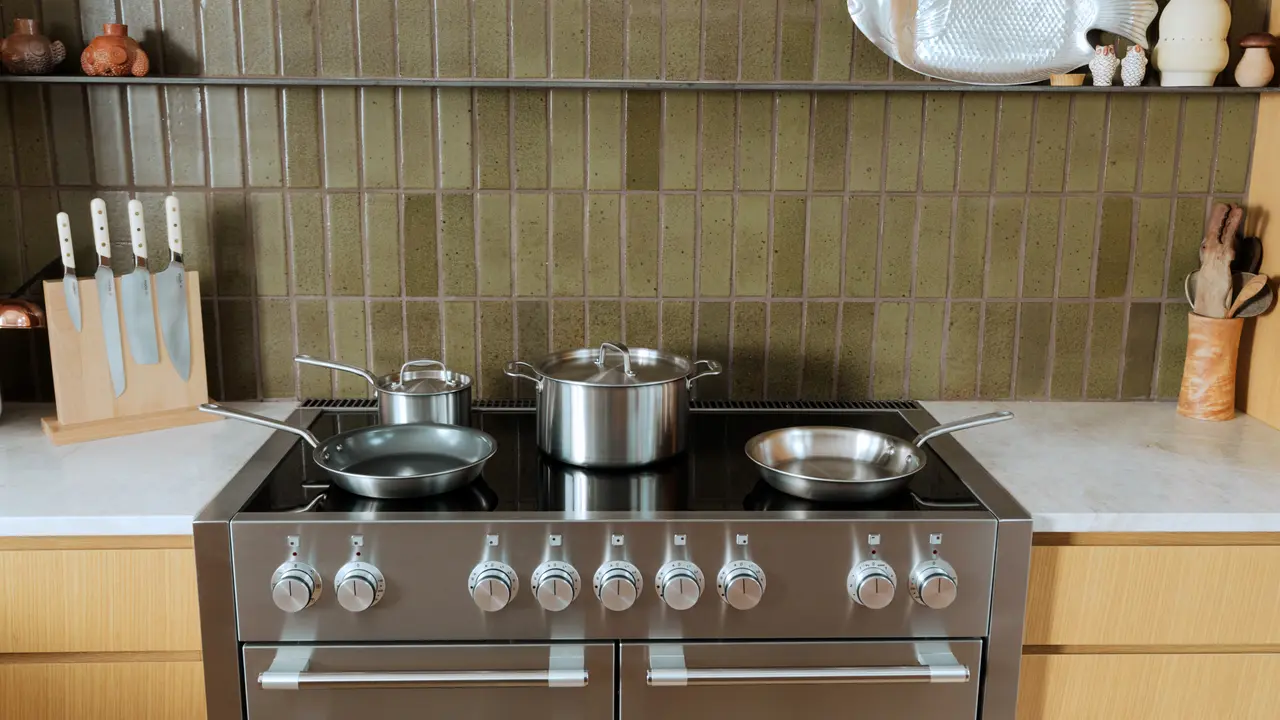
Choosing the right cookware shapes and sizes is key for induction cooktops. The cooktop heats only the part of the pan touching it. Pans that fit well on the burner give better heat and save energy. Small pans on large burners waste heat. Large pans on small burners heat unevenly. Cookware with flat bottoms ensures full contact with the cooktop surface.
Flat Bottom Pans
Flat bottom pans work best on induction cooktops. They sit evenly on the surface. This makes heat spread evenly across the pan. Avoid pans with warped or curved bottoms. They reduce contact and cause hot spots. Flat bottoms also stop pans from sliding. This keeps cooking safe and stable.
Saucepans And Skillets
Saucepans and skillets are common on induction cooktops. Choose ones with a flat base and magnetic material. Small to medium sizes fit most burner sizes. Saucepans are great for boiling and simmering. Skillets work well for frying and sautéing. Look for pans that match your cooktop’s burner size. This helps food cook quickly and evenly.
Specialty Pieces
Some specialty cookware suits induction too. Woks with flat bottoms cook well on induction. Griddles and grill pans should also have flat, magnetic bases. Use smaller specialty pans that match burner size. This keeps heat focused and cooking efficient. Avoid round-bottomed or non-magnetic specialty pans. They won’t work properly on induction cooktops.
Credit: madeincookware.com
Tips For Maintaining Induction Cookware
Keeping induction cookware in good shape helps it last longer and work well. Proper care saves money and keeps your cooking smooth. Small habits make a big difference.
Follow easy tips to clean, store, and protect your pots and pans. These simple steps keep your cookware safe from damage.
Cleaning Techniques
Use warm water and mild soap for daily cleaning. Avoid harsh cleaners or steel wool. Soft sponges work best.
For stuck food, soak the cookware in warm soapy water. Gently scrub after soaking. Dry immediately to stop water spots.
Do not use abrasive pads. They can scratch the surface and ruin the cookware’s finish.
Storage Advice
Store cookware in a dry place to avoid rust and stains. Stack pans with paper towels between them. This prevents scratches.
Hang pots by their handles if space allows. This keeps them safe and easy to find.
Keep lids separate or stacked carefully to avoid chips or cracks.
Avoiding Common Damage
Do not slide cookware across the cooktop. This can scratch both the pan and stove.
Use the right size burner for your pan. This avoids overheating and warping.
Never drop heavy cookware. It can dent or break the base, causing poor contact with the cooktop.
Common Mistakes To Avoid
Choosing the right cookware for induction cooktops is not always easy. Many people make simple mistakes that affect cooking results and damage the cooktop. Avoiding these errors helps protect your investment and improves your cooking experience.
Some mistakes can reduce heat efficiency. Others can scratch the surface or cause the cookware not to work at all. Knowing what to avoid will save time and money.
Using Non-magnetic Cookware
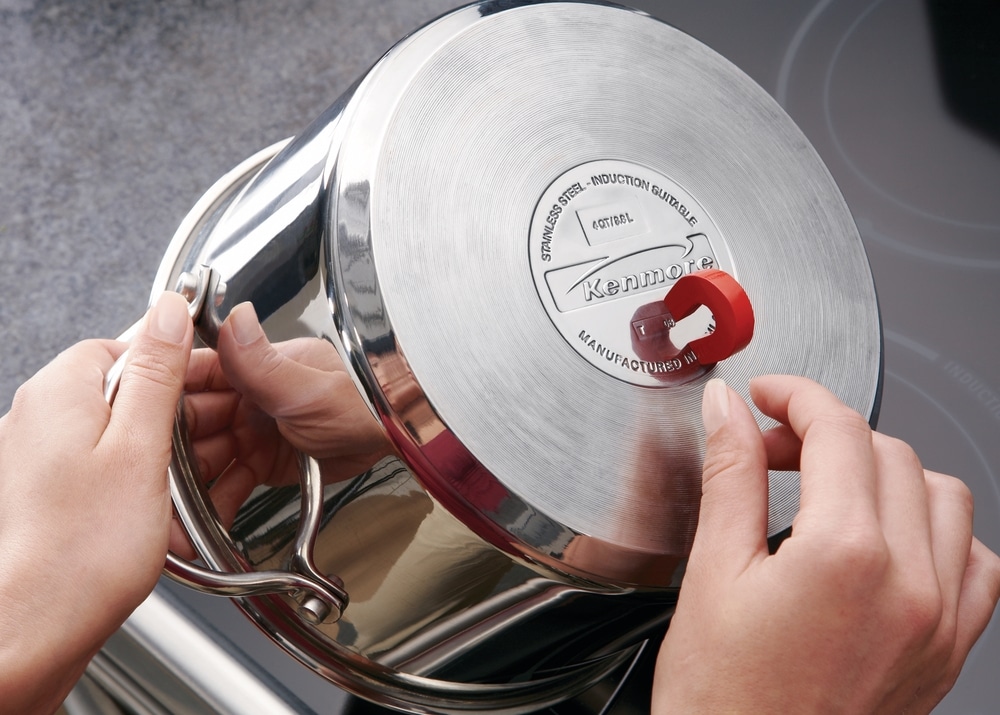
Induction cooktops need pots and pans with magnetic bases. Cookware made of aluminum, copper, or glass usually does not work. Always check if the cookware is induction-compatible by testing with a magnet. If the magnet sticks, it will work well.
Choosing Cookware With Warped Bottoms
Flat bottoms are essential for good contact with the cooktop. Warped or uneven bases reduce heat transfer and cause uneven cooking. Check the bottom of the cookware for flatness before buying or using it.
Ignoring Size Compatibility
Using cookware that is too small or too large for the burner wastes energy. The cooktop heats only the area under the pan. Choose pans that match the burner size for best results and energy use.
Using Damaged Cookware
Scratched or damaged cookware can harm the cooktop surface. Avoid using pots with rough or damaged bottoms. This keeps the cooktop clean and scratch-free.
Not Cleaning Cookware Properly
Residue on the bottom of pots can block heat transfer. Always clean the cookware base before cooking. This keeps cooking efficient and prevents damage.
Credit: www.frigidaire.ca
Frequently Asked Questions
What Materials Work Best With Induction Cooktops?
Magnetic materials like cast iron and stainless steel work best with induction cooktops. Non-magnetic cookware like aluminum or copper won’t heat properly unless they have a magnetic base.
Can Glass Or Ceramic Cookware Be Used On Induction?
No, glass and ceramic cookware lack magnetic properties, so they won’t work on induction cooktops. Only magnetic cookware can generate heat on induction surfaces.
How To Test If Cookware Is Induction-compatible?
Place a magnet on the cookware’s bottom. If it sticks strongly, the cookware is induction-compatible and will work efficiently on induction cooktops.
Is Stainless Steel Cookware Safe For Induction Cooking?
Yes, stainless steel cookware is safe and effective for induction cooking, but it must have a magnetic base for proper heating on induction surfaces.
Conclusion
Choosing the right cookware matters for your induction cooktop. Cookware must have a magnetic base to work well. Stainless steel and cast iron are great choices. Avoid glass, copper, and aluminum unless they have a magnetic layer. Good cookware heats food evenly and saves energy.
This makes cooking easier and faster. Remember to check the base before buying new pots or pans. Your meals will cook better, and your cooktop will last longer. Cook smart, and enjoy every meal.

Hello, This is Annie Walker, a 38-year-old blogger, founder, and editor of Cookware Guider from NY, USA. I am a cookware fanatic and passionate cooker. I love to cook with different types of cooking appliances (example: all types of cookware, rice cookers, slow cookers, etc) almost every day in my kitchen. I love to share my experience with my readers in my blog. Also, I enjoy helping people to solve their problems through my website. You can follow me on Twitter & Pinterest. To know details about my blog please check the about us page.