
When you cook meals for yourself and your family, the last thing you want is harmful chemicals sneaking into your food. Choosing the right cookware can make a big difference in keeping your kitchen safe and your health protected.
But with so many options out there, how do you know which cookware is truly non toxic? You’ll discover the safest materials that won’t release dangerous substances when heated. Keep reading to learn how to make smarter choices that benefit your health every time you cook.
Safe Cookware Materials
Choosing the right cookware affects health and food taste. Safe cookware materials do not release harmful chemicals during cooking. They resist scratches and wear, keeping food pure and natural. Many common materials have risks like toxic coatings or metal leaching. This guide focuses on safe cookware materials that protect health and last long. These options suit various cooking styles and budgets.
Ceramic Cookware
Ceramic cookware is popular for its non-toxic, non-stick surface. It uses a natural, inorganic coating made from sand and minerals. This coating does not release harmful chemicals even at high heat.
- Free from PTFE and PFOA, chemicals found in some non-stick pans.
- Heats evenly and quickly, reducing burnt food risks.
- Easy to clean with warm soapy water.
Choose fully ceramic pots or pans with a thick ceramic glaze. Some ceramic cookware has a metal base for durability and heat conduction. Avoid chipped or cracked ceramic as it can lose safety benefits.
| Feature | Benefit |
|---|---|
| Non-stick surface | Less oil needed for cooking |
| Chemical-free glaze | No toxic fumes or leaching |
| Dishwasher safe | Easy maintenance and cleaning |
Ceramic pans suit low to medium heat cooking. Avoid sudden temperature changes to prevent cracking. They are a safe and versatile choice for everyday meals.
Cast Iron
Cast iron cookware has been used for centuries. It is prized for durability and natural non-stick properties when properly seasoned. Cast iron does not contain synthetic coatings or chemicals.
- Seasons with oil to create a smooth, non-stick surface.
- Can last generations if cared for correctly.
- Adds small amounts of iron to food, beneficial for some diets.
Heavy weight can be a downside but ensures even heating. Avoid cooking acidic foods often as they may react with iron, causing off-flavors or damage to seasoning.
| Pros | Cons |
|---|---|
| Highly durable | Heavy and requires maintenance |
| Improves with use | Can rust if not dried properly |
| Iron enrichment in food | Not ideal for acidic cooking |
Season cast iron regularly by coating with oil and heating. This keeps it non-stick and rust-free. It works well for frying, baking, and slow cooking.
Stainless Steel
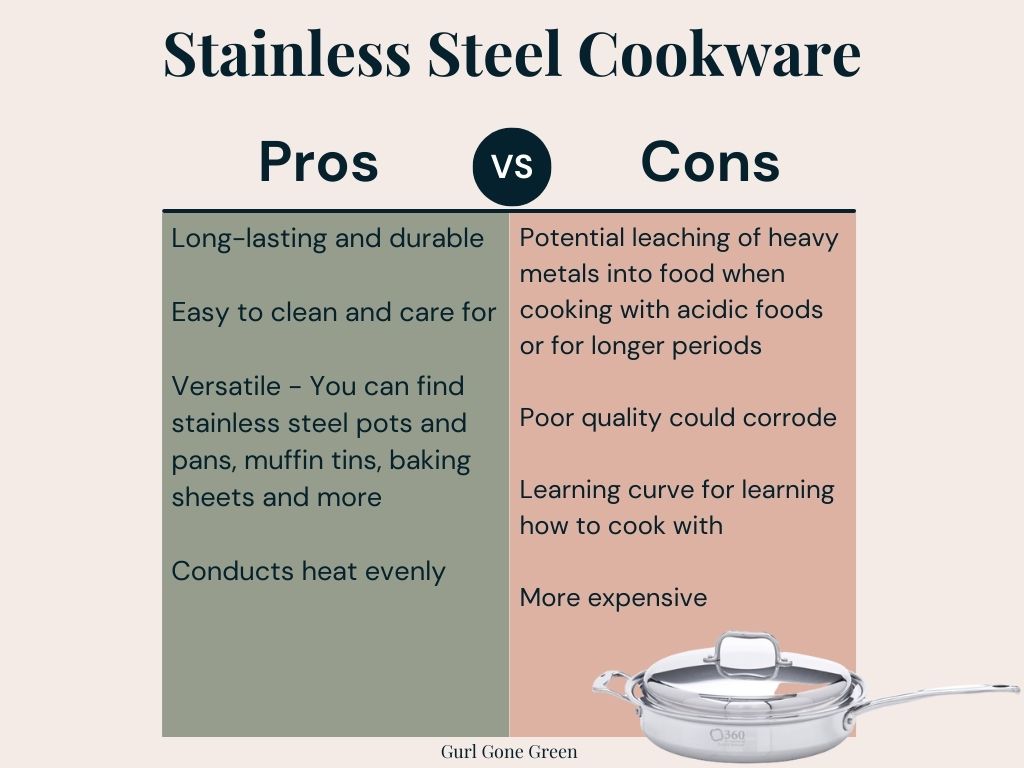
Stainless steel cookware is a top choice for non-toxic cooking. It contains no harmful coatings and resists corrosion. High-quality stainless steel pans do not react with food.
- Often made from 18/8 or 18/10 stainless steel (18% chromium, 8-10% nickel).
- Does not leach chemicals or metals into food.
- Durable and resistant to scratches and dents.
Good heat conduction requires a layered base, often aluminum or copper core sandwiched inside the steel. This feature improves cooking performance.
| Stainless Steel Type | Properties |
|---|---|
| 18/8 | Corrosion resistant, sturdy |
| 18/10 | Higher nickel content, more shine |
| Magnetic grade | Compatible with induction cooktops |
Stainless steel pans need oil or butter to prevent sticking. They are ideal for searing, boiling, and sautéing. Easy to clean and dishwasher safe.
Glass Cookware
Glass cookware offers a pure, non-reactive cooking surface. Made from tempered glass, it does not leach chemicals or metals into food. Safe for baking and microwave use.
- Transparent, easy to monitor food while cooking.
- Does not absorb flavors or odors.
- Non-porous and easy to clean.
Glass cookware is best for baking, roasting, and reheating. It is not suitable for direct stovetop use due to breakage risk.
| Advantages | Limitations |
|---|---|
| Non-toxic and non-reactive | Fragile and can shatter |
| Microwave and oven safe | Not for stovetop cooking |
| Easy to clean | Heavier than metal cookware |
Handle glass cookware with care to avoid chips or cracks. It keeps meals healthy by maintaining food purity during cooking.
Avoiding Toxic Elements
Avoiding toxic elements in cookware is essential for healthy cooking. Some materials release harmful chemicals when heated. These chemicals can enter food and affect your health. Choosing the right cookware means knowing which materials to avoid and which are safe. This section explains common toxic elements found in cookware and how to steer clear of them.
Teflon And Nonstick Concerns
Teflon is a popular nonstick coating made from polytetrafluoroethylene (PTFE). It makes cooking and cleaning easy. But Teflon can release toxic fumes if heated above 500°F (260°C). These fumes may cause flu-like symptoms in humans and can be fatal to pet birds.
Here are some important points about Teflon and nonstick cookware:
- Overheating risk: Avoid cooking on high heat with nonstick pans.
- Scratches: Scratched coatings may release harmful particles into food.
- Durability: Nonstick coatings wear off over time, reducing safety.
Some newer nonstick pans use safer coatings without PFOA (perfluorooctanoic acid), a chemical linked to health issues. Still, experts recommend using stainless steel, cast iron, or ceramic cookware for safer cooking.
| Cookware Type | Toxic Risk | Safe Use Tips |
|---|---|---|
| Teflon (PTFE) | Releases fumes above 500°F; PFOA concerns | Cook on low-medium heat; avoid scratches |
| Ceramic Nonstick | Generally safer; may degrade over time | Use gentle utensils; avoid overheating |
Aluminum Risks
Aluminum cookware is lightweight and affordable. It heats food quickly but may pose health risks. Aluminum can react with acidic or salty foods, causing metal to leach into meals. Excess aluminum intake has been linked to brain and bone diseases.
There are two types of aluminum cookware:
- Uncoated aluminum: More likely to leach metals into food.
- Anodized aluminum: Treated to create a hard, non-reactive surface that is safer.
Tips to reduce aluminum exposure:
- Avoid cooking acidic foods like tomatoes in uncoated aluminum pans.
- Choose anodized aluminum or use a different cookware material.
- Discard any aluminum cookware that is scratched or worn.
| Type | Reactivity | Health Risk | Safety Level |
|---|---|---|---|
| Uncoated Aluminum | High | Metal leaching into food | Low |
| Anodized Aluminum | Low | Minimal | Moderate |
Copper Cookware Safety
Copper cookware is known for excellent heat conduction. It heats evenly and looks attractive. Pure copper can release copper ions into food, which may cause stomach upset or toxicity if consumed in large amounts. For this reason, most copper cookware has a lining.
Common linings include:
- Stainless steel: Durable and safe, prevents copper contact with food.
- Tin: Traditional lining, but wears out over time and needs re-tinning.
Important safety tips for copper cookware:
- Choose copper pans with a safe lining.
- Do not cook acidic foods in unlined copper pans.
- Inspect the lining regularly for damage.
- Replace or repair worn linings promptly.
Properly lined copper cookware combines beauty with safety, making it a good choice for many kitchens.
Health Benefits Of Non Toxic Cookware
Choosing the right cookware affects more than just how your food tastes. Non toxic cookware offers clear health benefits by limiting harmful substances. Using safe pots and pans can improve your overall well-being. It reduces risks linked to chemicals that may leach into food during cooking. Plus, it helps keep the natural nutrients in your meals intact. Understanding these benefits can guide you to healthier cooking choices every day.
Reducing Chemical Exposure
Non toxic cookware helps reduce your contact with dangerous chemicals. Many traditional pans contain materials that release toxins when heated. These can include:
- Perfluorooctanoic acid (PFOA) found in some non-stick coatings
- Lead and cadmium in certain ceramic glazes
- Aluminum that reacts with acidic foods
These chemicals may cause health problems like hormonal imbalances, allergies, and even long-term organ damage. Choosing cookware made from materials like stainless steel, cast iron, or glass minimizes these risks. These options are stable at high temperatures and do not release harmful substances.
| Cookware Material | Potential Chemical Risk | Non Toxic Benefit |
|---|---|---|
| Non-stick (with PFOA) | May release toxic fumes | Avoids chemical exposure when replaced |
| Ceramic (low quality) | Lead and cadmium leaching | High-quality ceramic is safe |
| Stainless Steel | Minimal risk | Does not leach chemicals |
| Cast Iron | Iron leaching (beneficial) | Increases dietary iron |
Non toxic cookware also lasts longer and withstands high heat without breaking down. This durability means fewer replacements and less waste. Choosing safe cookware is a simple step to protect your health daily.
Maintaining Nutrient Integrity
Non toxic cookware helps preserve the nutrients in your food during cooking. Some materials react with ingredients, causing nutrient loss or changes in flavor. Using safe cookware avoids these issues.
Here are ways non toxic cookware supports nutrient retention:
- Even heat distribution: Reduces hot spots that can burn food.
- Stable surface: Prevents chemical reactions with acids and salts.
- Retains moisture: Keeps vitamins and minerals locked in.
For example, cast iron can add iron to food, benefiting those with low iron levels. Stainless steel does not absorb flavors or odors, preserving the natural taste and nutrients. Glass cookware does not interact with food, making it ideal for gentle cooking methods.
Here is a comparison of nutrient preservation by cookware type:
| Cookware Type | Nutrient Preservation | Best Use |
|---|---|---|
| Cast Iron | Good; adds iron | Searing, frying |
| Stainless Steel | Excellent; no nutrient loss | Sautéing, boiling |
| Ceramic | Good; non-reactive | Baking, slow cooking |
| Glass | Excellent; inert surface | Baking, microwaving |
Using non toxic cookware helps keep your meals healthy and flavorful. It protects the value of your ingredients, making each bite more nourishing.
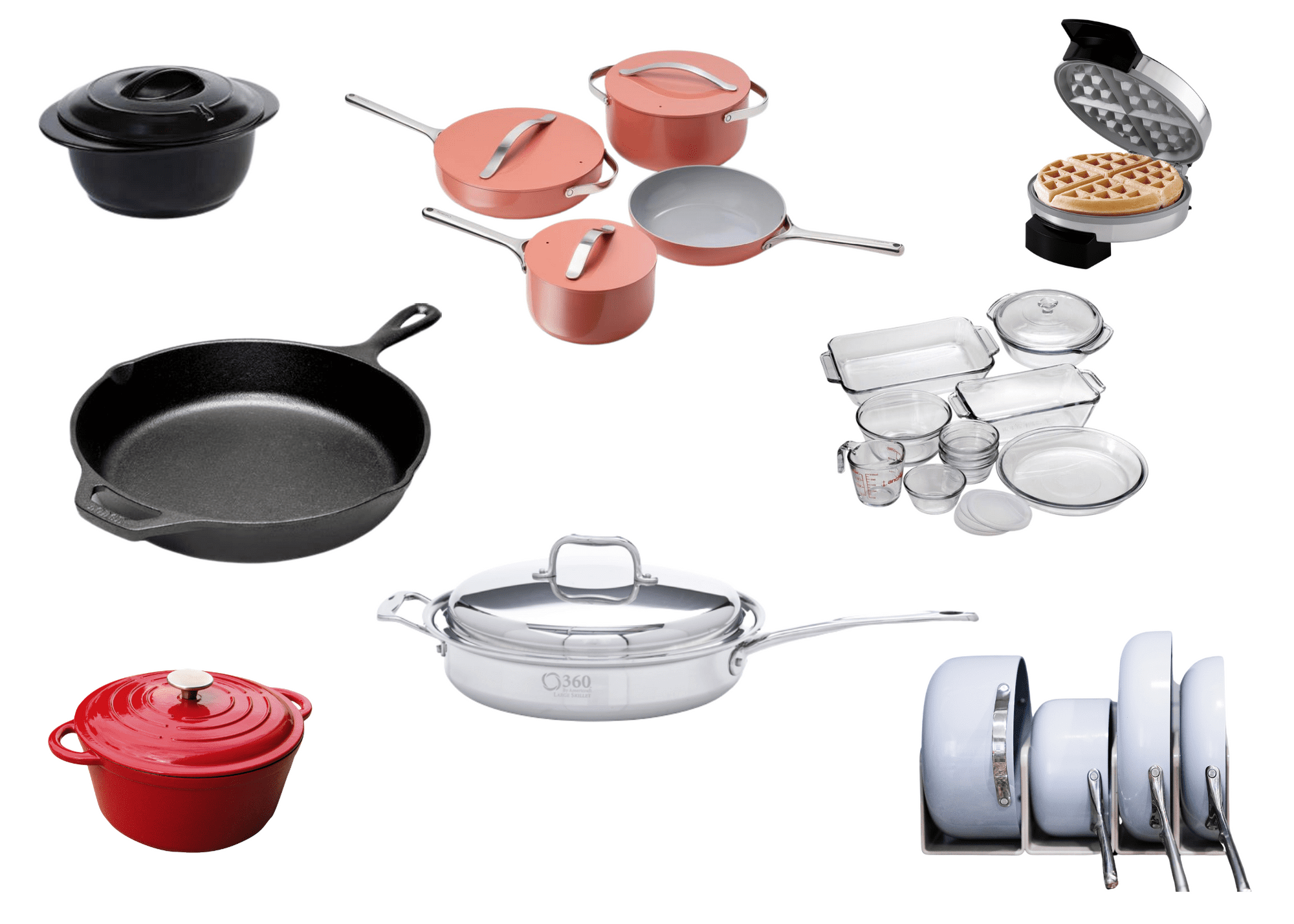
Credit: gurlgonegreen.com
Choosing Cookware For Different Cooking Styles
Choosing the right cookware means matching it to your cooking style while keeping it non-toxic. Different cooking methods need different materials to keep food safe and tasty. Some cookware handles high heat well, while others are best for slow cooking or baking. Picking safe, non-toxic options helps avoid harmful chemicals leaching into your meals. Let’s explore the best non-toxic cookware for various cooking styles.
High Heat Cooking Options
High heat cooking includes frying, searing, and stir-frying. These methods require cookware that can handle strong heat without releasing toxins. Stainless steel and cast iron are excellent choices for this style because they stay stable under high temperatures.
- Stainless Steel: Durable, non-reactive, and doesn’t release harmful chemicals.
- Cast Iron: Heats evenly and retains heat well. It’s naturally non-toxic but requires seasoning to prevent rust.
- Ceramic-Coated Pans: Good for medium-high heat but avoid overheating to protect the coating.
Here is a quick comparison:
| Cookware Type | Max Heat | Non-Toxic Status | Maintenance |
|---|---|---|---|
| Stainless Steel | Very High | Yes | Easy to clean, dishwasher safe |
| Cast Iron | Very High | Yes | Requires seasoning, hand wash |
| Ceramic-Coated | Medium-High | Yes (if quality) | Gentle cleaning, avoid metal tools |
Avoid non-stick pans with PTFE or PFOA for high heat. They can release harmful fumes.
Slow Cooking And Simmering
Slow cooking and simmering use low, steady heat for a long time. This style needs cookware that keeps temperature steady without chemicals leaching into food. Ceramic, glass, and enameled cast iron are perfect for this.
- Ceramic Cookware: Non-reactive and fully safe for slow cooking. It keeps flavors pure.
- Glass Cookware: Ideal for slow simmering. It doesn’t react with food and is easy to clean.
- Enameled Cast Iron: Combines heat retention with a non-toxic coating. No seasoning needed.
Benefits of slow cooking cookware:
- Maintains even heat for hours.
- Prevents chemical leaching into food.
- Easy to clean and durable.
Choose cookware that fits your stove type and oven use. Slow cookers and Dutch ovens made from these materials offer safe, flavorful cooking.
Oven-safe Choices
Oven cooking needs cookware that withstands dry heat well. Materials must be non-toxic and safe at high oven temperatures. Stainless steel, cast iron, and enameled cast iron work best.
- Stainless Steel: Oven safe up to very high temperatures. Great for roasting and baking.
- Cast Iron: Handles any oven heat. Also adds iron to your food, a health bonus.
- Enameled Cast Iron: Oven safe and easy to clean. Avoid chipping the enamel.
Non-stick pans usually aren’t safe for ovens above 350°F (175°C). Check labels carefully.
Here’s a checklist for oven-safe cookware:
- Free of plastic or wooden handles (or removable handles)
- Made from metal or glass
- Clear temperature limits on the label
Using the right cookware preserves food taste and health. Oven-safe, non-toxic cookware improves cooking results safely.
Care And Maintenance Tips
Choosing non toxic cookware is only the first step toward healthy cooking. Proper care and maintenance keep your cookware safe and effective for years. Following simple cleaning and upkeep routines prevents damage and preserves the cookware’s natural properties. This section shares easy tips to clean and extend the life of non toxic cookware, helping you enjoy safer meals every day.
Cleaning Non Toxic Cookware
Cleaning non toxic cookware requires gentle methods to avoid scratching or wearing away the surface. Harsh scrubbing or strong chemicals can damage the finish and reduce its safety. Use mild soap and warm water for most cleaning tasks.
- Wash soon after use: Prevent food from hardening by cleaning right after cooking.
- Use soft sponges: Avoid steel wool or abrasive pads that can scratch cookware.
- Remove stubborn stains carefully: Soak cookware in warm, soapy water before gently scrubbing.
- Dry thoroughly: Prevent rust or water spots by drying with a soft cloth or towel.
For specific materials, follow these tips:
| Cookware Type | Cleaning Tips |
|---|---|
| Cast Iron | Rinse with warm water, scrub with a brush, avoid soap. Dry and oil after cleaning. |
| Ceramic | Use mild detergent, soft sponge, avoid metal utensils to prevent chips. |
| Stainless Steel | Use dish soap, warm water, and a non-abrasive scrubber. Remove stains with baking soda paste. |
| Glass | Wash with warm, soapy water. Avoid sudden temperature changes to prevent cracking. |
Extending Cookware Lifespan
Proper care extends the life of non toxic cookware. Follow these simple habits to keep your cookware strong and safe.
- Avoid high heat: Cook on medium or low heat to protect coatings and prevent warping.
- Use proper utensils: Choose wooden, silicone, or plastic tools to avoid scratching surfaces.
- Store carefully: Stack cookware with protective padding or hang pans to avoid damage.
- Season cast iron: Regularly apply a thin layer of oil to keep the surface nonstick and rust-free.
- Inspect regularly: Check for chips, cracks, or peeling. Replace cookware if damage appears.
Table below summarizes key tips to maintain your cookware.
| Tip | Benefit |
|---|---|
| Cook on low to medium heat | Protects coatings and prevents warping |
| Use non-metal utensils | Prevents scratches and surface damage |
| Dry cookware after washing | Prevents rust and water spots |
| Season cast iron regularly | Keeps surface smooth and rust-free |
| Store with padding | Prevents scratches and dents |
Credit: gurlgonegreen.com

Credit: viagiulian.com
Frequently Asked Questions
What Cookware Materials Are Considered Non Toxic?
Non toxic cookware includes stainless steel, cast iron, ceramic, and glass. These materials do not release harmful chemicals when heated. They are safe for everyday cooking and help maintain food purity. Avoid cookware with toxic coatings like Teflon or aluminum.
Is Ceramic Cookware Truly Non Toxic And Safe?
Yes, ceramic cookware is non toxic and safe. It is made from natural clay and minerals. Ceramic coatings are free from PTFE and PFOA chemicals. They do not leach toxins into food, making ceramic a healthy cooking option.
Can Stainless Steel Cookware Be Toxic?
No, high-quality stainless steel cookware is non toxic. It does not release harmful substances during cooking. However, low-grade stainless steel may leach trace metals. Always choose cookware labeled food-grade or 18/8 or 18/10 stainless steel.
Why Avoid Nonstick Cookware For Health Reasons?
Nonstick cookware often contains PTFE and PFOA chemicals. These can release toxic fumes at high temperatures. Prolonged exposure may cause health issues. Choosing non toxic alternatives like ceramic or cast iron is safer for cooking.
Conclusion
Choosing non-toxic cookware protects your health and improves meal quality. Materials like stainless steel, cast iron, and ceramic offer safe cooking options. Avoid cookware that releases harmful chemicals when heated. Clean your pots and pans gently to keep them safe longer.
Cooking with healthy cookware helps your family eat better every day. Small changes in your kitchen make a big difference. Remember, safe cookware means safer meals and peace of mind. Keep these tips in mind for healthier cooking habits. Your body will thank you.

Hello, This is Annie Walker, a 38-year-old blogger, founder, and editor of Cookware Guider from NY, USA. I am a cookware fanatic and passionate cooker. I love to cook with different types of cooking appliances (example: all types of cookware, rice cookers, slow cookers, etc) almost every day in my kitchen. I love to share my experience with my readers in my blog. Also, I enjoy helping people to solve their problems through my website. You can follow me on Twitter & Pinterest. To know details about my blog please check the about us page.