
Are you thinking about upgrading your kitchen? If so, you might have come across the term “ceramic cooktop” and wondered what it really means.
A ceramic cooktop can change the way you cook, making your experience smoother and your kitchen look sleeker. But what exactly is it, and why should you consider one for your home? Keep reading, because understanding this simple yet powerful kitchen tool could make your cooking easier and more enjoyable every day.
Credit: karinearappliances.com
Ceramic Cooktop Basics
Ceramic cooktops are a popular choice for modern kitchens. They offer a sleek look and easy cleaning. These cooktops use smooth glass surfaces with heating elements underneath. Their simple design fits well in many homes.
Understanding ceramic cooktops helps you use them better. Learn how they work and the types available. This knowledge can guide your kitchen upgrade or cooking style.
How Ceramic Cooktops Work
Ceramic cooktops use electric heating elements below the glass. The elements heat up and transfer warmth through the ceramic surface. This heats the cookware placed on top. The glass surface remains smooth and easy to clean. It also cools down faster than traditional stoves.
Heat moves evenly across the ceramic, giving consistent cooking results. Most ceramic cooktops have sensors to control the temperature. This feature helps prevent overheating and saves energy.
Types Of Ceramic Cooktops
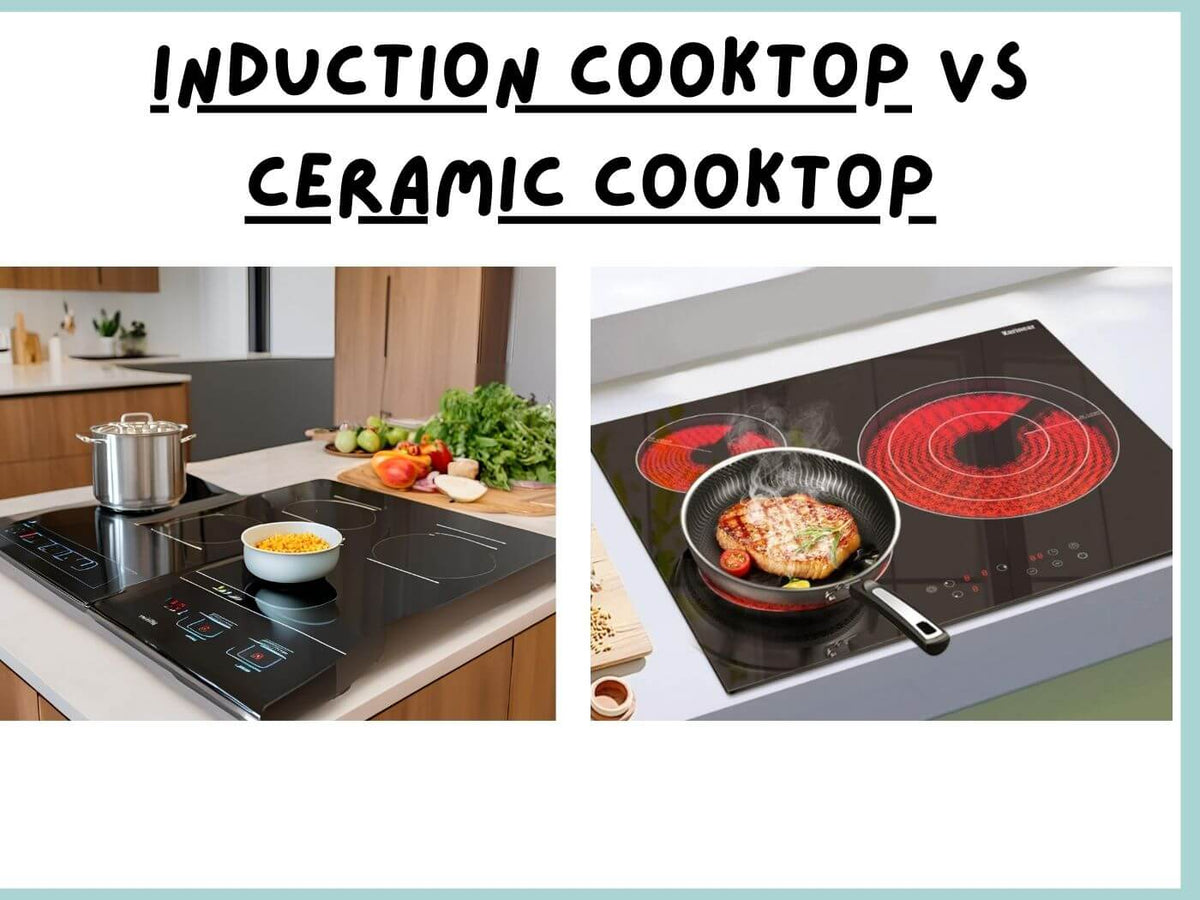
There are two main types of ceramic cooktops. Radiant and induction. Radiant cooktops use electric coils under the glass to heat cookware. The surface heats up to cook food. Induction cooktops use magnetic fields to heat pots directly. The glass surface stays cooler than radiant models.
Radiant cooktops work with most cookware materials. Induction requires pots made of magnetic metal. Each type offers different benefits. Choose based on your cooking habits and cookware.
Key Features
The key features of a ceramic cooktop make it popular in many kitchens. These features offer ease, safety, and style. Understanding these features helps you see why ceramic cooktops are a good choice.
Smooth Surface Design
Ceramic cooktops have a flat, smooth glass surface. This design looks modern and fits well in any kitchen. Cleaning is easy because there are no gaps or edges. Spills wipe off quickly with a cloth. The smooth surface also allows pots and pans to slide easily.
Touch Controls And Sensors
Most ceramic cooktops use touch controls. These controls are simple to use and easy to read. Sensors can detect the size of the pot or pan. This helps save energy by heating only the needed area. Some sensors also warn if the surface is too hot, making the cooktop safer.
Heat Distribution
Heat spreads evenly across the ceramic surface. This helps food cook uniformly without hot spots. The cooktop heats quickly and cools down fast after use. This gives better control over cooking temperature. Efficient heat distribution improves cooking results and saves energy.
Benefits Of Ceramic Cooktops
Ceramic cooktops offer many advantages that make cooking easier and safer. Their design combines style with practical features. These benefits help both beginners and experienced cooks enjoy their kitchen time. Ceramic cooktops save effort and energy, while keeping safety in mind.
Easy Cleaning And Maintenance
The smooth surface of ceramic cooktops makes cleaning simple. Spills do not stick and wipe away quickly. No grooves or burners hide dirt or crumbs. Just use a soft cloth and mild cleaner for best results. This saves time and keeps the kitchen tidy. Regular maintenance keeps the cooktop looking new for years.
Energy Efficiency
Ceramic cooktops heat up fast and use less power. The heat goes directly to the pot or pan, reducing waste. This means food cooks quicker and uses less energy. Efficient heating lowers electricity bills. It also helps reduce the kitchen’s overall heat, making cooking more comfortable.
Safety Advantages
Ceramic cooktops stay cooler around the cooking zones. This reduces the risk of burns after cooking. Many models include sensors that turn off heat automatically. The flat surface also avoids accidents caused by loose burners. Safe to touch areas and quick shut-off features protect families and pets.
Credit: uakc.net
Comparing Ceramic To Other Cooktops
Comparing ceramic cooktops to other types helps you see their strengths and limits. Each cooktop style offers different benefits for cooking and kitchen design. Understanding these differences guides you to the best choice for your needs.
Ceramic Vs Gas
Ceramic cooktops have a smooth, flat surface made of glass and ceramic. Gas cooktops use open flames for cooking. Ceramic cooktops are easier to clean because spills stay on the surface. Gas cooktops heat up quickly and allow precise heat control. Ceramic cooktops take longer to heat but provide steady heat. Gas cooktops work during power outages; ceramic cooktops need electricity.
Ceramic Vs Induction
Both ceramic and induction cooktops have a flat glass surface. Induction cooktops use magnetic fields to heat pots directly. Ceramic cooktops heat the glass surface, then the pot. Induction heats faster and uses less energy. Ceramic cooktops work with all cookware types. Induction requires special magnetic pots. Ceramic cooktops stay warm longer after cooking; induction cools quickly.
Ceramic Vs Electric Coil
Electric coil cooktops have raised metal coils that heat pots. Ceramic cooktops look modern with a flat, smooth surface. Ceramic cooktops are easier to clean than electric coils. Electric coils heat unevenly and can leave marks on pots. Ceramic cooktops provide more even heat. Electric coils are less expensive but take more time to cool. Ceramic cooktops offer a sleeker look for kitchens.
Choosing The Right Ceramic Cooktop
Choosing the right ceramic cooktop can make cooking easier and more enjoyable. This choice depends on your kitchen size, cooking needs, and budget. Understanding key factors helps you pick a cooktop that fits your lifestyle perfectly.
Size And Burner Options
Cooktops come in different sizes, usually 24 to 36 inches wide. Choose a size that fits your kitchen space comfortably. More burners mean you can cook multiple dishes at once. Some models offer flexible burner zones for different pot sizes.
Installation Considerations
Consider if you want a built-in or countertop cooktop. Built-in cooktops need a cutout in the counter. Check your kitchen’s electrical or gas supply to match the cooktop type. Proper installation ensures safety and better performance.
Budget And Brand Choices
Set a budget before shopping to narrow your options. Well-known brands often provide better quality and warranties. Look for models that balance price and features. Reading reviews can help find reliable cooktops within your budget.

Credit: www.townappliance.com
Tips For Using And Caring
Caring for a ceramic cooktop keeps it working well and looking nice. Proper use and cleaning extend its life and performance. Small habits help avoid damage and maintain its smooth surface. Follow these tips to protect your cooktop and cook safely.
Best Cookware For Ceramic Surfaces
Choose flat-bottomed pots and pans for even heat contact. Heavy glass, ceramic, and stainless steel work well. Avoid rough or warped cookware that can scratch the surface. Use cookware with smooth edges to protect the cooktop.
Cleaning Do’s And Don’ts
Clean spills quickly to stop stains. Use a soft cloth or sponge with warm soapy water. Avoid abrasive pads or harsh cleaners that can scratch. Use special ceramic cooktop cleaners for tough spots. Never pour cold water on a hot cooktop.
Preventing Scratches And Damage
Lift pots instead of sliding them across the surface. Avoid dropping heavy items on the cooktop. Keep the cooktop free from small debris before cooking. Use burner covers to protect the glass when not in use. Regularly inspect the surface for signs of wear.
Frequently Asked Questions
What Is A Ceramic Cooktop Made Of?
A ceramic cooktop is made of smooth, durable glass-ceramic material. It offers even heat distribution and a sleek look. This surface is easy to clean and resists high temperatures effectively.
How Does A Ceramic Cooktop Work?
Ceramic cooktops use radiant heating elements beneath the glass surface. These elements heat up and transfer heat evenly through the ceramic. It allows quick cooking and precise temperature control.
Are Ceramic Cooktops Energy Efficient?
Yes, ceramic cooktops are energy efficient. They heat up quickly and retain heat well, reducing cooking time. This efficiency helps save electricity compared to traditional electric coils.
Can I Use Any Cookware On A Ceramic Cooktop?
Most flat-bottom cookware works well on ceramic cooktops. Avoid rough or warped pans to prevent scratching the surface. Cookware made of stainless steel, cast iron, or aluminum is ideal.
Conclusion
A ceramic cooktop offers a smooth, easy-to-clean surface for cooking. It heats quickly and distributes heat evenly for better results. Many people like its modern look in the kitchen. It fits well with different cooking styles and pots. Caring for it is simple with the right tools.
Choosing a ceramic cooktop can make cooking more enjoyable. It combines style and function in one appliance. A smart choice for those who want convenience and efficiency.

Hello, This is Annie Walker, a 38-year-old blogger, founder, and editor of Cookware Guider from NY, USA. I am a cookware fanatic and passionate cooker. I love to cook with different types of cooking appliances (example: all types of cookware, rice cookers, slow cookers, etc) almost every day in my kitchen. I love to share my experience with my readers in my blog. Also, I enjoy helping people to solve their problems through my website. You can follow me on Twitter & Pinterest. To know details about my blog please check the about us page.