
Have you ever wondered what exactly counts as a serving of cooked rice? Whether you’re tracking your meals, trying to eat healthier, or just curious, knowing the right portion size can make a big difference.
Too much or too little can affect your energy, weight, and overall health. You’ll discover the simple way to measure your rice servings without any guesswork. Keep reading to find out how to enjoy rice the right way every time.
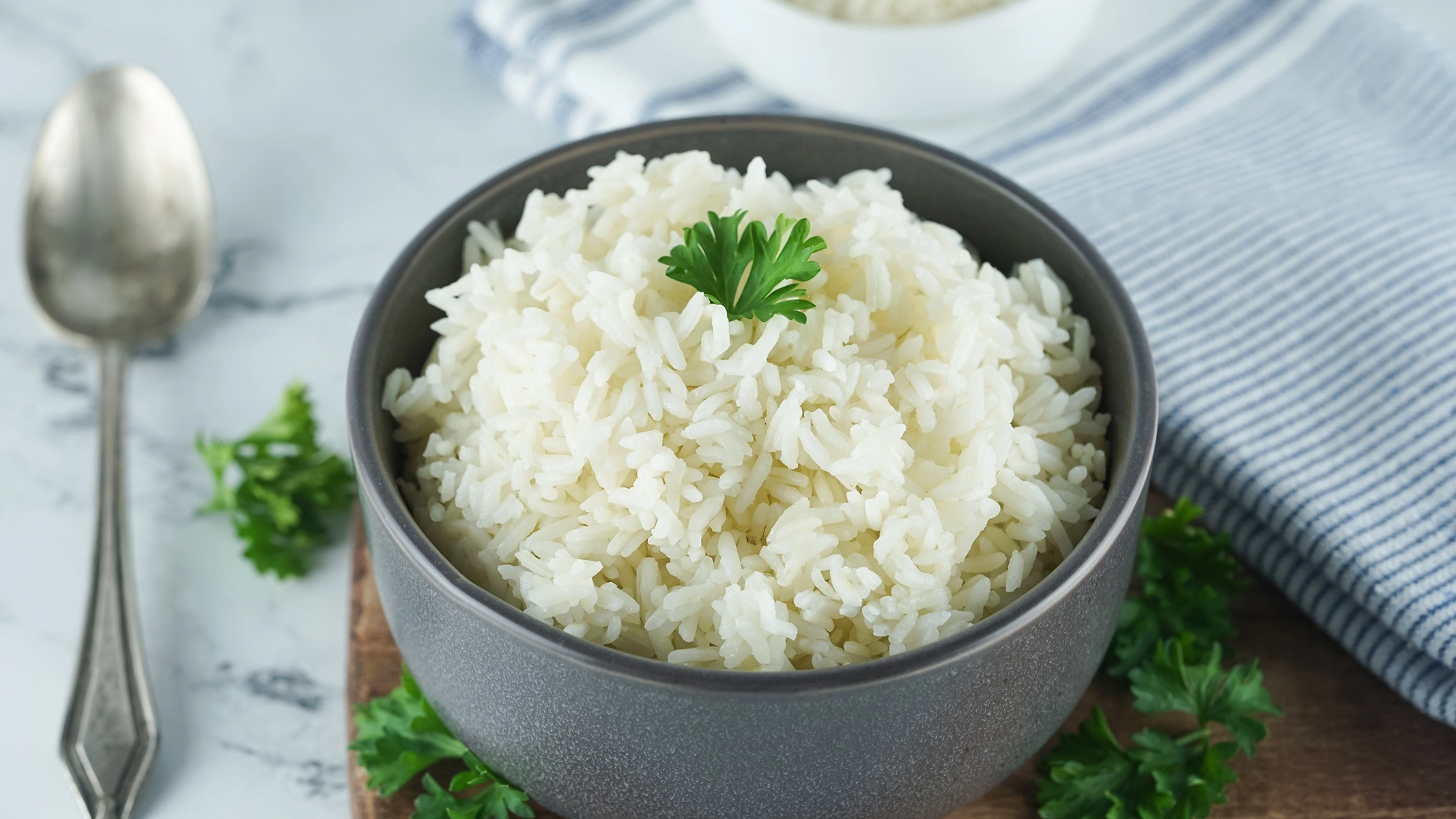
Credit: www.thesolospoon.com
Rice Serving Sizes
Understanding rice serving sizes helps control portions and calories. Rice is a staple food in many diets worldwide. Knowing the right portion size supports healthy eating habits. Serving sizes can vary based on type and cooking method. Let’s explore the standard measurements and factors affecting rice servings.
Standard Portion Measurements
A typical serving of cooked rice is about 1/2 cup. This equals roughly 90 to 100 grams. This portion provides enough energy for a meal. Nutrition labels often use this as a reference. Measuring rice before cooking helps keep portions consistent. Using a standard cup or scale works well.
Differences Between White And Brown Rice
White and brown rice differ in fiber and nutrients. Brown rice contains more fiber and takes longer to cook. It may expand more during cooking than white rice. A serving of brown rice can weigh slightly more cooked. Both types offer similar calories per serving. Choose based on taste and nutrition needs.
Impact Of Cooking Methods On Size
Cooking methods affect rice texture and volume. Boiling, steaming, or using a rice cooker changes rice expansion. More water makes rice fluffier and larger in size. Less water results in firmer, denser rice. Always measure cooked rice by volume or weight. This ensures accurate serving sizes for meals.
:max_bytes(150000):strip_icc()/rice_annotated-b0a0aa51dc264e05b1d50b98c928147e.jpg)
Credit: www.verywellfit.com
Measuring Cooked Rice
Measuring cooked rice helps control portion size and calories. It ensures you eat the right amount for your meal. Different methods make measuring easy and accurate. Choose one that fits your kitchen tools and habits.
Using Cups And Spoons
Measuring cups and spoons are common tools for cooked rice. One cup of cooked rice usually equals about 150 to 200 grams. Use a standard measuring cup for accuracy. Level off the rice to avoid extra servings. Spoons help for smaller portions or toppings.
Visual Portion Guides
Visual guides make portion control simple without tools. A serving of cooked rice often fits in a cupped hand. About the size of a tennis ball is another good estimate. These visuals help when eating out or without measuring tools. They keep portions consistent and balanced.
Weighing Cooked Rice
A kitchen scale gives the most accurate measurement of cooked rice. Place a bowl on the scale and reset to zero. Add cooked rice until you reach the desired weight. This method is best for precise calorie counting. It helps track intake for diets and meal planning.
Calorie Content By Portion
Understanding the calorie content of cooked rice helps control your diet better. Rice is a staple food worldwide and a common energy source. Knowing how many calories are in a serving guides your meal planning. It also helps match your intake with health goals. Here is a breakdown of calories in different rice portions.
Calories In A Typical Serving
A standard serving of cooked rice is about one cup. This amount usually weighs around 158 grams. One cup of cooked white rice has roughly 200 calories. Brown rice of the same size contains slightly more calories. Serving size affects calorie count significantly. Smaller portions mean fewer calories, larger portions mean more.
Comparing Raw And Cooked Rice Calories
Raw rice has more calories per gram than cooked rice. Cooking rice adds water, increasing its weight and volume. One cup of raw rice can have about 680 calories. After cooking, the same rice expands and weighs more. One cup of cooked rice has fewer calories, around 200. This difference is important for accurate calorie tracking.
Rice Serving And Dietary Goals
Rice servings should align with your daily calorie needs. For weight loss, smaller servings of rice may help. For energy needs, moderate portions work well. Combining rice with vegetables and proteins balances the meal. Adjust rice intake based on your activity and health goals. Portion control is key to maintaining a healthy diet.
Serving Rice For Different Meals
Serving rice varies depending on the meal type and the role rice plays. It can be a main dish or a side dish. Portion sizes change to match the meal’s purpose and the eater’s needs. Understanding these differences helps in serving the right amount. It prevents waste and ensures everyone enjoys the meal.
Portions For Main Dishes
Rice as a main dish needs a larger portion. Typically, one cup of cooked rice per person is enough. This amount fills the plate and provides enough energy. For dishes like fried rice or rice bowls, this portion works well. It pairs with vegetables, meat, or beans for a balanced meal.
Side Dish Serving Sizes
Rice as a side dish requires a smaller portion. Usually, half a cup of cooked rice per person is ideal. It complements the main dish without overshadowing it. This size keeps the meal balanced and light. Common in many cuisines, rice side dishes fit well with meats and salads.
Adjusting Portions For Kids And Adults
Kids need less rice than adults. Around a quarter to half a cup suits most children. Adults usually eat between half a cup and one cup. Adjust portions based on age, appetite, and activity level. Smaller portions help avoid food waste and keep meals enjoyable.
Tips For Portion Control
Controlling portions of cooked rice helps maintain a healthy diet. Small changes in serving size can impact calories and nutrition. Knowing how to manage portions keeps meals balanced and satisfying. Here are easy tips to guide you.
Using Portion Control Tools
Use measuring cups to serve the right amount of rice. A standard serving is about half a cup cooked. Kitchen scales also work for precise portions. Portion control plates with sections help manage rice and other foods. These tools stop overeating and reduce food waste.
Meal Prep Strategies
Cook rice in batches for the week. Divide cooked rice into single servings using containers. Label each container with portion size to avoid confusion. Preparing meals ahead saves time and controls portions. It helps resist the urge to eat too much.
Balancing Rice With Other Foods
Pair rice with vegetables and protein for a complete meal. Fill half your plate with veggies to reduce rice intake. Add lean meats or beans for energy and fullness. This balance supports good nutrition and portion control. It also prevents rice from being the only focus on the plate.
Credit: www.goodrx.com
Frequently Asked Questions
What Is The Standard Serving Size Of Cooked Rice?
A standard serving of cooked rice is typically 1 cup, which equals about 158 grams. This portion provides around 200 calories and balances well with other meal components. It is a suitable size for an average adult’s side dish.
How Many Calories Are In One Serving Of Cooked Rice?
One serving of cooked white rice (1 cup) contains roughly 200 calories. Brown rice has a similar calorie count but offers more fiber. Calorie content varies slightly by rice type and cooking method.
How Much Uncooked Rice Equals One Serving Cooked?
About 1/3 cup of uncooked rice yields one cup of cooked rice. The rice expands by approximately three times its dry volume when cooked. Measuring uncooked rice helps control portion sizes effectively.
Can Serving Sizes Of Rice Vary By Diet?
Yes, serving sizes vary depending on dietary needs. Athletes might eat larger portions, while weight-loss plans recommend smaller servings. Adjust rice intake based on caloric goals and nutritional balance.
Conclusion
A serving of cooked rice usually equals about half a cup. This amount fits well for most meals. It provides energy and pairs nicely with many dishes. Understanding serving sizes helps you control portions. It also supports a balanced diet and healthy eating habits.
Keep servings consistent to avoid overeating. Simple and clear—this helps you enjoy rice without guesswork.

Hello, This is Annie Walker, a 38-year-old blogger, founder, and editor of Cookware Guider from NY, USA. I am a cookware fanatic and passionate cooker. I love to cook with different types of cooking appliances (example: all types of cookware, rice cookers, slow cookers, etc) almost every day in my kitchen. I love to share my experience with my readers in my blog. Also, I enjoy helping people to solve their problems through my website. You can follow me on Twitter & Pinterest. To know details about my blog please check the about us page.