
Are you confused about whether cooking brown rice is the same as white rice? You’re not alone.
Many people assume they can be prepared the same way, but that’s not quite true. Getting it right can make a big difference in taste, texture, and even nutrition. Keep reading, and you’ll discover simple tips that will help you cook perfect rice every time—no more mushy or undercooked grains on your plate!
Brown Rice Basics
Brown rice is a whole grain. It keeps its bran and germ layers. These parts make it more nutritious than white rice. Brown rice has a chewier texture and a nuttier flavor. Cooking brown rice takes longer because of its outer layers. Understanding these basics helps in cooking it right.
Nutritional Profile
Brown rice contains more fiber than white rice. It has vitamins like B1, B3, and B6. Minerals such as magnesium and iron are also present. These nutrients support heart health and digestion. Brown rice has fewer calories and a lower glycemic index. It helps keep blood sugar steady.
Texture And Flavor
Brown rice feels firmer and chewier after cooking. Its taste is earthier and nuttier than white rice. This flavor adds depth to many dishes. It does not become as soft or sticky as white rice. Cooking time is longer to soften its texture. The grains stay separate, making it good for salads and bowls.
White Rice Characteristics
White rice is one of the most common types of rice used worldwide. It has unique features that set it apart from other rice varieties. Understanding its characteristics helps in knowing how it cooks and tastes.
Processing Methods
White rice starts as whole grain rice. The outer husk is removed first. Then, the bran layer and germ are taken off. This process makes white rice smooth and white. It also extends shelf life. But it removes some nutrients found in brown rice.
Taste And Texture
White rice has a mild and soft taste. It cooks faster than brown rice. The texture is light and fluffy after cooking. It does not have the nutty flavor that brown rice has. Many people prefer white rice for its smooth feel in dishes.
Cooking Time Variations
Cooking brown rice and white rice requires different times because of their texture and structure. Brown rice keeps its bran layer, making it harder and denser. White rice has this layer removed, so it cooks faster. Understanding these time differences helps in preparing rice that is soft and tasty.
Soaking Effects
Soaking brown rice before cooking can reduce its cooking time. The water softens the bran layer. This makes the grains cook more evenly. Soaking for 30 minutes to an hour works well. White rice usually does not need soaking. It cooks quickly without it.
Boiling And Simmering Durations
Brown rice needs about 40 to 50 minutes of cooking. Start with boiling water, then lower heat to simmer. Keep the pot covered to trap steam. White rice cooks in 15 to 20 minutes. It requires less simmering since it is softer. Watching the rice closely avoids overcooking or undercooking.
Water Ratios And Techniques
Water ratios and cooking techniques affect brown and white rice differently. Brown rice has a tough outer layer. It needs more water and time to cook well. White rice cooks faster and uses less water. Understanding these differences helps you cook rice perfectly every time.
Choosing the right water amount and method changes the rice texture. Brown rice can be chewy if undercooked or mushy if overcooked. White rice tends to be soft and fluffy with the correct water ratio. Let’s explore the best water amounts and cooking styles for each type.
Optimal Water Amounts
Brown rice needs about 2 to 2.5 cups of water per cup of rice. It soaks up more water due to its bran layer. White rice needs less water, about 1.5 to 1.75 cups per cup of rice. Using too little water makes brown rice hard. Too much water makes white rice sticky and soft.
Adjust water slightly based on rice brand and personal texture preference. Rinsing rice before cooking can affect water absorption. A little less water works if you rinse well.
Absorption Vs. Boiling Method
The absorption method means cooking rice with a fixed water amount. Rice absorbs all water while cooking. This method suits brown rice best. It cooks evenly without losing nutrients.
The boiling method uses excess water like pasta. Cook rice in plenty of water, then drain. This works well for white rice. It reduces stickiness and prevents overcooking.
Brown rice can lose nutrients in boiling water. Choose absorption for better taste and health. White rice cooks faster by boiling and draining.
Health Benefits Comparison
Brown rice and white rice differ in many health aspects. These differences affect how your body uses them. Understanding their health benefits helps you choose better.
Fiber Content
Brown rice has more fiber than white rice. The outer bran layer stays on brown rice. Fiber helps digestion and keeps you full longer. White rice loses this layer during processing. Less fiber means it digests faster and may spike blood sugar.
Vitamins And Minerals
Brown rice contains more vitamins and minerals. It keeps the bran and germ, rich in nutrients. You get more magnesium, phosphorus, and B vitamins. White rice loses many nutrients in milling. Some white rice is enriched, but it lacks natural nutrients. Brown rice supports better energy and metabolism.
:max_bytes(150000):strip_icc()/BrownRiceVsWhiteRice-1d5255f10834479db4c32c48674b035c.jpg)
Credit: www.health.com
Common Cooking Challenges
Cooking rice can be tricky for many people. Brown rice and white rice need different care. Both can be tasty but come with common cooking challenges. These issues often confuse cooks and affect the final meal. Understanding these challenges helps in making better rice dishes.
Stickiness And Clumping
Rice can stick together or form clumps easily. White rice tends to be stickier than brown rice. Brown rice has more fiber, making it less sticky. Washing rice before cooking removes extra starch. This step reduces stickiness and clumping. Using the right water amount also helps. Too much water makes rice mushy and sticky. Stirring rice during cooking can cause clumps. Let rice cook undisturbed for better texture.
Undercooked Or Overcooked Rice
Getting rice cooked just right is hard. Brown rice takes longer to cook than white rice. Undercooked rice is hard and chewy. Overcooked rice becomes soft and mushy. Using a timer can improve cooking results. Let rice rest after cooking to absorb water fully. Check rice texture before serving. Adjust water and cooking time for next batch. This helps avoid under or overcooking rice.
Tips For Perfect Brown Rice
Cooking brown rice can be tricky. It takes longer and needs a bit more care than white rice. Small changes in how you prepare it can make a big difference in taste and texture. Follow these simple tips for perfect brown rice every time.
Rinsing And Soaking
Rinse brown rice under cold water before cooking. This removes dust and excess starch. Soaking the rice for 30 minutes softens the grains. It helps the rice cook evenly and faster. Drain the soaking water before cooking for best results.
Using A Rice Cooker
A rice cooker takes the guesswork out of cooking brown rice. Use the brown rice setting if your cooker has one. Add the right amount of water, usually 2 to 2.5 cups per cup of rice. Let the cooker finish its cycle without opening the lid. This keeps the rice fluffy and moist.

Credit: www.youtube.com
When To Choose Brown Or White Rice
Choosing between brown and white rice depends on several factors. Both types offer unique benefits. Understanding when to pick each helps in making better meals. Consider your diet and the recipe you plan to cook. This guide explains the best times to choose brown or white rice.
Dietary Preferences
Brown rice keeps the bran and germ layers. It has more fiber, vitamins, and minerals. People wanting more nutrients often pick brown rice. It helps with digestion and keeps you full longer.
White rice is milled to remove the bran and germ. It has a softer texture and cooks faster. People who need quick energy or have sensitive stomachs prefer white rice. It is easier to digest and lower in fiber.
Recipe Compatibility
Brown rice has a nutty flavor and chewy texture. It suits dishes like salads, grain bowls, and pilafs. Use brown rice when you want a hearty, earthy taste.
White rice is mild and fluffy. It works well in soups, stir-fries, and sushi. Choose white rice for recipes needing a light texture and neutral flavor.
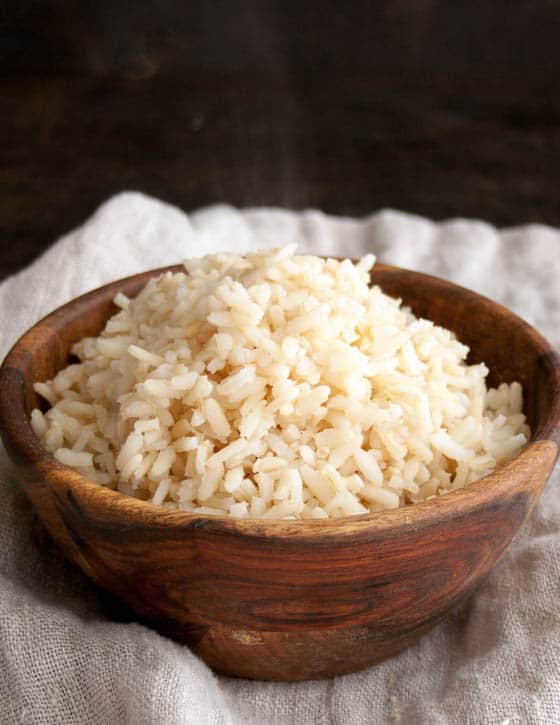
Credit: www.themerchantbaker.com
Frequently Asked Questions
Is Cooking Brown Rice The Same As White Rice?
No, cooking brown rice differs from white rice. Brown rice takes longer to cook due to its bran layer. It requires more water and a longer simmering time for softness.
Why Does Brown Rice Take Longer To Cook?
Brown rice has an intact bran layer that slows water absorption. This makes it harder and denser, requiring more cooking time compared to white rice.
Can I Use The Same Water Ratio For Both Rices?
No, brown rice needs more water, usually 2 to 2. 5 cups per cup of rice. White rice typically requires less water, about 1. 5 to 2 cups.
Does Cooking Time Affect Rice Nutrition?
Yes, cooking time can impact nutrients. Overcooking rice may reduce some vitamins, but brown rice retains more fiber and nutrients than white rice.
Conclusion
Cooking brown rice is not exactly the same as cooking white rice. Brown rice takes longer to cook and needs more water. It has a nuttier taste and chewier texture. White rice cooks faster and is softer. Both types are healthy but offer different nutrients.
Choosing one depends on your taste and time. Experiment to find what you like best. Simple steps can help you cook each perfectly every time. Enjoy your meal!

Hello, This is Annie Walker, a 38-year-old blogger, founder, and editor of Cookware Guider from NY, USA. I am a cookware fanatic and passionate cooker. I love to cook with different types of cooking appliances (example: all types of cookware, rice cookers, slow cookers, etc) almost every day in my kitchen. I love to share my experience with my readers in my blog. Also, I enjoy helping people to solve their problems through my website. You can follow me on Twitter & Pinterest. To know details about my blog please check the about us page.