
If you’re thinking about upgrading your kitchen tools, you’ve probably heard of Calphalon cookware. But what exactly is Calphalon cookware made of?
Knowing the materials behind your pots and pans can help you understand how they perform, how long they last, and whether they’re the right fit for your cooking style. You’ll discover the key materials used in Calphalon cookware and why they matter to your everyday cooking.
Keep reading to find out what makes these pieces stand out and how they can change the way you cook.
Materials Used In Calphalon Cookware
Calphalon cookware is known for its quality and durability, largely due to the materials used in its construction. The brand uses a variety of metals and coatings to suit different cooking needs and preferences. Understanding these materials helps in choosing the right cookware for your kitchen. Each material offers unique benefits like heat distribution, durability, and ease of cleaning. This section explores the main materials used in Calphalon cookware.
Hard-anodized Aluminum
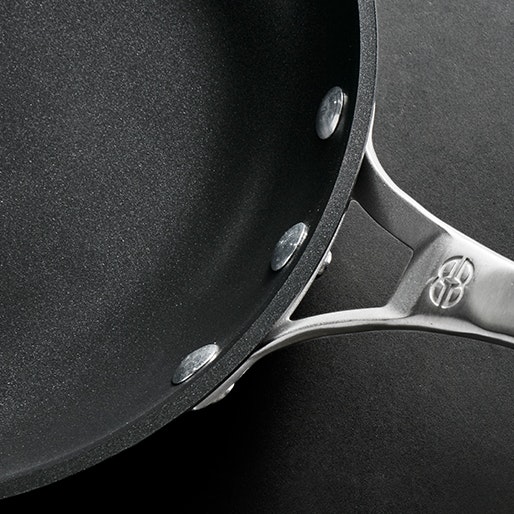
Hard-anodized aluminum is one of the most popular materials in Calphalon cookware. This material is aluminum treated through an electrochemical process that makes it harder and more durable than regular aluminum.
Key features of hard-anodized aluminum:
- Excellent heat conduction for even cooking
- Resistant to scratches and corrosion
- Lightweight and easy to handle
- Non-reactive surface that won’t affect food flavor
This material also has a dark, matte finish that resists staining. It is ideal for everyday cooking and can handle high heat without warping. The hard-anodized layer prevents aluminum from leaching into food, making it a safer option than untreated aluminum.
| Pros | Cons |
|---|---|
| Durable and scratch-resistant | Usually more expensive than regular aluminum |
| Heats evenly and quickly | Not dishwasher safe in most cases |
| Lightweight for easy handling | Requires careful cleaning to maintain finish |
Stainless Steel
Stainless steel is another core material used in Calphalon cookware. It offers a sleek look and strong resistance to rust and stains. This type of cookware is perfect for those who want durability without nonstick coatings.
Calphalon uses high-grade stainless steel, often with multiple layers for better heat control. The base usually includes an aluminum or copper core to improve heat conduction, as stainless steel alone does not conduct heat well.
- Durable and long-lasting
- Resists rust, corrosion, and staining
- Safe for use with metal utensils
- Can withstand high oven temperatures
Stainless steel cookware requires more oil or butter to prevent sticking. It is dishwasher safe and can handle scrubbing without damage. Many cooks prefer stainless steel for searing and browning because it allows for better crust formation on food.
| Advantages | Disadvantages |
|---|---|
| Elegant, modern appearance | Food can stick if not used properly |
| Oven and dishwasher safe | Heats slower than aluminum |
| Highly durable and scratch-resistant | Usually heavier than other materials |
Nonstick Coatings
Calphalon offers cookware with nonstick coatings to make cooking and cleaning easier. These coatings prevent food from sticking, reducing the need for oils or fats. They are especially useful for cooking eggs, pancakes, and delicate foods.
Calphalon uses advanced nonstick materials that are free from harmful chemicals like PFOA. The coatings are applied over hard-anodized aluminum or stainless steel bases.
- Easy food release and cleanup
- Requires less oil for healthier cooking
- Lightweight and easy to handle
- Suitable for low to medium heat cooking
Nonstick pans should not be overheated or used with metal utensils to avoid damaging the coating. Proper care extends the life of nonstick cookware. Most Calphalon nonstick pans are dishwasher safe but hand washing is recommended to preserve the surface.
| Benefits | Care Tips |
|---|---|
| Prevents food from sticking | Use wooden or silicone utensils only |
| Reduces cooking oil needed | Clean with soft sponges, no abrasive pads |
| Light and easy to handle | Avoid high heat to protect coating |
Cast Iron Options
Calphalon also offers cast iron cookware, which is valued for its heat retention and durability. Cast iron heats slowly but holds heat well, making it excellent for slow cooking and frying.
These pans may come pre-seasoned or with an enamel coating. The enamel layer protects the iron from rust and eliminates the need for seasoning.
- Exceptional heat retention and even cooking
- Durable and long-lasting with proper care
- Can be used on stovetops, ovens, and grills
- Requires seasoning if uncoated to maintain nonstick surface
Cast iron is heavier than other materials but offers unique cooking benefits. It can improve with age and use. Enamel-coated cast iron is easier to clean and requires less maintenance than bare cast iron.
| Features | Maintenance Tips |
|---|---|
| Excellent heat retention | Season regularly if uncoated |
| Durable and versatile | Hand wash and dry thoroughly |
| Can be used on various heat sources | Avoid soap on uncoated cast iron |
Benefits Of Hard-anodized Aluminum
Calphalon cookware is popular for its use of hard-anodized aluminum, a material known for its excellent cooking performance and durability. This type of aluminum undergoes an electrochemical process that makes its surface harder and more resistant to wear. The benefits of hard-anodized aluminum make Calphalon cookware a reliable choice for many kitchens. It combines strength, efficient heat use, and resistance to damage, all important for everyday cooking.
Durability And Strength
Hard-anodized aluminum is much stronger than regular aluminum. The anodizing process creates a hard layer on the surface, which protects the cookware from scratches and dents. This makes Calphalon pots and pans last longer, even with heavy use.
The surface is also less likely to warp or bend under high heat. This means the cookware keeps its shape and performs well over time. The strength of hard-anodized aluminum allows it to handle metal utensils better than non-coated pans.
- Scratch resistance: The hard surface prevents marks from utensils.
- Impact resistance: Less chance of dents or damage from drops.
- Long-lasting shape: Maintains flat and even base for good cooking.
| Material | Scratch Resistance | Impact Resistance | Warp Resistance |
|---|---|---|---|
| Hard-Anodized Aluminum | High | High | High |
| Regular Aluminum | Low | Medium | Low |
| Stainless Steel | Medium | High | Medium |
Heat Conductivity
Hard-anodized aluminum is excellent at conducting heat. This means it heats up quickly and spreads heat evenly across the cooking surface. Even heat is important to cook food properly and avoid hot spots that burn food.
The fast heat conduction also saves time and energy. You do not need to wait long for the pan to get hot. This can make cooking more efficient and enjoyable.
- Quick heating: Saves time on the stove.
- Even heat distribution: Prevents food from burning or sticking.
- Energy efficient: Uses less heat to cook well.
Many Calphalon cookware pieces feature a thick base that enhances heat retention. This helps maintain steady cooking temperatures for better results.
Corrosion Resistance
The anodizing process makes aluminum highly resistant to corrosion. This means Calphalon cookware will not easily rust or degrade, even after long use. Moisture, acids, and cleaning products do not damage the surface.
This corrosion resistance keeps the cookware looking new and performing well. It also reduces the risk of harmful substances leaching into food.
- Rust-free surface: Stays clean and safe.
- Resists acidic foods: No pitting or damage from lemons, tomatoes, etc.
- Easy cleaning: Durable surface handles scrubbing without harm.
Because of this resistance, hard-anodized cookware is ideal for daily cooking and regular washing. It maintains its quality for years without special care.
Features Of Stainless Steel Cookware
Calphalon cookware is known for its quality and durability. One popular choice is stainless steel cookware. This type of cookware offers many benefits for everyday cooking. Stainless steel cookware is strong, easy to clean, and looks great in any kitchen. Understanding its key features helps you choose the right set for your needs. Below, we explore the main features of stainless steel cookware from Calphalon.
Multi-ply Construction
Multi-ply construction means the cookware has several layers of metal fused together. Calphalon stainless steel pots and pans often have three or more layers. These layers include:
- Inner layer: High-quality stainless steel for a smooth cooking surface.
- Core layer: Aluminum or copper to spread heat evenly.
- Outer layer: Stainless steel that is durable and easy to clean.
This design improves heat distribution. It prevents hot spots that burn food. It also helps the cookware heat up quickly and evenly.
Here is a simple table to show the benefits of each layer:
| Layer | Material | Benefit |
|---|---|---|
| Inner | Stainless Steel | Non-reactive, smooth cooking surface |
| Core | Aluminum or Copper | Excellent heat conduction |
| Outer | Stainless Steel | Durable and easy to clean |
Multi-ply cookware stays hot longer and cooks food more evenly. This feature makes Calphalon stainless steel cookware reliable for all cooking styles.
Magnetic Base For Induction
Calphalon stainless steel cookware often includes a magnetic base. This base works with induction cooktops, which use magnets to heat pots and pans directly.
Not all stainless steel cookware works on induction stoves. The magnetic base ensures compatibility. It allows the cookware to heat quickly and efficiently on induction surfaces.
Benefits of a magnetic base include:
- Faster heating times
- Energy efficiency
- Better temperature control
- Works on electric and gas stoves too
Cookware with a magnetic base saves energy because it heats only the pot or pan. The cooktop stays cool, making cooking safer.
Here is a simple code snippet to check if your cookware has a magnetic base:
function isMagnetic(cookware) { return cookware.baseMaterial === 'magnetic stainless steel'; }Calphalon’s magnetic base makes their stainless steel cookware versatile for all kitchen types.
Scratch And Stain Resistance
One top feature of Calphalon stainless steel cookware is its resistance to scratches and stains. The cookware uses high-quality stainless steel that holds up well over time.
Scratch resistance means the surface stays smooth and looks new longer. It can handle metal utensils without damage. This makes cleaning easier and keeps food from sticking.
Stain resistance helps the cookware maintain a shiny, bright finish. It does not discolor from heat or acidic foods.
Here are key benefits of scratch and stain resistance:
- Long-lasting appearance
- Easy to clean with simple soap and water
- Safe to use with all types of utensils
- Prevents rust and corrosion
Regular stainless steel cookware can dull or stain over time. Calphalon uses special alloys and polishing to improve durability and shine.
This makes their cookware a smart choice for busy kitchens that need durable tools.

Credit: prudentreviews.com
Types Of Nonstick Surfaces
Calphalon cookware is well-known for its quality and durability. A key feature of many Calphalon pots and pans is their nonstick surface. Nonstick surfaces help food cook evenly and prevent sticking, making cooking and cleaning easier. There are different types of nonstick coatings used in Calphalon cookware. Understanding these types helps choose the right pan for your kitchen needs. The two most common nonstick surfaces are PTFE-based coatings and ceramic coatings. Each has unique features and benefits.
Ptfe-based Coatings
PTFE stands for polytetrafluoroethylene, a synthetic chemical used in many nonstick pans. It is the base for popular nonstick brands like Teflon. Calphalon uses advanced PTFE coatings to ensure long-lasting performance and easy food release.
Key benefits of PTFE-based coatings:
- Excellent nonstick properties for cooking delicate foods like eggs and fish
- Easy to clean with minimal scrubbing
- Highly resistant to stains and chemicals
- Can withstand medium to high cooking temperatures (usually up to 500°F)
PTFE coatings in Calphalon cookware often come in multiple layers. This layering improves durability and scratch resistance. Below is a simple table showing PTFE coating features:
| Feature | Details |
|---|---|
| Material | Polytetrafluoroethylene (PTFE) |
| Heat Resistance | Up to 500°F (260°C) |
| Durability | High with proper care |
| Cleaning | Easy, hand wash recommended |
PTFE coatings work best with wooden or silicone utensils. Avoid metal tools to keep the surface safe. These coatings offer smooth cooking but require care to last longer.
Ceramic Coatings
Ceramic coatings are a newer type of nonstick surface used in some Calphalon cookware lines. They are made from a silica-based material derived from sand. Ceramic coatings are free of PTFE and PFOA, which appeals to health-conscious users.
Advantages of ceramic coatings:
- Nonstick and easy to clean
- Can handle higher heat than PTFE coatings, up to 700°F (370°C)
- Environmentally friendly and often marketed as “green” cookware
- Less likely to release fumes at high temperatures
Despite these benefits, ceramic coatings may wear out faster than PTFE coatings. They can lose their nonstick ability after frequent use. Below is a comparison table between ceramic and PTFE coatings:
| Feature | Ceramic Coating | PTFE Coating |
|---|---|---|
| Heat Resistance | Up to 700°F (370°C) | Up to 500°F (260°C) |
| Durability | Moderate, can wear with time | High with care |
| Cleaning | Easy, hand wash preferred | Easy, hand wash preferred |
| Health & Safety | Free of PTFE and PFOA | Contains PTFE, PFOA-free in modern versions |
Use gentle utensils with ceramic cookware to avoid scratching. Ceramic pans are perfect for medium heat cooking and offer a natural nonstick feel.
Calphalon’s Cast Iron Collection
Calphalon’s Cast Iron Collection stands out for its durability and versatility in the kitchen. This collection features cookware made from heavy-duty cast iron, known for long-lasting performance. Calphalon offers two main types of finishes in this line: seasoned and enamel-coated cast iron. Both have unique benefits and suit different cooking styles. The cookware promises excellent heat control and the ability to prepare various dishes, from searing meats to baking bread. These pieces are designed to meet everyday cooking needs while providing professional results.
Seasoned Vs. Enamel Coatings
Calphalon’s cast iron cookware comes with either a seasoned finish or an enamel coating. Understanding the differences helps choose the right piece for your kitchen.
Seasoned cast iron is coated with a layer of oil baked into the surface. This creates a natural, non-stick finish that improves with use. It requires regular maintenance to keep the seasoning intact and prevent rust.
- Benefits: Enhances flavor over time, non-stick surface, can withstand very high heat.
- Care: Avoid soap, dry immediately, reapply oil after cleaning.
Enamel-coated cast iron has a smooth, colorful glass-like layer fused to the metal. This coating protects the iron from rust and does not need seasoning. It is easier to clean but cannot handle extremely high heat as well as seasoned cast iron.
- Benefits: Rust-resistant, dishwasher safe, no seasoning needed, available in various colors.
- Care: Use gentle cleaning tools, avoid metal utensils to prevent chipping.
| Feature | Seasoned Cast Iron | Enamel Coated Cast Iron |
|---|---|---|
| Maintenance | Requires regular oiling and careful cleaning | Low maintenance, no seasoning needed |
| Non-stick | Improves with use | Smooth surface, naturally non-stick |
| Heat Tolerance | Very high heat tolerant | Moderate heat tolerance |
| Rust Resistance | Needs protection from rust | Rust resistant |
Heat Retention And Distribution
Cast iron is famous for excellent heat retention. Calphalon’s cast iron pieces hold heat longer than many other materials. This quality helps keep food warm after cooking and makes it easier to maintain steady cooking temperatures.
Even heat distribution is another advantage. Cast iron spreads heat evenly across the cooking surface. This prevents hot spots that can burn food. It also ensures food cooks uniformly.
- Heavy construction stores heat well.
- Thick walls provide stable temperature control.
- Ideal for searing, frying, and slow cooking.
Here is a simple comparison of heat properties:
| Property | Cast Iron | Aluminum | Stainless Steel |
|---|---|---|---|
| Heat Retention | High | Low | Medium |
| Heat Distribution | Even | Very Even | Uneven |
Cast iron’s weight also plays a role. The heavy material helps maintain temperature during cooking. It absorbs heat slowly but keeps it steady. This is perfect for recipes needing slow, even cooking.
Safety And Environmental Considerations
Choosing cookware involves more than just performance; safety and environmental impact matter a lot. Calphalon cookware is popular, so many ask about its materials and their safety. Understanding the safety and environmental aspects helps you make a smart choice for your kitchen and the planet.
Pfoa And Ptfe Safety
Calphalon uses nonstick coatings in many of its products. These coatings often contain PTFE, a chemical that helps food release easily. PTFE is safe at normal cooking temperatures but can break down at very high heat. Calphalon products are made without PFOA, a chemical once used in older nonstick coatings. PFOA has raised health concerns and is now mostly phased out.
Key points about PFOA and PTFE safety in Calphalon cookware:
- Calphalon nonstick pans do not contain PFOA.
- PTFE coatings are safe below 500°F (260°C).
- Overheating can release fumes; avoid empty pans on high heat.
- Use wooden or silicone tools to protect the coating.
Here is a simple comparison table for PFOA and PTFE:
| Chemical | Use in Cookware | Health Concerns | Status in Calphalon |
|---|---|---|---|
| PFOA | Used in old nonstick coatings | Linked to health risks, now banned in many places | Not used |
| PTFE | Nonstick coating agent | Safe under normal use, fumes harmful if overheated | Used safely |
Recyclability Of Materials
Calphalon cookware mainly uses aluminum and stainless steel. Both metals are recyclable and can be reused many times without losing quality. This helps reduce waste and saves natural resources. The cookware may also contain nonstick coatings, which can make recycling a bit harder. Still, the metal base is valuable for recycling programs.
Recycling facts about Calphalon materials:
- Aluminum: Lightweight, conducts heat well, and is highly recyclable.
- Stainless Steel: Durable, resistant to rust, and recyclable.
- Nonstick Coatings: May complicate recycling but do not prevent metal recovery.
Proper disposal methods help keep these materials out of landfills. Many local recycling centers accept scrap metal. Some cookware brands have take-back or recycling programs too. Recycling metal cookware reduces carbon emissions and mining impact.
Comparing Calphalon Materials To Other Brands
Calphalon cookware is popular for its strong build and reliable cooking performance. Many cooks want to know how Calphalon materials compare to those used by other brands. Understanding the differences helps choose the best cookware for your kitchen. This section looks at Calphalon’s material quality and how it performs over time versus other brands.
Material Quality
Calphalon uses different materials depending on the cookware line. The most common are hard-anodized aluminum, stainless steel, and nonstick coatings. These materials offer a good balance of durability and heat conduction.
- Hard-Anodized Aluminum: This material is treated to be harder and more durable than regular aluminum. It resists scratches and warping.
- Stainless Steel: Calphalon uses high-grade stainless steel for some sets. This metal is strong, resistant to rust, and non-reactive with food.
- Nonstick Coatings: Calphalon often applies durable nonstick layers on aluminum bases. The coatings are designed to last longer than cheaper nonstick brands.
Other brands may use similar materials, but quality varies:
| Material | Calphalon | Other Brands |
|---|---|---|
| Hard-Anodized Aluminum | High-quality, thick, and treated for durability | Sometimes thinner, less treated, prone to scratches |
| Stainless Steel | 18/10 stainless steel with layered bases for heat distribution | Varies; some use lower grade or thinner steel |
| Nonstick Coating | Multi-layer, PFOA-free coatings designed for longer life | Often single-layer, less durable coatings |
Calphalon’s materials often come with special treatments or layers. These improve resistance to damage and heat. Other brands may save costs with lower-grade metals or coatings. This affects the cookware’s feel and look.
Performance And Longevity
Calphalon cookware performs well in heat distribution and durability. Hard-anodized aluminum heats quickly and evenly. Stainless steel sets cook food evenly without hot spots. Nonstick surfaces clean easily and need less oil.
The lifespan of Calphalon cookware depends on use and care. Many users find the products last for years without warping or peeling. The strong build helps resist dents and corrosion.
- Heat Distribution: Calphalon materials spread heat evenly to avoid burning food.
- Durability: The cookware resists warping, scratching, and discoloration.
- Nonstick Life: The nonstick coatings last longer than budget brands but will wear out over time.
- Maintenance: Most Calphalon cookware cleans easily and holds up well to dishwasher use, though hand washing is best.
Other brands may perform well but often show signs of wear sooner. Here is a brief comparison:
| Feature | Calphalon | Other Brands |
|---|---|---|
| Heat Distribution | Even and fast due to layered bases | Can be uneven, causing hot spots |
| Durability | Strong, resists dents and warping | Prone to dents, warping over time |
| Nonstick Coating Life | Lasts several years with proper care | Wears off faster, requires replacement sooner |
| Ease of Cleaning | Generally easy, some dishwasher safe | Varies, some stain or discolor quickly |
Strong materials and good construction make Calphalon a reliable choice. The cookware often holds up better over time than many competitors. Proper care extends its life even more.
Credit: www.calphalon.com

Credit: www.amazon.com
Frequently Asked Questions
What Materials Are Used In Calphalon Cookware?
Calphalon cookware typically uses hard-anodized aluminum for durability and even heat distribution. Some lines feature stainless steel or nonstick coatings for easy cooking and cleaning.
Is Calphalon Cookware Nonstick Or Stainless Steel?
Calphalon offers both nonstick and stainless steel cookware. Their nonstick pans have durable coatings, while stainless steel versions provide excellent heat retention and a polished look.
How Does Hard-anodized Aluminum Benefit Cooking?
Hard-anodized aluminum is strong, scratch-resistant, and heats evenly. It prevents warping and ensures consistent cooking performance for Calphalon cookware users.
Are Calphalon Cookware Materials Safe For Health?
Yes, Calphalon cookware materials are generally safe. Their nonstick coatings are PFOA-free, and stainless steel options do not leach harmful chemicals during cooking.
Conclusion
Calphalon cookware uses strong materials like hard-anodized aluminum and stainless steel. These materials make the pans durable and heat well. The nonstick coating helps with easy cooking and cleaning. You get a good balance of quality and performance. Choosing Calphalon means picking cookware built to last.
It fits well in any kitchen and suits many cooking styles. Simple, strong, and reliable — that’s what Calphalon offers.

Hello, This is Annie Walker, a 38-year-old blogger, founder, and editor of Cookware Guider from NY, USA. I am a cookware fanatic and passionate cooker. I love to cook with different types of cooking appliances (example: all types of cookware, rice cookers, slow cookers, etc) almost every day in my kitchen. I love to share my experience with my readers in my blog. Also, I enjoy helping people to solve their problems through my website. You can follow me on Twitter & Pinterest. To know details about my blog please check the about us page.