
Have you ever wondered what makes granite stone cookware so popular in kitchens everywhere? You might think it’s just a fancy name, but there’s more to it than that.
Understanding what granite stone cookware is made of can help you decide if it’s the right choice for your cooking needs. You’ll discover the materials behind these pots and pans, why they matter, and how they can impact your cooking experience.
Keep reading to find out the secrets hidden inside your granite cookware and how it can make your meals healthier and tastier.

Credit: www.amazon.com
Granite Stone Composition
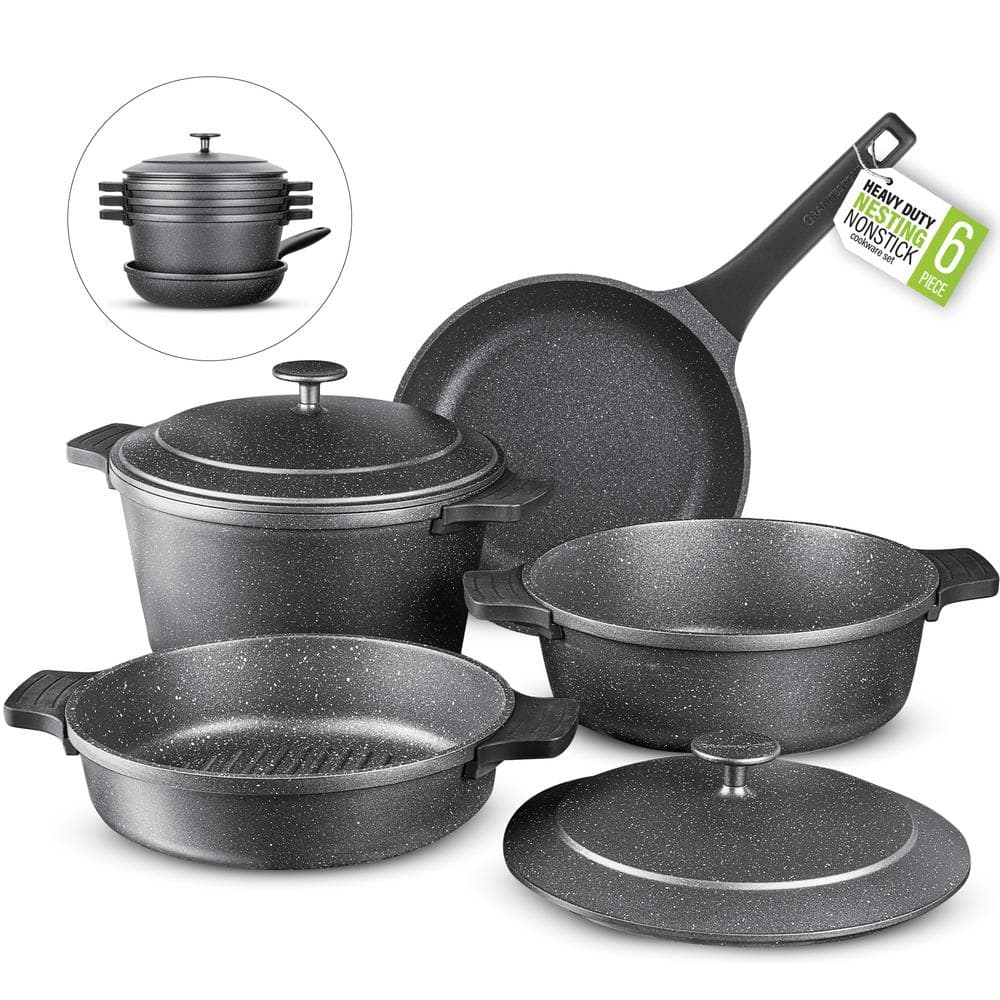
Granite stone cookware is popular for its durability and non-stick surface. Its composition plays a big role in these qualities. Understanding what makes up granite stone cookware helps explain why it performs well in kitchens. The cookware is not pure granite but uses a special mix inspired by natural granite minerals. This combination creates a hard, resistant surface perfect for cooking.
Natural Granite Elements
Granite is a natural rock made of several minerals. These minerals give granite its strength and appearance. The main elements found in natural granite include:
- Quartz: A hard mineral that adds durability and scratch resistance.
- Feldspar: Gives granite its color and helps bind the minerals together.
- Mica: Provides a shiny, reflective surface and adds toughness.
These minerals combine to form a solid, dense rock. Granite stone cookware uses synthetic versions of these elements. This method keeps the cookware strong but lighter and easier to handle.
| Mineral | Role in Granite | Effect in Cookware |
|---|---|---|
| Quartz | Hardness and durability | Scratch resistance, long-lasting surface |
| Feldspar | Color and binding | Stable coating, attractive finish |
| Mica | Shininess and toughness | Non-stick surface, heat resistance |
Manufacturing Process
The manufacturing of granite stone cookware starts with mixing natural minerals and synthetic materials. These materials create a strong, non-stick coating. The process involves several steps:
- Base creation: Aluminum or steel forms the cookware base.
- Coating application: A granite-like mixture is sprayed or rolled on the base.
- Curing: The coated cookware goes into an oven to harden the surface.
- Polishing: The surface is polished for smoothness and shine.
This process results in a tough, non-stick surface that resists scratches and heat. The cookware often has multiple layers for extra strength. Each layer helps prevent food from sticking and makes cleaning easy.
| Step | Description | Purpose |
|---|---|---|
| Base creation | Forming aluminum or steel base | Strong, lightweight foundation |
| Coating application | Applying granite-like mixture | Creates non-stick cooking surface |
| Curing | Heating to harden coating | Improves durability and adhesion |
| Polishing | Smoothing surface | Enhances appearance and non-stick quality |
Credit: www.homedepot.com
Materials Used In Cookware
Granite stone cookware is popular for its durability and attractive look. Its strength comes from the special materials used in its making. Understanding these materials helps to choose the right cookware. Materials used in cookware affect cooking performance, heat distribution, and cleaning ease. Granite cookware typically combines natural stone coatings with sturdy metal bases. This mix offers benefits like non-stick surfaces and even heating. Knowing the types of coatings and base metals clarifies why granite cookware stands out.
Granite Coating Types
Granite cookware features coatings that give the surface a stone-like finish. These coatings are not pure granite but a mix of minerals and resins. They create a hard, scratch-resistant, and non-stick layer. This layer mimics the look of granite rock but is safe for cooking.
Common granite coating types include:
- Mineral-Based Coating: Made from natural minerals combined with non-stick materials. It offers durability and easy food release.
- Resin-Infused Coating: Combines resin with stone particles. It improves the coating’s strength and heat resistance.
- Multi-Layer Coating: Several layers of non-stick and stone particles. It enhances durability and cooking performance.
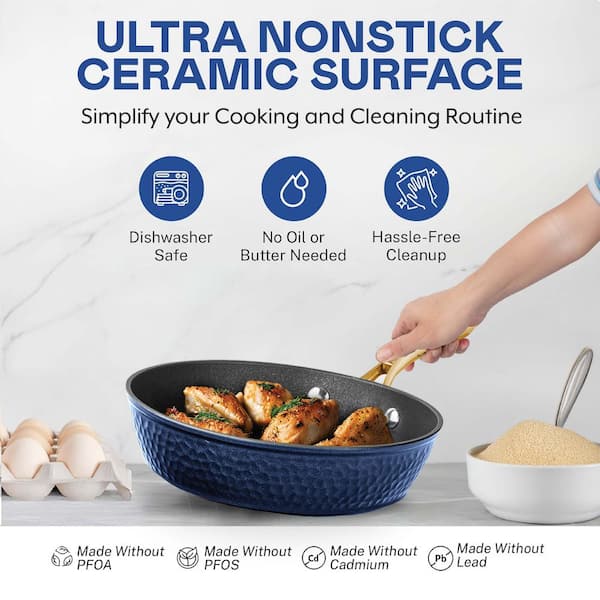
These coatings are free from harmful chemicals like PFOA and PTFE in many brands. They also resist scratches better than traditional non-stick coatings.
| Coating Type | Key Features | Benefits |
|---|---|---|
| Mineral-Based | Natural minerals + Non-stick | Durable, easy to clean |
| Resin-Infused | Resin + Stone particles | Strong, heat resistant |
| Multi-Layer | Multiple coating layers | Long-lasting, better non-stick |
Base Metal Options
The base metal is the main structure of granite cookware. It supports the granite coating and affects how heat moves through the pan. Different metals bring different cooking benefits. Common base metals include aluminum, stainless steel, and cast iron.
Here is an overview of base metal options:
- Aluminum: Lightweight and heats quickly. It spreads heat evenly but can dent easily. Often coated to prevent food reaction.
- Stainless Steel: Strong and resistant to rust. It heats slower than aluminum but lasts long. Often combined with aluminum layers for better heat.
- Cast Iron: Heavy and retains heat well. It offers great heat distribution but takes longer to heat. Needs seasoning to stay non-stick.
| Base Metal | Weight | Heat Conductivity | Durability |
|---|---|---|---|
| Aluminum | Light | Excellent | Moderate |
| Stainless Steel | Medium | Good (with layers) | High |
| Cast Iron | Heavy | Good | Very High |
Choosing the right base metal depends on cooking style and care preferences. Aluminum is great for quick, even heating. Stainless steel offers strength and rust resistance. Cast iron suits slow cooking and heat retention. Granite coating on these metals adds non-stick and scratch resistance.
Non-stick Properties
Granite stone cookware is popular for its impressive non-stick properties. These properties make cooking easier and cleaning faster. The non-stick surface prevents food from sticking, reducing the need for excess oil or butter. This feature promotes healthier cooking. Understanding what makes granite cookware non-stick helps to appreciate its design and benefits.
Role Of Granite In Non-stick Coating
Granite in cookware is not pure granite stone but a coating that contains granite particles mixed with non-stick materials. This mixture creates a strong, smooth surface that food does not stick to easily. The granite particles add texture and strength to the coating.
Key roles of granite in the non-stick coating:
- Improves heat distribution for even cooking.
- Enhances scratch resistance compared to regular non-stick pans.
- Provides a natural, stone-like appearance.
- Supports safe cooking by avoiding harmful chemicals often found in traditional non-stick coatings.
The granite coating usually layers over an aluminum base. This combination keeps the pan lightweight and easy to handle. The granite particles embedded in the coating create small bumps that reduce food contact, helping it slide off easily.
| Granite Coating Feature | Benefit to Non-Stick Performance |
|---|---|
| Granite particles | Increase surface strength and texture |
| Non-stick polymer base | Prevents food from adhering to the pan |
| Layered construction | Improves durability and heat distribution |
Durability Factors
The durability of granite stone cookware depends on multiple factors. The coating’s quality and thickness directly impact how long the non-stick surface lasts. Granite coatings tend to resist scratches, peeling, and fading better than some traditional non-stick pans.
Main durability factors include:
- Coating Thickness: Thicker coatings resist damage better and last longer.
- Material Quality: High-quality granite particles add toughness to the surface.
- Care and Usage: Using wooden or silicone utensils helps avoid scratches.
- Cleaning Methods: Gentle cleaning preserves the coating’s integrity.
Granite cookware often withstands metal utensils better than other non-stick pans. Still, care extends the cookware’s life. Avoiding high heat and abrasive cleaning tools protects the coating.
| Durability Factor | Effect on Granite Cookware |
|---|---|
| Coating thickness | Longer lifespan and better resistance to wear |
| Material quality | Improved scratch and heat resistance |
| Care during use | Prevents early damage and maintains non-stick ability |
| Cleaning methods | Maintains surface smoothness and appearance |
Health And Safety Aspects
Granite stone cookware is popular for its durability and natural look. Understanding the health and safety aspects helps users cook safely without worry. This section explains the materials used in granite cookware and checks if it is safe for daily use. Knowing what makes up granite cookware can clear doubts about chemicals and toxic risks.
Chemical Components
Granite stone cookware usually has a core made from aluminum or stainless steel for quick heat transfer. The outer layer is coated with a non-stick surface mixed with granite particles. This combination gives it strength and a stone-like appearance. The coating often contains:
- Ceramic particles for hardness and scratch resistance
- Non-stick polymers such as PTFE (polytetrafluoroethylene)
- Granite dust or stone granules for texture
Manufacturers create these coatings to be thick and durable. This prevents the non-stick layer from peeling or flaking easily. A well-made granite cookware coating is free from heavy metals like lead or cadmium, which can be harmful.
| Component | Purpose | Safety Notes |
|---|---|---|
| Aluminum or Stainless Steel Core | Heat conduction and durability | Safe if coated properly |
| Ceramic Particles | Hardness and non-stick effect | Non-toxic and stable |
| PTFE (Non-stick Polymer) | Prevents food from sticking | Safe below 260°C (500°F) |
| Granite Particles | Texture and aesthetics | Non-toxic, natural |
The chemical components in granite cookware are generally safe if used correctly. Avoid overheating to keep the coating intact and prevent any chemical breakdown.
Toxicity Concerns
Many people worry about toxic chemicals in cookware. Granite stone cookware aims to reduce these risks by using non-toxic materials. Still, some points require attention to avoid health issues.
Key toxicity concerns:
- PTFE Breakdown: High heat (above 260°C or 500°F) can cause PTFE coatings to release fumes. These fumes irritate the lungs but are rarely dangerous if the kitchen is ventilated.
- No PFOA Use: Most modern granite cookware is PFOA-free. PFOA is a chemical once used in non-stick coatings but linked to health problems.
- Heavy Metal Leaching: Good quality granite cookware avoids lead, cadmium, or other metals. Poorly made products might risk metal leaching into food.
Safety tips to reduce toxicity risks:
- Do not preheat empty cookware for long
- Use low to medium heat settings
- Avoid metal utensils that scratch the surface
- Choose cookware from trusted brands
Granite stone cookware is much safer than older non-stick pans. It offers a natural, chemical-free cooking experience with proper care. Always follow manufacturer instructions for best results and safety.
Environmental Impact
Granite stone cookware is popular for its durability and non-stick surface. Understanding its environmental impact helps buyers make smart choices. Environmental impact covers how raw materials are sourced and how waste is managed during and after production. This section explains these key points clearly and simply.
Sourcing Of Raw Materials
Granite stone cookware mainly uses natural minerals and synthetic materials. The key ingredient is usually a mixture of granite particles and a resin or ceramic base. The granite particles come from crushed natural stone, which is mined from quarries.
Mining granite affects the environment in several ways:
- Land disturbance: Quarrying changes landscapes and can harm local plants and animals.
- Energy use: Heavy machinery consumes a lot of fuel, leading to carbon emissions.
- Water use: Water is used to reduce dust and cool equipment, which can strain local water sources.
Manufacturers try to reduce harm by:
- Choosing quarries near factories to cut transportation emissions.
- Following rules that protect wildlife and water quality.
- Using recycled granite pieces when possible.
| Raw Material | Source | Environmental Concern |
|---|---|---|
| Granite Particles | Natural quarries | Land disturbance, energy use |
| Resin/Ceramic Base | Manufactured chemicals | Pollution, chemical waste |
Choosing granite stone cookware made with care can lower environmental damage. Look for brands that share their raw material sources and eco-friendly steps.
Recyclability And Waste
Granite stone cookware has a long life but eventually wears out. What happens to it then matters for the planet. Recycling options for this cookware are limited but growing.
Key points about recyclability and waste:
- Granite particles are natural and can be crushed and reused in some cases.
- The resin or ceramic coating is harder to recycle because it mixes with minerals.
- Cookware that breaks or chips often ends up in landfills.
Waste management challenges include:
- Separation of materials is difficult.
- Special recycling facilities are rare.
- Improper disposal can release chemicals into soil and water.
Ways to reduce waste impact:
- Buy high-quality cookware to extend use time.
- Donate usable cookware for secondhand use.
- Support brands that offer take-back or recycling programs.
| Waste Type | Recyclability | Environmental Risk |
|---|---|---|
| Granite Particles | Medium – can be crushed and reused | Low if recycled properly |
| Resin/Ceramic Coating | Low – mixed materials hard to separate | Moderate if landfilled |
Proper recycling and waste practices help keep granite stone cookware eco-friendly. Consumers can play a role by choosing wisely and disposing responsibly.
Credit: www.homedepot.com
Frequently Asked Questions
What Materials Make Up Granite Stone Cookware?
Granite stone cookware is made from natural granite particles combined with a non-stick coating. This blend offers durability and excellent heat distribution. The coating is usually free from harmful chemicals, making it safe for cooking.
Is Granite Stone Cookware Non-toxic And Safe?
Yes, granite stone cookware is non-toxic and safe. It does not contain harmful chemicals like PFOA or PTFE. This makes it a healthy choice for everyday cooking and suitable for all types of food.
How Durable Is Granite Stone Cookware?
Granite stone cookware is highly durable due to its natural stone content. It resists scratches, chips, and high heat well. Proper care can extend its lifespan for several years, making it a long-lasting kitchen tool.
Does Granite Stone Cookware Require Special Maintenance?
Granite stone cookware needs gentle cleaning with non-abrasive sponges. Avoid metal utensils to prevent surface damage. Hand washing is recommended for maintaining its non-stick properties and appearance.
Conclusion
Granite stone cookware combines natural minerals with durable materials. It offers strong, scratch-resistant surfaces for everyday cooking. The non-stick feature comes from a special coating, not pure stone. This makes cleaning easier and food healthier. Many people choose it for its look and performance.
Knowing what it’s made of helps make better cooking choices. Quality and safety matter in your kitchen tools. Granite cookware brings both style and function to your meals. Simple, reliable, and built to last.

Hello, This is Annie Walker, a 38-year-old blogger, founder, and editor of Cookware Guider from NY, USA. I am a cookware fanatic and passionate cooker. I love to cook with different types of cooking appliances (example: all types of cookware, rice cookers, slow cookers, etc) almost every day in my kitchen. I love to share my experience with my readers in my blog. Also, I enjoy helping people to solve their problems through my website. You can follow me on Twitter & Pinterest. To know details about my blog please check the about us page.