
Have you ever wondered if your cookware could be better for your health and the planet? What if the pots and pans you use every day could help reduce harmful chemicals in your meals and cut down on waste?
That’s where green cookware comes in. It’s not just about cooking—it’s about making smarter, safer choices for you and your family. Keep reading to discover what green cookware really means and how it can change the way you cook forever.
Green Cookware Basics
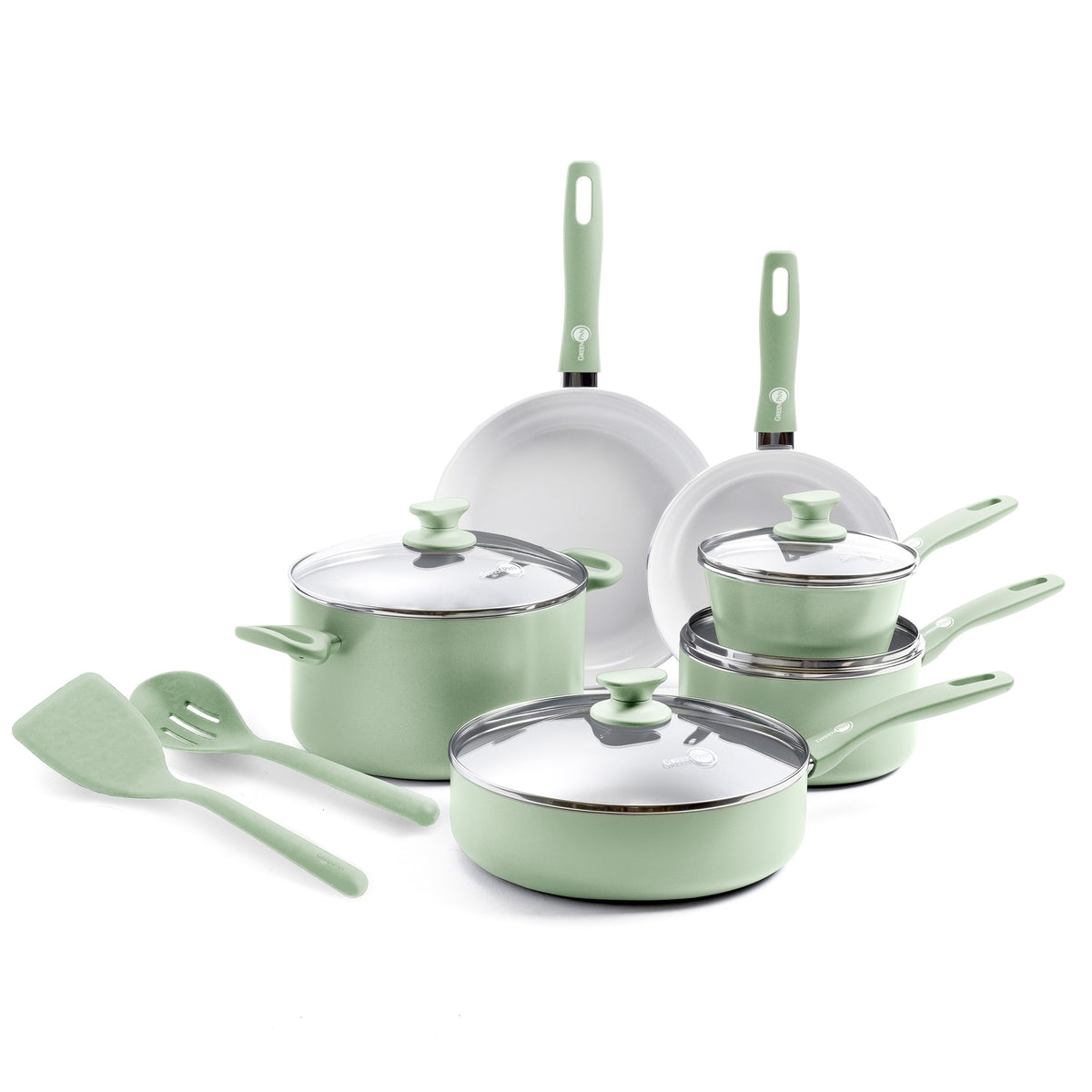
Green cookware refers to pots, pans, and kitchen tools made with materials and processes that are better for the environment. These products aim to reduce harm to nature while providing safe and healthy cooking options. Understanding the basics of green cookware helps you make smarter choices in your kitchen. It combines safer materials with eco-friendly design to protect your health and the planet.
Materials Used
Green cookware uses natural, non-toxic, and sustainable materials. These materials avoid harmful chemicals often found in traditional cookware. Common materials include:
- Ceramic: Made from natural clay and minerals, ceramic cookware is free from chemicals like PFOA and PTFE.
- Cast iron: Long-lasting and recyclable, cast iron heats evenly and improves with use.
- Stainless steel: Durable and recyclable, stainless steel cookware is safe and resistant to rust.
- Glass: Non-reactive and recyclable, glass cookware does not leach chemicals into food.
- Bamboo handles: Some green cookware uses bamboo for handles, a fast-growing and renewable resource.
Here is a quick comparison table of common green cookware materials:
| Material | Eco Benefits | Health Benefits | Durability |
|---|---|---|---|
| Ceramic | Biodegradable, low waste | No toxic chemicals | Moderate |
| Cast Iron | Recyclable, long-lasting | Safe cooking surface | High |
| Stainless Steel | Recyclable | Non-reactive | High |
| Glass | Recyclable | No chemical leaching | Moderate |
Eco-friendly Features
Green cookware is designed to minimize environmental impact. These features include:
- Non-toxic coatings: Avoid chemicals like PTFE and PFOA, which harm health and environment.
- Energy efficiency: Materials that heat quickly reduce cooking time and save energy.
- Recyclability: Cookware that can be recycled lowers waste in landfills.
- Durability: Long-lasting products reduce the need for frequent replacement.
- Low waste packaging: Eco-friendly brands use minimal and biodegradable packaging.
These features help protect the environment and promote safe cooking. Choosing green cookware supports sustainable living and reduces harmful waste. The focus is on creating products that are safe for both humans and nature throughout their life cycle.
Credit: www.greenpan.us
Benefits Of Green Cookware
Green cookware refers to pots, pans, and other kitchen tools made from eco-friendly materials. These products often use non-toxic coatings and sustainable production methods. Choosing green cookware offers many benefits. It supports health and helps protect the environment. Using green cookware means safer cooking and less waste in nature.
Health Advantages
Green cookware is designed to keep food safe and healthy. Many traditional cookware types release harmful chemicals when heated. Green options avoid these risks by using natural or safe materials. This means fewer toxins enter your meals.
Key health benefits include:
- No harmful chemicals like PFOA, PTFE, or lead
- Non-stick surfaces that do not break down easily
- Materials such as ceramic, stainless steel, or cast iron
- Better heat distribution for even cooking
Some green cookware uses natural ceramic or enamel coatings. These coatings resist scratching and peeling, reducing chemical exposure. Using cast iron or stainless steel also adds minerals like iron to food.
| Cookware Type | Health Benefit | Notes |
|---|---|---|
| Ceramic | Non-toxic, no chemical release | Good for low to medium heat |
| Cast Iron | Adds iron to food, durable | Needs seasoning to stay non-stick |
| Stainless Steel | Non-reactive, safe at high heat | Good for searing and browning |
Environmental Impact
Green cookware helps reduce pollution and waste. Traditional cookware often involves heavy metals and toxic chemicals. These cause harm during production and disposal. Green cookware uses sustainable materials and cleaner processes.
Environmental benefits include:
- Lower carbon footprint in manufacturing
- Use of recycled or renewable materials
- Longer lifespan, reducing landfill waste
- Non-toxic coatings that do not pollute air or water
Many green cookware brands avoid harmful substances like PFAS. These substances can contaminate soil and water. Choosing green products supports cleaner air and water quality. Also, some green cookware is fully recyclable or biodegradable.
| Factor | Traditional Cookware | Green Cookware |
|---|---|---|
| Material Source | Non-renewable metals, chemicals | Recycled metals, natural minerals |
| Production Pollution | High emissions, toxic waste | Lower emissions, eco-friendly methods |
| End of Life | Hard to recycle, toxic waste | Recyclable or biodegradable |
Types Of Green Cookware
Green cookware refers to pots, pans, and other cooking tools made from eco-friendly materials. These products reduce harm to the environment and promote healthier cooking. Different types of green cookware offer various benefits such as durability, non-toxicity, and energy efficiency. Understanding these types helps choose the best option for a safer kitchen and planet.
Ceramic Cookware
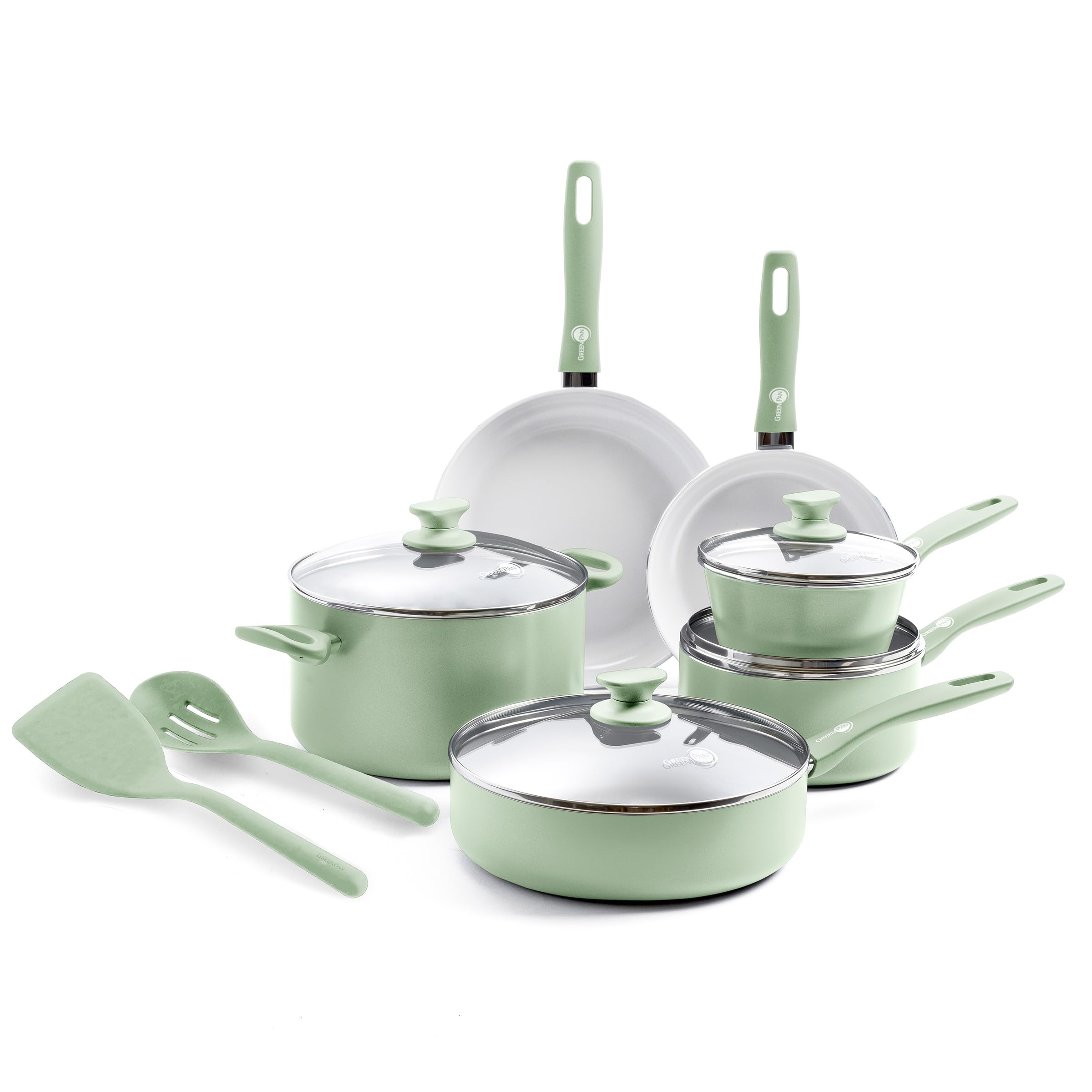
Ceramic cookware is popular for its natural, non-toxic surface. It usually features a clay-based coating free from harmful chemicals like PTFE and PFOA. This makes it safe for cooking without releasing toxins.
Key features of ceramic cookware include:
- Non-stick surface that requires little oil
- Good heat distribution for even cooking
- Easy to clean and maintain
- Lightweight compared to metal cookware
However, ceramic coatings can wear off over time. Careful handling extends their life. Avoid using metal utensils or harsh cleaning tools.
| Pros | Cons |
|---|---|
| Non-toxic, chemical-free | Coating may chip or wear out |
| Good heat retention | Not suitable for high heat cooking |
| Easy to clean | Less durable than metal options |
Cast Iron
Cast iron cookware has been used for centuries. It is made from molten iron poured into molds. This makes it very strong and long-lasting. Cast iron can be passed down through generations.
Benefits include:
- Excellent heat retention and even heating
- Natural non-stick surface when seasoned
- Enriches food with small amounts of iron
- Works on all heat sources including induction
Cast iron requires regular seasoning to keep its surface smooth and rust-free. It is heavy and needs careful cleaning and drying.
| Pros | Cons |
|---|---|
| Durable and long-lasting | Heavy and bulky |
| Improves with use | Needs maintenance to prevent rust |
| Non-toxic and chemical-free | Slow to heat up |
Stainless Steel
Stainless steel cookware is a common green choice due to its recyclability and safety. It contains no toxic coatings and does not react with acidic foods.
Main advantages:
- Highly durable and resistant to scratches
- Retains heat well but heats up quickly
- Easy to clean and dishwasher safe
- Recyclable material with a long lifespan
Stainless steel can sometimes cause food to stick if not used properly. Using oil or preheating the pan helps reduce sticking. It is suitable for high-heat cooking and oven use.
| Pros | Cons |
|---|---|
| Non-reactive and safe | Food can stick without oil |
| Durable and long-lasting | Heavier than aluminum |
| Recyclable and eco-friendly | Heat distribution may be uneven alone |
Recycled Materials
Cookware made from recycled materials supports waste reduction and sustainability. These products use metals, glass, or ceramics recovered from discarded items. This lowers the demand for new raw materials.
Types of recycled cookware include:
- Aluminum pans made from recycled cans
- Glass bakeware from recycled glass bottles
- Ceramic cookware using reclaimed clay
Recycled cookware offers eco benefits without sacrificing quality. It often matches or exceeds the durability of new materials. Choosing recycled options helps reduce landfill waste and energy use.
| Benefits | Considerations |
|---|---|
| Reduces raw material use | Availability varies by brand |
| Supports circular economy | May cost more than new materials |
| Maintains performance and safety | Check for certifications |
Credit: www.amazon.com
Choosing Green Cookware
Choosing green cookware means selecting pots and pans made from eco-friendly materials. These products reduce harm to the environment and promote healthier cooking. The choice depends on factors like durability, safety, and price. Understanding these helps pick the best green cookware for your kitchen.
Durability And Safety
Durability is key when buying green cookware. It should last many years without breaking or wearing out. Materials like stainless steel, cast iron, and ceramic offer long-lasting performance. These resist scratches and damage well.
- Stainless steel: Strong, rust-resistant, and easy to clean.
- Cast iron: Heavy but very durable and retains heat well.
- Ceramic: Non-toxic and good for non-stick cooking but can chip.
Safety means the cookware does not release harmful chemicals during cooking. Avoid pans with toxic coatings like traditional Teflon that may emit fumes when overheated. Green cookware uses natural or non-toxic coatings.
| Material | Durability | Safety | Notes |
|---|---|---|---|
| Stainless Steel | High | Non-toxic | Resists rust and corrosion |
| Cast Iron | Very High | Safe if seasoned well | Requires maintenance to prevent rust |
| Ceramic | Medium | Non-toxic, free of PTFE/PFOA | Can chip if dropped |
Tips for safety:
- Check for certifications like FDA or LFGB.
- Use proper cooking tools to avoid damage.
- Follow manufacturer instructions carefully.
Cost Considerations
Green cookware varies in price depending on material and brand. Some options cost more upfront but save money over time. Others are cheaper but may need replacement sooner.
Here is a comparison of average prices:
| Cookware Type | Average Price Range | Longevity | Value |
|---|---|---|---|
| Stainless Steel | $50 – $200 per set | 10+ years | High |
| Cast Iron | $30 – $100 per pan | 20+ years | Very High |
| Ceramic | $40 – $150 per set | 5 – 7 years | Medium |
Consider these points for cost:
- Invest in durable cookware to avoid replacements.
- Check warranty and return policies.
- Balance price with safety and eco-friendliness.
Buying green cookware is a long-term choice. Focus on quality and safety to protect health and the planet.
Care And Maintenance
Green cookware refers to pots, pans, and kitchen tools made from eco-friendly materials. These products avoid harmful chemicals and reduce environmental impact. Proper care and maintenance keep green cookware safe, efficient, and long-lasting. Taking good care helps keep the non-toxic surfaces intact and preserves their cooking quality. It also prevents damage that can reduce their lifespan. Following simple cleaning and maintenance steps ensures your green cookware stays in top shape. This section explains how to clean and maintain green cookware effectively.
Cleaning Tips
Cleaning green cookware requires gentle methods to protect the surface and materials. Harsh scrubbing or strong chemicals can damage the cookware and reduce its eco-friendly benefits. Use mild soap and warm water for daily cleaning. Avoid abrasive sponges or steel wool, which can scratch the surface.
- Hand wash only: Most green cookware is not dishwasher safe. Hand washing prevents warping and surface damage.
- Use soft cloths or sponges: Clean gently to remove food without harming the surface.
- Soak stuck-on food: Fill the cookware with warm soapy water for 15-20 minutes before cleaning.
- Dry immediately: Prevent water spots and rust by drying with a soft towel after washing.
Below is a quick comparison of cleaning methods:
| Cleaning Method | Recommended | Reason |
|---|---|---|
| Mild soap and warm water | Yes | Gentle and effective for daily cleaning |
| Abrasive sponges or steel wool | No | Can scratch and damage surface |
| Dishwasher | No | May cause warping or coating damage |
| Soaking in warm water | Yes | Loosens stuck-on food for easy removal |
Extending Cookware Life
Extending the life of green cookware depends on careful use and regular maintenance. Avoid overheating, which can break down eco-friendly coatings and materials. Use the right utensils to prevent scratches and dents. Wooden, silicone, or plastic tools work best.
- Heat control: Use medium or low heat to protect coatings and reduce energy use.
- Proper utensils: Avoid metal tools that can chip or scratch surfaces.
- Storage: Store cookware with care. Use pan protectors or cloth between stacked items to avoid damage.
- Regular inspection: Check for scratches or wear. Replace cookware if coatings peel or surfaces degrade.
The table below lists common causes of damage and how to avoid them:
| Cause of Damage | How to Avoid |
|---|---|
| Overheating | Cook at medium or low heat settings |
| Using metal utensils | Use wooden, silicone, or plastic tools |
| Stacking without protection | Place cloth or pan protectors between cookware |
| Dishwasher cleaning | Hand wash with gentle soap and water |
Green Cookware Myths
Green cookware is designed to be safer for both health and the environment. It often uses natural or non-toxic materials and avoids harmful chemicals found in some traditional cookware. Despite its benefits, many myths surround green cookware. These myths can confuse buyers and stop them from making better choices. Understanding these myths helps people choose cookware that is truly safe and eco-friendly.
Common Misconceptions
Many people believe green cookware is always expensive and fragile. Some think it cannot cook food properly or lasts for a short time. These ideas are not always true. Below are some common myths:
- Myth 1: Green cookware is too costly for everyday use.
- Myth 2: It easily scratches or breaks.
- Myth 3: It does not heat food evenly.
- Myth 4: Green cookware is hard to clean.
- Myth 5: It cannot be used on all stovetops.
Many green cookware products are made from durable materials like ceramic or stainless steel. They often come at prices similar to regular cookware. Some types, like cast iron or anodized aluminum, offer excellent heat distribution. Cleaning green cookware can be easy with simple soap and water. Also, many are safe for gas, electric, and induction stoves.
| Misconception | Reality |
|---|---|
| Expensive | Many affordable options are available |
| Fragile | Durable materials like ceramic and stainless steel |
| Poor heat distribution | Good heat retention and even cooking in many types |
| Difficult to clean | Simple cleaning methods work well |
| Limited stovetop use | Compatible with most stovetops |
Fact Vs Fiction
Separating fact from fiction is key to understanding green cookware’s true benefits. Some myths come from past products or misunderstandings. Here is a clear comparison:
- Fiction: Green cookware always uses only natural materials.
- Fact: Some green cookware mixes natural and synthetic materials for better performance.
- Fiction: Non-stick green cookware releases toxins when heated.
- Fact: Most green non-stick cookware uses safe coatings free from harmful chemicals.
- Fiction: Green cookware cannot last long with regular use.
- Fact: Many green cookware products have warranties and long lifespans.
Truth matters. Real green cookware avoids chemicals like PFOA and PFAS. These chemicals can harm health and the environment. Many brands now certify their products as toxin-free. Another fact is that green cookware can improve cooking by reducing the need for oil. This helps make meals healthier. Checking labels and certifications helps buyers avoid false claims.
| Claim | Fact |
|---|---|
| All green cookware is 100% natural | Often a mix of natural and safe synthetic materials |
| Non-stick coatings are unsafe | Many use safe, tested non-stick surfaces |
| Green cookware breaks easily | Durable with proper care and use |
| Green cookware is difficult to use | Designed for everyday cooking needs |

Credit: www.greenpan.us
Frequently Asked Questions
What Is Green Cookware Made Of?
Green cookware is made from eco-friendly materials like ceramic, cast iron, or recycled metals. These materials avoid harmful chemicals, ensuring safer cooking and less environmental impact.
How Does Green Cookware Benefit Health?
Green cookware reduces exposure to toxic chemicals like PFOA and PTFE. It promotes healthier cooking by using non-toxic, natural, and safe materials, preserving food nutrients.
Is Green Cookware Safe For All Cooking Types?
Yes, green cookware is generally safe for various cooking styles. It works well on stovetops, ovens, and sometimes induction, depending on the material used.
How To Clean And Maintain Green Cookware?
Clean green cookware with mild soap and a soft sponge. Avoid harsh chemicals and abrasive tools to preserve its eco-friendly coating and durability.
Conclusion
Green cookware helps you cook healthier meals with less harm to the planet. It uses safe materials that do not release toxins. Cleaning green cookware is easy and saves water and energy. Choosing it supports a cleaner kitchen and a cleaner Earth.
Small changes in your kitchen can make a big difference. Try green cookware to enjoy tasty food and protect nature. A simple step toward better health and the environment. Why not start today?

Hello, This is Annie Walker, a 38-year-old blogger, founder, and editor of Cookware Guider from NY, USA. I am a cookware fanatic and passionate cooker. I love to cook with different types of cooking appliances (example: all types of cookware, rice cookers, slow cookers, etc) almost every day in my kitchen. I love to share my experience with my readers in my blog. Also, I enjoy helping people to solve their problems through my website. You can follow me on Twitter & Pinterest. To know details about my blog please check the about us page.