
Have you ever wondered how to cook your favorite meals quickly while keeping them crispy and full of flavor? Pan frying might be the secret you’re looking for.
It’s a simple cooking method that can turn ordinary ingredients into delicious dishes with a golden, tasty crust. You’ll discover exactly what pan frying is, how it works, and why it could become your go-to technique in the kitchen. Stick around, and you’ll learn tips that make cooking easier and more enjoyable every time.
Credit: www.instructables.com
Pan Frying Basics
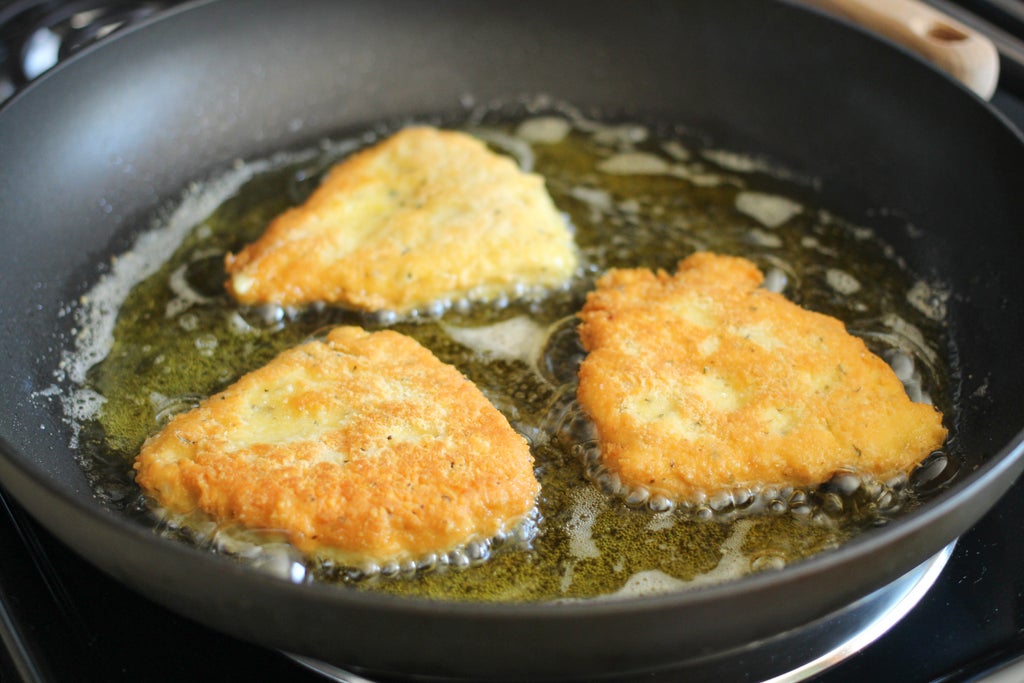
Pan frying is a popular cooking method. It uses moderate heat and a small amount of oil. This method cooks food quickly and gives it a nice, golden crust. Pan frying keeps food juicy and flavorful. It is simple and works well for many dishes.
Understanding the basics helps you cook better meals. It is important to know how pan frying works and what foods suit it best. This knowledge makes cooking easier and more enjoyable.
How Pan Frying Works
Pan frying uses a shallow pan and a little oil or fat. The heat comes from the stove, usually medium to medium-high. The oil heats up and cooks the food on contact. This creates a crispy outer layer. The inside stays tender and moist. It requires turning the food once or twice to cook evenly. The food should not be crowded in the pan. Crowding lowers the temperature and causes steaming instead of frying.
Best Foods For Pan Frying
Foods that cook quickly and have even thickness work best. Thin cuts of meat like chicken breasts, pork chops, and fish fillets are perfect. Vegetables like bell peppers, zucchini, and mushrooms also fry well. Foods with a coating, such as breaded chicken or fish, get crispy and golden. Avoid very thick or large pieces. These take longer to cook and may burn outside before inside cooks.

Credit: www.jessicagavin.com
Choosing The Right Pan
Choosing the right pan is key for successful pan frying. The pan affects how evenly food cooks and how it browns. Using the right pan helps food cook faster and taste better. Consider the pan’s material, size, and shape before you start cooking.
Materials That Work Best
Cast iron pans hold heat well and give great sear marks. They keep temperature steady during cooking. Stainless steel pans heat quickly and are easy to clean. Non-stick pans need less oil and prevent food from sticking. Copper pans heat very fast but require more care. Pick a material that fits your cooking style and care habits.
Size And Shape Tips
Choose a pan size that fits the amount of food you cook. A small pan overcrowds food and causes steaming, not frying. A larger pan lets heat spread evenly around each piece. Look for pans with low, sloped sides. They make it easy to turn food and check doneness. Avoid deep pots because they trap moisture and stop browning.
Oils And Fats For Crispiness
Choosing the right oils and fats is key to achieving perfect crispiness in pan frying. The oil must handle high heat without burning. It should also add a nice taste to the food. Different fats bring different textures and flavors. Knowing which oil suits your recipe makes all the difference.
Smoke Points To Know
Smoke point means the temperature where oil starts to burn. Burning oil creates bad flavors and harmful smoke. Oils with high smoke points are best for pan frying. Examples include avocado oil, peanut oil, and refined sunflower oil. Butter has a low smoke point and burns quickly. Mixing butter with oil raises the smoke point and adds flavor.
Flavor Profiles
Oils not only fry but also add taste. Olive oil gives a fruity, slightly peppery flavor. Coconut oil adds a mild, sweet taste. Neutral oils like canola or vegetable oil do not change the food’s flavor. Butter adds a rich, creamy taste that many enjoy. Choose oils that match the food’s flavor for the best result.
Perfect Heat Settings
Perfect heat settings play a key role in pan frying. The right temperature cooks food evenly. It creates a crispy outside and tender inside. Too hot, and food burns. Too low, and it gets soggy. Understanding heat control helps you fry like a pro.
Finding The Right Temperature
Start with medium heat for most foods. This heat cooks food without burning. Use a pan that heats evenly. Test the heat by adding a drop of water. If it sizzles and evaporates quickly, the pan is ready.
Oils with high smoke points work best. Examples include canola, vegetable, and peanut oils. They tolerate higher heat without burning. Avoid overheating oil. It can change the food’s taste and release harmful smoke.
Adjusting Heat During Cooking
Heat changes as you cook. Food absorbs heat and cools the pan. Adjust heat to keep a steady sizzle. Lower the heat if food browns too fast. Raise it slightly if cooking slows down.
Use your senses to guide you. Listen for a gentle sizzling sound. Watch for even browning. Smell the food to avoid burning. Small heat adjustments improve texture and flavor.
Preparing Food For Pan Frying
Preparing food for pan frying is an important step to get tasty results. The right prep helps food cook evenly and taste great. It also keeps food from sticking to the pan. Simple techniques like seasoning, marinating, coating, and breading make a big difference. These steps add flavor and create a nice crust on the food. Here is how to get your food ready for pan frying.
Seasoning And Marinating
Seasoning adds flavor directly to the food. Use salt, pepper, and herbs to enhance taste. Sprinkle seasoning evenly on all sides. Marinating softens meat and adds extra flavor. Mix oil, acid like lemon juice, and spices for a good marinade. Let the food sit in the marinade for at least 30 minutes. Do not marinate too long, or food may become mushy. Pat food dry after marinating to avoid splatter in the pan.
Coating And Breading Tips
Coating food helps create a crispy outside layer. Use flour, cornmeal, or breadcrumbs for coating. For better stickiness, dip food in beaten eggs before coating. Press crumbs firmly so they stick well. Use fine crumbs for a delicate crust and coarse crumbs for a crunchier texture. Avoid thick coatings that may burn or stay raw inside. Shake off extra coating to prevent clumps in the pan.
Techniques For Crispy Results
Getting crispy results from pan frying depends on careful techniques. Small details make a big difference. These methods help create a golden, crunchy surface without sogginess. Follow these steps for the best crispiness.
Proper Oil Amount
Use enough oil to cover the pan’s bottom thinly. Too little oil causes sticking and uneven browning. Too much oil makes food greasy, not crispy. The right amount heats quickly and crisps the food’s surface well.
Avoiding Overcrowding
Place food pieces with space between them in the pan. Overcrowding lowers the oil temperature. This creates steam, making food soggy. Cook in batches if needed. Keep the pan hot for even crisping.
Flipping And Timing
Flip food only once or twice during cooking. Too much turning stops crisping. Cook one side until golden and firm. Then turn gently to cook the other side. Timing depends on the food size and thickness.
Common Mistakes To Avoid
Pan frying is a simple cooking method. Yet, many beginners make mistakes that affect taste and texture. Avoiding these errors helps you cook better food every time. Focus on oil amount and temperature for best results.
Using Too Little Or Too Much Oil
Using too little oil can cause food to stick to the pan. It also makes the cooking uneven. Food may burn or dry out fast. Using too much oil makes the dish greasy and heavy. It also wastes oil and adds extra calories. Use just enough oil to cover the pan’s surface thinly. This keeps food crispy and cooks it evenly.
Cooking At Wrong Temperatures
Cooking at low temperatures makes food soggy and oily. It takes longer and changes the texture. High temperatures burn the outside while leaving the inside raw. The right temperature cooks food evenly with a crisp outside. Heat the pan first, then add oil and food. Adjust heat as needed to keep steady cooking.
Cleaning And Caring For Pans
Cleaning and caring for pans is important after pan frying. Good care keeps pans safe to use and working well. It stops food from sticking and makes cooking easier. Proper cleaning helps keep the pan’s surface smooth and shiny. Caring for pans can save money by avoiding early replacements.
Post-cooking Maintenance
Start by letting the pan cool down before washing. Use warm water and a soft sponge to clean the surface. Avoid harsh scrubbing that can damage the pan’s coating. Mild dish soap works best to remove oil and food bits. For stuck food, soak the pan in warm water for a few minutes. Dry the pan completely with a towel to stop rust or stains.
Extending Pan Lifespan
Use wooden or silicone tools to protect the pan’s surface. Avoid metal utensils that can scratch the coating. Store pans carefully, stacking with cloth or paper between them. Season cast iron pans regularly with oil to keep them non-stick. Avoid sudden temperature changes to prevent warping. Proper cleaning and gentle use help pans last longer and work better.
:max_bytes(150000):strip_icc()/How-To-Pan-Fry-FT-BLOG0424-ccbd1d3f724b469c83f00b15b0853daf.jpg)
Credit: www.foodandwine.com
Frequently Asked Questions
What Is Pan Frying In Cooking?
Pan frying is a cooking method using moderate oil heat. Food cooks quickly in a shallow pan, creating a crispy exterior and moist interior.
How Does Pan Frying Differ From Deep Frying?
Pan frying uses less oil, just enough to cover the pan’s base. Deep frying fully immerses food in hot oil, resulting in a different texture.
What Foods Are Best For Pan Frying?
Pan frying suits meats, fish, vegetables, and tofu. It’s perfect for foods needing quick cooking and a golden, crispy crust.
Can Pan Frying Be Healthy?
Yes, pan frying can be healthy with minimal oil and proper temperature. It retains nutrients better than some other frying methods.
Conclusion
Pan frying cooks food quickly using a small amount of oil. It keeps food crispy outside and tender inside. This method works well for meats, vegetables, and fish. You only need a pan and some heat to start. Pan frying is easy and saves time in the kitchen.
Try it to enjoy tasty meals with simple steps. It’s a useful skill for everyday cooking. Simple, fast, and delicious—pan frying fits many recipes and tastes.

Hello, This is Annie Walker, a 38-year-old blogger, founder, and editor of Cookware Guider from NY, USA. I am a cookware fanatic and passionate cooker. I love to cook with different types of cooking appliances (example: all types of cookware, rice cookers, slow cookers, etc) almost every day in my kitchen. I love to share my experience with my readers in my blog. Also, I enjoy helping people to solve their problems through my website. You can follow me on Twitter & Pinterest. To know details about my blog please check the about us page.