
Choosing the right cookware can make a big difference in your kitchen. If you’re tired of food sticking to your pans and struggling to clean up, finding the best non stick coating is key.
But with so many options out there, how do you know which one is truly the best for your cooking needs? You’ll discover the top non stick coatings that save you time, protect your health, and make cooking easier. Keep reading to find the perfect match for your cookware and enjoy stress-free meals every day.
Types Of Non Stick Coatings
Choosing the best non stick coating for cookware depends on the type of coating used. Different coatings offer unique benefits and drawbacks. Understanding the main types helps pick the right one for your kitchen needs. This section explains the most common non stick coatings and how they work.
Ptfe-based Coatings
PTFE (Polytetrafluoroethylene) coatings are the most popular non stick surfaces. They create a smooth, slick layer that prevents food from sticking. This makes cooking and cleaning easier.
Key features of PTFE-based coatings:
- Excellent non stick performance even with little oil
- Heat resistant up to around 500°F (260°C)
- Durable with proper care but can scratch with metal utensils
- Safe when used as directed; avoid overheating
PTFE coatings often appear as brands like Teflon. They work best for frying, sautéing, and eggs. Avoid using metal tools to extend their life. Here is a quick comparison of PTFE pros and cons:
| Pros | Cons |
|---|---|
| Superior non stick surface | Can release fumes if overheated |
| Easy to clean | Scratches easily from metal utensils |
| Widely available and affordable | Not suitable for high-heat cooking |
Ceramic Coatings
Ceramic coatings come from a natural, inorganic material baked onto the pan. They offer a non stick surface without synthetic chemicals.
Main benefits of ceramic coatings include:
- Free from PTFE and PFOA, making them eco-friendly
- Good heat resistance up to 450°F (230°C)
- More scratch-resistant than PTFE coatings
- Non toxic and safe for most cooking styles
These coatings work well for moderate heat cooking like stir-frying or light sautéing. They may lose some non stick power over time, especially if overheated or cleaned roughly.
Here is a simple pros and cons list for ceramic coatings:
- Pros: Safe, eco-friendly, and more durable
- Cons: Less slick than PTFE and may degrade faster
Silicone Coatings
Silicone coatings are less common but offer unique advantages. Made from silicone polymers, they provide a flexible, non stick surface.
Features of silicone coatings include:
- Heat resistance up to 500°F (260°C)
- Flexible and resistant to cracking
- Non toxic and odorless during cooking
- Good for baking pans and utensils
Silicone coatings do not handle high direct heat like stovetop frying well. They shine in bakeware and some low-heat cookware.
Here is a quick overview of silicone coatings:
| Advantages | Limitations |
|---|---|
| Flexible and durable | Not ideal for high heat frying |
| Safe and chemical free | Less common in general cookware |
| Good for baking and low-heat cooking | Lower non stick compared to PTFE |
Anodized Aluminum
Anodized aluminum is metal treated to create a hard, non porous surface. It is not a coating in the traditional sense but offers natural non stick properties.
Key points about anodized aluminum cookware:
- Highly durable and resistant to scratches
- Non reactive, safe for acidic foods
- Provides even heat distribution
- Usually combined with a light non stick layer
This type of cookware lasts long and can tolerate metal utensils better than coated pans. It requires seasoning to boost non stick abilities.
Benefits and drawbacks of anodized aluminum:
- Benefits: Durable, even heating, and safe
- Drawbacks: Needs seasoning and less slick than synthetic coatings
:max_bytes(150000):strip_icc()/Web_1500-SPRE-GroupShot-MFS-128-05f141feb1634128a33b2cd837df1e0a.jpg)
Credit: www.thespruceeats.com
Durability And Longevity
The durability and longevity of non-stick coatings play a crucial role in choosing the best cookware. A coating’s strength affects how long the cookware stays functional and safe to use. Non-stick pans must resist daily kitchen challenges, such as scratches, heat, and regular wear. These factors determine if the cookware will keep its non-stick properties over time. Understanding durability helps select a coating that offers long-lasting performance without frequent replacement.
Scratch Resistance
Scratch resistance is vital for non-stick coatings. Scratches damage the smooth surface, causing food to stick and making cleaning hard. Some coatings handle scratches better than others. For example, ceramic and hard-anodized coatings tend to resist scratches more effectively than traditional PTFE coatings.
Here are key points about scratch resistance:
- Material hardness: Harder materials resist scratches better.
- Use of utensils: Metal tools can easily scratch soft coatings.
- Coating thickness: Thicker layers last longer against scratches.
| Coating Type | Scratch Resistance Level | Recommended Utensils |
|---|---|---|
| PTFE (Teflon) | Low to Medium | Silicone, Wood, Plastic |
| Ceramic | High | Wood, Plastic, Silicone |
| Hard-Anodized Aluminum | High | Wood, Silicone, Plastic |
Using proper utensils and careful cleaning extends the life of the coating. Avoid metal spatulas or forks on soft coatings to reduce scratch risk.
Heat Tolerance
Heat tolerance affects how well a non-stick coating holds up during cooking. Some coatings break down or release harmful fumes at high temperatures. Choosing a coating that withstands heat ensures safety and durability.
Important facts about heat tolerance:
- PTFE coatings: Safe up to about 260°C (500°F). Higher heat can cause damage.
- Ceramic coatings: Usually resist heat up to 450°C (842°F) or more.
- Hard-anodized coatings: Can handle high heat but may lose non-stick properties over time.
| Coating Type | Maximum Safe Temperature | Notes |
|---|---|---|
| PTFE | 260°C (500°F) | Breaks down above this, avoid dry heating |
| Ceramic | 450°C (842°F) | Good for high-heat cooking |
| Hard-Anodized | Approx. 400°C (752°F) | Durable but can lose coating over time |
Maintaining proper cooking temperatures helps keep coatings intact and safe. Overheating reduces the lifespan and risks health issues.
Wear And Tear
Wear and tear describe the gradual damage from daily use. Non-stick coatings face friction, cleaning chemicals, and temperature changes that cause degradation. A coating with strong wear resistance lasts longer and performs better.
Key factors affecting wear and tear:
- Cleaning methods: Harsh scrubbing and strong detergents wear coatings faster.
- Cooking habits: Frequent high heat and metal utensils increase wear.
- Coating quality: Higher quality coatings resist wear better.
Some coatings handle wear better:
- Ceramic coatings: Resist wear but may chip if dropped.
- PTFE coatings: Wear out faster but easier to clean.
- Hard-anodized coatings: Combine durability with moderate wear resistance.
Proper care extends cookware life:
- Use soft sponges.
- Wash by hand, avoid dishwasher.
- Store carefully to avoid scratches.
Health And Safety Factors
Choosing the best non-stick coating for cookware involves more than just ease of cooking and cleaning. Health and safety factors play a crucial role in deciding which coating suits your kitchen. Some coatings can release harmful chemicals at high temperatures or wear down over time, posing risks to your health. Understanding these factors helps you pick cookware that keeps your food safe and your family healthy.
Chemical Concerns
Many traditional non-stick coatings contain chemicals that may cause health issues. One common chemical is perfluorooctanoic acid (PFOA), once used in making polytetrafluoroethylene (PTFE) coatings like Teflon. PFOA can break down at high heat and release toxic fumes.
Other chemicals to watch for include:
- PFAS (per- and polyfluoroalkyl substances) – linked to long-term health problems.
- Lead and cadmium – sometimes found in cheap coatings and harmful if ingested.
Exposure to these substances can happen if the coating scratches or overheats. Here is a simple table showing common issues:
| Chemical | Source | Health Risk |
|---|---|---|
| PFOA | PTFE coatings | Respiratory issues, cancer risk |
| PFAS | Various non-stick coatings | Hormone disruption, immune problems |
| Lead & Cadmium | Low-quality paint/coatings | Neurological damage |
Careful use and choosing safer coatings reduces chemical exposure. Avoid overheating and scratching your pans.
Non-toxic Alternatives
Many non-toxic alternatives exist that avoid harmful chemicals while still providing good non-stick performance. These options use natural or safer materials.
Popular non-toxic coatings include:
- Ceramic coatings: Made from silica and free of PTFE and PFOA. They resist heat well and do not release toxic fumes.
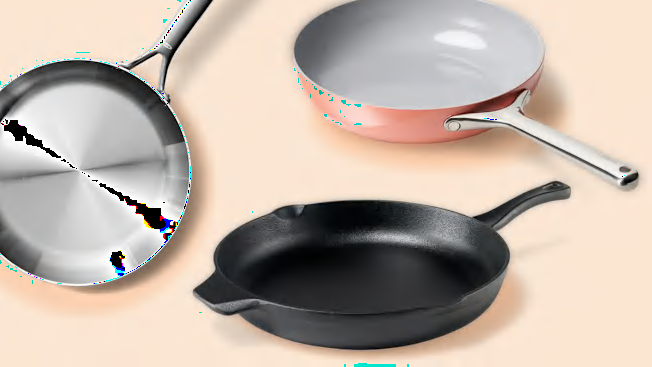
- Cast iron and stainless steel: Naturally non-stick when seasoned or used properly. They contain no synthetic chemicals.
- Enamel coatings: Glass-based and free from harmful chemicals. They are durable and safe.
These options often require different care but offer peace of mind. Here is a quick comparison:
| Coating Type | Non-Toxic | Durability | Ease of Use |
|---|---|---|---|
| Ceramic | Yes | Moderate | Easy |
| Cast Iron | Yes | High | Moderate |
| Enamel | Yes | High | Easy |
| PTFE (Teflon) | No (contains PFOA in older versions) | Moderate | Very Easy |
Choosing non-toxic coatings reduces health risks and keeps your cooking safe. Proper use and care extend the life of these coatings.
Fda And Epa Regulations
Government agencies like the FDA (Food and Drug Administration) and EPA (Environmental Protection Agency) regulate chemicals in cookware coatings. They set safety limits and approve materials for kitchen use.
The FDA focuses on:
- Approving materials safe for food contact
- Testing for chemical migration into food
- Setting manufacturing standards
The EPA controls:
- Environmental impact of chemical production
- Restrictions on toxic substances like PFOA and PFAS
- Monitoring chemical use and disposal
Compliance with these rules means cookware is tested and safer for consumers. Look for labels like:
- FDA-approved food-safe coatings
- PFAS-free or PFOA-free certification
- Third-party safety testing
These certifications give confidence in product safety. Manufacturers must follow strict rules to sell non-stick cookware in the U.S.
Performance In Cooking
Choosing the best non-stick coating for cookware greatly affects cooking performance. This performance depends on how well the pan heats, how easy it is to clean, and how food behaves during cooking. These factors influence your cooking experience and the quality of meals. Understanding these key points helps pick the right cookware for your kitchen.
Heat Distribution
Heat distribution means how evenly heat spreads across the cookware surface. Good heat distribution prevents hot spots, which burn food in some areas and leave other parts undercooked.
Non-stick coatings affect heat flow. Some coatings sit on thick bases that spread heat well, while others may cause uneven heating.
- Aluminum-based pans with non-stick coatings are popular. Aluminum spreads heat fast and evenly.
- Ceramic coatings sometimes heat slower but distribute heat more steadily.
- Hard-anodized cookware offers excellent heat conduction with durable coatings.
| Coating Type | Heat Distribution | Best Base Material |
|---|---|---|
| PTFE (Teflon) | Good | Aluminum |
| Ceramic | Moderate | Aluminum or Stainless Steel |
| Hard-Anodized | Excellent | Aluminum |
Even heat means food cooks evenly, keeping flavors balanced. Pans with poor heat distribution require more attention and stirring.
Ease Of Cleaning
Cleaning cookware easily saves time and effort. Non-stick coatings help reduce food sticking, making cleaning faster.
PTFE coatings are known for smooth surfaces that wipe clean quickly. Most food residue comes off with mild soap and a soft sponge.
Ceramic coatings resist stains well but may need gentle cleaning to avoid damage.
- Use warm water and mild detergent.
- Avoid abrasive scrubbers that damage coatings.
- Let the cookware cool before washing to prevent warping.
| Coating Type | Cleaning Ease | Recommended Cleaning Tools |
|---|---|---|
| PTFE (Teflon) | Very Easy | Soft Sponge, Mild Soap |
| Ceramic | Easy | Soft Cloth, Non-Abrasive Sponge |
| Hard-Anodized | Moderate | Soft Sponge, Mild Detergent |
Regular care extends the life of the coating. Avoid metal utensils to prevent scratches and peeling.
Food Release Quality
Food release quality means how easily cooked food slides off the pan. This property makes cooking and serving smoother.
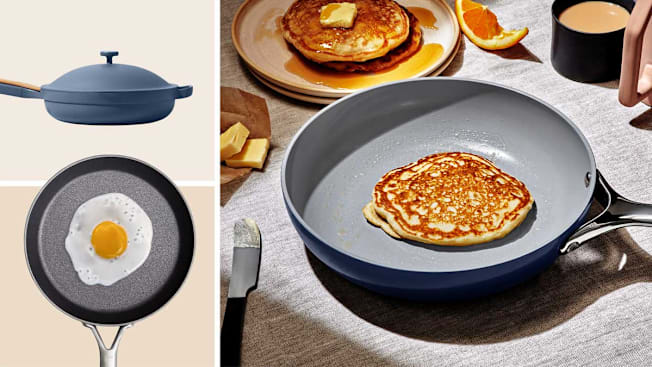
High-quality non-stick coatings reduce sticking to almost zero. Eggs, pancakes, and delicate fish cook without breaking.
Food release depends on coating type and condition:
- PTFE coatings provide excellent non-stick performance initially.
- Ceramic coatings offer good release but may lose slickness over time.
- Hard-anodized surfaces are less slippery but resist damage.
| Coating Type | Initial Food Release | Long-Term Food Release |
|---|---|---|
| PTFE (Teflon) | Excellent | Good (if cared for) |
| Ceramic | Good | Moderate (may decrease) |
| Hard-Anodized | Moderate | Moderate |
Proper use and cleaning keep food release strong. Overheating or rough scrubbing causes coating loss, increasing sticking risk.
Cost And Availability
Choosing the best non-stick coating for cookware depends greatly on cost and availability. These two factors influence which options fit your budget and how easy it is to find them. Non-stick coatings vary widely in price, and some are more common in stores or online. Understanding these aspects helps pick cookware that offers good performance without overspending.
Price Ranges
Non-stick cookware comes in a broad range of prices. The cost depends on the type of coating, brand, and cookware quality. Here is a general breakdown of price ranges:
- Basic Teflon coatings: Usually the cheapest, starting from around
$20for a single pan. - Ceramic coatings: Mid-range price, often between
$30and$70per item. - Hard-anodized and titanium-based coatings: Higher-end, usually costing
$70to$150+.
Price differences reflect durability, heat resistance, and safety features. Cheaper pans may lose their coating faster, while expensive ones last longer. Below is a simple table to compare price ranges:
| Coating Type | Price Range (USD) | Durability |
|---|---|---|
| Teflon | $20 – $50 | Low to medium |
| Ceramic | $30 – $70 | Medium |
| Titanium/Hard-anodized | $70 – $150+ | High |
Brands And Options
Many brands offer non-stick cookware with different coatings. Some brands focus on budget-friendly options, while others specialize in premium lines. Here is a list of popular brands and the coatings they offer:
- Teflon-based: T-fal, Calphalon, Farberware
- Ceramic: GreenPan, Caraway, Cuisinart
- Hard-anodized and titanium: All-Clad, Scanpan, Anolon
Each brand provides a range of options from single pans to full cookware sets. Availability can vary by location and store type. Online retailers usually offer the widest selection. Some brands also sell cookware with hybrid coatings that combine durability with non-stick quality.
Besides coatings, consider handle design, heat distribution, and size options. This variety helps find cookware that fits your cooking style and kitchen space. Brands often provide warranties, which add confidence in the product’s lifespan.
Value For Money
Value for money means getting good quality and long-lasting performance without overspending. The best non-stick coating balances cost, durability, and safety. Cheaper cookware might save money upfront but can wear out quickly. This leads to frequent replacements and more cost over time.
Consider these points for better value:
- Choose coatings that resist scratching and peeling.
- Look for cookware with even heat distribution.
- Check if the brand offers a warranty or satisfaction guarantee.
- Read user reviews to learn about real-life performance.
Spending a bit more on a high-quality coating can save money in the long run. Durable coatings reduce the need to replace pans often. Also, safer coatings free from harmful chemicals provide peace of mind.
Here is a quick comparison to evaluate value:
| Factor | Low-cost Coating | Mid to High-end Coating |
|---|---|---|
| Initial Price | Low | Medium to High |
| Durability | Lower | Higher |
| Health & Safety | Varies | Usually Better |
| Replacement Frequency | More Often | Less Often |
Credit: www.consumerreports.org
Maintenance Tips For Non Stick Cookware
Non-stick cookware makes cooking easier and cleaning faster. To keep the best non-stick coating in top shape, proper maintenance is key. Simple care steps help maintain the coating’s quality and extend the cookware’s life. Avoiding damage and wear keeps food from sticking and saves money on replacements. Follow these essential maintenance tips to get the most from your non-stick pots and pans.
Cleaning Best Practices
Cleaning non-stick cookware requires gentle care. Harsh scrubbing or strong chemicals can ruin the coating. Use warm, soapy water and a soft sponge or cloth to clean after every use. Avoid steel wool, scouring pads, or abrasive cleaners.
- Allow the pan to cool before washing to prevent warping.
- Use mild dish soap for effective yet gentle cleaning.
- Hand wash only; avoid dishwashers that can damage the coating.
- For stuck-on food, soak the pan in warm water for 10-15 minutes before wiping.
Below is a quick comparison of cleaning tools:
| Cleaning Tool | Effect on Non-Stick Coating | Recommended Use |
|---|---|---|
| Soft Sponge or Cloth | Gentle, safe for coating | Daily cleaning |
| Steel Wool | Damages coating, causes scratches | Never |
| Plastic Scraper | Safe for removing stuck food | Use with care |
| Dishwasher | Can dull or peel coating | Avoid |
Following these cleaning tips keeps the coating smooth and effective for cooking. Regular gentle care prevents peeling and extends cookware life.
Storage Advice
Proper storage protects the non-stick surface from scratches and damage. Stacking pans directly on top of each other can cause abrasions. Use protective layers between pans to avoid contact.
- Place paper towels or soft cloths between stacked cookware.
- Hang pans by their handles to prevent surface damage.
- Store cookware in a dry place to avoid rust on metal parts.
Keep lids separate or store upside down to reduce pressure on coatings. Avoid overcrowding cupboards to prevent accidental bumps. Consider dedicated racks or shelves for your non-stick cookware.
Organize pans by size for easier access and less handling. Use pan protectors available in stores for added cushioning. These small steps help preserve the coating and keep cookware looking new.
Extending Coating Life
Extending the life of non-stick coating depends on how the cookware is used. High heat can break down the coating quickly. Use low to medium heat for most cooking tasks. Preheat pans slowly and avoid heating empty pans for long periods.
- Use wooden, silicone, or plastic utensils to prevent scratches.
- Avoid cooking sprays that leave residues and damage the coating.
- Replace old or peeling cookware to maintain food safety.
Check the coating regularly for signs of wear like flaking or bubbling. Damaged coatings may release harmful substances and lose their non-stick properties. Follow manufacturer instructions for care and use.
Here is a simple care checklist to extend coating life:
- Cook on low or medium heat only.
- Use gentle utensils only.
- Hand wash with soft materials.
- Store carefully to avoid scratches.
- Inspect for damage often.
These small efforts keep cookware safe and functional for years. Proper use and care protect your investment in the best non-stick cookware.
Credit: www.consumerreports.org
Frequently Asked Questions
What Materials Are Best For Non-stick Cookware Coatings?
The best non-stick coatings include PTFE (Teflon), ceramic, and anodized aluminum. Each offers different durability, heat resistance, and safety features. PTFE is highly non-stick, ceramic is eco-friendly, and anodized aluminum provides scratch resistance and even heat distribution.
How To Choose Safe Non-stick Coatings For Cooking?
Choose coatings free from PFOA, PFAS, and harmful chemicals. Ceramic and hard-anodized surfaces are safer alternatives. Always check manufacturer certifications and reviews for health safety and long-lasting non-stick performance.
Can Non-stick Coatings Affect Cooking Quality?
Yes, coatings impact heat distribution and food release. High-quality coatings ensure even cooking and easy cleaning. Low-quality coatings may peel or degrade, affecting taste and safety.
How To Maintain Non-stick Cookware Coatings?
Avoid metal utensils and abrasive cleaners. Use low to medium heat and hand wash gently. Proper care extends coating life and preserves non-stick performance.
Conclusion
Choosing the best non-stick coating depends on your cooking needs. PTFE coatings offer easy food release and simple cleaning. Ceramic coatings are safer for high heat and free from chemicals. Consider durability and how often you cook. Always follow care instructions to keep your cookware lasting longer.
Good non-stick pans make cooking less messy and more fun. Pick the one that fits your style and kitchen habits best. This helps you enjoy cooking every day.

Hello, This is Annie Walker, a 38-year-old blogger, founder, and editor of Cookware Guider from NY, USA. I am a cookware fanatic and passionate cooker. I love to cook with different types of cooking appliances (example: all types of cookware, rice cookers, slow cookers, etc) almost every day in my kitchen. I love to share my experience with my readers in my blog. Also, I enjoy helping people to solve their problems through my website. You can follow me on Twitter & Pinterest. To know details about my blog please check the about us page.