
Choosing the right saucepan can change the way you cook every meal. But with so many materials available, how do you know which one is best for you?
The material of your saucepan affects how evenly your food cooks, how easy it is to clean, and how long your pan will last. If you’ve ever struggled with burnt sauces or uneven heating, this guide is for you. Keep reading to discover which saucepan material fits your cooking style and kitchen needs perfectly.
Your next meal could be your best yet!
Common Saucepan Materials
Choosing the right saucepan material affects cooking results and durability. Different materials transfer heat and react with food in unique ways. Understanding common saucepan materials helps pick the best one for your kitchen. Each material has strengths and weaknesses, making some better for specific tasks than others.
Stainless Steel
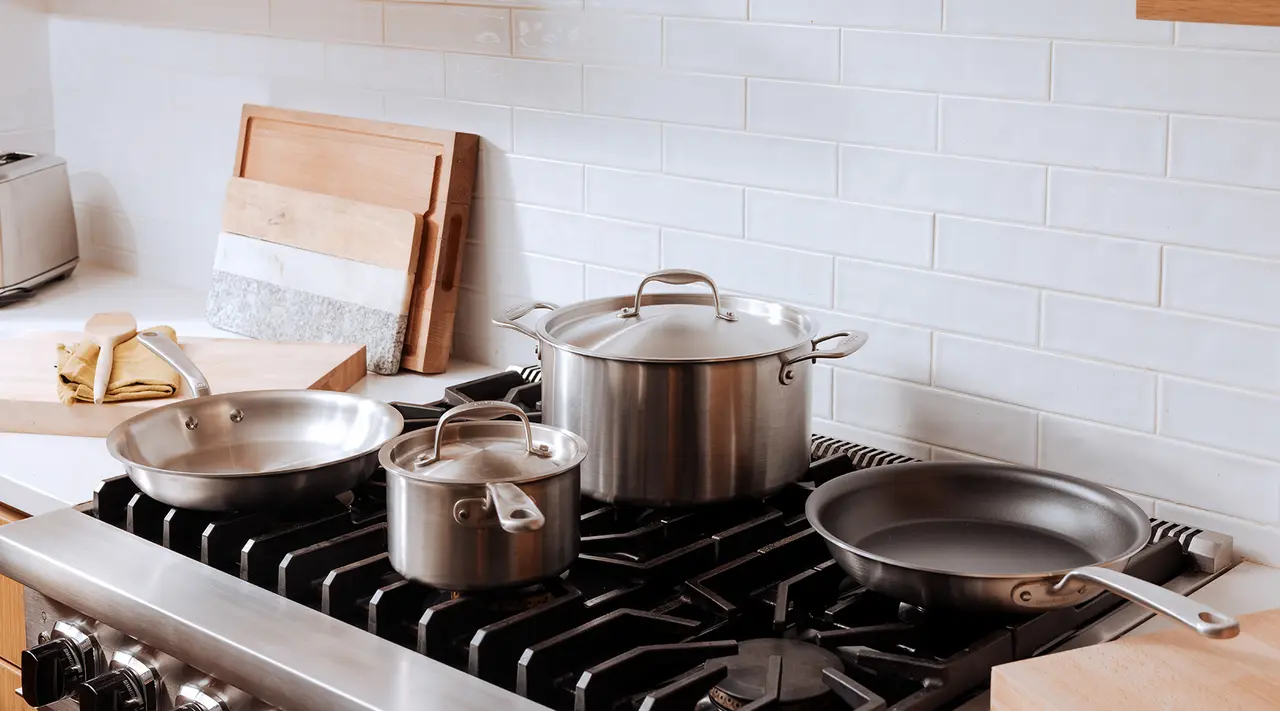
Stainless steel is a popular choice for saucepans due to its durability and resistance to rust. It does not react with acidic or alkaline foods, making it safe for all recipes. Stainless steel pans often have a layered base with aluminum or copper inside to improve heat conductivity.
Key benefits of stainless steel saucepans:
- Strong and long-lasting
- Non-reactive with food
- Easy to clean and dishwasher safe
- Can handle high heat
Common drawbacks include slower heat distribution unless combined with other metals. Stainless steel pans can develop hot spots if the base is thin. Look for pans with a thick, layered bottom for better heat control.
| Pros | Cons |
|---|---|
| Durable and rust-resistant | Slower heat conduction alone |
| Non-reactive to food | Can be heavy |
| Suitable for all cooktops | Food may stick without oil |
Aluminum
Aluminum is a great heat conductor, heating up quickly and evenly. This makes it excellent for sauces and delicate cooking. It is lightweight and affordable, making it a common choice for many kitchens.
However, aluminum reacts with acidic foods like tomatoes or citrus. This can alter the taste and damage the pan’s surface. To prevent this, many aluminum saucepans come with a non-reactive coating or anodized finish.
- Excellent heat conductor
- Light and easy to handle
- Usually more affordable
- May warp under high heat
Aluminum pans without coating can wear out faster. Anodized aluminum is harder and more resistant to scratches. It also does not react with food, combining the benefits of aluminum and stainless steel.
Copper
Copper saucepans offer unmatched heat control. They heat very fast and cool down quickly, perfect for precise cooking tasks. Copper pans often have a lining of stainless steel or tin to prevent copper from contacting food directly.
Advantages of copper saucepans include:
- Fast and even heat distribution
- Responsive to temperature changes
- Elegant, shiny appearance
Drawbacks involve higher cost and maintenance. Copper tarnishes easily and requires polishing. The lining can wear out over time and may need re-tinning or replacement.
| Pros | Cons |
|---|---|
| Superior heat control | Expensive |
| Quick to heat and cool | Needs regular polishing |
| Beautiful look | Lining may wear out |
Cast Iron
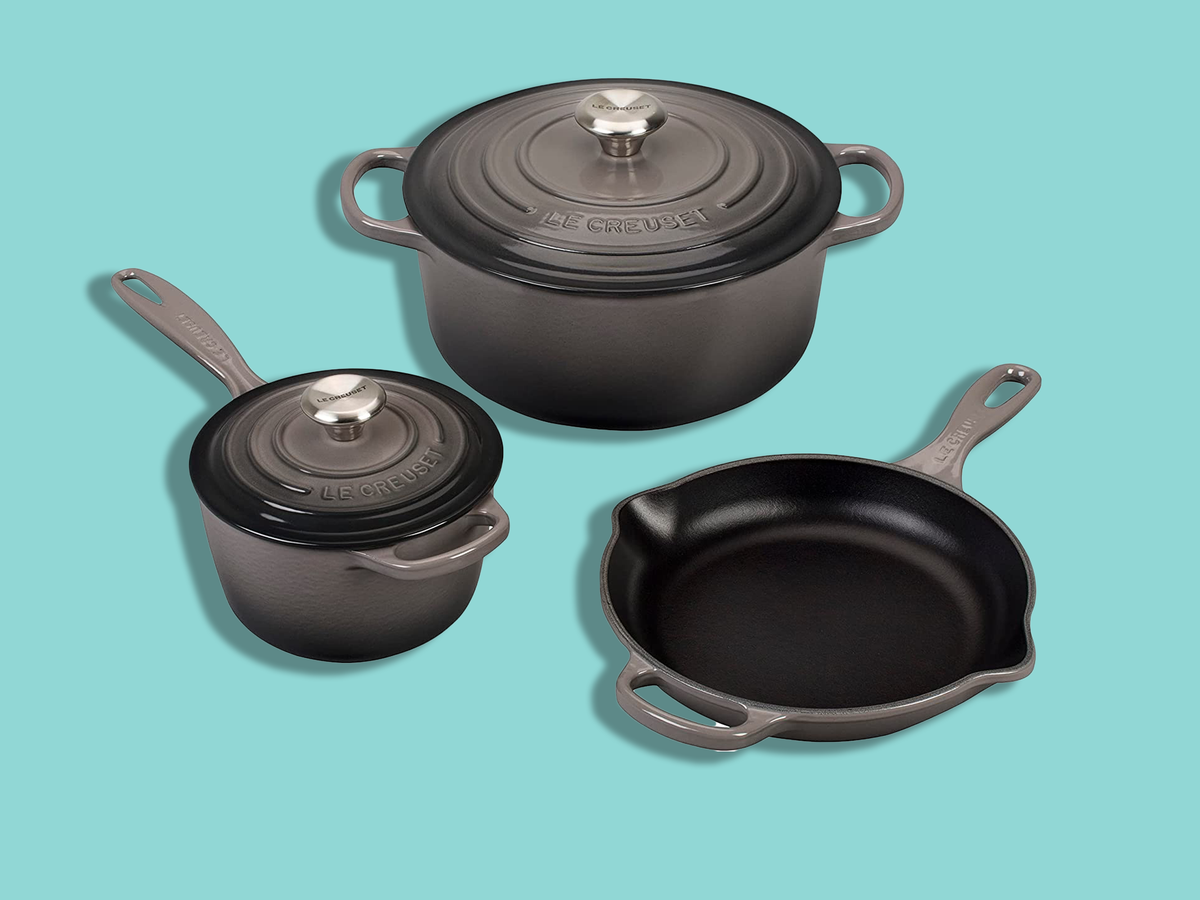
Cast iron saucepans hold heat for a long time. They are ideal for slow cooking and simmering. Cast iron is very durable and can last a lifetime if cared for properly.
Benefits include:
- Excellent heat retention
- Even cooking temperature
- Can be used on all heat sources, including ovens
Cast iron pans are heavy and need seasoning to keep their nonstick surface. Without seasoning, food can stick, and the pan may rust. Enamel-coated cast iron saucepans offer easier cleaning but are more fragile.
Seasoning involves applying oil and heating the pan to create a protective layer. This layer improves over time with regular use.
Nonstick Coatings
Nonstick saucepans have a special coating that prevents food from sticking. They require less oil, making cooking and cleaning easier. These pans are great for delicate foods like eggs and sauces.
Advantages:
- Easy food release
- Simple to clean
- Lightweight and easy to handle
Nonstick coatings can wear off over time, especially with metal utensils or high heat. Most nonstick pans are not suitable for very high temperatures. They may also be less durable than metal pans.
Look for pans with PFOA-free coatings for safer cooking. Use wooden or silicone utensils to protect the surface. Replace the pan if the coating starts to peel or scratch.

Credit: www.beka-cookware.com
Heat Conductivity And Distribution
Choosing the best saucepan material relies heavily on heat conductivity and distribution. These qualities affect cooking speed, temperature control, and the final taste of your food. Heat conductivity means how quickly a material heats up, while heat distribution shows how evenly the heat spreads across the pan. Both are crucial for efficient cooking and preventing burnt or undercooked spots.
Fast Heating Materials
Some saucepan materials heat up very quickly, saving time in the kitchen. Aluminum and copper are well-known for their fast heating abilities. These metals have high thermal conductivity, meaning they transfer heat rapidly from the stove to the food.
Benefits of fast heating materials:
- Reduce cooking time
- Allow quick temperature changes
- Help in recipes requiring precise heat control
Here is a simple comparison of some common saucepan materials and their thermal conductivities:
| Material | Thermal Conductivity (W/m·K) | Heat Speed |
|---|---|---|
| Copper | 400 | Very Fast |
| Aluminum | 205 | Fast |
| Stainless Steel | 16 | Slow |
| Cast Iron | 55 | Moderate |
Fast heating materials like copper and aluminum are excellent for tasks needing quick heat changes. They respond instantly when you adjust the stove’s temperature. This feature is perfect for cooking delicate sauces or melting chocolate.
Even Heat Spread
Even heat distribution is essential for uniform cooking. Materials that spread heat evenly prevent hot and cold spots, ensuring food cooks at the same rate. This quality improves taste and texture.
Some materials naturally distribute heat better than others. For example, copper and aluminum shine here due to their high conductivity. Cast iron also distributes heat well but takes longer to warm up.
Key points about even heat spread:
- Copper: Best for even heat distribution but expensive and needs maintenance.
- Aluminum: Affordable and spreads heat evenly but may warp under high heat.
- Cast Iron: Holds heat well and spreads it steadily but heats slowly.
- Stainless Steel: Poor heat spread alone, often combined with other metals.
Manufacturers often create pans with layers (cladding) to improve heat distribution. For example:
- Stainless steel outside for durability
- Aluminum or copper core for heat spread
This design gives pans the strength of stainless steel and the heat benefits of fast conductors.
Hot Spots Concerns
Hot spots are areas on a saucepan that get much hotter than others. They cause uneven cooking and can burn food. Hot spots often happen in materials with poor heat conductivity or uneven thickness.
Common causes of hot spots:
- Thin metal layers
- Low-quality materials
- Inconsistent pan base
- Direct contact with heating element
Materials like stainless steel alone often develop hot spots. This issue leads to food sticking or burning in certain areas. Cast iron rarely has hot spots because it holds and spreads heat well, though it takes longer to heat up.
Tips to avoid hot spots:
- Choose pans with thick, layered bases.
- Look for multi-ply or clad construction.
- Use materials with good thermal conductivity.
- Preheat pans evenly before adding food.
Understanding hot spots helps in selecting pans that cook food uniformly. It also improves your cooking experience by reducing burnt food and frustration.
Durability And Maintenance
Choosing the best saucepan material means thinking about durability and maintenance. These factors affect how long your pan lasts and how easy it is to keep it clean. A saucepan that resists damage and is simple to care for saves time and money. Knowing about scratch resistance, cleaning methods, and lifespan helps pick the right pan for everyday cooking.
Scratch Resistance
Scratch resistance shows how well a saucepan can handle rough use. Some materials are tough and stay smooth, while others scratch easily. Scratches can make pans look old and damage their cooking surface.
Here are common saucepan materials and their scratch resistance:
| Material | Scratch Resistance | Notes |
|---|---|---|
| Stainless Steel | High | Very durable, resists scratching well |
| Non-stick (Teflon) | Low | Scratches easily; use plastic or wooden tools only |
| Ceramic | Medium | Can chip or scratch with metal utensils |
| Cast Iron | High | Very tough but can rust if not cared for |
Use these tips to protect your pan’s surface:
- Always use wooden, silicone, or plastic utensils.
- Avoid stacking pans without protection.
- Do not cut or scrape food inside the pan.
Scratch resistance is key for a pan to stay useful and look good over time.
Cleaning Tips
Proper cleaning keeps a saucepan in top shape. Different materials need different care. Using the right cleaning method helps avoid damage and keeps pans safe for cooking.
Basic cleaning tips for common saucepan materials:
- Stainless Steel: Use warm water, mild detergent, and a soft sponge. For tough stains, try baking soda paste.
- Non-stick: Wash gently with a soft cloth or sponge. Avoid abrasive pads that can strip the coating.
- Ceramic: Clean with warm soapy water. Avoid metal scrubbers that can scratch the surface.
- Cast Iron: Rinse with hot water and use a stiff brush. Dry immediately and apply a thin layer of oil to prevent rust.
Common cleaning mistakes to avoid:
- Putting non-stick pans in the dishwasher often reduces lifespan.
- Using steel wool on stainless steel can leave scratches.
- Soaking cast iron for too long causes rust.
Keeping pans clean and well-maintained improves cooking and keeps food safe. Regular cleaning prevents buildup and discoloration.
Lifespan Expectations
Different saucepan materials last different lengths of time. How long a pan lasts depends on its material and how well it is cared for.
Here is a quick guide on lifespan for popular materials:
| Material | Typical Lifespan | Factors Affecting Lifespan |
|---|---|---|
| Stainless Steel | 10-20 years or more | Good cleaning and no harsh scrubbing |
| Non-stick | 3-5 years | Avoid overheating and scratching |
| Ceramic | 5-7 years | Handle carefully to avoid chips and cracks |
| Cast Iron | 20+ years, often a lifetime | Regular seasoning and drying to prevent rust |
Proper care extends a saucepan’s life. Avoid overheating, use proper utensils, and clean carefully. A durable pan can last many years and deliver great cooking results.
Credit: madeincookware.com
Health And Safety Considerations
Choosing the best saucepan material is not just about cooking performance. Health and safety are vital factors. Some materials can release harmful substances or react with food. Others might cause allergies. Understanding these risks helps pick a saucepan that keeps meals safe and healthy. This section covers non-toxic options, how materials react with food, and possible allergen risks.
Non-toxic Options
Many people want saucepans that do not release chemicals into food. Some materials are safer for health because they stay stable under heat. These include:
- Stainless Steel: Does not leach toxins and is durable.
- Ceramic: Free from metals and chemicals; great for low-fat cooking.
- Cast Iron: Adds small amounts of iron to food, which can benefit health.
- Enamel-coated: Prevents rust and blocks metal contact with food.
Some materials to avoid due to toxic risks:
- Non-stick coatings that contain PFOA or PTFE (older types).
- Aluminum without proper anodizing can leach into acidic foods.
| Material | Health Safety | Notes |
|---|---|---|
| Stainless Steel | Non-toxic | Resistant to leaching, easy to clean |
| Ceramic | Non-toxic | Good for even heat, no chemicals |
| Cast Iron | Safe | May add iron to food |
| Aluminum (uncoated) | Potential risk | Can react with acidic foods |
| Non-stick (older types) | Risky | May release harmful fumes if overheated |
Choosing materials free from harmful chemicals ensures safer cooking. Always check product labels for certification or safety standards.
Reactivity With Food
Some saucepan materials react chemically with food. This can change the taste, color, and safety of meals.
Reactive materials include:
- Aluminum and copper
- Uncoated cast iron
These metals may react with acidic or alkaline foods such as:
- Tomatoes
- Citrus fruits
- Vinegar-based sauces
The reaction can cause:
- Metallic taste
- Discoloration of food
- Possible ingestion of metal particles
Non-reactive materials like stainless steel and ceramic avoid these issues. They keep food’s natural flavor and appearance.
| Material | Reactivity Level | Best For |
|---|---|---|
| Aluminum (uncoated) | High | Non-acidic foods only |
| Copper | High | Requires lining to be safe |
| Cast Iron (uncoated) | Moderate | Good for frying but avoid acidic |
| Stainless Steel | Low | All food types |
| Ceramic | None | All food types |
Use the right material for your recipe. This keeps meals tasty and safe.
Allergen Risks
Some saucepan materials may cause allergic reactions. This is important for sensitive or allergic individuals.
Common allergen concerns:
- Nickel: Found in some stainless steel alloys, can trigger skin allergies.
- Chromium: Also in stainless steel, less common but possible irritant.
- Coatings: Some non-stick or enamel coatings may contain allergens.
People with metal allergies should:
- Choose high-quality stainless steel labeled as “nickel-free” or “hypoallergenic”.
- Use ceramic or glass cookware to avoid metal contact.
- Check for any coating ingredients before buying.
Here is a quick guide:
| Material | Allergen Risk | Advice |
|---|---|---|
| Stainless Steel (common) | Possible (nickel) | Look for hypoallergenic options |
| Ceramic | None | Safe for allergies |
| Cast Iron | None | Generally safe |
| Non-stick Coatings | Possible | Check coating ingredients |
Understanding allergen risks helps avoid reactions. Choose materials that suit your health needs.
Cost And Value
Choosing the best saucepan material involves thinking about cost and value. Price affects your choice as much as the quality and durability of the saucepan. Some materials cost less but wear out quickly, while others have a higher price but last many years. Understanding the balance between cost and value helps you pick a saucepan that fits your budget and needs.
Budget-friendly Choices
For those on a tight budget, some saucepan materials offer good performance without a high price. Aluminum and non-stick coated pans are popular budget options. They heat up quickly and are lightweight, making cooking easier.
- Aluminum: Usually the cheapest material. It heats evenly but can warp over time.
- Non-stick: Affordable and easy to clean. Best for low-fat cooking but may not last many years.
- Stainless Steel (basic grade): Slightly more expensive but durable and resistant to rust.
Here is a quick cost comparison:
| Material | Average Price Range | Durability | Maintenance |
|---|---|---|---|
| Aluminum | $15 – $30 | Moderate | Needs careful washing |
| Non-stick | $20 – $40 | Low to moderate | Avoid metal utensils |
| Basic Stainless Steel | $25 – $50 | High | Dishwasher safe |
Budget-friendly choices suit everyday cooking without much worry about the cost. They work well for simple meals and small families. These pans give value by balancing price and usefulness.
Long-term Investment
Investing in high-quality saucepan materials pays off over time. Copper, hard-anodized aluminum, and premium stainless steel offer excellent durability and cooking results. These materials often cost more upfront but last many years.
Benefits of long-term investment include:
- Better heat control: Even cooking reduces food burning.
- Stronger build: Resistant to dents and warping.
- Health safety: No harmful coatings.
- Reduced replacement costs: Save money by not buying new pans often.
Here is a look at common long-term materials:
| Material | Price Range | Longevity | Care Required |
|---|---|---|---|
| Copper | $80 – $200+ | 20+ years | Needs polishing |
| Hard-Anodized Aluminum | $60 – $120 | 10-15 years | Gentle cleaning |
| Premium Stainless Steel | $70 – $150 | 15-20 years | Dishwasher safe |
Long-term pans suit serious cooks and those who want reliable kitchen tools. They often improve cooking quality and save money over many years.
Brand Comparisons
Brands influence cost and value through their quality, warranty, and design. Some brands specialize in budget pans, while others focus on premium cookware. Comparing brands helps find the best saucepan within your price range.
- T-fal: Known for affordable non-stick pans. Good for beginners and low budgets.
- Calphalon: Offers mid-range hard-anodized aluminum. Durable and well-reviewed.
- All-Clad: Premium stainless steel with excellent heat distribution. Higher cost but top value.
- Cuisinart: Wide range of materials and prices. Reliable brand with many options.
Brand comparison table:
| Brand | Material Focus | Price Range | Warranty |
|---|---|---|---|
| T-fal | Non-stick, Aluminum | $20 – $50 | Limited lifetime |
| Calphalon | Hard-Anodized Aluminum | $50 – $150 | Limited lifetime |
| All-Clad | Stainless Steel, Copper Core | $100 – $300+ | Lifetime |
| Cuisinart | Stainless Steel, Non-stick | $30 – $150 | Limited lifetime |
Choosing a trusted brand can add value through better materials and customer support. Brands with good warranties reduce risk and protect your investment.
Best Saucepan Material For Different Cooking Styles
Choosing the best saucepan material depends on the cooking style you prefer. Different materials react differently to heat and affect the food’s taste and texture. Understanding which saucepan suits searing, simmering, or slow cooking helps get better results in the kitchen. This guide explores the best saucepan materials for various cooking methods to help pick the right one.
Searing And Browning
Searing and browning require high, even heat to create a flavorful crust on meats and vegetables. The saucepan material must handle quick temperature changes and distribute heat well.
Best materials for searing and browning:
- Cast iron: Retains heat very well and provides even cooking. Perfect for a deep, rich brown crust.
- Stainless steel: Heats quickly and offers a smooth surface for food to brown without sticking.
- Carbon steel: Heats fast and can withstand very high temperatures, ideal for professional-style searing.
Materials to avoid: Nonstick pans do not tolerate high heat well and can release harmful fumes.
| Material | Heat Retention | Heat Distribution | Ideal for Searing? |
|---|---|---|---|
| Cast Iron | Excellent | Good | Yes |
| Stainless Steel | Moderate | Good | Yes |
| Carbon Steel | Good | Excellent | Yes |
| Nonstick | Low | Fair | No |
Simmering And Sauces
Simmering and making sauces need gentle, steady heat to avoid burning or curdling. The saucepan should heat evenly and maintain low temperatures well.
Top saucepan materials for simmering and sauces:
- Stainless steel with aluminum core: Heats evenly and prevents hot spots. Great for delicate sauces.
- Enamel-coated cast iron: Holds heat steadily without reacting with acidic ingredients.
- Copper with stainless steel lining: Provides excellent heat control and quick temperature adjustment.
Material tips: Avoid materials that heat unevenly or react with acidic foods, like bare aluminum.
| Material | Heat Control | Reacts with Acidic Foods? | Best for Sauces? |
|---|---|---|---|
| Stainless Steel + Aluminum Core | Excellent | No | Yes |
| Enamel-coated Cast Iron | Good | No | Yes |
| Copper with Stainless Steel Lining | Excellent | No | Yes |
| Bare Aluminum | Good | Yes | No |
Slow Cooking
Slow cooking needs pans that keep heat steady for a long time. The material must avoid hot spots to cook food evenly over hours.
Best saucepan materials for slow cooking:
- Cast iron: Keeps heat for a long time and spreads it evenly. Ideal for stews and braises.
- Enamel-coated cast iron: Adds a smooth surface and prevents sticking during slow cooking.
- Heavy-duty stainless steel: Good for slow cooking when combined with an aluminum or copper base for heat distribution.
Consider these features:
- Good heat retention
- Even heat distribution
- Non-reactive surface
Materials like thin aluminum heat up too quickly and cool down fast. They are not suited for slow cooking.
Eco-friendly And Sustainable Options
Choosing the best saucepan material goes beyond cooking performance. Many want options that protect the planet. Eco-friendly and sustainable saucepans reduce waste, save energy, and support fair work. These choices help keep the environment safe and resources available for the future. Understanding materials and how they are made can guide smart buys.
Recyclable Materials
Recyclable saucepans lower the impact on landfills. Materials like stainless steel and cast iron are popular choices. They can be melted and reused many times without losing quality. This cuts down on the need for new raw materials.
Common recyclable saucepan materials:
- Stainless Steel: Durable and fully recyclable.
- Cast Iron: Can be recycled or repurposed easily.
- Aluminum: Lightweight and highly recyclable.
Recycling saves energy and reduces pollution compared to mining new metals. For example, recycling aluminum uses 95% less energy than producing it from ore.
| Material | Recyclability | Energy Saved by Recycling |
|---|---|---|
| Aluminum | High | Up to 95% |
| Stainless Steel | High | About 60% |
| Cast Iron | Moderate | Varies |
Choosing recyclable saucepans supports a circular economy. It reduces waste and conserves resources for future generations.
Energy Efficiency
Energy-efficient saucepans cook faster and use less fuel. This saves money and lowers carbon emissions. Materials that heat quickly and hold heat well are best.
Energy-saving features to look for:
- Good heat conduction: Copper and aluminum heat quickly and evenly.
- Heat retention: Cast iron keeps heat for longer cooking times.
- Flat, smooth base: Maximizes contact with the heat source.
Using the right saucepan can reduce cooking time by up to 30%. Less cooking time means less energy used.
| Material | Heat Conductivity (W/m·K) | Energy Efficiency |
|---|---|---|
| Copper | 401 | Very High |
| Aluminum | 237 | High |
| Stainless Steel | 16 | Moderate |
| Cast Iron | 80 | Good Heat Retention |
Energy-efficient saucepans reduce environmental harm by cutting fuel consumption. They also save money on gas or electricity bills.
Ethical Manufacturing
Ethical manufacturing means producing saucepans with respect for workers and the environment. It includes fair wages, safe workplaces, and low pollution.
Look for brands that:
- Use responsible sourcing of metals.
- Follow fair labor practices.
- Minimize chemical waste and emissions.
- Support local communities and fair trade.
Ethical production often involves certifications like Fair Trade or ISO environmental standards. These show the company meets certain social and environmental rules.
Why it matters:
- Protects workers’ rights and health.
- Reduces harmful effects on nature.
- Encourages long-term sustainability.
Buying ethically made saucepans supports better conditions in factories. It also lowers the impact on ecosystems around mining and manufacturing sites.
Credit: www.goodhousekeeping.com
Frequently Asked Questions
What Is The Healthiest Saucepan Material To Use?
Stainless steel and cast iron are the healthiest materials. They don’t leach harmful chemicals into food. Both are durable and safe for daily cooking.
Which Saucepan Material Heats Food Most Evenly?
Copper heats food most evenly due to excellent thermal conductivity. It allows precise temperature control, reducing hot spots and burning risks during cooking.
Are Non-stick Saucepans Safe For Cooking?
Non-stick saucepans are safe if used correctly. Avoid overheating and scratching to prevent toxic fumes or coating damage. They are easy to clean and ideal for low-fat cooking.
What Saucepan Material Is Best For Induction Stoves?
Magnetic stainless steel and cast iron work best on induction stoves. They attract the stove’s magnetic field and heat efficiently without damage.
Conclusion
Choosing the best saucepan material depends on your cooking needs. Stainless steel offers durability and easy cleaning. Nonstick pans make cooking and washing simple. Cast iron holds heat well but needs care. Copper heats quickly but costs more. Think about your budget and how you cook most.
The right saucepan can make cooking easier and more fun. Try different types to see what fits you best. Good pans help create great meals every day.

Hello, This is Annie Walker, a 38-year-old blogger, founder, and editor of Cookware Guider from NY, USA. I am a cookware fanatic and passionate cooker. I love to cook with different types of cooking appliances (example: all types of cookware, rice cookers, slow cookers, etc) almost every day in my kitchen. I love to share my experience with my readers in my blog. Also, I enjoy helping people to solve their problems through my website. You can follow me on Twitter & Pinterest. To know details about my blog please check the about us page.