
Are you tired of rice that turns out sticky, mushy, or undercooked? You’re not alone.
Cooking rice perfectly can feel tricky, but once you know the best way, it becomes simple and foolproof. Imagine fluffy, separate grains every time you cook—just like your favorite restaurant. You’ll discover easy tips and tricks that will transform your rice-making skills.
Keep reading, and you’ll never settle for less than perfect rice again.
Choosing The Right Rice
Choosing the right rice is key to making a perfect meal. Different types of rice have unique textures and flavors. Picking the right grain can change the whole dish. This guide helps you know which rice fits your recipe best.
Types Of Rice Grains
Rice comes in many forms. The main types are long grain, medium grain, and short grain. Long grain rice stays fluffy and separate after cooking. It is great for dishes like pilaf or biryani. Medium grain rice is softer and slightly sticky. It works well in paella and risotto. Short grain rice is sticky and clumps together. Sushi and sticky rice dishes need this type.
Matching Rice To Dishes
Each dish needs a rice type that suits its texture. For fried rice, use long grain rice that dries well. Risotto needs creamy, soft medium grain rice. Sticky rice pairs well with Asian meals and desserts. Choose rice that complements the flavors and cooking style of your dish. This ensures the best taste and texture every time.
Preparing Rice Before Cooking
Preparing rice before cooking is an important step. It helps improve the texture and taste. Proper preparation also removes dirt and excess starch. This section explains simple methods to get rice ready.
Rinsing And Soaking
Rinsing rice removes extra starch and dust. Place rice in a bowl and add cold water. Swirl the rice gently with your hand. Drain the water carefully. Repeat this process two to three times. The water should run clear at the end.
Soaking rice softens the grains. It also helps rice cook evenly. Soak rice in fresh water for 20 to 30 minutes. Drain before cooking. Soaking is especially good for long-grain and basmati rice.
Measuring Rice And Water
Measuring rice and water correctly affects cooking results. Use a standard measuring cup for rice. One cup of rice usually needs one and a half to two cups of water. Different types of rice need different water amounts. Follow package instructions when possible.
Too much water makes rice mushy. Too little water leaves it hard or undercooked. Use a consistent measurement method every time. This ensures rice cooks perfectly every time.
Cooking Methods
Rice cooks well using different methods. Each method gives rice a unique texture and flavor. Choosing the right method depends on your tools and time. Below are some popular ways to cook rice at home.
Stovetop Technique
The stovetop method is traditional and simple. Use a pot with a tight lid to keep steam inside. Rinse the rice to remove extra starch. Add water in the right amount for fluffy rice. Bring water to a boil, then lower heat to simmer. Cook covered until water is absorbed. Let the rice rest before serving.
Rice Cooker Benefits
A rice cooker makes cooking rice easy and hands-free. It controls temperature and cooking time automatically. The rice stays warm after cooking without drying out. Most rice cookers have settings for different rice types. It saves time and ensures consistent results. Cleaning is simple because of non-stick pots.
Microwave Cooking
Microwave cooking is fast and uses little energy. Place rinsed rice and water in a microwave-safe bowl. Cover it with a microwave-safe lid or plastic wrap. Cook at high power in intervals, stirring between. Let the rice sit after cooking to finish steaming. This method works well for small portions.
Instant Pot And Pressure Cooking
Instant Pot cooks rice quickly with pressure and steam. Add rice and water in the pot. Use the rice or manual setting for cooking. The pressure seals in moisture and heat evenly. Rice cooks fast and comes out soft and fluffy. This method is great for busy days.
:max_bytes(150000):strip_icc()/The-Best-Way-to-Cook-Rice-FT-BLOG0725-hero-10466fb4879249938db0fba9f1672072.jpg)
Credit: www.foodandwine.com
Water-to-rice Ratios
Water-to-rice ratios are key to cooking perfect rice every time. Using the right amount of water affects texture, fluffiness, and taste. Too much water makes rice mushy. Too little leaves it hard and dry. Finding the right balance helps you cook rice that is soft but not sticky.
Adjusting For Grain Type
Different rice types need different water amounts. Long-grain rice like basmati needs less water. Use about 1.5 cups of water per 1 cup of rice. Short-grain rice absorbs more water. Use 1.75 to 2 cups of water per 1 cup of rice. Brown rice has a tough outer layer. It needs more water and longer cooking time. Use 2 to 2.5 cups of water per 1 cup of brown rice.
Altitude And Texture Considerations
High altitude affects how rice cooks. Water boils at lower temperatures there. Use more water to keep rice soft. Add about 1/4 cup extra water per cup of rice. Texture matters too. For firmer rice, use less water. For softer rice, add a little more water. Small changes make big differences in rice texture.
Heat And Timing Tips
Heat and timing play a big role in cooking rice well. Too much heat or too little can change the texture. The right timing helps the rice cook evenly and stay fluffy. These tips guide you to cook rice with ease.
Simmering Vs Boiling
Boiling rice means cooking it in very hot water. This can make rice soft but may break grains. Simmering uses lower heat and gentle bubbles. It helps rice cook slowly and keep shape. Simmering is best for fluffy rice without mush.
Cooking Duration For Perfect Texture
Short cooking times leave rice hard and crunchy. Long cooking times make rice mushy and sticky. For white rice, cook about 15-20 minutes on low heat. Brown rice needs 40-45 minutes to soften well. Check rice often near the end to avoid overcooking. Timing controls how soft or firm rice turns out.
Fluffing And Resting Rice
Fluffing and resting rice are key steps after cooking. These steps improve texture and taste. Rice often looks sticky or clumpy right after cooking. Fluffing helps separate the grains. Resting allows moisture to balance inside the rice. Together, they create light, fluffy rice every time.
Importance Of Letting Rice Rest
Resting rice lets steam finish cooking the grains. It helps the rice absorb any leftover moisture. This process stops rice from being wet or mushy. Resting for 5 to 10 minutes works well. The rice firms up slightly and gains a better texture. Skipping this step can cause sticky or uneven rice.
Techniques For Fluffing Grains
Use a fork or rice paddle to fluff rice gently. Avoid stirring hard or pressing down. Lift and turn the rice softly to separate grains. Fluffing lets air reach between grains. This stops rice from clumping together. Do this just before serving for the best texture. Fluffing also cools the rice slightly for easier eating.
Common Mistakes To Avoid
Cooking rice may seem simple, but many people make mistakes that ruin its texture and taste. Avoiding these common errors helps you get fluffy, perfect rice every time. Below are some key mistakes to watch out for.
Overcooking And Undercooking
Rice cooks quickly, but timing is important. Overcooked rice becomes mushy and sticky. Undercooked rice stays hard and chewy. Both ruin the eating experience. Use a timer and check rice near the end of cooking.
Adding Too Much Water
Using too much water makes rice soggy and soft. Too little water leaves rice dry and undercooked. Measure water carefully. Follow the rice package instructions or use the right water-to-rice ratio for the type you cook.
Skipping The Rinse
Many skip rinsing rice before cooking. Rinsing removes excess starch and dirt. This step helps prevent rice from clumping and keeps grains separate. Rinse rice under cold water until it runs clear.

Credit: www.youtube.com
Enhancing Flavor And Texture
Rice is a simple dish that can taste amazing with small changes. Enhancing its flavor and texture makes it more enjoyable. Small tweaks can turn plain rice into a tasty side or main dish. Here are some easy ways to improve your rice cooking.
Using Broth Instead Of Water
Replace water with broth to add depth to your rice. Chicken, beef, or vegetable broth works well. The broth gives rice a rich, savory taste. It also adds extra nutrients and color. Use low-sodium broth to control salt levels.
Adding Herbs And Spices
Add herbs like thyme, bay leaves, or parsley to the cooking pot. Spices such as cumin, turmeric, or cinnamon add warmth and aroma. These small additions boost flavor without much effort. Fresh herbs can be added after cooking for a fresh taste.
Incorporating Fats
Cook rice with a bit of oil or butter for better texture. Fats help grains stay separate and add richness. Use olive oil, coconut oil, or butter depending on taste. Adding fats also improves mouthfeel and flavor depth.
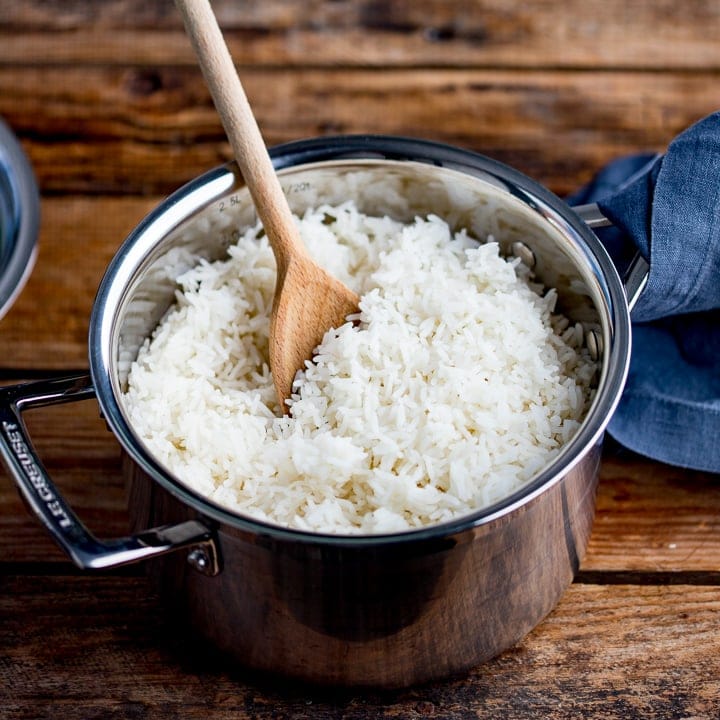
Credit: www.kitchensanctuary.com
Frequently Asked Questions
What Is The Easiest Method To Cook Perfect Rice?
The easiest way is using the absorption method. Measure rice and water, boil, then simmer with a lid. This ensures fluffy, evenly cooked rice every time without extra effort.
How Much Water Is Needed For Cooking Rice?
Use a 2:1 water-to-rice ratio for most white rice types. Brown rice requires more water, about 2. 5 cups per cup of rice. Adjust water based on rice variety for perfect texture.
Can I Cook Rice Without A Rice Cooker?
Yes, cooking rice on a stovetop is simple. Boil water, add rice, cover, simmer on low heat. Let it rest off heat for 10 minutes to finish cooking.
Should Rice Be Rinsed Before Cooking?
Rinsing rice removes excess starch, preventing stickiness. Wash rice under cold water until it runs clear. This step improves texture and results in fluffier rice.
Conclusion
Cooking rice well takes practice and patience. Use the right water-to-rice ratio for fluffy grains. Rinse rice to remove extra starch and prevent stickiness. Choose the cooking method that fits your kitchen tools. Let rice rest after cooking to absorb moisture fully.
With these simple steps, you can enjoy perfect rice every time. Keep trying and find what works best for you. Simple tips make a big difference in taste and texture. Rice can be easy and tasty with the right approach.

Hello, This is Annie Walker, a 38-year-old blogger, founder, and editor of Cookware Guider from NY, USA. I am a cookware fanatic and passionate cooker. I love to cook with different types of cooking appliances (example: all types of cookware, rice cookers, slow cookers, etc) almost every day in my kitchen. I love to share my experience with my readers in my blog. Also, I enjoy helping people to solve their problems through my website. You can follow me on Twitter & Pinterest. To know details about my blog please check the about us page.