
Are you trying to decide between an electric and a radiant cooktop for your kitchen? Understanding the difference can save you time, money, and frustration.
Both types look similar but work in very different ways, affecting how your food cooks and how easy your cooktop is to use. By the end of this article, you’ll know exactly which option fits your cooking style and needs.
Keep reading to make the best choice for your kitchen and enjoy cooking like never before!
Electric Cooktops Basics
Electric cooktops are common in many kitchens. They use electricity to heat pots and pans for cooking. These cooktops are easy to use and clean. Many homes prefer them for their simple design and reliable performance.
Understanding how electric cooktops work helps you make better choices. It also shows what features to expect. Knowing popular models can guide your next kitchen upgrade.
How Electric Cooktops Work
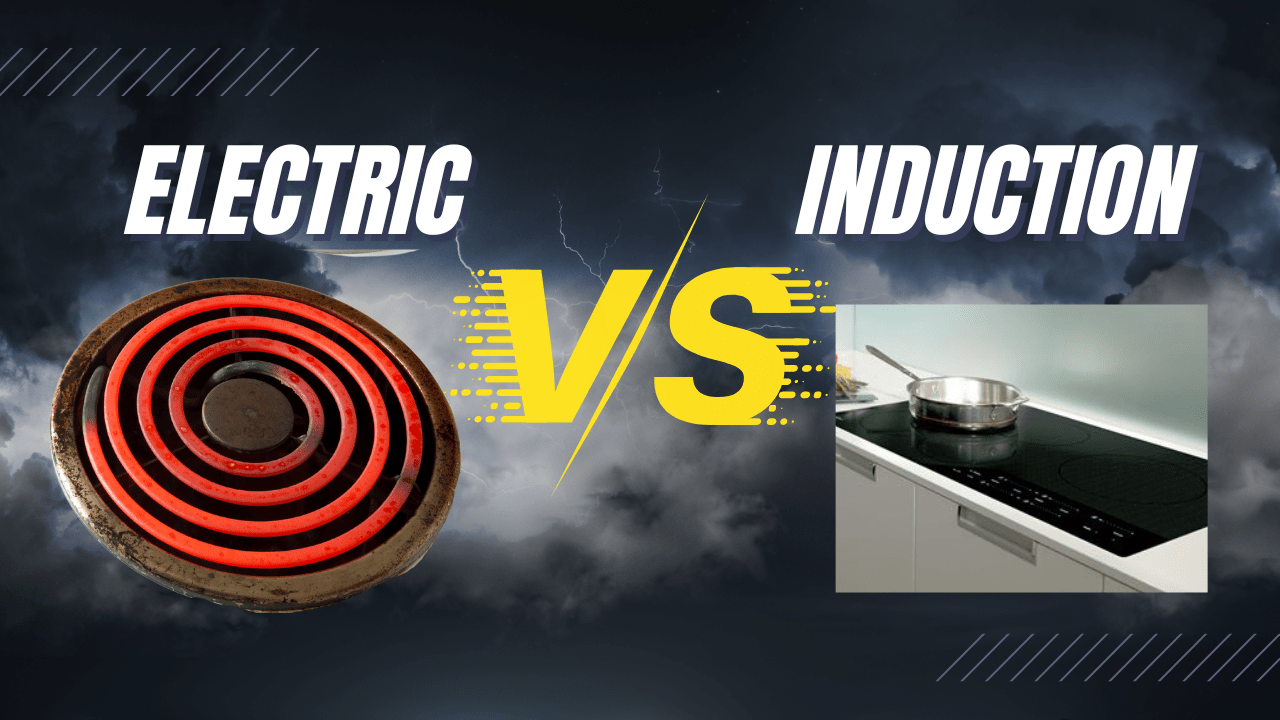
Electric cooktops heat using metal coils or flat heating elements. Electricity flows through these elements, creating heat. The heat then transfers to the cookware above. The temperature can be adjusted using control knobs or touch panels. The cooktop surface can be coil-based or smooth glass-ceramic.
Common Features
Most electric cooktops come with adjustable heat settings. Safety features like auto shut-off are common. Some models have indicator lights that show when the surface is hot. Smooth glass tops are easier to clean than coil types. Many have multiple burners of different sizes for varied cooking needs.
Popular Models
Popular electric cooktops include brands like GE, Whirlpool, and Frigidaire. Models vary from basic coil units to advanced glass-ceramic tops. Some offer digital controls and timers. Prices and sizes also differ to fit various kitchens. These models balance performance, safety, and ease of use.
Radiant Cooktops Essentials
Radiant cooktops are a popular choice for many kitchens. They offer smooth, easy-to-clean surfaces and even heating. Many people prefer them for their simple design and reliable cooking performance.
Understanding how radiant cooktops work and their design helps you make a smart choice for your kitchen. Let’s explore the basics of radiant cooktops and the popular models available.
How Radiant Cooktops Work
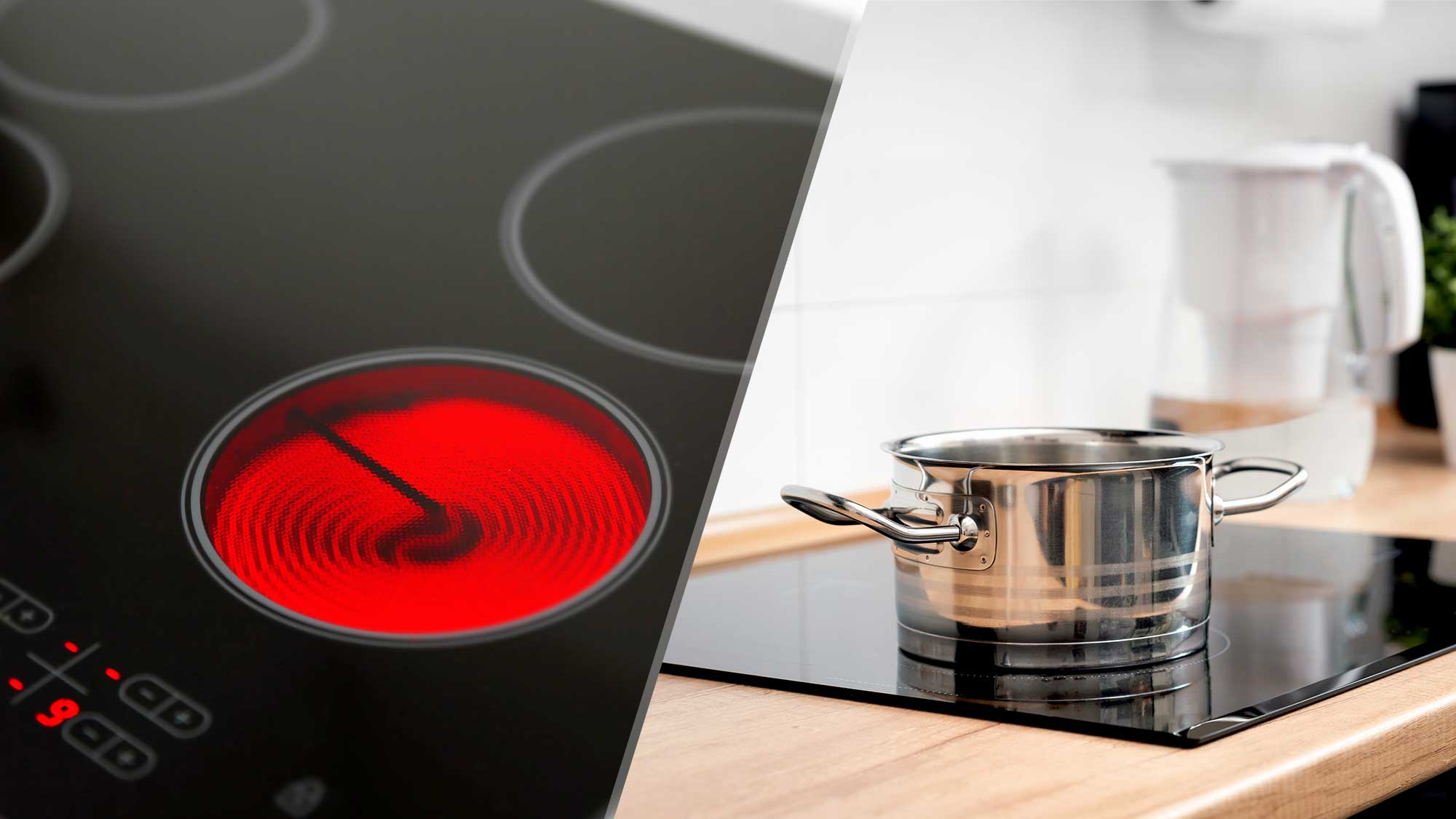
Radiant cooktops use electric heating elements hidden under a smooth glass surface. These elements heat up and transfer warmth through the glass to your pots and pans. The heat spreads evenly, allowing steady cooking.
The surface stays warm for a while after cooking. This helps keep food warm but requires care to avoid burns. Controls let you adjust the heat for different cooking needs.
Design And Materials
Radiant cooktops have a sleek glass-ceramic top. This surface looks modern and is easy to clean. The glass resists scratches and high temperatures.
Underneath, the heating elements are made of metal coils or ribbon wires. These parts heat quickly and last long. The flat design fits well in most kitchens and offers a smooth cooking space.
Popular Options
Many brands offer radiant cooktops with various sizes and heat settings. Some models include touch controls for easy temperature changes. Others have knob controls for a simple feel.
Common sizes range from two to five burners. Some cooktops include safety features like hot surface indicators. These warn you when the surface is still hot after cooking.
Performance Comparison
Performance plays a key role in choosing between electric and radiant cooktops. Each type has unique features that affect cooking speed, heat control, and energy use. Understanding these differences helps pick the best cooktop for your kitchen.
Heating Speed
Electric cooktops take longer to heat up. They use coils under the surface that warm slowly. Radiant cooktops heat faster because the heating element is directly below the glass. This means radiant cooktops reach cooking temperatures quicker.
Temperature Control
Electric cooktops offer steady heat but change temperature slowly. This can make precise cooking harder. Radiant cooktops adjust heat faster and more smoothly. This helps in cooking dishes that need careful temperature control.
Energy Efficiency
Radiant cooktops use energy more efficiently. Their fast heating means less electricity is wasted. Electric cooktops lose some energy as heat escapes from coils. Radiant cooktops keep more heat focused on the cooking surface.

Credit: www.fixr.com
Installation And Maintenance
Understanding the installation and maintenance of electric and radiant cooktops helps you choose the right one. Both types need specific setups and care to work well and last long. This section explains what you need to know.
Setup Requirements
Electric cooktops need a strong electrical connection. Usually, a 240-volt outlet is required. Make sure your kitchen wiring can handle this power.
Radiant cooktops also require a 240-volt connection. They fit into standard countertop cutouts. Installation often involves securing the unit and connecting power safely.
Both types should be installed by a professional. This ensures safety and proper operation.
Cleaning Tips
Electric cooktops have coils or smooth tops. Clean spills quickly to avoid stains. Use mild soap and a soft cloth.
Radiant cooktops have a smooth glass surface. Avoid abrasive cleaners to prevent scratches. Wipe with a damp cloth and dry immediately.
Regular cleaning keeps the cooktops looking good and working well.
Durability Factors
Electric cooktops are sturdy but coils can wear out over time. Glass tops need careful handling to avoid cracks.
Radiant cooktops are durable but glass surfaces can chip if hit hard. Heat elements under the glass last many years.
Proper use and care extend the life of both cooktops.
Safety Considerations
Safety is a top priority when using any cooktop. Electric and radiant cooktops have different risks and safety features. Understanding these can help you prevent accidents in the kitchen.
Each type of cooktop heats differently, which affects how you should use and watch them. Being aware of safety details can protect your family and home.
Heat Exposure Risks
Electric cooktops heat through electric coils under a smooth surface. The surface can stay hot even after turning off. This can cause burns if touched by mistake.
Radiant cooktops use heating elements that glow red. They also stay hot for some time after cooking. Both types need careful handling to avoid burns.
Child Safety Features
Many electric and radiant cooktops include child lock features. These locks stop children from turning on the cooktop. Some models also have warning lights showing if the surface is hot.
Keep knives and hot pots away from children. Teaching kids about hot surfaces helps prevent accidents.
Emergency Precautions
Know how to turn off the cooktop quickly. Unplug or switch off the power if there is a fire or smoke. Keep a fire extinguisher nearby and learn how to use it safely.
Never use water to put out a grease fire. Use a lid or fire blanket to cover flames. Call emergency services if the fire grows too big.
Cost And Value
Choosing between electric and radiant cooktops involves understanding their cost and value. This helps make a smart purchase that fits your budget and needs.
Cost includes more than just the price tag. Think about how much you pay now and in the future. Also, consider the support and warranty offered by the brand. These factors can save money over time.
Initial Price Range
Electric cooktops usually cost less upfront. Basic models are affordable for many budgets. Radiant cooktops tend to be pricier due to advanced heating elements. The design and materials also raise their price.
Long-term Expenses
Electric cooktops use standard heating coils. They may need more frequent repairs or part replacements. Radiant cooktops have sealed heating elements that last longer. Energy use varies, with radiant models often heating faster and using less power.
Warranty And Support
Most cooktops come with a one-year warranty. Some brands offer extended coverage for radiant cooktops. Check the warranty details carefully before buying. Good customer support can help fix problems faster. This reduces downtime and extra costs.
Choosing The Right Cooktop
Choosing the right cooktop is important for your kitchen and daily cooking. Different cooktops suit different needs. Knowing your habits, space, and budget helps you decide. This guide explains these factors clearly.
Cooking Habits
Think about how you cook each day. Electric cooktops heat evenly and work well for slow cooking. Radiant cooktops heat faster and offer quick temperature changes. If you like quick meals, radiant may fit better. For steady cooking, electric is a good choice.
Kitchen Space
Measure your kitchen space carefully. Radiant cooktops usually need less space and fit modern kitchens. Electric cooktops can be larger and need more room. Choose a cooktop that fits your kitchen size. This keeps your space neat and safe.
Budget Priorities
Set a clear budget before buying. Electric cooktops often cost less upfront. Radiant cooktops might cost more but save energy. Think about long-term savings and initial cost. Pick a cooktop that matches your budget and goals.
Credit: sawhorse.net
Credit: www.tomsguide.com
Frequently Asked Questions
What Are The Main Differences Between Electric And Radiant Cooktops?
Electric cooktops use coil elements, while radiant cooktops have smooth glass surfaces with hidden heating elements. Radiant cooktops heat evenly and are easier to clean. Electric coil cooktops heat faster but have exposed coils that can be harder to maintain.
Which Cooktop Heats Food Faster: Electric Or Radiant?
Electric coil cooktops generally heat food faster due to direct contact with the coil. Radiant cooktops take a bit longer because heat transfers through the glass surface. However, radiant cooktops provide more consistent heat for even cooking.
Are Radiant Cooktops Easier To Clean Than Electric Ones?
Yes, radiant cooktops are easier to clean. Their smooth glass surface prevents food from getting stuck in coils or gaps. Electric coil cooktops have exposed coils that collect spills and require more effort to clean thoroughly.
Is Energy Efficiency Better In Electric Or Radiant Cooktops?
Radiant cooktops tend to be more energy-efficient as they retain heat better in the glass surface. Electric coil cooktops lose more heat to the surrounding air due to exposed coils. Radiant models also offer precise temperature control, saving energy.
Conclusion
Electric and radiant cooktops both heat food well but work differently. Electric cooktops use coils, while radiant ones use a glass surface that heats up. Each type has its benefits and small drawbacks. Choosing the right cooktop depends on your cooking style and kitchen needs.
Think about how fast you want to cook and how easy cleaning should be. Both options can fit well in many homes. Understanding their difference helps you pick the best for you. Simple and clear choices make cooking more enjoyable every day.

Hello, This is Annie Walker, a 38-year-old blogger, founder, and editor of Cookware Guider from NY, USA. I am a cookware fanatic and passionate cooker. I love to cook with different types of cooking appliances (example: all types of cookware, rice cookers, slow cookers, etc) almost every day in my kitchen. I love to share my experience with my readers in my blog. Also, I enjoy helping people to solve their problems through my website. You can follow me on Twitter & Pinterest. To know details about my blog please check the about us page.