
When it comes to cooking, the cookware you choose can affect more than just the taste of your meals—it can impact your health. You might not realize it, but some pots and pans release harmful chemicals when heated.
So, what is the least toxic cookware you can use to keep your food safe and healthy? If you want to protect yourself and your loved ones from unwanted toxins, it’s important to know which materials are safest. Keep reading to discover the best options for non-toxic cookware that fits your kitchen and lifestyle.
Common Cookware Materials
Choosing the right cookware affects your health and cooking quality. Many materials exist, each with benefits and risks. Knowing common cookware materials helps pick the least toxic options for safe cooking.
Stainless Steel
Stainless steel is popular for its durability and safety. It contains iron, chromium, and nickel. The chromium forms a thin layer that stops rust and corrosion.
Stainless steel cookware:
- Does not react with food, keeping flavors pure.
- Handles high heat well without releasing toxins.
- Is easy to clean and dishwasher safe.
Some people worry about nickel allergies. But for most, stainless steel is safe and non-toxic. Look for 18/10 stainless steel, which means 18% chromium and 10% nickel. It offers the best corrosion resistance.
| Pros | Cons |
|---|---|
| Durable and long-lasting | Can leach nickel in rare cases |
| Non-reactive with food | Food can stick without oil |
| Easy to clean and maintain | Heats unevenly without layered base |
Cast Iron
Cast iron is known for excellent heat retention and durability. It can last generations with proper care. Many trust it for healthy cooking without chemicals.
Key features of cast iron:
- Can increase iron content in food, helpful for anemia.
- Needs seasoning to create a natural nonstick surface.
- Heavy and requires hand washing to avoid rust.
Seasoning protects the pan and improves cooking. Avoid soaking in water or using soap often. Cast iron can react with acidic foods, causing metallic taste. Use enameled cast iron for acidic dishes.
| Pros | Cons |
|---|---|
| Non-toxic and chemical-free | Heavy and bulky |
| Improves with age and use | Requires maintenance and seasoning |
| Great heat retention | Can react with acidic foods |
Ceramic
Ceramic cookware offers a nonstick surface made from natural materials. It is free from metals and toxic chemicals like PTFE or PFOA.
Benefits of ceramic cookware:
- Heats evenly and retains heat well.
- Non-reactive, so no flavor changes.
- Easy to clean with minimal oil needed.
Some ceramic coatings can wear out over time and lose nonstick quality. Look for high-quality 100% ceramic or ceramic-coated options without harmful chemicals. Avoid cheap ceramics that may contain lead or cadmium.
| Pros | Cons |
|---|---|
| Non-toxic and chemical-free surface | Less durable than metal cookware |
| Good heat distribution | Nonstick may degrade after years |
| Lightweight and easy to handle | Can chip or crack if dropped |
Nonstick Coatings
Nonstick cookware uses coatings like PTFE (Teflon) to prevent food sticking. It makes cooking and cleaning easier but raises safety concerns.
Key points about nonstick coatings:
- Older PTFE coatings may release toxic fumes if overheated above 500°F.
- Newer nonstick coatings use safer materials but still have limited lifespan.
- Scratches can expose base metals or harmful chemicals.
Nonstick pans work best with low to medium heat and gentle utensils. Avoid metal tools to prevent damage. Alternatives like ceramic nonstick avoid PTFE but may wear faster.
| Pros | Cons |
|---|---|
| Easy cooking and cleaning | Can release toxins if overheated |
| Food sticks less | Coating wears and peels over time |
| Lightweight and affordable | Not suitable for high heat |
Copper
Copper cookware provides excellent heat conduction and control. It heats up quickly and cools fast, giving precise cooking.
Important facts about copper:
- Pure copper reacts with acidic foods, causing toxicity and taste issues.
- Often lined with stainless steel or tin to avoid direct contact with food.
- Requires polishing to maintain shine and prevent tarnish.
Copper pans are expensive and need careful maintenance. Look for lined copper cookware to ensure safety. Use copper for sauces and delicate dishes where heat control matters.
| Pros | Cons |
|---|---|
| Superior heat conduction | Needs regular polishing |
| Precise temperature control | Can react with food if unlined |
| Beautiful appearance | Expensive and heavy |
Glass Cookware
Glass cookware is non-reactive and completely free from metals or chemicals. It is ideal for baking and microwaving.
Glass cookware features:
- Does not leach chemicals or metals into food.
- Transparent, so you can watch cooking progress.
- Easy to clean and dishwasher safe.
Glass can break or chip if dropped. It does not conduct heat well, so it is not suitable for stovetop cooking. Use glass mainly for oven and microwave recipes.
| Pros | Cons |
|---|---|
| 100% non-toxic and inert | Fragile and breakable |
| Safe for oven and microwave | Not for stovetop use |
| Easy to clean and maintain | Slower heat transfer |
Toxicity Concerns In Cookware
Choosing the right cookware is important for health and safety. Many pots and pans can release harmful substances during cooking. These substances may cause health problems over time. Toxicity concerns in cookware focus on chemicals that can leach, heavy metals that can expose users, and risks linked to nonstick coatings. Understanding these risks helps pick safer cookware.
Chemical Leaching
Chemical leaching happens when substances from cookware mix with food. This usually occurs at high heat or with acidic foods like tomato sauce or lemon juice. Some materials release chemicals that can affect the body negatively.
Common chemicals that may leach:
- Aluminum: Can leach into acidic or salty food, possibly affecting brain health.
- Cadmium: Found in low-quality ceramics; toxic even in small amounts.
- Lead: Sometimes present in older or cheap ceramic glazes; harmful for children and adults.
- Phthalates and BPA: Found in some plastic handles or coatings, can disrupt hormones.
Use this table to see typical cookware materials and their leaching risks:
| Cookware Material | Leaching Risk | Common Chemicals Released |
|---|---|---|
| Aluminum | High with acidic foods | Aluminum ions |
| Ceramic (low quality) | Moderate to High | Lead, Cadmium |
| Stainless Steel | Low | Nickel, Chromium (in rare cases) |
| Cast Iron | Low to Moderate | Iron (generally safe) |
Choosing cookware made from high-quality stainless steel or well-coated cast iron reduces chemical leaching risks. Avoid damaged or chipped ceramic pots to prevent metal exposure.
Heavy Metal Exposure
Heavy metals like lead, cadmium, and nickel can enter food through cookware. These metals build up in the body and cause health issues such as organ damage and nervous system problems.
Sources of heavy metal exposure in cookware:
- Cheap or unregulated ceramic glazes with lead or cadmium.
- Metal alloys with nickel or chromium that corrode over time.
- Cast iron releasing iron, which is usually safe but can be too much in rare cases.
Health concerns linked to heavy metal exposure:
- Lead: Brain damage, especially in children.
- Cadmium: Kidney damage and bone loss.
- Nickel: Allergic reactions and skin problems.
Table shows heavy metals and their health effects:
| Heavy Metal | Health Effects | Cookware Source |
|---|---|---|
| Lead | Brain and nervous system damage | Old or cheap ceramic glazes |
| Cadmium | Kidney damage, bone weakness | Low-quality ceramic cookware |
| Nickel | Allergic skin reactions | Stainless steel alloys |
Pick cookware from trusted brands. Avoid damaged or old ceramic and metal pieces. Season cast iron properly to limit metal release.
Nonstick Coating Risks
Nonstick cookware often uses a coating called PTFE, known as Teflon. This coating prevents food from sticking but can release toxic fumes if heated too high. These fumes cause flu-like symptoms in humans and can kill pet birds.
Key risks of nonstick coatings:
- Heating above 500°F (260°C) breaks down the coating.
- Fumes contain harmful chemicals like PFOA and PFAS.
- Scratched or damaged coatings release particles into food.
Many nonstick pans were made with PFOA, now mostly banned. Some newer coatings claim to be safer but still carry risks at high heat.
Follow these tips to reduce risks:
- Use medium or low heat only.
- Replace pans when coating peels or scratches.
- Use wooden or silicone utensils to avoid damage.
- Consider ceramic or stainless steel alternatives.
Table below compares common nonstick coatings:
| Coating Type | Material | Heat Tolerance | Toxicity Concerns |
|---|---|---|---|
| PTFE (Teflon) | Polytetrafluoroethylene | Up to 500°F (260°C) | Releases toxic fumes if overheated |
| Ceramic | Silica-based | Up to 700°F (370°C) | Generally safer, but may chip |
| Anodized Aluminum | Electrochemically treated aluminum | High heat tolerant | Low toxicity, durable |
Safe Cookware Choices
Choosing safe cookware is essential for healthy cooking and avoiding harmful chemicals. Many cookware types contain toxins that can leach into food during cooking. Selecting materials that do not release toxins ensures food stays pure and safe. Safe cookware choices are durable, non-reactive, and free from harmful coatings. This section explores some of the least toxic options that suit everyday use and offer peace of mind in the kitchen.
Uncoated Stainless Steel Benefits
Uncoated stainless steel is a popular choice for safe cookware. It contains no non-stick coatings or chemicals that can break down with heat. This type of cookware is made from a mix of metals like iron, chromium, and nickel, creating a strong, durable surface.
Advantages of uncoated stainless steel include:
- Does not release harmful chemicals into food.
- Highly durable and resistant to scratches and dents.
- Non-reactive, so it won’t change the taste or color of food.
- Works well for browning, searing, and boiling.
- Easy to clean and maintain with proper care.
It is important to note that uncoated stainless steel may stick if not used correctly. Using enough oil and preheating the pan helps prevent sticking. Below is a quick comparison of stainless steel and other cookware materials:
| Feature | Uncoated Stainless Steel | Non-stick Coated Cookware |
|---|---|---|
| Toxicity | Very low; no chemical coatings | Potential toxic coatings |
| Durability | High; resists scratches and dents | Lower; coatings can wear off |
| Maintenance | Requires seasoning or oil to prevent sticking | Easy; non-stick surface |
Seasoned Cast Iron Advantages
Seasoned cast iron cookware is another excellent choice for safe cooking. It forms a natural non-stick surface through seasoning, which means applying oil and heating the pan repeatedly. This process creates a layer that protects food from direct contact with iron and prevents rust.
Benefits of seasoned cast iron include:
- Free from synthetic chemicals and coatings.
- Provides natural non-stick properties when properly seasoned.
- Adds a small amount of iron to food, which can be beneficial.
- Extremely durable and can last for decades.
- Suitable for high-heat cooking, like frying and baking.
Seasoned cast iron requires regular maintenance to keep its protective layer strong. Avoid soaking it in water and always dry it immediately. Below is a simple care guide:
- Clean with hot water and a brush, no soap.
- Dry completely to avoid rust.
- Apply a thin layer of oil after each use.
- Store in a dry place.
100% Ceramic Cookware
100% ceramic cookware is made from natural clay and minerals. It does not contain metals or synthetic chemicals. This cookware type is fully non-stick without using harmful coatings.
Main features of ceramic cookware:
- Non-toxic and chemical-free surface.
- Non-stick quality for easy cooking and cleaning.
- Even heat distribution prevents hot spots.
- Retains heat well, making it energy efficient.
- Available in various colors and styles.
Ceramic cookware should be handled carefully to avoid chips and cracks. It is best for low to medium heat cooking. Avoid sudden temperature changes to protect the ceramic layer. The table below lists pros and cons of ceramic cookware:
| Pros | Cons |
|---|---|
| Non-toxic, no PTFE or PFOA | Fragile; can chip or crack |
| Easy to clean | Not ideal for very high heat |
| Good heat retention | May lose non-stick quality over time |
Glass And Enamel Options
Glass and enamel cookware provide safe, non-toxic options for cooking. Glass cookware is made from heat-resistant glass that does not leach chemicals. Enamel cookware consists of metal coated with a layer of glass-like enamel, offering a smooth, safe cooking surface.
Advantages of glass and enamel cookware:
- Non-reactive and free from toxic chemicals.
- Easy to clean and dishwasher safe.
- Glass is ideal for baking and microwaving.
- Enamel cookware is durable and suitable for stovetop and oven use.
- Available in many colors and designs.
Enamel cookware needs care to avoid chipping the coating. Avoid dropping or hitting it against hard surfaces. Glass cookware can break if dropped but is safe under normal kitchen use. Below is a brief comparison:
| Material | Best Uses | Care Tips |
|---|---|---|
| Glass | Baking, microwaving, storing | Avoid sudden temperature changes |
| Enamel | Stovetop, oven, slow cooking | Handle gently to avoid chipping |
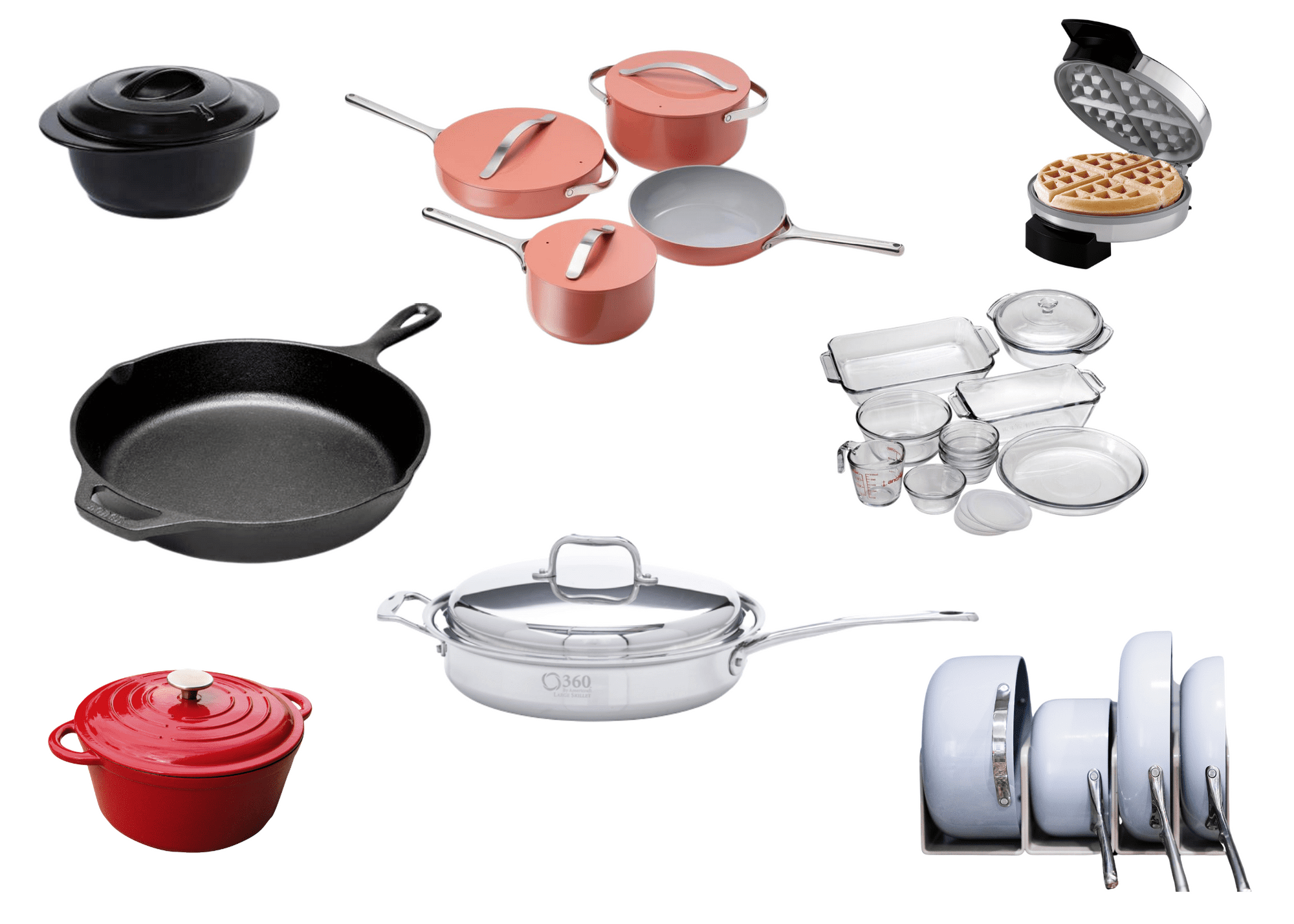
Credit: gurlgonegreen.com
Avoiding Harmful Cookware
Choosing the right cookware is important for healthy cooking. Many pots and pans release harmful chemicals when heated. These chemicals can mix with food and cause health problems over time. Avoiding harmful cookware helps keep meals safe and tasty. It also protects your family from toxic substances. Knowing what to avoid makes it easier to pick the best cookware for your kitchen.
Pfoa And Pfas In Nonstick Pans
Nonstick pans are popular because they need less oil and are easy to clean. But many nonstick coatings contain PFOA (Perfluorooctanoic Acid) and PFAS (Per- and polyfluoroalkyl substances). These chemicals can be harmful to health. They may cause hormone disruption and other health issues. When nonstick pans get very hot, they can release these toxic chemicals into the air.
Key facts about PFOA and PFAS:
- PFOA is linked to cancer and liver damage.
- PFAS are called “forever chemicals” because they do not break down easily.
- Long-term exposure may affect the immune system.
- Many brands now offer PFOA-free nonstick pans.
Check cookware labels carefully. Choose pans labeled as PTFE-free or made with safer nonstick coatings like ceramic. Use nonstick pans on low or medium heat to reduce chemical release.
Aluminum Risks
Aluminum cookware is lightweight and affordable. Yet, it has risks to consider. Aluminum can react with acidic or salty foods. This reaction may cause the metal to leach into food. Consuming high levels of aluminum is linked to health concerns, including possible brain effects.
Here is a summary of aluminum cookware risks:
| Risk | Details |
|---|---|
| Metal leaching | Aluminum can enter food, especially with acidic dishes. |
| Health effects | Possible links to neurological issues with excess exposure. |
| Durability | Scratches easily, increasing leaching risk. |
Many aluminum pans come with a protective coating. This coating helps limit contact with food. Avoid cooking very acidic foods in uncoated aluminum pans. Choose anodized aluminum, which is harder and safer.
Cheap Coated Cookware
Low-cost cookware often uses poor-quality coatings. These coatings can chip, peel, or wear out quickly. When this happens, toxic particles may mix with food. Cheap coatings may also contain unsafe chemicals not listed on labels.
Problems with cheap coated cookware include:
- Coating damage during normal use.
- Release of harmful substances when scratched.
- Short lifespan and waste production.
- False claims about non-toxicity.
Investing in mid-range or high-quality cookware reduces risks. Look for well-known brands with clear safety standards. Check customer reviews for coating durability. Proper care extends cookware life and keeps food safe.
Maintaining Cookware Safety
Maintaining cookware safety is essential to keep your kitchen healthy and your food free from harmful chemicals. Even the least toxic cookware can release unwanted substances if not handled correctly. Proper care extends the life of your pots and pans and helps you avoid health risks. This section explains how to use and care for your cookware safely.
Proper Use And Care
Using cookware properly ensures it stays safe and lasts longer. Start by choosing the right utensils. Avoid metal spoons or forks that can scratch non-stick surfaces. Use wooden, silicone, or plastic tools instead. Follow the manufacturer’s instructions for cleaning and storage.
Here are some tips for proper cookware care:
- Hand wash non-stick and ceramic pans with mild soap.
- Do not soak
- Season cast iron
- Store pans
| Cookware Type | Recommended Care | What to Avoid |
|---|---|---|
| Stainless Steel | Dishwasher safe; hand wash for better life | Abrasive cleaners, harsh scrubbing pads |
| Non-stick | Hand wash with soft sponge | Metal utensils, high heat |
| Cast Iron | Hand wash, dry, and season regularly | Soap soaking, dishwasher |
| Ceramic | Gentle hand wash; avoid sudden temperature changes | Metal utensils, thermal shock |
Avoiding High Heat
High heat can damage cookware and release toxic fumes, especially from non-stick pans. Cooking at medium or low heat protects your pans and food safety. Some materials, like ceramic and cast iron, handle heat better but still need care.
Reasons to avoid high heat include:
- Non-stick coating breaks down and releases harmful chemicals.
- Warping or cracking of pans due to thermal stress.
- Food burns easily, creating harmful compounds.
Here is a simple guide to cooking temperatures for common cookware:
| Cookware Type | Safe Heat Level | Max Temperature |
|---|---|---|
| Non-stick | Low to medium | 350°F (175°C) |
| Stainless Steel | Medium to high | 500°F (260°C) |
| Cast Iron | Medium to high | 600°F (315°C) |
| Ceramic | Low to medium | 400°F (205°C) |
Use low heat for delicate foods and non-stick surfaces. Use higher heat only with durable cookware like stainless steel or cast iron. Always preheat pans slowly to avoid damage.
Regular Inspection For Damage
Checking your cookware regularly keeps it safe to use. Look for scratches, chips, or worn coatings that can release toxins into food. Replace or repair damaged items promptly.
Follow this checklist for inspection:
- Examine the surface for scratches, cracks, or peeling.
- Check handles for looseness or damage.
- Test the pan’s flatness; warped pans heat unevenly.
- Inspect non-stick coatings for peeling or flaking.
Damaged cookware risks food contamination and uneven cooking. Here are signs you should replace your cookware:
- Flaking or peeling surface
- Deep scratches exposing metal underneath
- Warped or bent base
- Loose or broken handles
Maintain a safe kitchen by inspecting cookware every few months. Clean thoroughly before inspection to see damage clearly. Proper maintenance lowers health risks and improves cooking results.

Credit: nourishedwithnatalie.com

Credit: viagiulian.com
Frequently Asked Questions
What Is The Safest Cookware Material To Use?
The safest cookware materials include stainless steel, cast iron, and ceramic. These materials do not release harmful chemicals when heated. They are durable, non-reactive, and free from toxic coatings, making them ideal for everyday cooking and health-conscious users.
Are Non-stick Pans Toxic For Health?
Traditional non-stick pans may release toxic fumes when overheated. However, newer ceramic non-stick coatings are safer alternatives. Always choose PFOA-free and PTFE-free cookware to avoid exposure to harmful chemicals commonly found in older non-stick varieties.
How To Identify Non-toxic Cookware?
Look for cookware labeled PFOA-free, PTFE-free, and heavy metal-free. Materials like stainless steel, cast iron, and ceramic are generally non-toxic. Avoid scratched or damaged non-stick pans to prevent chemical leaching into food during cooking.
Is Cast Iron Cookware Considered Toxic?
Cast iron cookware is non-toxic and safe for cooking. It naturally releases small amounts of iron into food, which can be beneficial. Proper seasoning and care prevent rust and maintain a safe, non-reactive cooking surface.
Conclusion
Choosing the least toxic cookware helps keep your family safe and healthy. Materials like stainless steel, cast iron, and glass release fewer harmful chemicals. Avoid non-stick pans with harmful coatings to reduce risks. Simple changes in your kitchen can improve your food’s safety.
Clean your cookware well and replace old pots when needed. Healthy cooking starts with smart choices in your kitchen tools. Your body will thank you for using safer cookware every day.

Hello, This is Annie Walker, a 38-year-old blogger, founder, and editor of Cookware Guider from NY, USA. I am a cookware fanatic and passionate cooker. I love to cook with different types of cooking appliances (example: all types of cookware, rice cookers, slow cookers, etc) almost every day in my kitchen. I love to share my experience with my readers in my blog. Also, I enjoy helping people to solve their problems through my website. You can follow me on Twitter & Pinterest. To know details about my blog please check the about us page.