
Choosing the right nonstick cookware can feel confusing. You want pots and pans that make cooking easy but also keep your family safe.
With so many options and warnings about harmful chemicals, how do you know what nonstick cookware is truly safe for your kitchen? This guide will help you understand what to look for, so you can cook with confidence and protect your health.
Keep reading to discover the safest choices for your home.
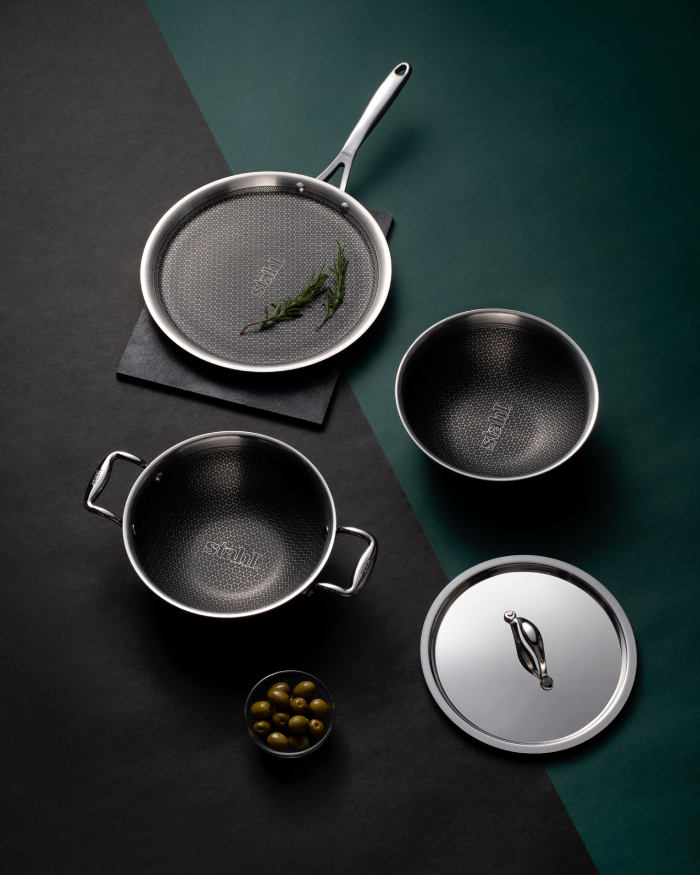
Credit: stahlkitchens.com
Types Of Nonstick Coatings
Choosing the right nonstick cookware means understanding the different types of coatings available. Each coating offers unique benefits and safety features. Knowing these types helps you pick cookware that fits your cooking style and health needs. Below, we explore the main types of nonstick coatings commonly found in kitchens today.
Ptfe-based Coatings
PTFE (Polytetrafluoroethylene) coatings are among the most popular nonstick surfaces. They provide excellent food release and are easy to clean. This type is often known by brand names like Teflon. PTFE coatings work best at low to medium heat and should never be overheated above 500°F (260°C) to avoid releasing harmful fumes.
Key features of PTFE coatings include:
- Very smooth surface for easy food release
- Requires less oil or butter during cooking
- Durable but can scratch if metal utensils are used
- Safe when used properly and not overheated
| Advantages | Disadvantages |
|---|---|
| Excellent nonstick ability | Can release fumes if overheated |
| Easy to clean | Surface may scratch with metal tools |
| Widely available and affordable | Not suitable for very high-heat cooking |
Ceramic Coatings
Ceramic coatings are made from a silica-based gel applied to metal pans. They offer a natural nonstick surface without chemicals like PTFE or PFOA. Ceramic is heat resistant and can handle higher temperatures than PTFE coatings, often up to 600°F (315°C).
Benefits of ceramic coatings include:
- Free from harmful chemicals
- Good for high-heat cooking
- Nonstick surface when new
- Environmentally friendly production
Drawbacks to consider:
- Coating may wear off faster than PTFE
- Careful cleaning required to maintain nonstick
- Some brands vary in quality
Ceramic cookware works well for frying, sautéing, and baking. It is a great choice for those seeking chemical-free options. Avoid sudden temperature changes to prevent cracking.
Anodized Aluminum
Anodized aluminum cookware is aluminum treated with an electrochemical process. This creates a hard, non-reactive surface that resists scratching and corrosion. It is not naturally nonstick but often combined with a nonstick coating or used alone for durability.
Features of anodized aluminum include:
- Strong and long-lasting surface
- Even heat distribution
- Resistant to acidic foods
- Often dishwasher safe
While anodized aluminum provides some stick resistance, it usually needs oil or butter for cooking. It is a good choice for users who want a tough pan without chemical coatings. This cookware stays cooler on handles and is lighter than cast iron.
Cast Iron And Seasoned Surfaces
Cast iron cookware develops a natural nonstick surface through seasoning. Seasoning means coating the pan with oil and heating it to create a smooth, protective layer. This surface improves with use and proper care.
Advantages of cast iron include:
- Very durable and long-lasting
- Excellent heat retention
- Non-toxic and chemical-free
- Can be used on any heat source, including open flames
Seasoned cast iron requires regular maintenance:
- Clean without soap to preserve seasoning
- Dry thoroughly to avoid rust
- Reapply oil after each use
Cast iron offers a safe nonstick option with great cooking performance. It may require more care but rewards with better flavor and lifespan.
Health Concerns With Nonstick Cookware
Nonstick cookware offers convenience and easy cleanup, but many people worry about its safety. Health concerns arise mainly from the materials and chemicals used in the coatings. Understanding these concerns helps choose cookware that is safer for everyday use. This section explains key health issues linked to nonstick cookware and what to watch out for.
Chemical Emissions At High Heat
When nonstick pans get very hot, they can release harmful chemicals into the air. These emissions come from the breakdown of the nonstick coating. The most common type of coating, PTFE (polytetrafluoroethylene), starts to degrade at temperatures above 500°F (260°C). This can produce toxic fumes that may cause flu-like symptoms, known as “polymer fume fever.”
Common facts about chemical emissions at high heat:
- Safe cooking temperatures: Keep pans below 500°F to avoid fumes.
- Ventilation is key: Use exhaust fans or open windows when cooking.
- Pets are vulnerable: Birds are especially sensitive to fumes and can be harmed.
| Temperature Range | Effect on Nonstick Coating | Health Risk |
|---|---|---|
| Below 500°F (260°C) | Coating remains stable | Low risk of chemical emissions |
| 500°F – 660°F (260°C – 350°C) | Coating begins to break down | Possible release of toxic fumes |
| Above 660°F (350°C) | Rapid degradation of coating | High risk of harmful emissions |
To reduce risks, avoid preheating empty nonstick pans and cook on medium or low heat.
Potential Toxins In Coatings
Nonstick coatings often contain chemicals that may pose health risks. The most common is PTFE, but some older or cheaper pans use PFOA (perfluorooctanoic acid), a chemical linked to health problems. Although PFOA is mostly phased out, some cookware might still contain traces.
Key toxins to know about:
- PFOA: Used in manufacturing; linked to cancer and hormone disruption.
- PFAS (Per- and polyfluoroalkyl substances): A group of chemicals that includes PFOA; persistent in the environment.
- Heavy metals: Some coatings or bases may contain lead or cadmium, especially in cheap cookware.
Here is a simple comparison of common nonstick coatings:
| Coating Type | Toxins Present | Health Concerns | Current Status |
|---|---|---|---|
| PTFE (Teflon) | No PFOA; safe if not overheated | Fumes at high heat | Widely used; improved safety |
| PFOA-based Coatings | PFOA | Linked to cancer, liver damage | Mostly phased out |
| Ceramic Coatings | No PTFE or PFOA | Generally safer but less durable | Popular alternative |
Choosing modern, PFOA-free cookware reduces exposure to harmful toxins.
Allergic Reactions And Sensitivities
Some people may experience allergic reactions or sensitivities to nonstick cookware materials. These reactions are rare but worth noting. Symptoms include skin irritation, respiratory issues, or digestive discomfort after cooking or using certain pans.
Common causes of reactions:
- Trace metals in the base or coating
- Fluoropolymer particles released from worn coatings
- Fragrances or chemicals used in manufacturing
People with chemical sensitivities or asthma should take extra care. Testing cookware on a small scale or choosing non-chemical coatings, like stainless steel or cast iron, may help avoid symptoms.
Signs of possible sensitivity:
- Coughing or wheezing during or after cooking
- Skin redness or rash on contact
- Nausea or headaches after using certain pans
Always replace scratched or damaged nonstick pans to reduce risks of exposure. Proper care extends pan life and limits chemical release.
Safety Standards And Certifications
Choosing safe nonstick cookware depends largely on understanding safety standards and certifications. These rules help make sure the products do not harm your health or the environment. They guide manufacturers on what materials and chemicals to use. Certified cookware gives you peace of mind about its safety. Learning about these standards can help you pick the right cookware for your kitchen.
Fda And Epa Guidelines
The Food and Drug Administration (FDA) and the Environmental Protection Agency (EPA) play key roles in regulating nonstick cookware safety. The FDA sets rules for materials that contact food. The EPA controls chemicals used in making cookware to protect the environment.
FDA guidelines ensure nonstick coatings do not release harmful substances into food. They focus on:
- Safe levels of chemical migration from cookware to food
- Approval of materials used in coatings
- Testing for toxic elements like lead or cadmium
The EPA limits the use of chemicals like PFOA (perfluorooctanoic acid), once common in nonstick coatings. PFOA is now mostly banned because it can harm health and the environment.
| Agency | Focus Area | Impact on Cookware |
|---|---|---|
| FDA | Food-contact safety | Ensures coatings do not contaminate food |
| EPA | Chemical regulation | Limits harmful chemical use in coatings |
Cookware that meets FDA and EPA rules is safer to use daily. These agencies help protect your health by controlling harmful substances.
Third-party Testing Labels
Third-party testing adds extra safety checks beyond government rules. Independent labs test cookware to confirm it meets strict standards. These tests check for:
- Toxic chemical release
- Durability of the nonstick surface
- Heat resistance
- Compliance with environmental standards
Look for labels from trusted organizations like:
- UL (Underwriters Laboratories)
- NSF International
- Greenguard
- EcoCert
These certifications confirm independent testing and safety compliance. They also ensure the product meets environmental and health standards.
| Certification | What It Means | Why It Matters |
|---|---|---|
| UL | Safety and performance testing | Confirms product is safe and reliable |
| NSF | Food safety and sanitation | Ensures cookware is safe for food contact |
| Greenguard | Low chemical emissions | Protects indoor air quality |
| EcoCert | Environmental responsibility | Verifies eco-friendly manufacturing |
Third-party labels show extra care for your health and the planet. They make choosing safe cookware easier and more trustworthy.
What To Look For On Packaging
Packaging offers clues about cookware safety. Check labels and symbols carefully before buying. Key points on packaging include:
- Certification marks: Look for FDA approval, EPA compliance, or third-party logos.
- Material information: Nonstick coatings like ceramic or PTFE should be clearly stated.
- Free-from claims: Labels may say “PFOA-free,” “PFAS-free,” or “lead-free.”
- Usage instructions: Safe temperature limits and cleaning methods help protect the coating.
- Recycling or eco labels: Show environmental care in production.
Example of important packaging info in a table:
| Label | Meaning | Why It Is Important |
|---|---|---|
| PFOA-Free | No harmful PFOA chemical used | Reduces health risks |
| FDA Approved | Safe for food contact | Ensures food safety |
| Dishwasher Safe | Can be cleaned in dishwasher | Protects coating longevity |
| Oven Safe to 500°F | Can withstand high heat | Prevents coating damage |
Always read the packaging before purchase. It helps avoid unsafe or low-quality cookware.
Choosing Safe Nonstick Cookware
Choosing safe nonstick cookware is important for health and cooking quality. Not all nonstick pans are the same. Some materials release harmful chemicals when heated. Others scratch easily and wear out fast. Picking the right cookware means knowing what materials last long and stay safe at high heat. Also, caring for your pans properly can extend their life and keep them safe to use. Let’s explore key points to consider when choosing safe nonstick cookware.
Material Durability
Durability is a top factor when picking nonstick cookware. A durable pan stays nonstick longer and resists scratches. This protects your food from sticking and stops chemicals from leaking out. Common nonstick materials include:
- PTFE (Teflon): Popular but can wear down with metal utensils.
- Ceramic coatings: Made from natural minerals, eco-friendly, but may lose nonstick power over time.
- Anodized aluminum: Strong and scratch-resistant, often with a nonstick layer added.
Here is a comparison of common materials:
| Material | Durability | Scratch Resistance | Safe Lifespan |
|---|---|---|---|
| PTFE (Teflon) | Moderate | Low (avoid metal tools) | 2-5 years |
| Ceramic | Moderate | Moderate | 1-3 years |
| Anodized Aluminum | High | High | 5+ years |
Choose pans with strong coatings and sturdy bases. Avoid cheap pans that peel or chip quickly. A well-made pan saves money and keeps cooking safe.
Heat Resistance
Heat resistance affects safety and cooking results. Some nonstick coatings break down at high temperatures. This can release harmful fumes or damage the pan. Safe nonstick cookware handles heat well and keeps its coating intact. Here are key points about heat resistance:
- PTFE pans: Usually safe up to 500°F (260°C). Overheating can cause fumes.
- Ceramic pans: Often safe up to 600°F (315°C), better for high-heat cooking.
- Cast iron with nonstick coating: Very heat resistant but heavy.
Use this heat resistance guide:
| Material | Maximum Safe Temperature | Notes |
|---|---|---|
| PTFE (Teflon) | 500°F (260°C) | Avoid empty pans on high heat |
| Ceramic | 600°F (315°C) | Better for searing and frying |
| Anodized Aluminum | 400-500°F (200-260°C) | Check manufacturer instructions |
Never overheat nonstick cookware. Use medium or low heat for best results. High heat can reduce pan life and safety.
Maintenance And Care Tips
Proper care keeps nonstick cookware safe and effective. Simple steps help avoid scratches and coating damage. Follow these tips:
- Use wooden or silicone utensils. Metal can scratch and ruin coatings.
- Hand wash with mild soap. Avoid harsh cleaners and abrasive scrubbers.
- Dry pans immediately. Prevent rust on metal parts.
- Do not use cooking sprays. They can build residue and harm the coating.
- Store pans carefully. Use pan protectors or separate layers to prevent scratches.
Common mistakes to avoid:
- Heating an empty pan for too long.
- Using nonstick pans under a broiler or open flame.
- Stacking pans without protection.
Follow these care tips to extend pan life and keep food safe. A well-maintained pan cooks better and lasts longer.
Alternatives To Traditional Nonstick
Traditional nonstick cookware often raises safety concerns due to chemicals like PFOA and PTFE. Many people prefer safer alternatives that still offer convenience and good cooking results. These alternatives avoid harmful coatings and provide durability, heat control, and easy cleanup. Choosing the right nonstick alternative depends on cooking style, care, and budget. Below are three popular choices that balance safety and performance.
Stainless Steel Options
Stainless steel cookware is a safe and durable alternative to traditional nonstick pans. It does not contain harmful chemicals and resists scratching and staining. Stainless steel heats evenly, making it great for searing, sautéing, and browning foods.
Some benefits of stainless steel cookware include:
- Non-reactive surface: Does not leach chemicals or flavors into food.
- Durability: Lasts many years without warping or chipping.
- Versatility: Works on all stovetops, including induction.
- Easy maintenance: Dishwasher safe and can be scrubbed without damage.
To prevent sticking, follow these tips:
- Preheat the pan before adding oil.
- Use enough oil or butter for cooking.
- Avoid moving food too early to let it form a crust.
| Feature | Stainless Steel | Traditional Nonstick |
|---|---|---|
| Safety | Highly safe, no chemicals | May release chemicals when overheated |
| Durability | Long-lasting, scratch-resistant | Coating can peel or scratch easily |
| Maintenance | Requires some care, dishwasher safe | Easy to clean but avoid abrasives |
Cast Iron Benefits
Cast iron cookware offers excellent heat retention and natural nonstick properties once seasoned. It is free from synthetic chemicals and can last for decades if cared for properly. Cast iron improves with use as the seasoning layer builds up, making it a healthy choice.
Key advantages of cast iron include:
- High heat tolerance: Perfect for frying, baking, and grilling.
- Natural nonstick surface: Develops with regular seasoning.
- Iron enrichment: Small amounts of iron can transfer to food, beneficial for health.
- Versatile: Can be used on stovetop, oven, and campfire.
Seasoning tips for cast iron:
- Apply a thin layer of oil after cleaning.
- Heat the pan to bond the oil to the surface.
- Repeat regularly to maintain nonstick quality.
Handle cast iron with care to avoid rust:
- Dry immediately after washing.
- Store in a dry place.
- Re-season if food starts to stick.
Silicone Bakeware
Silicone bakeware is a flexible, non-toxic choice for baking needs. It is free of harmful chemicals found in some traditional nonstick coatings. Silicone pans and molds resist sticking without extra grease or sprays.
Benefits of silicone bakeware include:
- Nonstick surface: Easy release of cakes, muffins, and breads.
- Heat resistance: Safe for oven temperatures up to 450°F (232°C).
- Flexible and lightweight: Easy to store and clean.
- Dishwasher safe: Simple to wash without scrubbing.
Use silicone bakeware carefully:
- Place on a baking sheet for stability.
- Avoid sharp utensils that can cut the surface.
- Check for quality certifications to ensure safety.
Silicone bakeware works well for:
- Cupcakes and muffins
- Brownies and bars
- Gelatin and frozen desserts
Credit: www.scientificamerican.com
Credit: www.sfa.gov.sg
Frequently Asked Questions
What Materials Make Nonstick Cookware Safe?
Safe nonstick cookware usually contains ceramic, anodized aluminum, or stainless steel with PTFE coatings. These materials resist high heat and avoid harmful chemicals like PFOA, ensuring safe cooking and easy food release.
Is Ceramic Nonstick Cookware Safer Than Teflon?
Yes, ceramic cookware is considered safer because it is free from PTFE and PFOA. It heats evenly and releases no toxic fumes, making it a non-toxic alternative to traditional Teflon coatings.
How To Identify Pfoa-free Nonstick Cookware?
Look for labels stating “PFOA-free” or “PTFE-free. ” Trusted brands provide this information clearly. Avoid cookware that doesn’t specify these safety features to ensure healthier cooking.
Can Nonstick Cookware Release Harmful Chemicals?
Nonstick cookware with old or damaged coatings may release toxic fumes when overheated above 500°F. Using safe materials and avoiding high heat reduces risks of chemical exposure.
Conclusion
Choosing safe nonstick cookware protects your health and improves cooking. Look for pans made with ceramic or PTFE coatings free from harmful chemicals. Avoid overheating, as high heat can damage the coating and release toxins. Clean your cookware gently to keep it safe longer.
Using safe nonstick pans makes cooking easier and safer every day. Take care of your cookware, and enjoy healthy meals with less hassle. Safe choices matter for you and your family’s well-being.

Hello, This is Annie Walker, a 38-year-old blogger, founder, and editor of Cookware Guider from NY, USA. I am a cookware fanatic and passionate cooker. I love to cook with different types of cooking appliances (example: all types of cookware, rice cookers, slow cookers, etc) almost every day in my kitchen. I love to share my experience with my readers in my blog. Also, I enjoy helping people to solve their problems through my website. You can follow me on Twitter & Pinterest. To know details about my blog please check the about us page.