
Are you curious about where your Cuisinart cookware is made? Knowing the origin of the tools you use in your kitchen can give you confidence in their quality and durability.
Whether you’re a home cook or a kitchen pro, understanding where Cuisinart products come from helps you make smarter choices for your cooking needs. Keep reading to discover the truth behind the craftsmanship and where your favorite cookware is crafted.
Cuisinart Brand Origins
Cuisinart is a popular name in kitchen tools and cookware. The brand is known for making cooking easier and more fun. It started with a simple idea and grew into a trusted name worldwide. Understanding Cuisinart brand origins helps us see why their products are special and where they come from.
Cuisinart Founding Story
Cuisinart began in the 1970s. A man named Carl Sontheimer introduced a small electric food processor to the market. This tool helped chefs and home cooks save time. The product quickly became popular because it worked well and was easy to use.
The brand grew fast, and soon Cuisinart added more kitchen tools, including cookware. Their mission was clear: make cooking simpler and more enjoyable.
Early Product Development
At first, Cuisinart focused on electric appliances. Then they expanded to pots, pans, and other cookware. The brand worked with expert chefs and designers to improve each product.
- High-quality materials
- Durable construction
- Modern, user-friendly design
These factors made Cuisinart cookware popular among many home cooks.
Growth And Global Presence
Over time, Cuisinart became a global brand. Their products are sold in many countries. Manufacturing also spread to different locations to meet demand.
| Decade | Key Development | Impact |
|---|---|---|
| 1970s | Launch of food processor | Brand established as kitchen innovator |
| 1980s | Introduction of cookware lines | Expanded product range and customer base |
| 1990s–Present | Global manufacturing and sales | Increased accessibility and variety |
Manufacturing Locations
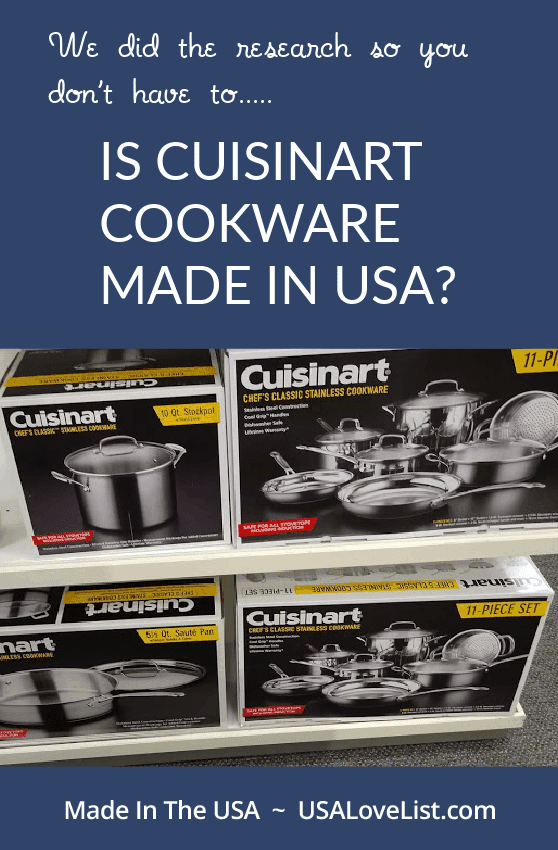
Cuisinart cookware is known for its quality and durability. Many wonder where these popular kitchen tools are made. The brand uses multiple manufacturing locations worldwide. Understanding these locations helps to know about the product’s quality and origin. Manufacturing locations include both the United States and other countries. Each site focuses on different parts of the production process to maintain high standards.
Facilities In The United States
Cuisinart has key facilities in the United States that handle important production stages. These facilities focus on quality control and assembly to ensure products meet strict standards. The U.S. plants often work on final touches, packaging, and testing.
Here are some important points about U.S. facilities:
- Located mainly in states with strong manufacturing backgrounds.
- Focus on assembly of cookware sets and kitchen appliances.
- Strict quality control checks are performed.
- Support research and development for new product designs.
- Employ skilled workers trained in modern manufacturing techniques.
| Facility Location | Main Role | Products Made |
|---|---|---|
| Connecticut | Assembly & Quality Control | Cookware sets, small appliances |
| Texas | Packaging & Distribution | Cookware and kitchen tools |
The U.S. facilities help keep the brand’s promise of consistent quality. They also allow faster delivery times for American customers.
Factories Abroad
Cuisinart also uses factories abroad to produce parts and some cookware models. These factories are located in countries with strong manufacturing industries. They focus on large-scale production to keep costs reasonable.
Key facts about overseas factories include:
- Located mainly in China and other Asian countries.
- Produce raw materials like stainless steel and non-stick coatings.
- Manufacture basic cookware components before shipping to the U.S.
- Follow strict quality standards set by Cuisinart.
- Use advanced machinery for efficient production.
Below is a summary of some main overseas locations:
| Country | Production Focus | Typical Products |
|---|---|---|
| China | Raw materials, parts manufacturing | Cookware bases, handles, coatings |
| Vietnam | Assembly and packaging | Cookware sets, kitchen utensils |
These foreign factories help Cuisinart balance cost and quality. They work closely with U.S. teams to meet product standards.
Materials Used In Cuisinart Cookware
Cuisinart cookware is known for its quality and durability. The materials used play a key role in this reputation. Understanding the materials helps buyers choose the right cookware for their kitchen needs. Cuisinart uses a mix of metals and coatings to ensure performance and safety. These materials affect heat distribution, cooking style, and cleaning ease. Below is a detailed look at the main materials used in Cuisinart cookware.
Stainless Steel Components
Stainless steel is a primary material in many Cuisinart cookware sets. It offers strength, resistance to rust, and a sleek appearance. Most Cuisinart stainless steel cookware uses 18/10 stainless steel, which means 18% chromium and 10% nickel. This blend makes the cookware durable and shiny.
Advantages of stainless steel in Cuisinart cookware include:
- Excellent heat retention and even cooking
- Non-reactive surface, safe for all foods
- Dishwasher safe and easy to maintain
- Resistant to dents and scratches
Many Cuisinart stainless steel pots and pans feature an aluminum or copper core sandwiched between steel layers. This core improves heat conduction and prevents hot spots.
| Component | Purpose | Benefit |
|---|---|---|
| Exterior Stainless Steel | Durability and appearance | Long-lasting and attractive finish |
| Aluminum Core | Heat distribution | Even cooking, no hot spots |
| 18/10 Stainless Steel Interior | Cooking surface | Non-reactive, easy cleaning |
Overall, Cuisinart’s stainless steel components balance performance and durability. This makes it a popular choice for everyday cooking.
Nonstick Surfaces
Cuisinart uses nonstick coatings on many cookware pieces for easy food release and quick cleaning. These surfaces prevent food from sticking without needing much oil or butter.
Key features of Cuisinart nonstick cookware:
- Usually made with PTFE-based coatings that are safe for cooking
- Scratch-resistant to some extent, but metal utensils should be avoided
- Compatible with lower heat settings to preserve coating life
- Allows healthier cooking with less fat
Nonstick pans often have an aluminum base. Aluminum helps spread heat evenly beneath the nonstick layer. This combination offers good cooking results and easy cleanup.
Here is a simple comparison of common nonstick features:
| Feature | Benefit | Care Tip |
|---|---|---|
| PTFE Coating | Nonstick, easy release | Use wooden or silicone utensils |
| Aluminum Base | Even heat | Cook on low to medium heat |
| Dishwasher Safe | Convenient cleaning | Hand wash recommended for longer life |
Nonstick surfaces in Cuisinart cookware provide convenience and healthier cooking. Proper use and care help these surfaces last longer.
Other Materials
Cuisinart cookware also includes other materials that improve function and design. These materials serve specific purposes in the cookware sets.
Common additional materials include:
- Aluminum: Lightweight and excellent at conducting heat, aluminum is often used in cores or bases.
- Copper: Some premium lines feature copper layers for superior heat control and fast temperature changes.
- Tempered Glass: Used in lids to allow visual monitoring of cooking without lifting the lid.
- Silicone: Handles or grips may have silicone for heat resistance and better hold.
Each material adds value by enhancing safety, cooking performance, or user comfort. For example, silicone handles stay cool and prevent burns. Glass lids reduce heat loss by allowing monitoring without opening.
Below is a quick overview of other materials and their benefits:
| Material | Use | Benefit |
|---|---|---|
| Aluminum | Core/base | Quick, even heating |
| Copper | Core/layer | Precise heat control |
| Tempered Glass | Lids | Watch food without heat loss |
| Silicone | Handles/grips | Heat resistant, comfortable hold |
These materials work together with stainless steel and nonstick surfaces to create well-rounded cookware sets. They help Cuisinart maintain a balance of quality, durability, and ease of use.
Credit: www.usalovelist.com
Quality Control And Standards
Quality control and standards define the trust behind Cuisinart cookware. Every piece undergoes strict checks to ensure durability and safety. This focus guarantees each product meets high expectations before it reaches kitchens worldwide.
Manufacturing Locations And Their Quality Measures
Cuisinart cookware is made in multiple countries, including the USA, China, and other locations. Each site follows strict quality rules to maintain consistency.
- USA factories use advanced technology and skilled workers for precision.
- Chinese facilities apply rigorous inspections and testing to match global standards.
- Other sites also comply with Cuisinart’s quality benchmarks to ensure safety and performance.
Material Testing And Durability Checks
Materials used in Cuisinart cookware face numerous tests before approval.
- Heat resistance: Cookware must withstand high temperatures without warping.
- Non-stick coating tests: Ensures the surface stays smooth and safe over time.
- Corrosion resistance: Prevents rusting, keeping cookware safe for food contact.
- Impact tests: Checks durability against drops and daily use.
Safety Standards And Certifications
Cuisinart cookware meets global safety standards, proving its reliability.
| Standard | Description | Importance |
|---|---|---|
| FDA Approved Materials | Ensures materials are safe for cooking and food contact. | Protects health by avoiding harmful chemicals. |
| ISO 9001 | Quality management system certification. | Confirms consistent product quality and manufacturing process. |
| LFGB Certification | German food safety standard for cookware. | Guarantees no toxic substances leach into food. |
Continuous Improvement And Customer Feedback
Cuisinart values feedback to improve its cookware.
- Regular updates to manufacturing processes.
- New technology adoption to enhance product life.
- Listening to customer reviews to fix common issues.
Impact Of Manufacturing Location On Price
The place where Cuisinart cookware is made plays a big role in its price. Manufacturing costs vary by country. These costs affect the final price customers pay. Different locations have different wages, material costs, and shipping fees. All these factors shape the product’s price tag. Understanding this helps explain why prices change across models and types.
Labor Costs And Their Effect On Price
Labor costs are a major part of manufacturing expenses. Countries with higher wages make products more expensive. Cuisinart cookware made in the United States or Europe usually costs more. Factories in Asia often have lower labor costs. This can lower the price of cookware made there.
Material Quality And Sourcing
Material quality varies by manufacturing location. Some factories have access to better raw materials. Others use cheaper alternatives to save money. Cuisinart sometimes sources stainless steel or nonstick coatings differently. This influences durability and price. Higher-quality materials raise the cost.
Shipping And Import Fees
Shipping costs add to the final price. Products made far from the buyer cost more to ship. Import taxes and customs fees also increase the price. For example, cookware made in Asia may have extra import fees in the U.S. This makes the cookware more expensive at stores.
Summary Of Price Factors By Manufacturing Location
| Factor | Impact on Price | Example |
|---|---|---|
| Labor Costs | Higher wages increase price | USA, Europe |
| Material Quality | Better materials cost more | Premium stainless steel |
| Shipping Fees | Long-distance shipping raises cost | Asia to USA shipments |
| Import Taxes | Customs increase retail price | Tariffs on imported cookware |
Customer Perceptions Of Origin
Customer perceptions of origin play a big role in how people feel about Cuisinart cookware. Many buyers connect the place where a product is made with its quality and trustworthiness. Knowing the origin helps customers decide if the cookware is worth their money. It also affects their confidence in the brand and their willingness to recommend it to others.
Customer Trust Based On Manufacturing Location
Many customers believe products made in certain countries have better quality. For Cuisinart cookware, some think items made in the USA offer more reliability. Others feel that cookware produced in Asia can still be good but worry about lower standards.
- USA-made products often seen as durable and high-quality.
- Asian-made products viewed as affordable but less durable.
- Customers seek clear labels to know exactly where cookware is made.
Impact Of Origin On Price Perception
The place of manufacture influences how customers view the price. Cookware from the USA or Europe is often expected to be more expensive. Items made in countries with lower costs are seen as budget-friendly. This affects customer choices based on their budget and expectations.
| Origin | Price Expectation | Customer View |
|---|---|---|
| USA | Higher | Premium quality, durable |
| China | Lower | Affordable, less durable |
| Other Asian countries | Moderate | Good value, mixed quality |
Brand Loyalty And Origin Awareness
Customers who know where Cuisinart cookware is made tend to be more loyal. They trust the brand more and buy other products from it. Lack of information about origin can cause doubt and reduce repeat purchases.
- Clear origin labels build trust.
- Transparency increases customer loyalty.
- Hidden or unclear origins cause hesitation.
How To Identify Authentic Cuisinart Cookware
Cuisinart cookware is popular worldwide for its quality and durability. Knowing where it is made helps buyers trust the product. However, many fake products look like real Cuisinart. Learning how to identify authentic Cuisinart cookware is important to avoid scams and poor quality items.
Check The Brand Logo And Markings
Authentic Cuisinart cookware has a clear, sharp logo. The name “Cuisinart” is engraved or printed neatly. Fake products often have blurry or misspelled logos.
- Look for consistent font style and size.
- Check the bottom of pots and pans for engraved logos.
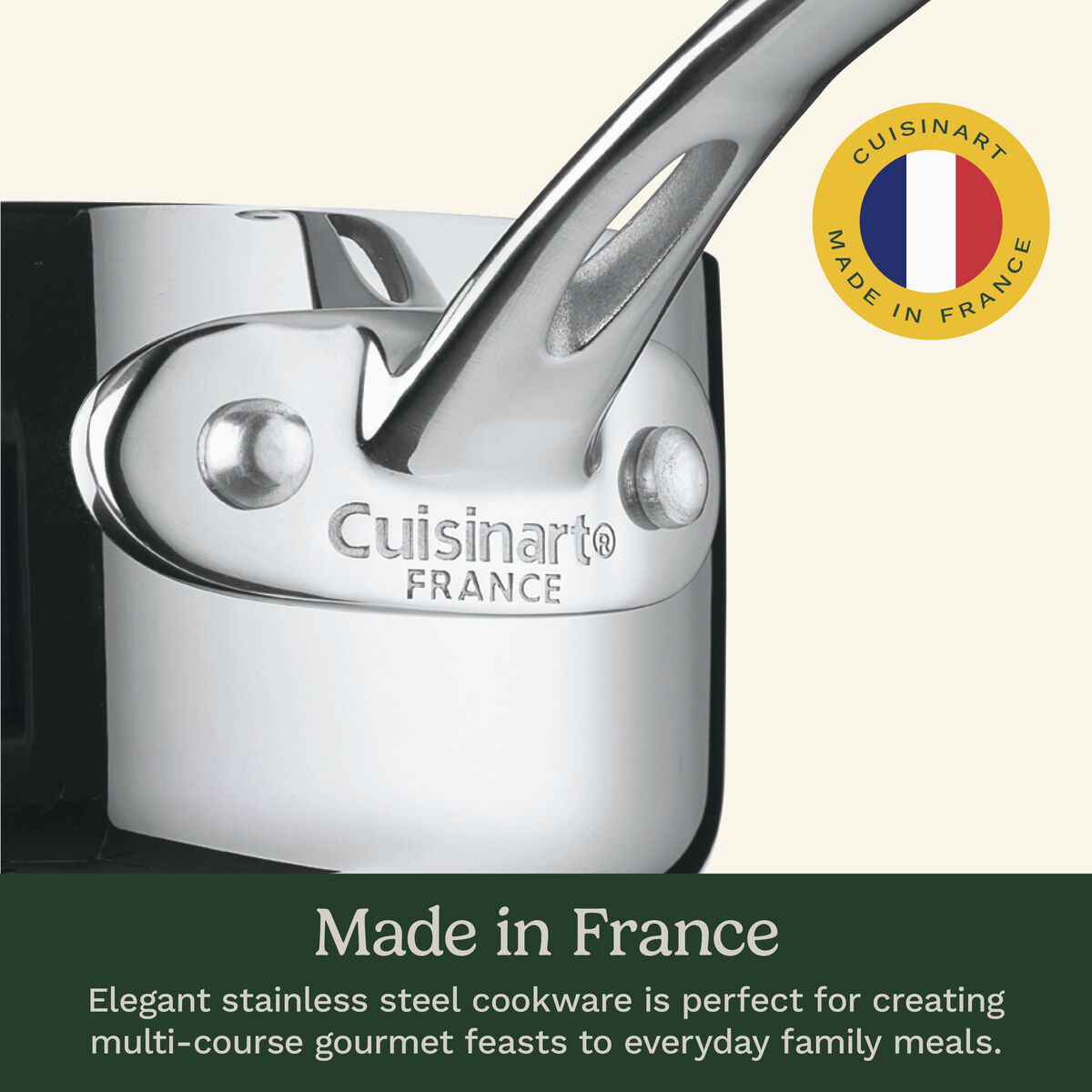
- Authentic pieces have model numbers and country of origin marks.
Examine The Build Quality And Materials
Real Cuisinart cookware uses sturdy materials like stainless steel or hard-anodized aluminum. It feels solid and heavy in hand. Fake items may feel light or have rough edges.
- Check the handle attachment—authentic ones are tightly fixed.
- Look for even color and smooth finishes.
- Inspect the interior cooking surface for uniform texture.
Review Packaging And Included Documentation
Original Cuisinart products come in quality packaging with clear product information. Boxes include manuals, warranty cards, and recipe booklets.
| Authentic Packaging | Fake Packaging |
|---|---|
| High-quality box with sharp images | Cheap or flimsy box with faded images |
| Includes warranty and instruction manual | No warranty or missing documents |
| Consistent branding and product details | Incorrect or missing product info |
Verify The Seller And Purchase Source
Buy Cuisinart cookware from trusted sellers or official stores. Check for customer reviews and seller ratings. Avoid deals that seem too cheap or suspicious.
- Official websites and authorized dealers offer genuine products.
- Marketplaces with verified sellers reduce risk.
- Keep receipts and order confirmations for warranty claims.
Credit: www.cuisinart.com
Credit: www.cuisinart.com
Frequently Asked Questions
Where Is Cuisinart Cookware Manufactured?
Cuisinart cookware is primarily made in China. The brand partners with factories there to ensure quality and affordability. Some higher-end lines may be produced in other countries, but most standard products come from China.
Is Cuisinart Cookware Made In The Usa?
Most Cuisinart cookware is not made in the USA. The company outsources production mainly to China to keep costs low. However, Cuisinart is an American brand headquartered in Connecticut.
What Materials Are Used In Cuisinart Cookware?
Cuisinart cookware uses stainless steel, aluminum, and nonstick coatings. These materials ensure durability, even heat distribution, and easy cleaning. Different lines offer varied materials to suit diverse cooking needs.
Are Cuisinart Pots And Pans Durable?
Yes, Cuisinart cookware is durable with proper care. Their stainless steel and hard-anodized aluminum options offer long-lasting performance. Following usage and cleaning instructions helps maintain their quality.
Conclusion
Cuisinart cookware is mainly made in China and the United States. This helps keep costs low while ensuring good quality. Many people trust Cuisinart for reliable kitchen tools. Knowing where products come from can guide your buying choices. Quality and price often depend on the place of manufacture.
Overall, Cuisinart offers cookware made with care in different locations. This mix helps meet the needs of many home cooks. Choosing the right cookware starts with understanding its origin.

Hello, This is Annie Walker, a 38-year-old blogger, founder, and editor of Cookware Guider from NY, USA. I am a cookware fanatic and passionate cooker. I love to cook with different types of cooking appliances (example: all types of cookware, rice cookers, slow cookers, etc) almost every day in my kitchen. I love to share my experience with my readers in my blog. Also, I enjoy helping people to solve their problems through my website. You can follow me on Twitter & Pinterest. To know details about my blog please check the about us page.