
Are you curious about where your Cuisinart stainless cookware is made? Knowing the origin of the cookware you use every day can give you confidence in its quality and durability.
Whether you’re a seasoned chef or just love cooking at home, understanding where your pots and pans come from matters. You’ll discover the exact places Cuisinart stainless cookware is produced and why it makes a difference for your kitchen. Keep reading to find out what sets this popular brand apart and how it impacts your cooking experience.
Credit: www.cuisinart.com
Origins Of Cuisinart Stainless Cookware
Origins of Cuisinart Stainless Cookware trace back to a vision of making kitchen tools both practical and stylish. This brand became popular by bringing professional-quality cookware to everyday cooks. The stainless steel line stands out for its durability and sleek design. Understanding the origins reveals the brand’s commitment to quality and innovation.
Early Beginnings Of Cuisinart
Cuisinart started in the 1970s with a focus on food processors. The founder wanted to simplify food preparation for home cooks. The success of the food processor led to expanding into cookware, including stainless steel sets. This expansion aimed to offer complete kitchen solutions.
Cuisinart stainless cookware is made in several countries. The main production happens in:
- China: Large part of the cookware is manufactured here.
- Vietnam: Known for skilled craftsmanship and quality control.
- United States: Some high-end lines are produced here or assembled.
Each location follows strict quality standards to ensure durability and performance.
Materials And Craftsmanship
The cookware uses 18/10 stainless steel. This means 18% chromium and 10% nickel for rust resistance and shine. The pots and pans have an aluminum core for even heat distribution. Skilled workers polish and assemble each piece carefully.
| Feature | Details |
|---|---|
| Material | 18/10 Stainless Steel with Aluminum Core |
| Manufacturing Countries | China, Vietnam, USA |
| Quality Checks | Multiple stages, including finish and durability |
Manufacturing Locations
Cuisinart stainless cookware is known for its quality and durability. Many wonder where these products are made. The manufacturing locations play a key role in the cookware’s design and quality. Cuisinart uses various factories worldwide to produce its stainless steel cookware. These sites ensure the products meet strict standards for performance and safety. Understanding where the cookware is made helps customers trust the brand and its quality.
Factories In China
China is a major manufacturing hub for many kitchenware brands, including Cuisinart. The company partners with well-established factories in China to produce a large portion of its stainless steel cookware. These factories have modern equipment and follow strict quality control processes.
Key features of Cuisinart factories in China:
- Use of advanced stainless steel materials
- Compliance with international safety and quality standards
- Skilled workforce trained in precision manufacturing
- High-volume production capacity for popular cookware lines
- Regular inspections to maintain product consistency
The combination of skilled labor and technology helps keep costs reasonable while maintaining product quality. Many of the popular Cuisinart stainless steel pots and pans come from these Chinese factories. This setup allows Cuisinart to offer a wide range of products that suit different cooking needs and budgets.
Production In Other Countries
Cuisinart also manufactures stainless steel cookware in several other countries. These locations support the brand’s global supply chain and help meet demand in various markets. Production outside China allows Cuisinart to diversify its manufacturing and reduce potential risks.
Main production countries besides China include:
- Vietnam – Known for skilled labor and quality metalwork
- Thailand – Focus on mid-range cookware lines
- Mexico – Serves the North American market with quicker shipping
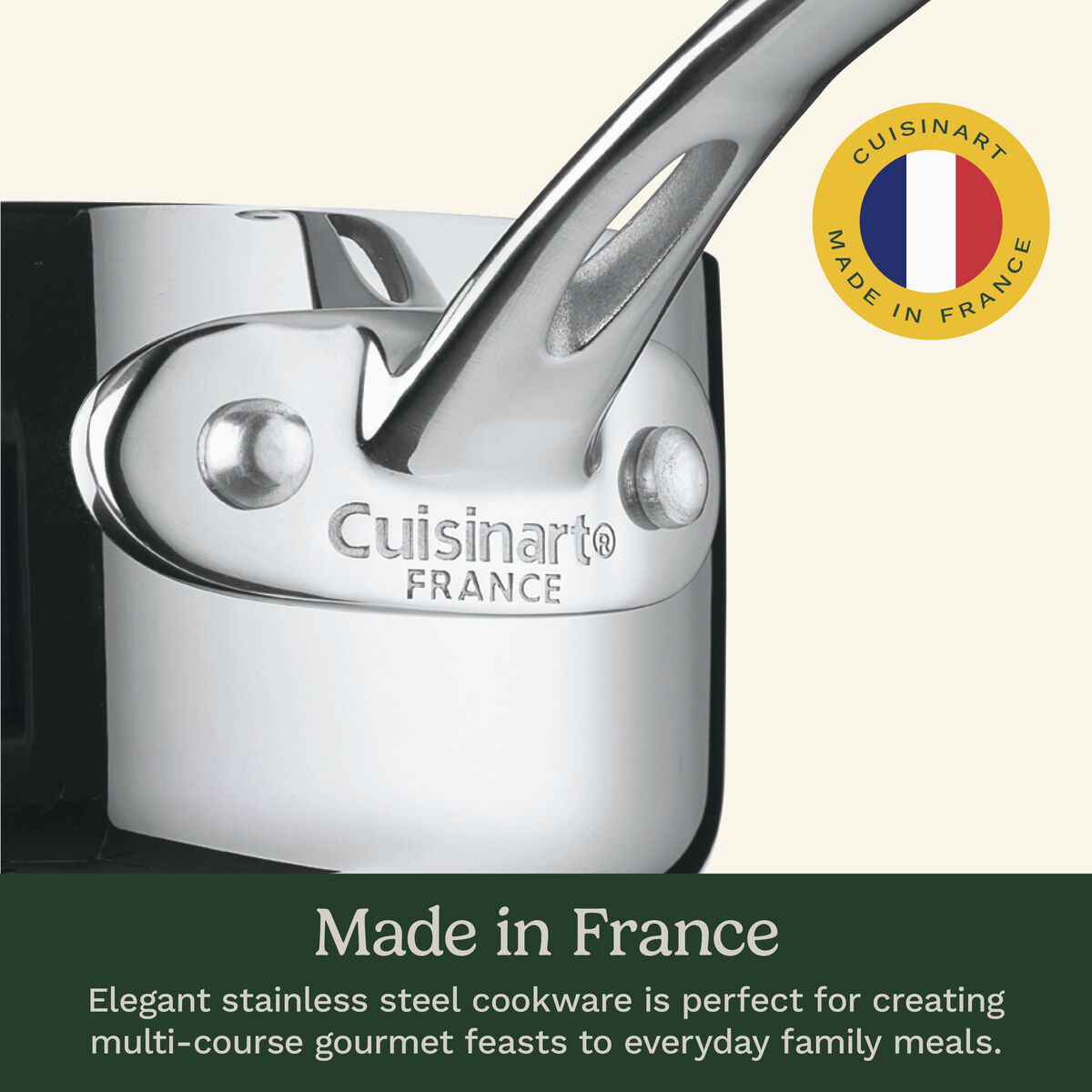
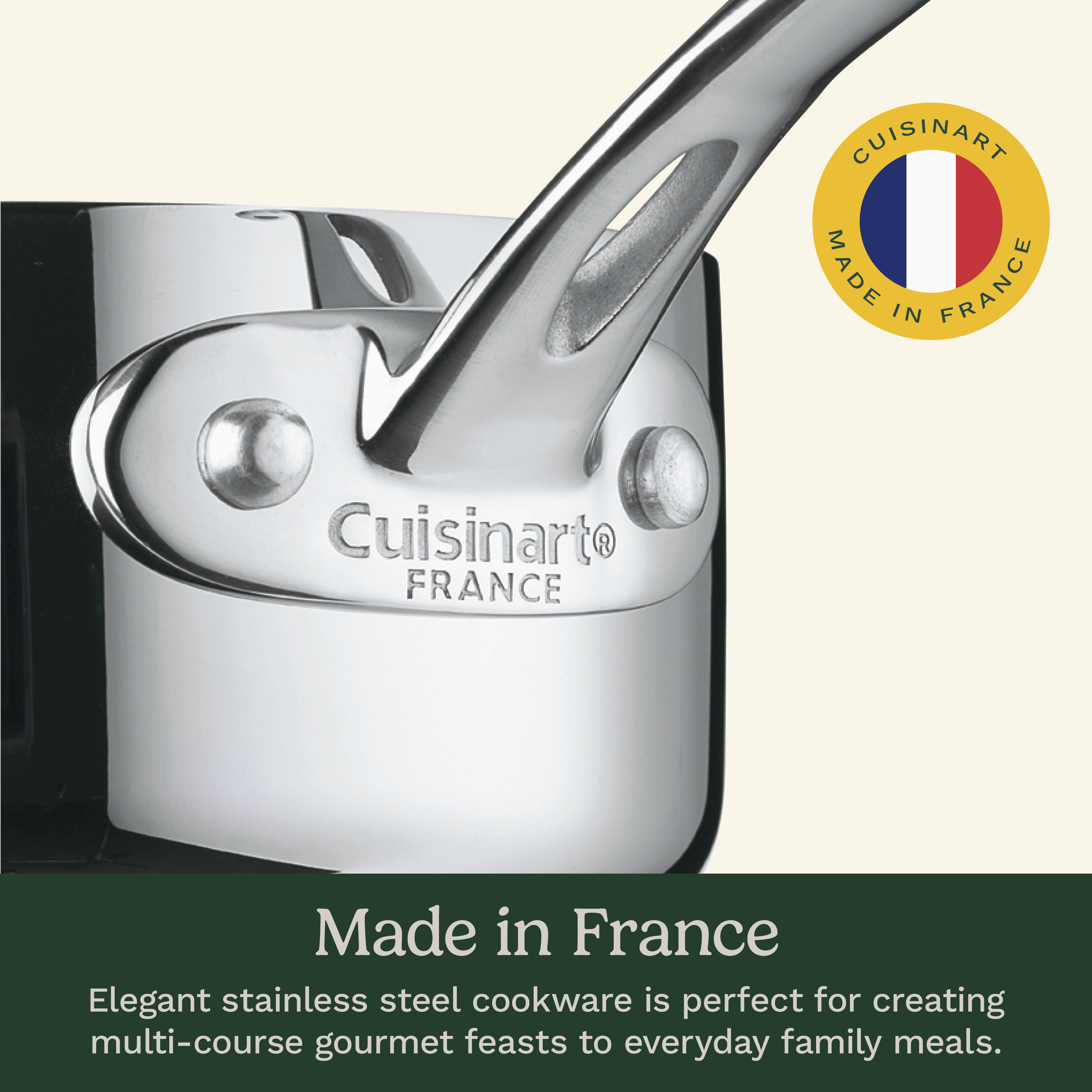
- France – Produces premium and specialty cookware collections
Each country focuses on specific product lines or types of cookware. This helps Cuisinart maintain consistent quality while offering a variety of styles and price points. The global manufacturing network also allows the brand to adapt quickly to market changes and supply chain demands.
| Country | Focus Area | Benefits |
|---|---|---|
| Vietnam | Skilled metalwork | High quality, cost-effective |
| Thailand | Mid-range cookware | Good balance of price and quality |
| Mexico | North American market | Faster delivery, lower shipping costs |
| France | Premium cookware | High-end design and craftsmanship |
Materials And Quality Control
Cuisinart stainless cookware is known for its durability and sleek design. The secret lies in the materials used and strict quality control during manufacturing. These factors ensure the cookware performs well and lasts for years. Understanding the materials and quality control helps explain why Cuisinart is a trusted brand in kitchens worldwide.
Stainless Steel Composition
Cuisinart uses high-grade stainless steel to make its cookware. The main type is 18/10 stainless steel. This means the steel contains 18% chromium and 10% nickel. Chromium adds rust resistance. Nickel gives the steel a shiny, smooth surface and prevents corrosion.
The stainless steel composition provides several benefits:
- Durability: Resists dents and scratches.
- Non-reactive surface: Does not alter food taste or color.
- Easy cleaning: Smooth surface prevents food from sticking.
- Corrosion resistance: Lasts long even with heavy use.
The cookware often features a layered base, combining stainless steel with aluminum or copper. This design helps distribute heat evenly and speeds up cooking. Below is a simple table showing the typical layers in Cuisinart stainless steel cookware:
| Layer | Material | Purpose |
|---|---|---|
| Outer Layer | Stainless Steel 18/10 | Durability and rust resistance |
| Core Layer | Aluminum or Copper | Heat conduction and even cooking |
| Inner Layer | Stainless Steel 18/10 | Safe cooking surface |
Quality Assurance Processes
Cuisinart follows strict quality assurance processes to maintain high standards. Each cookware piece goes through multiple checks before leaving the factory. These checks cover materials, construction, and finish.
Key quality assurance steps include:
- Material inspection: Raw materials must meet exact specifications.
- Precision forming: Cookware shapes are checked for size and thickness.
- Layer bonding test: Ensures layers of metal stick firmly without gaps.
- Surface polishing: Smooth finish tested to prevent rough spots.
- Heat test: Cookware heats evenly without warping.
- Final visual inspection: Checks for scratches, dents, or defects.
These processes help deliver cookware that performs well and lasts long. Cuisinart also uses feedback from users to improve its quality control. This creates trust and satisfaction among customers worldwide.
Impact Of Manufacturing Location On Price
The place where Cuisinart stainless cookware is made affects its price a lot. Manufacturing location influences labor costs, material quality, and shipping expenses. These factors shape the final cost for buyers.
How Labor Costs Affect Cookware Price
Labor costs vary between countries. Factories in countries with lower wages can produce cookware cheaper. This often means a lower retail price.
For example, cookware made in Asia may cost less due to cheaper labor. Cookware made in the USA or Europe usually costs more because wages are higher there.
Material Quality And Manufacturing Standards
Some countries use better materials and follow strict quality controls. This raises production costs but improves durability and performance.
Cuisinart cookware made in countries with high standards tends to be more expensive. Buyers pay for better quality and longer lifespan.
Shipping And Import Fees Impact
Manufacturing far from the main markets adds shipping costs. Import taxes can also increase the price on store shelves.
Cookware made overseas often includes extra fees. These fees reflect in the final price customers pay.
Summary Table Of Price Factors By Location
| Factor | Low-Cost Countries | High-Cost Countries |
|---|---|---|
| Labor Costs | Low wages, cheaper production | High wages, expensive production |
| Material Quality | Basic materials, moderate quality | Premium materials, strict standards |
| Shipping & Import Fees | Higher due to distance | Lower if made locally |
Customer Perceptions Of Made-in Labels
Many buyers notice the “made-in” label on cookware. This label shapes how people feel about a product’s quality and value. Customer perceptions of made-in labels affect their buying decisions. For Cuisinart stainless cookware, knowing its origin helps customers trust the brand. People often believe products made in certain countries offer better quality or safety. This belief influences their choice.
Made-in Labels And Trust
Customers often trust products from countries with strong manufacturing reputations. For example, items made in the USA or Germany are seen as reliable and durable. Made-in labels can build confidence in a product’s performance and safety. Some buyers reject products from countries with less-known manufacturing standards. This trust impacts how customers view Cuisinart stainless cookware.
Impact On Perceived Quality
Many customers link the country of origin to product quality. They expect cookware made in certain places to last longer and work better. Made-in labels affect perceived craftsmanship and materials. For example, stainless steel cookware made in the USA or Japan is often rated higher. This perception can influence a customer’s willingness to pay more.
Price Sensitivity And Made-in Labels
Price often connects with the made-in label in customers’ minds. Buyers may accept higher prices for cookware made in well-known countries. Others look for affordable options from different origins. Made-in labels guide expectations about cost and value. This choice depends on what the customer values more: quality or price.
Common Made-in Labels For Cuisinart Stainless Cookware
| Country | Customer Perception | Quality Expectation |
|---|---|---|
| USA | High trust and preference | Durable and safe |
| China | Mixed feelings, concerns about quality | Varies, some doubt |
| Thailand | Affordable, decent quality | Good for budget buyers |
Why Customers Care About Origin
- Belief in product safety and standards
- Perceived connection between origin and durability
- Influence of national reputation on product trust
- Desire to support local or specific countries’ products

Credit: www.amazon.com
Comparison With Competitor Brands
Cuisinart stainless cookware is known for its quality and durability. Many buyers want to know where it is made and how it compares to other brands. Understanding the origin and features helps buyers make smart choices. This section compares Cuisinart with its top competitors.
Where Is Cuisinart Stainless Cookware Made?
Cuisinart stainless cookware is mostly made in China. The company designs the products and controls quality. Production in China helps keep prices affordable. Despite this, Cuisinart maintains good standards for materials and craftsmanship.
Comparison With All-clad
| Feature | Cuisinart | All-Clad |
|---|---|---|
| Country of Manufacture | China | USA |
| Price | Affordable | Premium |
| Material Quality | Good stainless steel | High-grade stainless steel |
| Durability | Good for daily use | Excellent, lasts many years |
All-Clad offers higher quality but at a much higher price. Cuisinart is budget-friendly and reliable for most kitchens. Cuisinart and Calphalon offer similar value. Calphalon may have a slight edge in design and feel. Cuisinart often has better build quality. Tramontina suits those on a tight budget.Comparison With Calphalon
Comparison With Tramontina
Credit: www.cuisinart.com
Frequently Asked Questions
Where Is Cuisinart Stainless Cookware Manufactured?
Cuisinart stainless cookware is primarily made in China. The brand partners with factories in China to maintain quality and affordability. This allows Cuisinart to offer durable, stylish cookware while keeping prices competitive in the market.
Is Cuisinart Stainless Steel Cookware High Quality?
Yes, Cuisinart stainless steel cookware is known for high quality. It uses durable materials and advanced manufacturing techniques. This ensures long-lasting performance and excellent heat distribution for everyday cooking.
Are Cuisinart Stainless Cookware Products Dishwasher Safe?
Most Cuisinart stainless steel cookware pieces are dishwasher safe. This makes cleaning easy and convenient. However, hand washing is recommended to preserve the cookware’s finish over time.
Does Cuisinart Stainless Cookware Have A Warranty?
Yes, Cuisinart offers a limited warranty on their stainless steel cookware. The warranty covers defects in material and workmanship. Exact terms vary by product, but typically last several years.
Conclusion
Cuisinart stainless cookware is mainly made in China and the USA. The brand keeps strict quality control to ensure durability and safety. Many cooks trust these pans for everyday use. Knowing where they come from helps you choose wisely. Quality meets value in these well-made pots and pans.
Now, you can cook confidently with Cuisinart cookware in your kitchen.

Hello, This is Annie Walker, a 38-year-old blogger, founder, and editor of Cookware Guider from NY, USA. I am a cookware fanatic and passionate cooker. I love to cook with different types of cooking appliances (example: all types of cookware, rice cookers, slow cookers, etc) almost every day in my kitchen. I love to share my experience with my readers in my blog. Also, I enjoy helping people to solve their problems through my website. You can follow me on Twitter & Pinterest. To know details about my blog please check the about us page.