
Choosing the right cookware can change the way you cook—and the way your food tastes. You might be wondering which cookware is best for cooking your favorite meals.
The answer isn’t the same for everyone because your cooking style, budget, and health goals all matter. You’ll discover clear, simple advice to help you pick the perfect pots and pans. By the end, you’ll feel confident about upgrading your kitchen tools and making every meal better.
Keep reading to find the cookware that fits your needs perfectly.
Credit: www.goodhousekeeping.com
Types Of Cookware
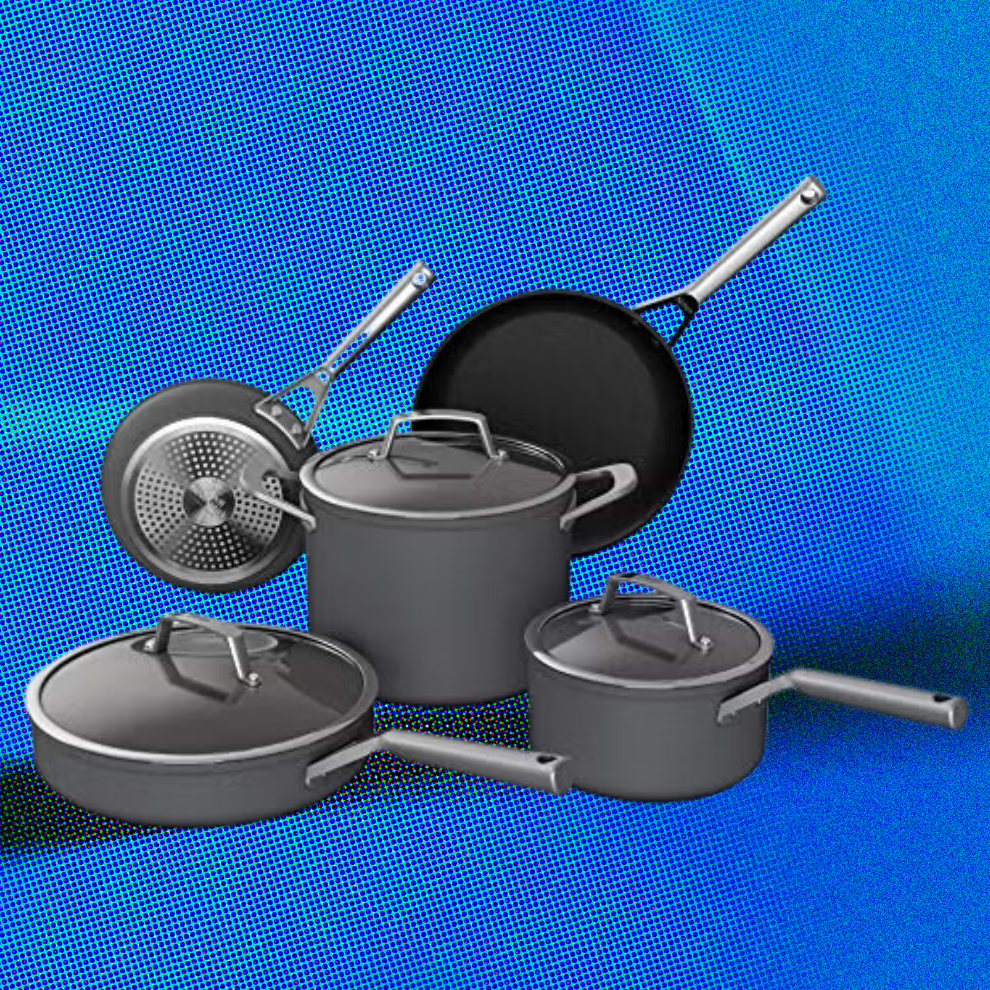
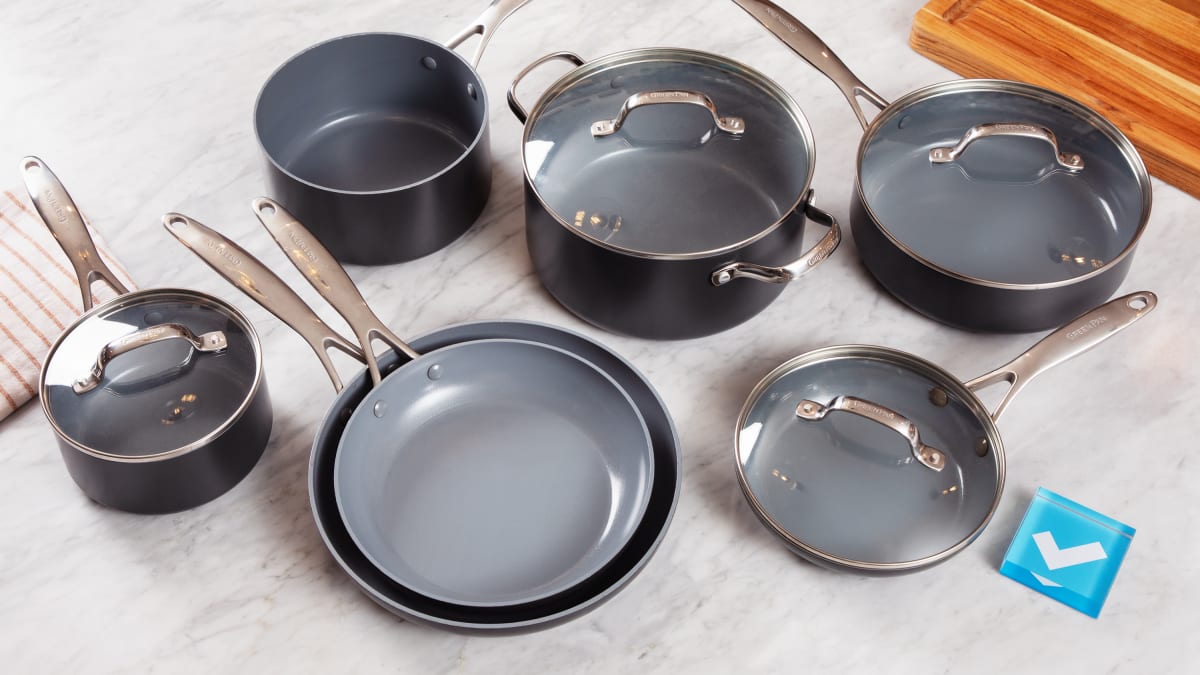
Choosing the right cookware affects cooking results and kitchen safety. Different materials offer unique benefits and drawbacks. Understanding the types of cookware helps to pick the best one for your needs. This guide covers popular options: stainless steel, cast iron, nonstick, copper, and aluminum. Each type has qualities that suit various cooking styles and budgets.
Stainless Steel
Stainless steel cookware is popular for its durability and versatility. It does not react with acidic or alkaline foods, keeping flavors pure. Stainless steel pans often have an aluminum or copper core to improve heat distribution. This feature prevents hot spots and uneven cooking.
Advantages of stainless steel:
- Resists rust and corrosion
- Easy to clean and maintain
- Oven and dishwasher safe
- Non-reactive surface
Common uses: Searing meats, sautéing vegetables, boiling, and making sauces.
| Feature | Description |
|---|---|
| Heat Conductivity | Moderate, improved with aluminum or copper core |
| Maintenance | Requires regular cleaning; avoid steel wool |
| Durability | Very high; lasts for years with care |
Cast Iron
Cast iron cookware is heavy but excellent at holding and distributing heat. It can last for generations if cared for properly. Seasoning the surface creates a natural nonstick layer and protects against rust. Cast iron works well on stovetops, ovens, and grills.
Benefits of cast iron:
- Excellent heat retention
- Natural nonstick surface when seasoned
- Adds iron to food, which can be healthy
- Suitable for high-temperature cooking
Drawbacks: It is heavy and requires seasoning to prevent rust. Avoid soaking in water for long periods.
Best for: Frying, baking, searing, and slow cooking stews or roasts.
Nonstick
Nonstick cookware features a smooth coating that prevents food from sticking. It allows cooking with less oil or butter, making meals healthier. Nonstick pans heat quickly but do not handle high heat well. Overheating may damage the coating.
Key points about nonstick:
- Easy to clean by hand or dishwasher
- Ideal for eggs, pancakes, and delicate fish
- Use only wooden or silicone utensils
- Not suitable for searing or browning at high heat
Care tips: Avoid metal tools and high heat. Replace pans when coating wears off.
Copper
Copper cookware offers superior heat conductivity and precise temperature control. It heats up quickly and cools down fast, making it excellent for delicate sauces and recipes. Copper pans often have a stainless steel lining to prevent reactions with food.
Advantages:
- Excellent heat control
- Attractive shiny appearance
- Durable with proper care
Disadvantages:
- Requires frequent polishing to maintain shine
- Expensive compared to other types
- Can react with acidic foods if unlined
Perfect for: Sauces, candy making, and precise temperature cooking.
Aluminum
Aluminum cookware is lightweight and affordable. It conducts heat well but can react with acidic foods, altering taste and appearance. Many aluminum pans have a nonstick or anodized coating to prevent this reaction and improve durability.
Pros of aluminum:
- Excellent heat conduction
- Lightweight and easy to handle
- Budget-friendly option
Cons:
- Can warp under high heat
- Reacts with acidic foods if uncoated
- Less durable than stainless steel or cast iron
Uses: Everyday cooking, baking, and roasting.
Credit: www.reviewed.com
Material Benefits
Choosing the best cookware depends a lot on the material it is made from. Different materials offer unique benefits that affect cooking performance and ease of use. Understanding these material benefits helps in selecting cookware that fits your cooking style and needs.
Heat Conductivity
Heat conductivity is how fast and evenly a cookware material spreads heat. Good heat conductivity ensures food cooks evenly without hot spots.
Materials with high heat conductivity:
- Copper: One of the best conductors. Heats up quickly and cools down fast.
- Aluminum: Heats evenly and fast, but can react with acidic foods.
- Stainless Steel: Poor conductor alone. Often combined with aluminum or copper layers.
Here is a simple comparison of heat conductivity for common cookware materials:
| Material | Heat Conductivity (W/m·K) | Cooking Impact |
|---|---|---|
| Copper | 400 | Very fast and even heating |
| Aluminum | 205 | Fast and even heating |
| Cast Iron | 55 | Slow heating but retains heat well |
| Stainless Steel | 16 | Slow and uneven without layers |
Cookware with better heat conductivity helps to save energy and avoid burning food. It also lets you cook at lower temperatures.
Durability
Durability means how long the cookware lasts and how well it handles wear and tear. Strong materials resist scratches, dents, and warping.
Durable cookware materials include:
- Cast Iron: Extremely tough and lasts for decades if cared for.
- Stainless Steel: Highly resistant to rust, corrosion, and scratching.
- Copper: Soft and can dent easily but lasts long with proper care.
Here is a quick look at durability factors:
- Resistance to scratches: Stainless steel is best.
- Resistance to warping: Cast iron and stainless steel hold shape well.
- Longevity: Cast iron and stainless steel can last a lifetime.
Choosing durable cookware means less replacement cost and better cooking experience over time. It also means the cookware can handle different heat sources and frequent use.
Maintenance
Maintenance refers to how easy it is to clean and care for cookware. Some materials need special cleaning or seasoning, while others are simple to maintain.
Maintenance requirements by material:
- Cast Iron: Needs seasoning to keep non-stick surface. Avoid soap and dry completely.
- Stainless Steel: Dishwasher safe and easy to clean. Can handle scrubbing.
- Non-stick (Teflon): Requires gentle cleaning to avoid damage.
- Copper: Needs polishing to keep shine and prevent tarnish.
Here is a table summarizing maintenance needs:
| Material | Cleaning Ease | Special Care Needed |
|---|---|---|
| Cast Iron | Moderate | Seasoning, avoid soap |
| Stainless Steel | Easy | None |
| Non-stick | Easy | Use soft sponges only |
| Copper | Hard | Regular polishing |
Simple maintenance saves time and keeps cookware in good shape. It also keeps food tasting fresh and healthy.
Cooking Styles And Cookware
Choosing the right cookware depends largely on the cooking style you prefer. Different methods need different materials and shapes to cook food well and keep flavors intact. Understanding the link between cooking styles and cookware helps pick the best pots and pans for your kitchen. This guide breaks down common cooking styles and the best cookware to use for each.
Searing And Frying
Searing and frying require high heat and quick cooking to create a crispy, flavorful crust. Cast iron and stainless steel pans work best for these methods. They hold heat well and distribute it evenly, which helps avoid hot spots. Nonstick pans are also popular for frying because they need less oil and clean easily.
- Cast iron pans: Excellent heat retention, ideal for searing steaks and frying chicken.
- Stainless steel pans: Great for browning food and creating a fond for sauces.
- Nonstick pans: Perfect for delicate foods like eggs and fish to prevent sticking.
Here is a quick comparison:
| Cookware | Heat Retention | Ease of Use | Best For |
|---|---|---|---|
| Cast Iron | High | Medium (requires seasoning) | Searing, frying |
| Stainless Steel | Medium | Medium (requires oil to prevent sticking) | Searing, frying |
| Nonstick | Low to Medium | High (easy to clean) | Frying delicate foods |
Slow Cooking
Slow cooking uses low heat for a long time. This method tenderizes tough cuts of meat and blends flavors deeply. Clay pots, slow cookers, and heavy-bottomed Dutch ovens are best suited for this style. They keep heat steady and prevent burning.
- Clay pots: Retain moisture, ideal for slow-cooked stews and soups.
- Slow cookers: Electric appliances that cook unattended over hours.
- Dutch ovens: Cast iron pots with lids, perfect for braising and roasting.
Benefits of slow cooking cookware:
- Even heat distribution.
- Moisture retention for juicy dishes.
- Durability for long cooking times.
Baking And Roasting
Baking and roasting need cookware that can handle dry, high heat inside an oven. Metal baking sheets, glass or ceramic baking dishes, and roasting pans are commonly used. These materials conduct heat well and resist warping.
- Metal pans: Conduct heat quickly, good for cookies and roasting vegetables.
- Glass and ceramic dishes: Hold heat evenly, great for casseroles and baked desserts.
- Roasting pans: Large, often with racks, to allow air circulation around meat.
Choosing the right baking cookware affects texture and cooking time. For example, metal pans create crisp edges, while glass pans cook more evenly but slower.
Boiling And Simmering
Boiling and simmering involve cooking food in water or broth at or just below boiling point. Pots with thick bottoms and tight-fitting lids work best to keep heat steady and water from evaporating too fast. Stainless steel and enameled steel pots are popular choices.
- Stainless steel pots: Durable and non-reactive, ideal for soups and pasta.
- Enameled steel pots: Combine metal strength with easy cleaning.
- Stockpots: Large capacity for making stocks and boiling large amounts of food.
Tips for boiling and simmering cookware:
- Use lids to trap steam and save energy.
- Choose pots with heavy bottoms for even heat.
- Pick sizes that fit the amount of food to avoid water loss.
Health And Safety Factors
Choosing the best cookware involves more than just style and heat conduction. Health and safety factors play a vital role in making the right choice. Cookware materials can affect food quality, your health, and even cause allergic reactions. Understanding these factors helps keep your meals safe and nutritious. This section highlights key health and safety points to consider for safe cooking.
Non-toxic Surfaces
Cookware with non-toxic surfaces protects food from harmful chemicals. Some materials release toxins when heated. These toxins can mix with food and harm the body.
Safe cookware surfaces include:
- Cast iron: Naturally non-toxic and durable.
- Stainless steel: Resistant to corrosion and does not leach chemicals.
- Ceramic-coated pans: Free from PTFE and PFOA chemicals.
- Glass cookware: Completely inert and safe for cooking.
Avoid cookware with scratched or damaged non-stick coatings. These coatings may release harmful substances such as PTFE or PFOA. Even small exposures can build up over time and affect health.
| Cookware Type | Safety Features | Potential Risks |
|---|---|---|
| Non-stick (PTFE) | Easy to clean, low fat cooking | Toxin release if overheated or scratched |
| Cast Iron | Non-toxic, adds iron to food | Needs seasoning, can rust if not cared for |
| Stainless Steel | Non-reactive, durable | Possible nickel release for sensitive users |
| Ceramic | Non-toxic coating, chemical-free | Chipping can expose metal underneath |
Reactivity With Food
Some cookware materials react with food acids and bases. This reaction changes the food’s taste, color, and safety. Acidic foods like tomato sauce or lemon juice are more likely to react.
Examples of reactive cookware:
- Aluminum: Reacts with acidic foods, causing metallic taste and discoloration.
- Copper: Can release copper ions, harmful in large amounts.
- Cast iron: Reacts with acidic food but adds iron, which is often beneficial.
Non-reactive cookware keeps food taste pure and safe. Stainless steel, glass, and ceramic do not react with food. They are safe for cooking all types of dishes.
Use this table to understand common cookware reactions:
| Cookware | Reactivity | Effect on Food |
|---|---|---|
| Aluminum | High | Metallic taste, discoloration |
| Copper | Moderate | Possible toxicity if unlined |
| Cast Iron | Moderate | Iron enrichment, safe but changes flavor |
| Stainless Steel | Low | Neutral taste, safe |
| Glass & Ceramic | None | Neutral, safe |
Allergen Considerations
Cookware can impact people with allergies. Metals like nickel or chromium in stainless steel may cause skin or digestive reactions.
Important allergen points:
- Nickel-sensitive individuals should avoid certain stainless steel cookware.
- Cast iron does not cause allergies but requires maintenance to prevent rust.
- Non-stick coatings can contain chemicals that irritate sensitive users.
- Cross-contamination risk from shared cookware if allergens are present.
Use dedicated cookware for allergen-free cooking. Label and store allergen-safe pots separately. Regular cleaning prevents residue buildup that can trigger allergies.
Here is a quick allergen risk guide:
| Cookware Type | Common Allergens | Risk Level |
|---|---|---|
| Stainless Steel | Nickel, Chromium | Moderate for sensitive people |
| Cast Iron | None | Low |
| Non-stick | Chemical coatings | Variable |
| Ceramic | None | Low |
| Aluminum | None | Low |
Budget And Longevity
Choosing the best cookware depends greatly on your budget and how long the cookware lasts. Cookware varies widely in price, materials, and durability. Balancing cost with quality helps you pick items that serve well over time without breaking the bank. Understanding the relationship between price and lifespan ensures smart buying. This section breaks down the cost, durability, and overall value of popular cookware types.
Cost Comparison
Cookware prices range from very affordable to quite expensive. Knowing the cost differences helps you decide what fits your budget. Here is a simple overview of common cookware types and their typical prices:
| Cookware Type | Price Range (per piece) | Example Materials |
|---|---|---|
| Non-stick pans | $15 – $60 | Aluminum, Ceramic coating |
| Stainless steel | $30 – $150 | 18/10 Stainless Steel |
| Cast iron | $20 – $100 | Seasoned cast iron |
| Copper | $70 – $300+ | Copper with stainless steel lining |
Basic non-stick pans are the cheapest but often last less time. Stainless steel and cast iron cost more upfront but offer more durability. Copper cookware is the priciest but provides excellent heat control.
- Non-stick: Best for low-cost, easy cooking.
- Stainless steel: Mid-range, durable, and versatile.
- Cast iron: Affordable with a long lifespan.
- Copper: High cost, professional-level performance.
Lifespan And Warranty
Cookware lasts differently depending on material and care. Some last only a few years, others decades. Knowing expected lifespan helps plan purchases.
Typical lifespan estimates:
- Non-stick pans: 2 to 5 years before coating wears out.
- Stainless steel: 10 to 20 years with proper care.
- Cast iron: 20+ years, often passed down generations.
- Copper: 15 to 30 years if maintained well.
Warranties vary and often indicate manufacturer confidence. Some brands offer lifetime warranties on stainless steel and cast iron. Non-stick pans usually have shorter warranties, around 1 to 3 years.
- Check warranty details before buying.
- Longer warranty often means longer lifespan.
- Proper maintenance extends cookware life.
Cast iron improves over time with seasoning. Non-stick coatings wear out faster, so replacement is more frequent. Stainless steel resists rust and corrosion well.
Value For Money
Value means more than low price. It means how well cookware performs over time compared to cost.
Consider these points for best value:
- Durability: Cookware that lasts longer saves money over time.
- Performance: Even heat distribution reduces cooking errors and food waste.
- Maintenance: Easy-to-clean cookware reduces effort and replacement costs.
- Health and safety: Non-toxic materials protect health and avoid costly risks.
Here is a quick value guide:
| Cookware Type | Initial Cost | Lifespan | Maintenance | Overall Value |
|---|---|---|---|---|
| Non-stick | Low | Short | Easy | Moderate |
| Stainless steel | Medium | Long | Moderate | High |
| Cast iron | Low to Medium | Very Long | Moderate | Very High |
| Copper | High | Long | High | Moderate |
Cast iron offers the best value for those who care for it. Stainless steel balances cost and durability well. Non-stick works for short-term or light use. Copper suits specialized cooking despite high price.
Cleaning And Maintenance Tips
Choosing the best cookware is important for cooking great meals, but proper cleaning and maintenance keep it in top shape. Each type of cookware needs special care to last long and perform well. Understanding how to clean and maintain cast iron, nonstick, and stainless steel cookware helps avoid damage and keeps your kitchen tools safe.
Seasoning Cast Iron
Cast iron cookware lasts for decades when cared for properly. Seasoning is the key to creating a natural, nonstick surface and protecting the pan from rust.
Follow these steps to season cast iron:
- Wash the pan with warm water and a small amount of soap. Dry it completely.
- Apply a thin layer of vegetable oil or flaxseed oil all over the pan, inside and outside.
- Place the pan upside down in an oven preheated to 375°F (190°C). Put foil on the lower rack to catch drips.
- Bake for 1 hour, then turn off the oven and let the pan cool inside.
Repeat this process several times for a strong, smooth coating.
Tips to maintain seasoning:
- Clean the pan with warm water and a brush, avoid soap.
- Dry immediately to prevent rust.
- Apply a light coat of oil after each use.
- Store in a dry place.
| Do | Don’t |
|---|---|
| Use wooden or silicone utensils | Use metal utensils that can scrape the surface |
| Dry thoroughly after washing | Leave wet or damp cast iron |
| Re-season regularly | Use harsh detergents or soak the pan |
Avoiding Scratches On Nonstick
Nonstick cookware makes cooking and cleaning easy, but its coating is delicate. Scratches reduce the nonstick effect and can cause harmful chemicals to release.
Protect nonstick pans with these tips:
- Use soft utensils such as wooden, silicone, or plastic tools.
- Avoid metal scrubbers or abrasive cleaning pads.
- Wash by hand with warm, soapy water instead of the dishwasher.
- Do not use cooking sprays that leave sticky residue.
- Store pans carefully, avoid stacking without protection.
Cleaning nonstick pans:
- Let the pan cool before washing to avoid warping.
- Use a soft sponge and mild dish soap.
- For stuck-on food, soak the pan in warm water for 10-15 minutes.
- Dry with a soft cloth or air dry.
Quick care reminder: Avoid high heat as it damages the coating. Maintain gentle cleaning habits to extend the life of your nonstick cookware.
Removing Stains From Stainless Steel
Stainless steel cookware is durable but can develop stains and discoloration from heat or food. Proper cleaning restores its shine and keeps it looking new.
Common stain types and solutions:
| Stain Type | Cause | Cleaning Method |
|---|---|---|
| White spots | Mineral deposits from hard water | Wipe with vinegar or lemon juice, rinse and dry |
| Brown or rainbow discoloration | Overheating or burnt food | Scrub gently with baking soda paste and a soft cloth |
| Stubborn burnt-on food | Food stuck from high heat cooking | Soak in hot water with dish soap, then use a nylon scrubber |
Additional tips for stainless steel care:
- Clean immediately after use to avoid stains setting.
- Use non-abrasive cleaners to prevent scratches.
- Polish with a stainless steel cleaner for extra shine.
Following these cleaning methods keeps stainless steel cookware shiny and hygienic. Regular maintenance protects your investment and improves cooking results.
Choosing Cookware For Your Kitchen
Choosing the right cookware for your kitchen shapes your cooking experience. It affects the taste, ease, and even the healthiness of your meals. Different cookware suits different needs. Picking cookware depends on how often you cook, what dishes you like, and how much space you have. Understanding these points helps you select the best pots and pans that fit your lifestyle and kitchen size. Good cookware makes cooking enjoyable and efficient.
Cooking Frequency
Your cooking frequency guides the type and quality of cookware you need. People who cook daily need durable, easy-to-clean pieces. Those who cook only sometimes can choose simpler, less expensive options. Consider these points:
- Daily cooking: Choose sturdy cookware like stainless steel or cast iron. These last long and handle heat well.
- Occasional cooking: Non-stick pans are good. They are easy to use and clean but may wear out faster.
- Special occasions: Use elegant cookware like copper or ceramic for better presentation and flavor.
Here is a quick guide:
| Cooking Frequency | Recommended Cookware | Benefits |
|---|---|---|
| Daily | Cast iron, stainless steel | Durable, heat retention, versatile |
| Weekly | Non-stick, aluminum | Lightweight, easy cleanup |
| Rarely | Ceramic, copper | Good heat distribution, aesthetic |
Preferred Recipes
Different recipes require different cookware types. Knowing your favorite dishes helps pick the best pots and pans. For example, frying needs a good non-stick pan. Slow cooking works well with heavy pots like cast iron or ceramic. Consider these points:
- Stir-fry and sauté: Use a wok or non-stick skillet.
- Boiling and simmering: Use deep pots, like stainless steel or enamel-coated pans.
- Baking and roasting: Use oven-safe pans like cast iron or glass dishes.
Match cookware to recipe types:
- Vegetable stir-fry: Non-stick or wok for quick cooking.
- Soups and stews: Heavy pots for even heat.
- Grilling meat: Cast iron grill pans for searing.
- Baking casseroles: Ovenproof dishes that hold shape.
Storage Space
Kitchen space limits your cookware choices. Small kitchens need compact, stackable cookware. Larger kitchens can hold bulky, multiple pieces. Think about storage before buying:
- Small kitchens: Choose nesting pots and pans. Use cookware with lids that fit inside.
- Medium kitchens: A set of essential pans with stackable designs works well.
- Large kitchens: Multiple cookware types for different cooking needs fit easily.
Use this table to decide based on space:
| Kitchen Size | Cookware Suggestions | Storage Tips |
|---|---|---|
| Small | Compact sets, nesting pots | Stack vertically, use wall hooks |
| Medium | Essential sets, space-saving lids | Use drawer organizers, cabinet racks |
| Large | Full sets, specialty cookware | Use dedicated cookware drawers or shelves |
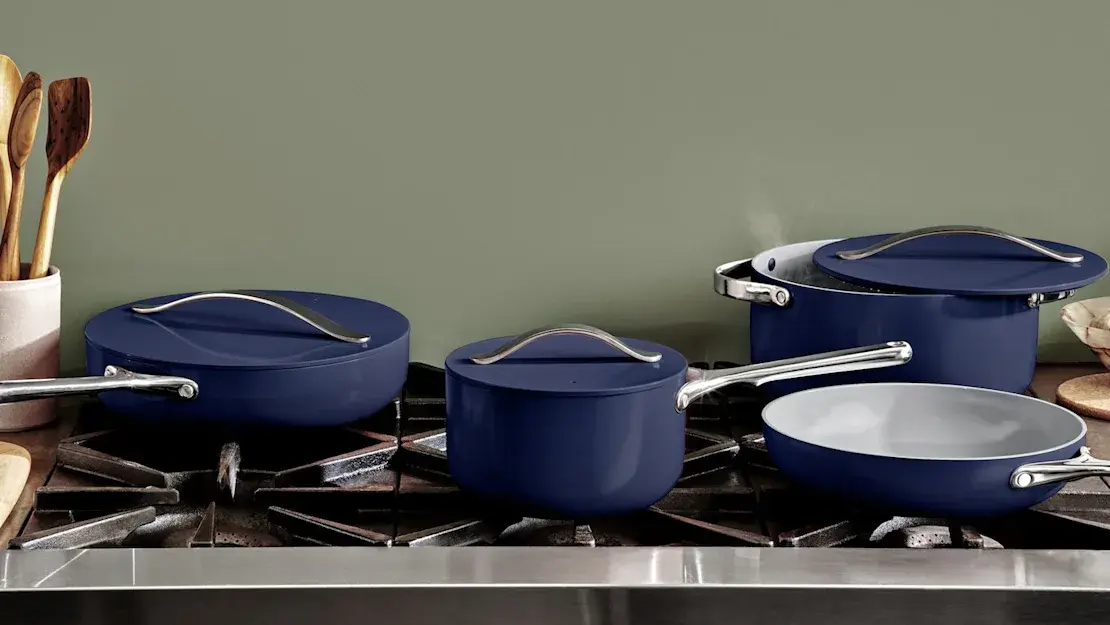
Good storage keeps your kitchen tidy and cookware ready to use. Choose cookware that fits your space and cooking style.
Credit: www.carawayhome.com
Frequently Asked Questions
Which Cookware Material Is Healthiest For Cooking?
Stainless steel and cast iron are among the healthiest cookware materials. They don’t leach harmful chemicals into food. Non-stick pans can release toxins if overheated. Choose cookware that suits your cooking style and health preferences for the best results.
What Cookware Is Best For Even Heat Distribution?
Copper and aluminum cookware provide the best heat distribution. They heat up quickly and cook food evenly. Stainless steel with an aluminum core also works well. Even heat prevents hot spots and burns, ensuring perfectly cooked meals every time.
Is Non-stick Cookware Safe For Everyday Use?
Non-stick cookware is generally safe if used properly. Avoid high heat and metal utensils to prevent coating damage. Choose PFOA-free non-stick pans for added safety. Regular replacement is recommended to maintain cooking quality and safety.
Which Cookware Lasts The Longest?
Cast iron and stainless steel are the most durable cookware options. They resist warping, scratching, and corrosion over time. Proper care like seasoning cast iron and avoiding harsh detergents extends their lifespan. Investing in these ensures reliable use for years.
Conclusion
Choosing the right cookware makes cooking easier and more fun. Think about the foods you cook most often. Consider materials like stainless steel, cast iron, or non-stick. Each type has its own benefits and uses. Match your cookware to your cooking style and budget.
Good cookware lasts for years and saves money. Cook with tools that feel right in your hands. Enjoy the process and make meals you love. The best cookware fits your kitchen and your needs. Simple choices lead to better cooking results every day.

Hello, This is Annie Walker, a 38-year-old blogger, founder, and editor of Cookware Guider from NY, USA. I am a cookware fanatic and passionate cooker. I love to cook with different types of cooking appliances (example: all types of cookware, rice cookers, slow cookers, etc) almost every day in my kitchen. I love to share my experience with my readers in my blog. Also, I enjoy helping people to solve their problems through my website. You can follow me on Twitter & Pinterest. To know details about my blog please check the about us page.