
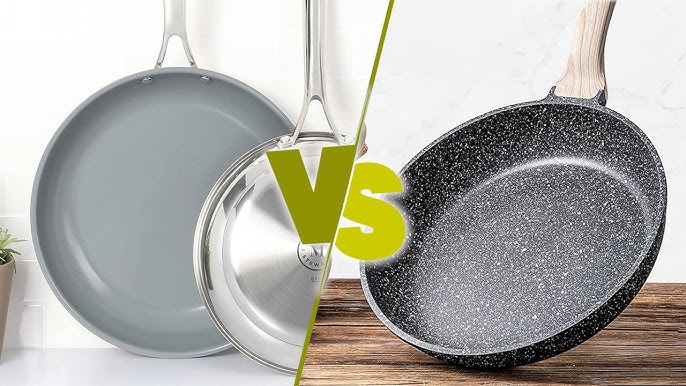
Choosing the right cookware can change the way you cook and enjoy your meals. You might be wondering: which is better, ceramic or granite cookware?
Both promise great benefits, but understanding their differences can help you make the best choice for your kitchen and health. Keep reading to discover which option fits your cooking style, budget, and needs perfectly. By the end, you’ll feel confident picking cookware that makes every meal easier and tastier.
Credit: www.youtube.com
Material Properties
Material properties define how cookware performs during cooking and how long it lasts. Both ceramic and granite cookware have unique materials that affect heat retention, durability, and safety. Understanding their composition helps pick the right type for your kitchen. The material affects non-stick quality, resistance to scratches, and ease of cleaning.
Ceramic Composition
Ceramic cookware is made from natural clay and minerals fired at high temperatures. This process creates a hard, smooth surface that is non-porous and non-stick without using harmful chemicals.
- Main materials: clay, sand, water, and other natural minerals
- Coating: often a silica-based glaze that makes the surface smooth
- Heat tolerance: can handle medium to high heat but may crack under sudden temperature changes
The ceramic surface is free from PTFE and PFOA, making it a healthier choice. It also resists staining and does not absorb odors. However, ceramic coatings can wear down over time, especially with metal utensils.
| Property | Description |
|---|---|
| Non-stick quality | Smooth surface that prevents food from sticking naturally |
| Durability | Good but can chip or crack if dropped or heated too quickly |
| Health safety | Free from harmful chemicals like PTFE and PFOA |
| Cleaning | Easy to clean but avoid abrasive scrubbers |
Granite Composition
Granite cookware is usually made from cast aluminum or steel and covered with a granite-like coating. This coating is a mix of minerals and non-stick materials that look like real granite stone.
- Base material: aluminum or stainless steel for quick heat transfer
- Coating: multiple layers of reinforced non-stick material with a granite finish
- Heat tolerance: high resistance to heat and suitable for all cooking types
Granite coatings are tougher than ceramic and resist scratches better. They last longer and handle metal utensils well. The surface is non-stick but may contain PTFE, so check product details for safety.
| Property | Description |
|---|---|
| Non-stick quality | Strong, durable coating with good food release |
| Durability | Highly resistant to scratches and chips |
| Health safety | May contain PTFE; check for PFOA-free labels |
| Cleaning | Simple to clean but avoid harsh abrasives to keep coating intact |
Heat Distribution
Heat distribution plays a key role in cooking performance and food quality. It affects how evenly food cooks and how well the cookware holds heat. Both ceramic and granite cookware offer distinct benefits in heat retention and distribution. Understanding these differences helps choose the right cookware for your kitchen needs.
Ceramic Heat Retention
Ceramic cookware is known for its excellent heat retention. The material absorbs heat slowly and holds it evenly across the cooking surface. This helps prevent hot spots, which can burn food or cause uneven cooking.
Key features of ceramic heat retention include:
- Slow and steady heating: Ceramic heats up gradually, providing controlled cooking temperatures.
- Even heat spread: The heat moves evenly, reducing the risk of burning or undercooking.
- Good heat retention: Ceramic holds heat well even after the stove is turned off.
Here is a simple comparison of ceramic cookware heat traits:
| Feature | Description |
|---|---|
| Heating Speed | Slow to warm up |
| Heat Distribution | Very even |
| Heat Retention | Excellent |
Ceramic cookware works well for recipes that need gentle, even heat like sauces and simmered dishes. It keeps food warm for longer without extra energy. The non-metallic surface also prevents sticking, which complements its heat properties.
Granite Heat Retention
Granite cookware features a strong, dense base that helps with heat retention. It heats up faster than ceramic but still provides good heat distribution. The granite coating often includes a metal core, which improves heat conduction.
Main points about granite heat retention:
- Faster heating: Granite cookware reaches cooking temperatures quickly.
- Good heat conduction: Metal core helps spread heat across the pan.
- Stable heat retention: Holds heat well but cools faster than ceramic.
The following table compares granite cookware heat traits:
| Feature | Description |
|---|---|
| Heating Speed | Fast to warm up |
| Heat Distribution | Good but may have slight hot spots |
| Heat Retention | Moderate |
Granite cookware suits tasks needing quick temperature changes like frying and sautéing. It cools faster than ceramic, which allows better control over cooking. The surface is tough and scratch-resistant, supporting even cooking over time.
Durability And Scratch Resistance
Durability and scratch resistance are key factors in choosing between ceramic and granite cookware. Both materials promise long-lasting use, but their strength and resistance to scratches vary. Understanding these differences helps pick the best cookware for daily cooking needs. This section breaks down how ceramic and granite pans hold up under regular use.
Ceramic Durability
Ceramic cookware features a smooth, non-stick surface made from inorganic minerals. It offers good heat distribution but requires gentle care to maintain its coating.
- Scratch Resistance: Ceramic coatings can scratch easily if metal utensils are used. Wooden or silicone tools are safer choices.
- Heat Tolerance: Ceramic pans handle medium to high heat well but can crack if exposed to sudden temperature changes.
- Longevity: The ceramic layer may wear off over time, especially with frequent use and abrasive cleaning.
Below is a quick comparison of ceramic cookware durability factors:
| Factor | Details |
|---|---|
| Scratch Resistance | Moderate; avoid metal tools |
| Heat Resistance | Good but sensitive to thermal shock |
| Wear & Tear | Coating can degrade with use |
Proper use and care extend ceramic cookware life. Avoid harsh scrubbing and sudden temperature changes to keep the surface intact.
Granite Durability
Granite cookware usually refers to pans with a granite-like coating over metal. This coating gives a rugged, stone-like finish that is highly durable.
- Scratch Resistance: Granite coatings resist scratches better than ceramic. They withstand metal utensils without damage.
- Heat Tolerance: Granite pans handle high heat well and resist cracking from temperature shifts.
- Longevity: The tough coating lasts longer and maintains its non-stick properties through heavy use.
Check this table comparing granite cookware durability features:
| Factor | Details |
|---|---|
| Scratch Resistance | High; safe with metal utensils |
| Heat Resistance | Excellent; tolerates thermal shock |
| Wear & Tear | Strong; coating remains intact long |
Granite cookware suits heavy, everyday use. Its sturdy surface resists scratches and heat better than ceramic alternatives.
Non-stick Performance
Non-stick performance is a key factor when choosing between ceramic and granite cookware. It affects how easily food releases from the pan and how simple the cleaning process is. A good non-stick surface means less oil or butter is needed, promoting healthier cooking. Both ceramic and granite cookware offer non-stick features but differ in their materials and durability. Understanding these differences helps pick the right cookware for everyday use.
Ceramic Non-stick Qualities
Ceramic cookware has a coating made from silica, derived from sand. This coating creates a smooth, non-stick surface that is free from harmful chemicals like PTFE and PFOA. Ceramic pans heat evenly, which helps prevent food from sticking and burning.
- Natural non-stick surface: Ceramic is known for its chemical-free coating.
- Easy to clean: Food slides off quickly, making washing simple.
- Heat tolerance: Ceramic can handle moderate to high heat but may lose non-stick ability at very high temperatures.
- Durability: The coating can wear off over time, especially with metal utensils or abrasive cleaning.
Here is a quick comparison of ceramic non-stick features:
| Feature | Detail |
|---|---|
| Material | Silica-based ceramic coating |
| Non-stick Level | Good, especially when new |
| Heat Resistance | Up to 450°F (232°C) |
| Cleaning | Easy, avoid abrasive tools |
| Lifespan | 2 to 3 years with care |
Granite Non-stick Qualities
Granite cookware usually features a heavy aluminum base covered with a granite-like coating. This coating is often a mix of ceramic and other materials, providing a hard, scratch-resistant surface. The non-stick ability depends on the quality of the coating and the brand.
- Strong surface: Granite coatings resist scratches better than ceramic.
- Non-stick performance: Effective but may need more oil compared to ceramic.
- Heat distribution: Heats evenly and retains heat well for cooking.
- Maintenance: Generally easy to clean, but harsh scrubbers can damage the surface.
Granite cookware offers a balance of durability and non-stick function. It may not be as slick as ceramic but lasts longer under heavy use.
| Feature | Detail |
|---|---|
| Material | Aluminum base with granite-like coating |
| Non-stick Level | Good, may require oil |
| Heat Resistance | Up to 500°F (260°C) |
| Cleaning | Easy, use soft sponges |
| Lifespan | 3 to 5 years with proper care |
Health And Safety
Choosing the right cookware affects not only cooking quality but also health and safety. Ceramic and granite cookware are popular for their looks and durability. Both claim to offer safer cooking without harmful chemicals. Understanding their health impact helps make a smart choice for everyday meals.
Chemical-free Cooking
Ceramic cookware is often praised for being free of toxic chemicals. It usually has a natural, non-stick surface made from silica and other minerals. This coating does not contain PTFE, PFOA, lead, or cadmium, which are chemicals found in some older non-stick pans.
Granite cookware typically features a non-stick coating with a mix of ceramic and mineral elements. Many brands advertise their granite pans as free from harmful chemicals too. This makes them a safer option for cooking without worrying about chemical leaching.
Benefits of chemical-free cooking include:
- Food tastes pure without chemical odors
- Lower risk of chemical ingestion during cooking
- Safe high-temperature cooking without toxic fumes
- Easy cleaning with less damage to coating
| Cookware Type | Common Chemical-Free Features | Typical Coating Material |
|---|---|---|
| Ceramic | PTFE-free, PFOA-free, Lead-free, Cadmium-free | Silica-based mineral glaze |
| Granite | Often PTFE-free, PFOA-free, Lead-free (varies by brand) | Mineral and ceramic blend coating |
Choosing cookware without toxic chemicals supports a healthier kitchen. It also reduces environmental impact from manufacturing harmful substances.
Potential Risks
Although ceramic and granite cookware seem safe, some risks exist. The main concern is the durability of the coating. Over time, the surface can wear down or chip, exposing the metal underneath. This may cause:
- Release of metals like aluminum or iron into food
- Reduced non-stick performance
- Possible ingestion of small coating particles
Improper use can increase these risks. For example, using metal utensils or overheating the pan can damage the coating faster. Below are common risks by cookware type:
| Cookware Type | Potential Risks | How to Reduce Risks |
|---|---|---|
| Ceramic | Chipping, cracking, coating wear | Use wooden or silicone utensils, avoid sudden temperature changes |
| Granite | Coating peeling, chemical exposure if low quality | Buy high-quality brands, avoid abrasive cleaning |
Some low-quality granite pans may contain small amounts of toxic chemicals. Always check product reviews and labels. Proper care extends the life of both ceramic and granite cookware.

Credit: alva-cookware.us
Cleaning And Maintenance
Choosing between ceramic and granite cookware involves many factors, but cleaning and maintenance play a big role. Both materials need proper care to last longer and perform well. Knowing the right way to clean and maintain each type protects the cookware’s surface and keeps it safe for cooking.
Care Tips For Ceramic
Ceramic cookware has a smooth, non-stick surface that needs gentle cleaning. Harsh scrubbing or metal tools can damage it easily. Follow these tips to keep ceramic pots and pans in good shape:
- Let the cookware cool before washing to avoid cracking.
- Use warm water and mild dish soap for cleaning.
- A soft sponge or cloth works best; avoid steel wool or abrasive pads.
- For stuck food, soak the cookware in warm, soapy water for 15-20 minutes.
- Dry thoroughly with a soft towel to prevent water spots.
- Avoid dishwasher use, as harsh detergents can dull the ceramic coating.
- Do not use cooking sprays regularly; they build up residue and reduce non-stick quality.
Here is a simple care chart for ceramic cookware:
| Care Aspect | Recommended | Not Recommended |
|---|---|---|
| Cleaning Tool | Soft sponge, cloth | Steel wool, abrasive pads |
| Cleaning Method | Hand wash with mild soap | Dishwasher, harsh detergents |
| Drying | Air dry or soft towel | Leave wet or use rough towels |
Care Tips For Granite
Granite cookware is durable but needs careful maintenance to keep its finish and non-stick properties. It often has a stone-like coating that can chip if treated roughly. Follow these simple rules:
- Clean after each use with warm water and gentle dish soap.
- Use a non-abrasive sponge or cloth to avoid scratches.
- Do not soak granite cookware for long periods; it may weaken the coating.
- Dry immediately after washing to prevent water spots and stains.
- Avoid using metal utensils that can chip the surface.
- Do not use bleach or strong chemicals; they harm the coating.
- For tough stains, make a paste of baking soda and water, apply gently, then rinse.
Quick reference for granite cookware care:
| Care Aspect | Recommended | Not Recommended |
|---|---|---|
| Cleaning Tool | Soft sponge, microfiber cloth | Steel wool, metal scrubbers |
| Cleaning Method | Hand wash with mild soap | Dishwasher, harsh chemicals |
| Drying | Dry immediately with cloth | Air dry with water left on |
Cost Comparison
Choosing between ceramic and granite cookware often depends on cost. Understanding the price differences helps you decide which suits your budget and cooking needs. This section compares the cost aspects of ceramic and granite cookware, focusing on their price ranges and value for money. Both types offer unique benefits, but their price points and durability vary.
Price Range
The price of ceramic and granite cookware varies widely based on brand, size, and quality. Ceramic cookware tends to be more affordable for beginners or those on a tight budget. Granite cookware usually has a higher starting price due to its construction and materials.
- Ceramic Cookware: Prices generally start from $20 for basic sets and can go up to $150 for premium brands.
- Granite Cookware: Prices usually begin around $40 and can reach $200 or more for high-end products.
Here is a simple comparison table:
| Cookware Type | Low-End Price | Mid-Range Price | High-End Price |
|---|---|---|---|
| Ceramic | $20 – $40 | $50 – $100 | $120 – $150 |
| Granite | $40 – $70 | $80 – $140 | $150 – $200+ |
Granite cookware often costs more upfront but may last longer. Ceramic sets are easier on the wallet but may need replacement sooner. Both options offer choices for various budgets.
Value For Money
Value means more than just the price tag. It includes durability, performance, and maintenance costs. Granite cookware tends to offer better long-term value because of its strength and scratch resistance. Ceramic cookware can lose its non-stick coating faster, which may reduce its lifespan.
Factors affecting value for money:
- Durability: Granite is generally tougher and resists chips and cracks better than ceramic.
- Non-Stick Performance: Ceramic starts strong but wears down quicker with daily use.
- Ease of Cleaning: Both are easy to clean, but granite often requires less special care.
- Health and Safety: Both are free from harmful chemicals like PFOA and PTFE.
Consider this value comparison:
| Aspect | Ceramic Cookware | Granite Cookware |
|---|---|---|
| Durability | Moderate; can chip or wear out | High; strong and chip-resistant |
| Non-Stick Quality | Good initially, decreases over time | Consistent and long-lasting |
| Maintenance | Requires gentle handling | Less delicate, easier care |
| Lifespan | 2-3 years on average | 4-6 years or more |
Granite cookware offers better value for money for frequent cooks and families. Ceramic cookware suits light use and smaller budgets. Choose based on your cooking style and how often you cook.
Best Uses
Choosing between ceramic and granite cookware depends on what you cook most often. Both types offer unique benefits for different cooking styles. Knowing their best uses helps pick the right one for your kitchen. Each cookware type suits certain dishes and heat levels better. This section explains the ideal cooking styles for ceramic and granite cookware to help with smart choices.
Ideal Cooking Styles For Ceramic
Ceramic cookware works great for low to medium heat cooking. It heats evenly and has a smooth, non-stick surface. This makes it perfect for delicate foods that need gentle handling.
- Sautéing vegetables: Ceramic pans keep vegetables from sticking and cook them evenly.
- Cooking eggs: The non-stick surface lets you cook eggs without oil or butter.
- Simmering sauces: Ceramic handles slow cooking well without burning sauces.
- Light frying: Foods like fish fillets or pancakes cook nicely on ceramic without sticking.
Because ceramic does not handle very high heat well, avoid using it for searing or frying at very high temperatures. It is also great for oven use as most ceramic cookware can safely go in the oven at moderate temperatures.
| Cooking Style | Why Ceramic is Best |
|---|---|
| Low to Medium Heat Cooking | Even heat distribution, gentle on food |
| Non-stick Cooking | Great smooth surface for eggs and pancakes |
| Oven Baking | Safe up to moderate oven temperatures |
Ideal Cooking Styles For Granite
Granite cookware is tough and handles higher heat well. It often has a heavy base that distributes heat evenly and keeps it for a long time. This makes it suitable for cooking styles needing strong, steady heat.
- Searing meats: The high heat capacity helps brown meat beautifully.
- Stir-frying: Granite pans tolerate high heat and quick tossing of food.
- Roasting vegetables: Heavy granite cookware holds heat for even roasting.
- Stews and braises: It keeps temperature steady for slow cooking.
Granite cookware is usually more durable and scratch-resistant. It handles metal utensils better than ceramic and suits cooking that needs frequent temperature changes.
| Cooking Style | Why Granite is Best |
|---|---|
| High Heat Cooking | Resists heat well, ideal for searing and stir-frying |
| Slow Cooking | Maintains steady temperature for braising and stewing |
| Durable Use | Scratch-resistant, works well with metal utensils |

Credit: www.youtube.com
Frequently Asked Questions
Which Cookware Is Healthier: Ceramic Or Granite?
Ceramic cookware is generally healthier as it is free from harmful chemicals like PTFE and PFOA. Granite cookware often contains non-stick coatings that may release toxins at high temperatures. Ceramic offers a natural, non-toxic cooking surface, making it a safer choice for health-conscious users.
Is Ceramic Or Granite Cookware More Durable?
Granite cookware tends to be more durable due to its hard, scratch-resistant surface. Ceramic cookware is prone to chipping and cracking if mishandled. However, with careful use, both types can last long. Granite is preferred for heavy-duty cooking and frequent use.
Which Cookware Heats More Evenly: Ceramic Or Granite?
Granite cookware heats more evenly because of its dense structure, which retains heat well. Ceramic cookware can have hot spots, leading to uneven cooking. For consistent temperature, granite is often the better choice, especially for slow and steady cooking.
Are Ceramic Or Granite Cookware Easier To Clean?
Ceramic cookware is easier to clean due to its smooth, non-porous surface that resists food sticking. Granite cookware may require more effort to remove stubborn residues. Both are generally dishwasher safe, but ceramic needs less scrubbing and maintenance.
Conclusion
Choosing between ceramic and granite cookware depends on your cooking needs. Ceramic pans heat evenly and are easy to clean. Granite cookware is strong and lasts longer with proper care. Both types offer non-stick surfaces for healthier meals. Think about your budget, cooking style, and how often you cook.
Either choice can improve your kitchen experience. Try both to see which suits you best. Cooking should be simple and enjoyable. Your perfect pan is waiting.

Hello, This is Annie Walker, a 38-year-old blogger, founder, and editor of Cookware Guider from NY, USA. I am a cookware fanatic and passionate cooker. I love to cook with different types of cooking appliances (example: all types of cookware, rice cookers, slow cookers, etc) almost every day in my kitchen. I love to share my experience with my readers in my blog. Also, I enjoy helping people to solve their problems through my website. You can follow me on Twitter & Pinterest. To know details about my blog please check the about us page.