
Are you wondering if Thyme and Table cookware is safe to use for your daily cooking? Choosing the right cookware matters more than you might think.
What you cook with can affect your health, the taste of your food, and even how long your pots and pans last. You’ll discover everything you need to know about Thyme and Table cookware—its materials, safety features, and whether it’s a smart choice for your kitchen.
Keep reading to make sure you’re cooking with confidence and protecting your family’s well-being.

Credit: www.advancedresources.com
Thyme In Cooking
Thyme is a popular herb in kitchens worldwide. It adds flavor and aroma to many dishes. Thyme’s small leaves pack a strong, earthy taste. It pairs well with meats, vegetables, and sauces. Thyme is also known for its health benefits. Many cooks choose thyme for its natural properties and taste. Using thyme in cooking enhances meals without needing extra salt or sugar. It blends easily with other herbs and spices. Thyme is safe for most people and works well with various cookware types, including table cookware. Understanding thyme’s uses, benefits, and risks helps you cook safely and deliciously.
Common Uses Of Thyme
Thyme is a versatile herb used in many recipes. It works well fresh or dried. Thyme’s flavor is slightly minty with a hint of lemon. It complements many dishes, especially in Mediterranean and French cuisine.
- Meat seasoning: Thyme enhances chicken, beef, lamb, and pork dishes.
- Soups and stews: Adds depth and aroma to slow-cooked meals.
- Vegetable dishes: Pairs well with potatoes, carrots, and mushrooms.
- Sauces and marinades: Boosts flavor in tomato sauces and salad dressings.
- Baking: Sometimes used in breads and savory pastries.
Thyme can be added at different cooking stages. Early addition extracts more flavor during cooking. Adding it at the end keeps the fresh taste. Thyme leaves or sprigs can be used whole or chopped.
| Cooking Method | Use of Thyme | Effect on Flavor |
|---|---|---|
| Slow cooking | Sprigs added early | Deep, earthy flavor |
| Quick sauté | Chopped leaves added last | Fresh, bright taste |
| Baking | Dried thyme mixed in dough | Subtle herbal note |
Nutritional Benefits
Thyme is not only tasty but also healthy. It contains vitamins, minerals, and antioxidants. These nutrients support body functions and protect cells from damage.
- Vitamin C: Helps the immune system and skin health.
- Vitamin A: Important for vision and cell growth.
- Iron: Supports blood health and energy.
- Manganese: Helps with bone development and metabolism.
- Antioxidants: Fight free radicals and reduce inflammation.
Thyme also has antibacterial and antifungal properties. It can aid digestion and may relieve cough and cold symptoms. Using thyme regularly in meals can add these health benefits naturally.
| Nutrient | Amount per 100g | Health Benefit |
|---|---|---|
| Vitamin C | 160 mg | Boosts immunity |
| Vitamin A | 1774 IU | Supports vision |
| Iron | 17.45 mg | Improves blood health |
| Manganese | 1.17 mg | Supports metabolism |
Potential Allergies
Thyme is safe for most people. Some may experience allergic reactions. These reactions can range from mild to severe.
- Skin irritation: Contact with thyme oil may cause redness or rash.
- Respiratory issues: Inhaling thyme dust or pollen may trigger asthma symptoms.
- Oral allergy syndrome: Some individuals may feel itching or swelling in the mouth after eating thyme.
People with allergies to other herbs like oregano or basil might react to thyme. Testing a small amount first is wise. Pregnant or breastfeeding women should consult a doctor before using thyme supplements. Cooking with thyme in normal amounts is generally safe.
Allergy Precautions for Thyme- Avoid thyme oil on skin if sensitive.
- Use in small amounts if prone to asthma.
- Consult healthcare provider if pregnant.
Materials Used In Table Cookware
When choosing table cookware, understanding the materials used is crucial for safety and health. Different materials affect cooking performance, durability, and potential chemical exposure. Knowing these materials helps select cookware that keeps food safe and tasty. This section explores common cookware materials, highlights non-toxic options, and points out those to avoid for your well-being.
Types Of Cookware Materials
Cookware comes in many materials, each with unique features. Some materials conduct heat well, while others resist corrosion or stickiness. Common types include:
- Stainless Steel: Durable, rust-resistant, and non-reactive. Ideal for most cooking tasks.
- Cast Iron: Excellent heat retention and naturally non-stick when seasoned.
- Aluminum: Lightweight and good heat conductor but often coated to avoid reactivity.
- Ceramic: Provides a non-stick surface and is free from metal toxins.
- Non-Stick Coatings: Usually made with PTFE or ceramic layers to prevent food from sticking.
| Material | Heat Conductivity | Durability | Reactivity |
|---|---|---|---|
| Stainless Steel | Medium | High | Low |
| Cast Iron | Low (slow to heat) | Very High | Medium |
| Aluminum | High | Medium | High (unless coated) |
| Ceramic | Low | Medium | None |
Choosing the right cookware depends on cooking style and safety preferences. Some materials suit slow cooking, while others are perfect for frying or boiling.
Non-toxic Cookware Options
Non-toxic cookware avoids harmful chemicals and heavy metals. These options provide safe surfaces for cooking without leaching toxins into food.
- Stainless Steel: Non-reactive and free from harmful coatings. It does not release chemicals during cooking.
- Cast Iron: Natural and chemical-free. Proper seasoning prevents rust and creates a safe cooking layer.
- Ceramic-Coated Cookware: Made from natural minerals, free of PTFE and PFOA chemicals.
- Glass Cookware: Heat-resistant and chemically inert. Perfect for baking and reheating.
These options offer peace of mind for health-conscious cooks. Regular cleaning and care extend their lifespan without compromising safety.
| Non-Toxic Material | Benefits | Care Tips |
|---|---|---|
| Stainless Steel | Durable, rust-proof, no chemical coating | Clean with mild soap, avoid harsh abrasives |
| Cast Iron | Natural, improves with seasoning | Season regularly, dry completely after washing |
| Ceramic-Coated | Non-stick without chemicals | Use wooden utensils, avoid metal scrubbing |
| Glass | Non-reactive, safe for oven and microwave | Handle carefully to prevent breakage |
Cookware To Avoid
Certain cookware materials may pose health risks. These can release toxins or metals into food, especially at high temperatures.
- Aluminum Cookware (Uncoated): Can react with acidic foods, causing aluminum to leach into meals.
- Non-Stick Cookware with PTFE or PFOA: These coatings may release harmful fumes when overheated.
- Copper Cookware (Unlined): Copper can leach into food and cause toxicity if not properly lined.
- Plastic or Melamine Cookware: Not suitable for high heat and may release chemicals.
Using cookware made from unsafe materials can lead to long-term health issues. Avoid scratched non-stick pans and heavily worn cookware.
| Material to Avoid | Risks | Safe Alternatives |
|---|---|---|
| Uncoated Aluminum | Metal leaching, especially with acidic food | Coated aluminum, stainless steel |
| PTFE/PFOA Non-Stick | Toxic fumes at high heat | Ceramic-coated, cast iron |
| Unlined Copper | Copper toxicity | Lined copper, stainless steel |
| Plastic/Melamine | Chemical leaching, not heat safe | Glass, stainless steel |
Safety Of Cooking With Thyme
Cooking with thyme is popular due to its unique flavor and health benefits. This herb adds a fresh, earthy taste to many dishes. People often wonder if thyme is safe to cook with, especially at high temperatures. Understanding the safety of cooking with thyme helps in using it properly. This section explains how heat affects thyme, its role in food safety, and how it interacts with other ingredients.
Effects Of Heat On Thyme
Heat changes thyme’s flavor and chemical makeup. When thyme cooks at high temperatures, some of its delicate oils evaporate. This can reduce its aroma and taste.
- Low to medium heat keeps most of thyme’s flavor intact.
- High heat may cause loss of essential oils and bitterness.
- Long cooking times can make thyme less vibrant but still safe to eat.
Thyme contains thymol, a compound with natural antibacterial properties. Heat can reduce the amount of thymol, but some remains even after cooking.
| Heat Level | Effect on Thyme | Flavor Impact |
|---|---|---|
| Low (below 200°F / 93°C) | Preserves essential oils | Strong, fresh aroma |
| Medium (200-300°F / 93-149°C) | Partial loss of oils | Mild, balanced flavor |
| High (above 300°F / 149°C) | Significant oil evaporation | Bitter, less aromatic |
To get the best flavor, add thyme early for slow cooking or near the end for fresh taste. This approach keeps the herb safe and tasty.
Thyme And Food Safety
Thyme is safe to eat and cook with. It has natural antibacterial and antifungal properties. These qualities help reduce some bacteria in food.
Using fresh or dried thyme can improve food safety by:
- Slowing bacterial growth in cooked dishes
- Adding antioxidants that protect food
- Reducing spoilage when used in marinades
Still, thyme does not replace proper food handling. Clean your cooking tools and store food safely. Avoid using old or moldy thyme. It can cause foodborne illness.
Thyme’s safety benefits depend on its quality and freshness. Store dried thyme in a cool, dark place. Fresh thyme should be kept in the refrigerator and used within a few days.
Summary of thyme’s food safety points:
- Natural antibacterial effects
- Improves shelf life of cooked meals
- Must be fresh or properly dried
- Does not replace hygiene practices
Interactions With Other Ingredients
Thyme mixes well with many ingredients. It enhances flavors without clashing. Knowing how thyme interacts helps create better dishes.
Common ingredient groups that work well with thyme:
- Meats: chicken, beef, lamb
- Vegetables: potatoes, carrots, tomatoes
- Herbs and spices: rosemary, garlic, oregano
- Liquids: olive oil, wine, broth
Thyme’s flavor can balance acidic ingredients like lemon or vinegar. It also softens strong spices such as chili or black pepper.
Be careful combining thyme with very strong herbs. Too much can overpower the dish. Use small amounts and taste often.
Here is a simple guide for thyme pairings:
| Ingredient Type | Good Pairings | Notes |
|---|---|---|
| Meats | Chicken, lamb, pork | Thyme adds earthiness and depth |
| Vegetables | Potatoes, mushrooms, tomatoes | Enhances natural sweetness |
| Herbs | Rosemary, oregano, basil | Use sparingly to avoid overpowering |
| Liquids | Olive oil, wine, stock | Helps release thyme’s flavors |
Thyme is safe and versatile. It blends well with many foods, improving taste and aroma safely.
Safety Of Table Cookware
Choosing safe cookware is important for healthy cooking. Table cookware includes pots, pans, and utensils used daily. The safety of these items depends on their material and condition. Some cookware can release harmful chemicals into food, while others may wear out and cause issues. Understanding the safety of table cookware helps protect your health and improve your cooking experience.
Chemical Leaching Risks
Chemical leaching happens when harmful substances from cookware enter food. This risk varies by the type of material used in the cookware. Some common materials and their risks include:
- Non-stick coatings: These may release toxic fumes if overheated above 500°F (260°C).
- Aluminum: Can leach into acidic or salty foods, potentially affecting health.
- Copper: May release copper if not lined with safe materials.
- Plastic handles or parts: Could leach chemicals if exposed to high heat.
Safe cookware materials include stainless steel, cast iron, and ceramic. These materials leach fewer or no chemicals into food. Always check for certification or safety labels when buying cookware.
| Cookware Material | Leaching Risk | Safe Use Tips |
|---|---|---|
| Non-stick (PTFE) | High if overheated | Use low to medium heat |
| Aluminum | Moderate with acidic foods | Avoid cooking acidic dishes |
| Stainless Steel | Low | Use normally, avoid scratching |
| Cast Iron | Low, may add iron | Season regularly |
Impact Of Wear And Tear
Wear and tear reduce cookware safety and performance. Over time, scratches, chips, and discoloration appear. These damages increase the risk of chemical leaching and bacterial growth.
Common signs of wear and tear include:
- Scratched non-stick surfaces
- Peeling or flaking coatings
- Dents or warping
- Rust spots on metal cookware
Damaged cookware can cause food to stick or cook unevenly. It may also release harmful particles or metals into food. Replace cookware with severe damage to avoid health risks.
| Type of Damage | Potential Problem | Action Needed |
|---|---|---|
| Scratched non-stick coating | Chemical release, food sticking | Replace or repair |
| Rust on cast iron | Metal contamination | Remove rust, reseason |
| Warped base | Uneven cooking | Replace cookware |
Proper Cookware Maintenance
Maintaining cookware extends its life and keeps it safe. Simple habits help avoid damage and contamination. Follow these tips for good cookware care:
- Clean cookware gently: Use soft sponges and mild detergents.
- Avoid metal utensils: Use wooden or silicone tools on non-stick surfaces.
- Season cast iron: Apply oil and heat regularly to keep the surface non-stick and rust-free.
- Store properly: Stack pans carefully to avoid scratches.
- Use correct heat: Avoid overheating to protect coatings and materials.
Regular inspection helps catch early signs of damage. Replace or repair cookware as needed. Proper maintenance protects health and improves cooking results.
Combining Thyme And Cookware
Combining thyme and cookware in cooking can affect both safety and flavor. Thyme is a popular herb that adds aroma and taste to many dishes. The type of cookware used influences how thyme releases its oils and how safe it remains during cooking. Some cookware materials react with acidic or oily herbs like thyme. Choosing the right cookware ensures you enjoy thyme’s flavor without health risks or unwanted chemical reactions.
Best Cookware For Cooking Thyme
Picking the right cookware preserves thyme’s delicate flavor and ensures safety. Certain materials work better than others when cooking with herbs like thyme.
- Stainless Steel: Durable, non-reactive, and easy to clean. It does not change thyme’s flavor or cause contamination.
- Ceramic: Non-stick and non-reactive, ceramic cookware holds heat evenly. It helps thyme release its aroma gently.
- Cast Iron (Enameled): Enameled cast iron prevents metal from touching food. It is safe for thyme and adds even cooking.
- Glass: Completely non-reactive and safe. Ideal for slow cooking thyme in sauces or soups.
Avoid uncoated cast iron or aluminum, as they may react with thyme’s oils. This can alter taste and produce harmful compounds.
| Cookware Type | Safety with Thyme | Flavor Impact | Cleaning Ease |
|---|---|---|---|
| Stainless Steel | Very Safe | Neutral | Easy |
| Ceramic | Safe | Enhances Flavor | Moderate |
| Enameled Cast Iron | Safe | Good | Moderate |
| Glass | Very Safe | Neutral | Easy |
| Uncoated Cast Iron | Not Recommended | May Alter Flavor | Difficult |
| Aluminum | Not Recommended | May Alter Flavor | Easy |
Avoiding Contamination
Cross-contamination can occur if thyme and cookware are not handled properly. This affects food safety and taste.
Follow these tips to avoid contamination:
- Clean cookware before and after use. Remove any leftover residues to prevent bacterial growth.
- Use separate utensils for raw and cooked herbs. This stops germs from spreading.
- Store thyme properly. Keep fresh thyme in the refrigerator and dry thyme in airtight containers.
- Check cookware for damage. Scratches or worn coatings can trap bacteria.
Cookware material matters. Porous surfaces can absorb oils and flavors, leading to contamination over time. Non-porous materials like stainless steel are safer.
Regular cleaning with hot soapy water or dishwasher use keeps cookware hygienic. Avoid harsh abrasives that damage surfaces.
Enhancing Flavor Safely
Thyme adds a fresh, earthy flavor. Using the right cookware enhances this safely without overpowering the dish.
Tips to enhance thyme’s flavor safely:
- Add thyme towards the end of cooking. This preserves its aroma and prevents bitterness.
- Use fresh thyme for a bright taste. Dry thyme works well but has a stronger flavor.
- Simmer thyme gently in sauces or soups. Use ceramic or stainless steel pots for best results.
- Use minimal oil or butter. This helps thyme’s oils release without burning.
Cookware with even heat distribution prevents burning. Avoid high heat as it can destroy thyme’s essential oils and create off-flavors.
Experiment with thyme in different cookware types to find your preferred taste. Safe cookware protects both health and flavor quality.
Credit: www.advancedresources.com
Credit: www.walmart.com
Frequently Asked Questions
Is Thyme Cookware Safe For Everyday Cooking?
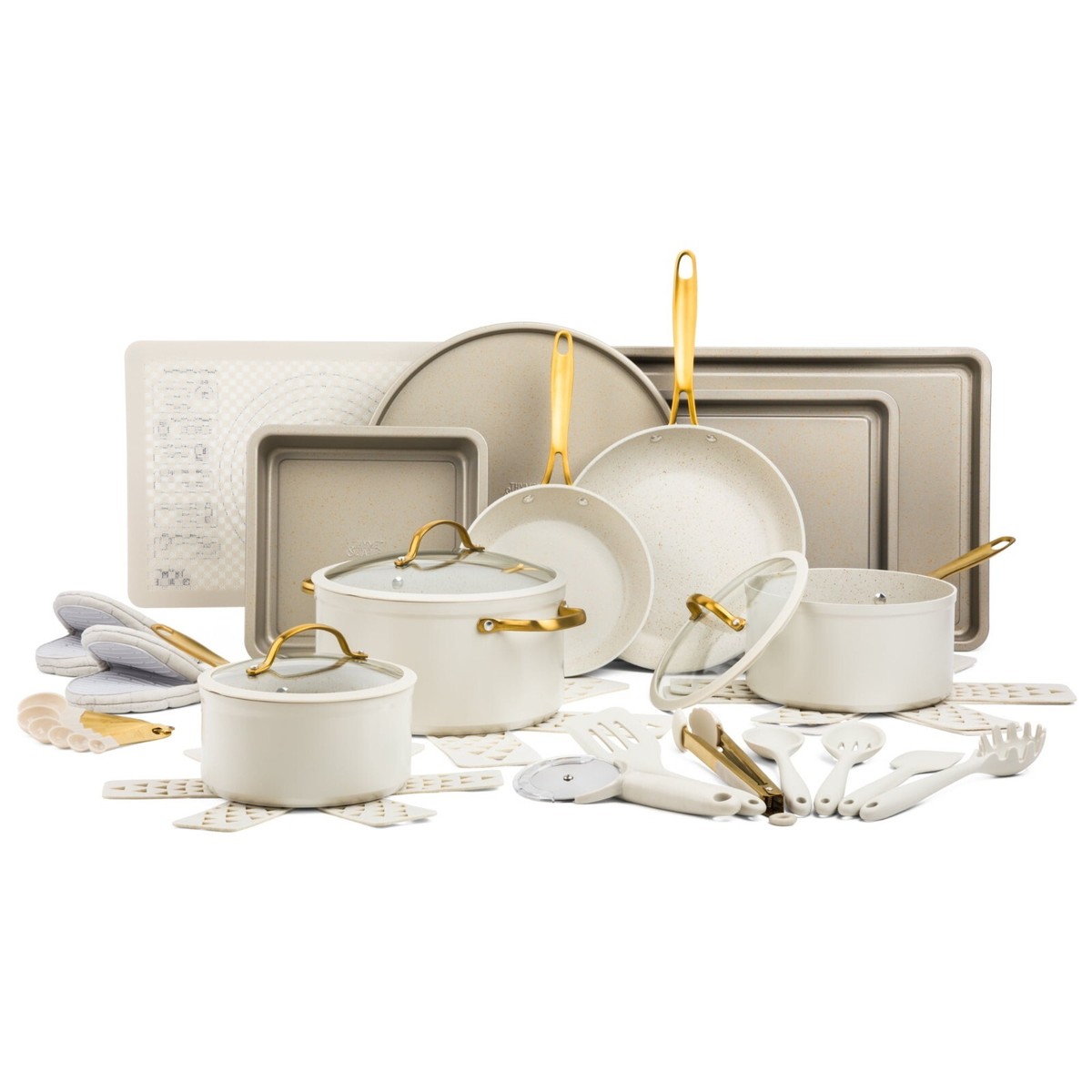
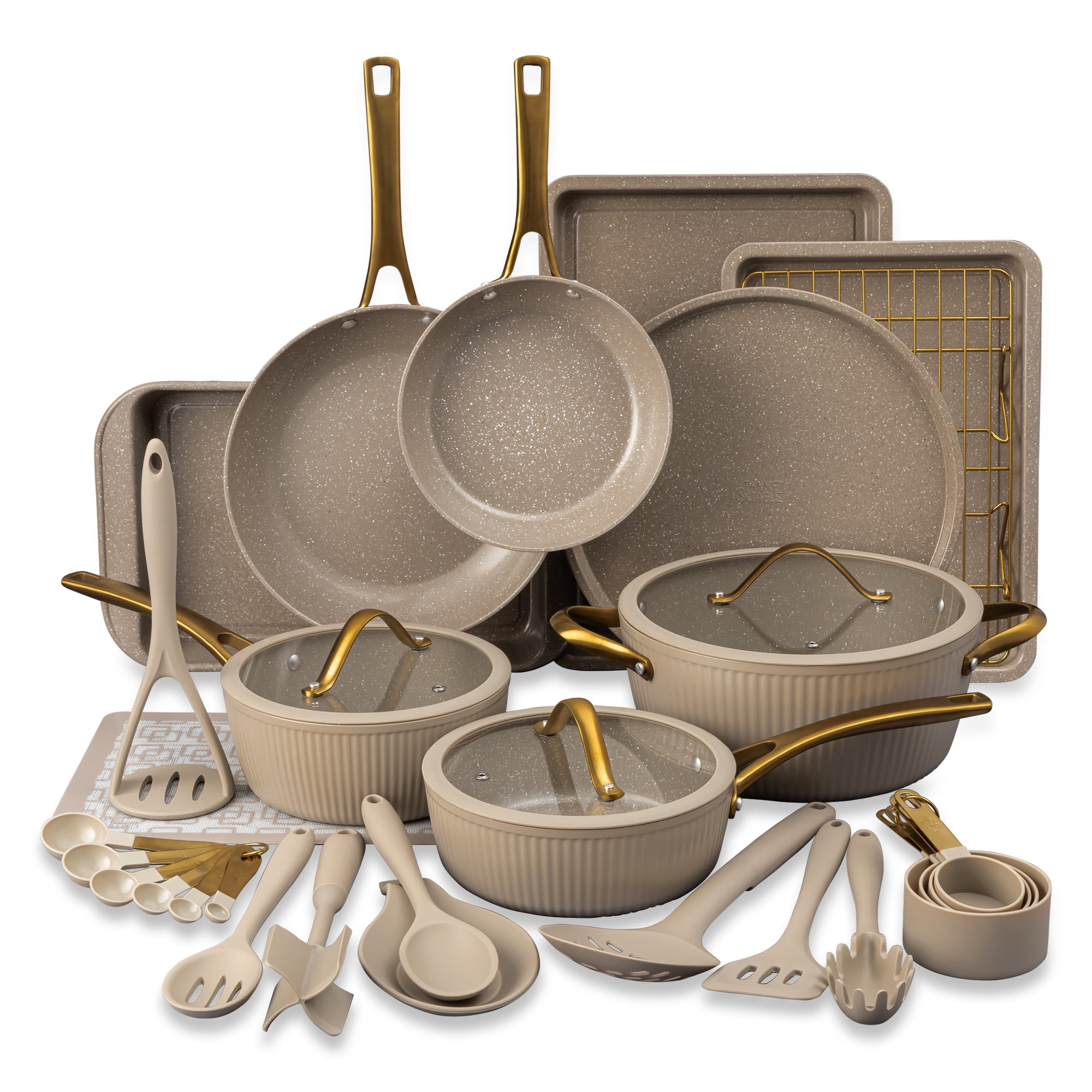
Yes, Thyme cookware is safe for daily use. It uses non-toxic materials and PFOA-free coatings, ensuring healthy cooking without harmful chemicals.
Does Thyme Cookware Release Harmful Chemicals?
No, Thyme cookware does not release harmful chemicals. It is designed with safe, non-stick surfaces that prevent toxic fumes during normal cooking.
Can Thyme Cookware Withstand High Temperatures?
Thyme cookware can handle moderate to high heat but avoid extreme temperatures to maintain its non-stick coating and cookware durability.
Is Thyme Cookware Dishwasher Safe?
Most Thyme cookware pieces are dishwasher safe, but hand washing is recommended to extend the cookware’s lifespan and preserve its surface.
Conclusion
Thyme and Table cookware offers good safety for everyday cooking. It uses materials that resist scratches and heat well. Cleaning is easy, which helps keep your food safe. Always follow the care instructions to avoid damage. Regular checks for wear and tear keep the cookware reliable.
This cookware suits simple and healthy meals. It provides a solid choice for safe kitchen use. Choose quality pieces to enjoy cooking without worry. Safe cookware makes cooking more enjoyable and stress-free.

Hello, This is Annie Walker, a 38-year-old blogger, founder, and editor of Cookware Guider from NY, USA. I am a cookware fanatic and passionate cooker. I love to cook with different types of cooking appliances (example: all types of cookware, rice cookers, slow cookers, etc) almost every day in my kitchen. I love to share my experience with my readers in my blog. Also, I enjoy helping people to solve their problems through my website. You can follow me on Twitter & Pinterest. To know details about my blog please check the about us page.