
Are you worried about the safety of your non-stick cookware? You’re not alone.
Many people wonder if those easy-to-clean pans could be harming their health without them even knowing. You use them every day to prepare meals for yourself and your family, so it’s important to understand what’s really going on. You’ll discover the facts behind non-stick cookware and its impact on your health.
Keep reading to find out whether your trusted pans are safe or if it’s time to make a change.

Credit: www.thewellnesscorner.com
Health Risks Linked To Non-stick Cookware
Non-stick cookware offers convenience but raises questions about safety. Many people wonder if it harms health. Understanding the health risks linked to non-stick cookware is important. This section explores key concerns related to chemical coatings, toxic fumes, and overheating effects. Knowing these risks helps in making safer kitchen choices.
Chemical Coatings And Their Effects
Non-stick cookware is usually coated with chemicals like PTFE (polytetrafluoroethylene) or PFOA (perfluorooctanoic acid). These chemicals make surfaces slippery, preventing food from sticking. PTFE itself is stable at low temperatures, but PFOA has raised many health concerns.
PFOA was widely used until it was mostly phased out due to its link to serious health issues. Research shows that PFOA exposure may cause:
- Hormone disruption
- Increased risk of cancer
- Thyroid disease
- Immune system problems
Many brands now advertise PFOA-free cookware. This reduces some risk but does not fully remove concerns about all chemicals used in coatings.
| Chemical | Common Use | Health Concerns |
|---|---|---|
| PTFE (Teflon) | Non-stick surface | Safe below 260°C; breaks down at high heat |
| PFOA | Formerly used in coating process | Linked to cancer, hormone issues |
Choosing non-stick cookware without harmful chemicals lowers health risks. Still, using non-stick pans carefully is key to safety.
Potential For Toxic Fumes
Non-stick cookware can release toxic fumes if heated too much. These fumes come from the breakdown of chemical coatings. The main concern is PTFE fumes, which affect health.
Inhaling fumes from overheated non-stick pans may cause “polymer fume fever.” Symptoms include:
- Flu-like symptoms
- Headaches
- Fever
- Chills
- Coughing
Birds are especially sensitive; fumes can be fatal to them.
Safe use tips to avoid toxic fumes:
- Do not heat pans empty.
- Keep cooking temperature below 260°C (500°F).
- Use proper ventilation in the kitchen.
- Replace cookware if coating peels or scratches.
Non-stick pans are safe if used within temperature limits. Avoiding overheating stops the release of harmful fumes.
Impact Of Overheating
Overheating non-stick cookware causes coating damage and increases health risks. High heat breaks down chemicals into toxic particles. This affects both the food and air quality.
Common effects of overheating include:
- Release of harmful gases
- Coating peeling and flaking
- Contamination of food with chemicals
Cooking on damaged surfaces raises the chance of ingesting toxic substances. Non-stick pans should be used at medium or low heat only.
Use this simple guide for safe temperatures:
| Cooking Method | Recommended Max Temperature | Notes |
|---|---|---|
| Sautéing | 160-200°C (320-390°F) | Safe for most non-stick pans |
| Frying | 180-220°C (356-428°F) | Avoid overheating and empty pans |
| Boiling | 100°C (212°F) | No risk of overheating |
Prevent overheating by using moderate heat and never leaving pans unattended. Proper care extends cookware life and protects health.
Credit: www.consumer.org.hk
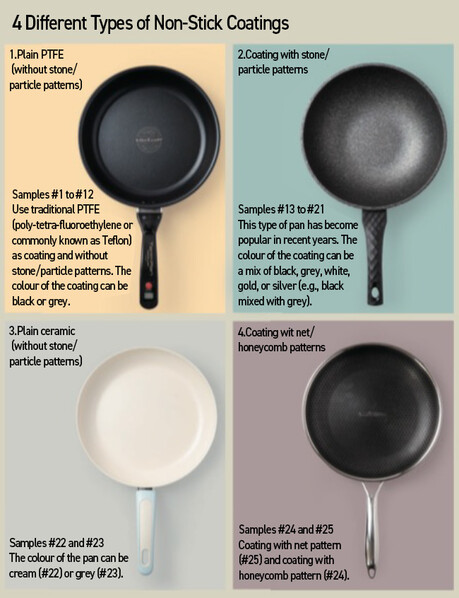
Types Of Non-stick Coatings
Non-stick cookware is popular for easy cooking and cleaning. Many people worry about its safety. The type of coating used affects health risks. Different coatings have unique materials and features. Knowing the types of non-stick coatings helps choose safer options. Below are the main types of non-stick coatings used in cookware.
Ptfe-based Coatings
PTFE, or polytetrafluoroethylene, is the most common non-stick coating. It is often known by the brand name Teflon. PTFE provides excellent non-stick properties, making cooking and cleaning simple.
Key points about PTFE coatings:
- They resist sticking and require less oil or butter.
- PTFE is stable and safe below 260°C (500°F).
- At high temperatures, PTFE can break down and release toxic fumes.
- Fumes can cause flu-like symptoms in humans and are deadly to birds.
- Most modern PTFE coatings avoid harmful chemicals like PFOA.
Here is a simple table summarizing PTFE pros and cons:
| Advantages | Disadvantages |
|---|---|
| Excellent non-stick surface | Can release toxic fumes if overheated |
| Easy to clean | Not suitable for high-heat cooking |
| Uses less oil | Coating can wear off over time |
To reduce risks, avoid heating PTFE pans empty or above 260°C. Use low to medium heat for safety.
Ceramic Coatings
Ceramic coatings are made from inorganic materials like silica. These coatings are free of PTFE and PFOA, making them popular as a safer alternative. Ceramic cookware is known for its natural, eco-friendly appeal.
Benefits of ceramic coatings:
- Non-toxic and chemical-free surface
- Can handle higher cooking temperatures than PTFE
- Good non-stick properties at the start
- Made from natural materials
Limitations of ceramic coatings:
- Non-stick effect may decrease faster than PTFE
- Coating can chip or crack if mishandled
- Requires gentle cleaning and care
Ceramic pans work well for frying, sautéing, and baking. They do not release harmful fumes at high heat, but overheating can damage the coating.
Other Alternatives
Beyond PTFE and ceramic, several other non-stick options exist. These include cast iron, stainless steel with special treatments, and silicone coatings.
Common alternative coatings:
- Cast Iron: Naturally non-stick when seasoned well. Durable and safe but heavier and requires maintenance.
- Stainless Steel with Non-Stick Treatment: Offers durability and some non-stick properties. Usually uses physical texture or layering.
- Silicone Coatings: Used mainly in bakeware. Heat resistant but less common for frying pans.
Each alternative has its own pros and cons. For example, cast iron can handle very high heat safely but is not as easy to clean as PTFE pans.
Here is a quick comparison of these alternatives:
| Type | Pros | Cons |
|---|---|---|
| Cast Iron | Durable, safe, natural non-stick | Heavy, requires seasoning and care |
| Stainless Steel | Strong, resistant to scratches | Less non-stick, needs oil |
| Silicone | Heat resistant, flexible | Not ideal for frying, less durable |
Choosing the right coating depends on cooking style and safety preferences.
Scientific Studies And Findings
Scientific studies and findings provide important insights into the safety of non-stick cookware. Many people worry about chemicals released from these pans during cooking. Researchers have tested these products to understand their effects on health. This section reviews key scientific evidence, focusing on long-term exposure, differences between animal and human studies, and views from regulatory agencies.
Research On Long-term Exposure
Long-term exposure to chemicals from non-stick cookware has been studied to assess health risks. The main concern involves chemicals called perfluoroalkyl substances (PFAS), used in making non-stick coatings. These substances may break down at very high temperatures and release harmful compounds.
Key points from research include:
- Most non-stick cookware releases very low levels of chemicals at normal cooking temperatures (below 260°C or 500°F).
- High temperatures or damaged pans may increase chemical release, posing higher risk.
- Some studies link PFAS to thyroid issues, liver damage, and immune problems after long exposure.
Table below summarizes typical findings from long-term exposure studies:
| Study Type | Chemical Focus | Main Findings | Exposure Level |
|---|---|---|---|
| Environmental Monitoring | PFAS | Low levels found in household air during cooking | Normal use |
| Occupational Exposure | PTFE fumes | Workers showed respiratory irritation at high exposure | High, industrial |
| Population Studies | PFAS in blood | Correlations with certain health issues noted | Long-term, low dose |
Animal Vs Human Studies
Animal studies often test chemicals at higher doses to see clear effects. Humans usually have much lower exposure, so results may differ.
Animal experiments show:
- High doses of non-stick chemicals cause liver and thyroid damage.
- Some chemicals affect reproduction and development in animals.
- Results help identify possible risks but do not directly predict human effects.
Human studies focus on real-life exposure levels. These studies find:
- Low levels of PFAS in blood linked to mild health changes.
- No clear evidence of severe illness from normal cookware use.
- Other factors like diet and environment also affect results.
Differences between animal and human studies:
- Dose levels: Animals get higher doses for testing.
- Exposure time: Humans exposed over years at low levels.
- Species differences: Animals react differently to chemicals.
Regulatory Agency Positions
Several agencies evaluate non-stick cookware safety and set guidelines. Their positions provide reassurance about normal use risks.
Key regulatory agencies and their views:
| Agency | Position on Non-Stick Cookware | Recommendations |
|---|---|---|
| U.S. Food and Drug Administration (FDA) | Non-stick coatings are safe if used properly. | Avoid overheating pans; replace damaged cookware. |
| European Food Safety Authority (EFSA) | PFAS exposure should be minimized but current cookware risks are low. | Monitor chemical levels; promote safe use. |
| Environmental Protection Agency (EPA) | Regulates PFAS chemicals; encourages reducing environmental release. | Support research; regulate manufacturing emissions. |
Regulators agree proper use limits health risks. Avoid overheating and use cookware as intended.
Credit: stahlkitchens.com
Safe Usage Tips
Non-stick cookware is popular for easy cooking and cleaning. Many wonder if it is harmful to health. Safe usage tips help reduce risks and keep meals healthy. Knowing how to use and care for non-stick pans makes a big difference. Follow these tips for safe cooking and longer-lasting cookware.
Proper Heating Practices
Heating non-stick cookware correctly is key to safety. Overheating can release toxic fumes from the coating. These fumes may cause flu-like symptoms, known as “polymer fume fever.”
Keep these heating tips in mind:
- Use low to medium heat: Non-stick pans work well at moderate temperatures.
- Avoid preheating empty pans: Heating an empty pan can quickly raise temperature too high.
- Do not use on high heat: High heat damages the coating and may release harmful gases.
- Use a timer: Limit cooking time to avoid overheating the pan.
| Heat Level | Safe Use | Risk |
|---|---|---|
| Low to Medium | Ideal for all cooking | None |
| High | Not recommended | Coating damage, toxic fumes |
| Empty Pan Preheat | Avoid | Rapid overheating |
Following these heating rules keeps food safe and cookware intact. Avoiding high heat protects your health and extends the pan’s life.
Maintenance And Care
Proper care preserves the non-stick surface and prevents health risks. Scratches and peeling can expose harmful materials. Handle your cookware with care for best results.
Use these maintenance tips:
- Clean with soft sponges: Avoid abrasive pads or steel wool.
- Hand wash only: Dishwashers can damage the coating.
- Use non-metal utensils: Wood, silicone, or plastic tools prevent scratches.
- Dry thoroughly: Prevent rust on the pan’s base or edges.
- Store carefully: Avoid stacking pans without protection to prevent surface damage.
Here is a simple care checklist:
| Care Step | Recommended Action |
|---|---|
| Washing | Hand wash with mild detergent and soft sponge |
| Utensils | Use wood, silicone, or plastic tools only |
| Storage | Stack with pan protectors or cloth between pans |
Good maintenance keeps your pan safe and effective. It also helps avoid costly replacements.
When To Replace Cookware
Knowing when to replace non-stick cookware is important for health. Old or damaged pans can release harmful chemicals. Watch for signs that your pan needs replacement.
Replace your cookware if you notice:
- Scratched or peeling surface: The coating is damaged and unsafe.
- Warped or bent shape: It heats unevenly and may cause burns.
- Persistent stains or discoloration: These may indicate coating breakdown.
- Food sticks to the surface: The non-stick effect is lost.
Here is a quick replacement guide:
| Condition | Action | Reason |
|---|---|---|
| Surface scratches/peeling | Replace immediately | Avoid chemical exposure and poor cooking |
| Warped base | Replace soon | Uneven heating risks burns and food damage |
| Loss of non-stick quality | Consider replacement | Increased oil needed, unhealthy cooking |
Regularly inspect your cookware. Timely replacement keeps cooking safe and enjoyable.
Comparing Non-stick With Other Cookware
Non-stick cookware is popular for its ease of use and cleaning. Many wonder if it is safe compared to other types of cookware. Comparing non-stick pans with cast iron and stainless steel helps understand their differences. Each type has unique features, benefits, and possible health effects. This comparison helps choose the right cookware for daily use without worrying about health risks.
Cast Iron And Stainless Steel
Cast iron and stainless steel are two common alternatives to non-stick cookware. Both have been used for decades in kitchens around the world.
Cast iron is heavy and durable. It heats evenly and retains heat well. Many people like it for cooking steaks, frying, and baking. Over time, cast iron develops a natural non-stick surface called seasoning.
- Pros of cast iron: lasts for years, adds iron to food, works on all heat sources.
- Cons of cast iron: heavy, requires care to avoid rust, can react with acidic foods.
Stainless steel is lightweight and resists rust and corrosion. It does not react with food and is easy to clean. Stainless steel pans are good for boiling, sautéing, and searing.
- Pros of stainless steel: durable, non-reactive, dishwasher safe.
- Cons of stainless steel: food can stick without enough oil, uneven heat if low quality.
| Cookware Type | Weight | Heat Retention | Maintenance | Reactivity with Food |
|---|---|---|---|---|
| Cast Iron | Heavy | High | Seasoning needed, avoid rust | Reacts with acidic food |
| Stainless Steel | Light to Medium | Medium | Easy to clean | Non-reactive |
Benefits And Drawbacks
Non-stick cookware offers convenience but has limits. It allows cooking with little oil. Cleaning is simple. Food rarely sticks to the surface.
- Benefits: easy cooking, less oil needed, quick cleaning.
- Drawbacks: coating can scratch or peel, less durable, not for high heat.
Cast iron lasts longer but needs care. It may add iron to food, which some people find helpful. Stainless steel is strong and safe but may require more oil to avoid sticking.
Here is a quick comparison of benefits and drawbacks:
| Cookware Type | Benefits | Drawbacks |
|---|---|---|
| Non-Stick | Easy to use, less fat, fast cleaning | Coating can wear off, avoid high heat |
| Cast Iron | Long lasting, adds iron, great heat | Heavy, needs seasoning, reacts with acid |
| Stainless Steel | Durable, non-reactive, easy care | Food can stick, uneven heating possible |
Health Implications
Health concerns about cookware mostly focus on chemical exposure and metal leaching. Non-stick pans often use coatings like Teflon, which can release fumes if overheated.
These fumes may cause temporary flu-like symptoms known as “polymer fume fever.” Avoid heating non-stick pans above 500°F (260°C). Scratched or damaged coatings can release particles into food.
Cast iron cookware can add small amounts of iron to food, which benefits those with iron deficiency. Too much iron can be harmful, so use cast iron carefully if you have certain health conditions.
Stainless steel pans do not release harmful chemicals. They are safe for cooking but may leach trace metals if used with acidic foods for a long time. This is rare and usually not harmful for most people.
- Non-stick risks: fumes from overheating, coating wear.
- Cast iron risks: excess iron intake for some people.
- Stainless steel risks: minor metal leaching, safe overall.
Choosing cookware depends on cooking habits, maintenance ability, and health needs. Using any cookware correctly reduces health risks and improves cooking results.
Frequently Asked Questions
Is Non-stick Cookware Toxic To Health?
Non-stick cookware can release toxic fumes if overheated above 500°F (260°C). Proper use at low to medium heat is safe. Avoid scratching or damaging the coating to prevent chemical exposure. Choose PFOA-free products for added safety.
Can Non-stick Coatings Cause Cancer?
There is no direct evidence linking modern non-stick coatings to cancer. Older coatings used PFOA, a chemical phased out due to health concerns. Using well-maintained, PFOA-free cookware reduces any potential risk significantly.
How To Safely Use Non-stick Cookware?
Use non-stick pans on low to medium heat to avoid overheating. Avoid metal utensils that can damage the coating. Hand wash with gentle sponges and avoid abrasive cleaners. Proper care extends cookware life and minimizes health risks.
Are There Safer Alternatives To Non-stick Cookware?
Yes, safer alternatives include stainless steel, cast iron, and ceramic cookware. These options do not release harmful fumes and are durable. They may require more oil but provide a healthy cooking experience without chemical risks.
Conclusion
Non-stick cookware can be safe if used correctly. Avoid heating empty pans to high temperatures. Scratches may release harmful chemicals, so handle with care. Choose high-quality brands with safe coatings. Clean gently to protect the surface. Cookware safety depends on how you use it.
Knowing these facts helps you make smart choices. Your health matters, so stay informed. Safe cooking brings peace of mind. Simple steps keep meals healthy and tasty.

Hello, This is Annie Walker, a 38-year-old blogger, founder, and editor of Cookware Guider from NY, USA. I am a cookware fanatic and passionate cooker. I love to cook with different types of cooking appliances (example: all types of cookware, rice cookers, slow cookers, etc) almost every day in my kitchen. I love to share my experience with my readers in my blog. Also, I enjoy helping people to solve their problems through my website. You can follow me on Twitter & Pinterest. To know details about my blog please check the about us page.