
Are you wondering if your Calphalon cookware can go straight into the dishwasher after cooking? You’re not alone.
Knowing whether your favorite pots and pans are dishwasher safe can save you time and keep your kitchen routine hassle-free. But using the wrong cleaning method might damage your cookware or shorten its life. You’ll get clear, simple answers about Calphalon’s dishwasher safety.
By the end, you’ll feel confident about how to clean your cookware the right way—and keep it looking and working like new. Keep reading to protect your investment and make cleanup easier than ever.
Calphalon Cookware Types
Calphalon offers various cookware types, each designed for different cooking needs and preferences. Understanding these types helps decide which pieces suit your kitchen best. This knowledge also guides proper care, including whether the cookware is dishwasher safe.
Nonstick Pans
Calphalon nonstick pans are popular for easy cooking and simple cleanup. The nonstick surface prevents food from sticking, reducing the need for oil or butter. These pans heat evenly and are lightweight, making them user-friendly for everyday use.
Key features of Calphalon nonstick pans:
- Durable nonstick coating
- Lightweight aluminum construction
- Even heat distribution
- Comfortable handles
Dishwasher use is generally not recommended for nonstick pans. The harsh dishwasher detergents and high heat can damage the coating over time. Hand washing with mild soap and a soft sponge helps maintain the nonstick surface longer.
| Care Tip | Recommended Method |
|---|---|
| Cleaning | Hand wash with mild soap |
| Dishwasher | Not recommended |
| Utensils | Use wooden or silicone utensils |
Using metal utensils or abrasive scrubbers can scratch the nonstick surface. Proper care keeps your pans working well for years.
Stainless Steel Sets
Calphalon stainless steel cookware offers strength and versatility. These sets suit high-heat cooking, such as searing and browning. Stainless steel does not react with food, preserving flavors and nutrients.
Features of Calphalon stainless steel cookware:
- Multi-ply construction for even heat
- Durable and resistant to rust
- Oven and dishwasher safe
- Classic polished finish
Stainless steel pans are dishwasher safe, making cleanup easier. Still, hand washing is preferred to maintain the shine and prevent water spots. If using the dishwasher, avoid harsh detergents and dry the cookware promptly.
These sets often include:
- Frying pans
- Saucepans with lids
- Stockpots
- Sauté pans
Their sturdy design suits all cooktops, including induction. Stainless steel cookware lasts long and handles heavy use well.
Hard-anodized Pieces
Calphalon hard-anodized cookware combines durability with nonstick benefits. The hard-anodizing process makes the aluminum surface tough and corrosion-resistant. These pieces provide excellent heat conduction and even cooking.
Advantages of hard-anodized cookware:
- Scratch-resistant surface
- Nonstick coating for easy food release
- Lightweight but strong
- Oven safe up to high temperatures
Dishwasher cleaning is usually not advised for hard-anodized cookware. The dishwasher’s heat and detergent can reduce the lifespan of the nonstick coating. Hand washing is best to keep the finish intact and maintain performance.
| Cleaning Method | Recommended |
|---|---|
| Hand wash | Yes |
| Dishwasher | No |
| Utensils | Non-metal recommended |
Using wooden or silicone utensils protects the surface from scratches. Hard-anodized pieces offer a good balance of durability and easy cooking.

Credit: www.amazon.com
Dishwasher Safety Guidelines
Understanding Dishwasher Safety Guidelines is crucial for maintaining your Calphalon cookware’s quality. Not all cookware suits the dishwasher’s harsh environment. Proper care helps keep the cookware in good shape and extends its life. This section explains the key safety tips for using dishwashers with Calphalon products.
Manufacturer Recommendations
Calphalon provides specific guidelines about dishwasher use. Many of their cookware pieces are labeled as dishwasher safe, but some require hand washing. Following these rules prevents damage and keeps cookware looking new.
- Check the product label: Look for dishwasher safe symbols or instructions.
- Nonstick cookware: Usually recommended to hand wash to protect the coating.
- Hard-anodized aluminum: Often safe for dishwashers but may lose shine over time.
- Stainless steel items: Generally dishwasher safe and durable.
Here is a simple table summarizing Calphalon’s dishwasher guidelines:
| Cookware Type | Dishwasher Safe | Care Tips |
|---|---|---|
| Nonstick | No (prefer hand wash) | Use mild detergent, soft sponge |
| Hard-Anodized Aluminum | Yes (but hand wash recommended for longevity) | Avoid harsh detergents |
| Stainless Steel | Yes | Place securely to avoid scratches |
Following manufacturer tips reduces wear and keeps cookware safe. Always read care instructions included with the product.
Common Risks In Dishwashers
Dishwashers use strong water jets, heat, and detergents. These can harm Calphalon cookware if not handled properly.
Main risks include:
- Scratches and abrasions: Cookware pieces can rub against other items.
- Fading or discoloration: High heat and harsh detergents can dull finishes.
- Warping: Intense heat may cause some pans to lose their shape.
- Coating damage: Nonstick surfaces may peel or wear off.
To avoid these risks, consider these tips:
- Place cookware securely to prevent movement during wash cycles.
- Use gentle dishwasher cycles and mild detergents.
- Remove cookware promptly after the cycle to prevent spotting.
- Avoid overcrowding the dishwasher to reduce contact between items.
The table below shows how dishwasher risks affect cookware types:
| Risk | Effect on Nonstick | Effect on Hard-Anodized Aluminum | Effect on Stainless Steel |
|---|---|---|---|
| Scratches | Coating damage | Surface dulling | Minor scratches possible |
| Discoloration | Fading coating | Loss of shine | Stains or spotting |
| Warping | High risk | Moderate risk | Low risk |
Following these guidelines helps protect Calphalon cookware in dishwashers. Careful handling keeps your pans cooking great for years.
Care Tips For Nonstick Cookware
Proper care for nonstick cookware extends its life and keeps food tasting great. Calphalon cookware, known for its quality, needs special attention during cleaning and daily use. Following correct care tips ensures the nonstick surface stays smooth and effective. This guide covers key practices to clean safely and avoid damage to your cookware.
Cleaning Techniques
Cleaning nonstick cookware requires gentle methods to protect the coating. Avoid harsh scrubbing or strong chemicals that can wear down the surface. Use warm water and mild dish soap for washing. A soft sponge or cloth works best to remove food residue without scratching.
- Let the pan cool before washing to prevent warping.
- Soak stubborn food in warm soapy water for 10-15 minutes.
- Use a soft brush or non-abrasive scrubber if needed.
- Rinse thoroughly to remove soap traces.
- Dry immediately with a soft towel to avoid water spots.
Here is a quick comparison of cleaning methods:
| Method | Recommended | Why |
|---|---|---|
| Hand wash with mild soap | Yes | Preserves nonstick coating |
| Dishwasher cleaning | No | Harsh detergents may damage surface |
| Abrasive pads or steel wool | No | Scratches and ruins coating |
Avoiding Damage
Nonstick coatings are delicate and can be damaged easily by careless use. Protect the surface by avoiding metal utensils, which can scratch and chip the coating. Use wooden, silicone, or plastic tools instead. High heat can also degrade nonstick pans quickly. Cook on medium or low heat for best results.
- Never use cooking sprays; they leave a sticky buildup.
- Avoid stacking pans without protection; use paper towels or pan protectors.
- Do not overheat an empty pan, as this weakens the coating.
- Store cookware in a dry, cool place to prevent warping or rust.
Here are key points to avoid damage:
- Use gentle utensils: wood or silicone only.
- Keep cooking temperature moderate.
- Skip aerosol sprays; use oils or butter instead.
- Handle with care when stacking or storing.
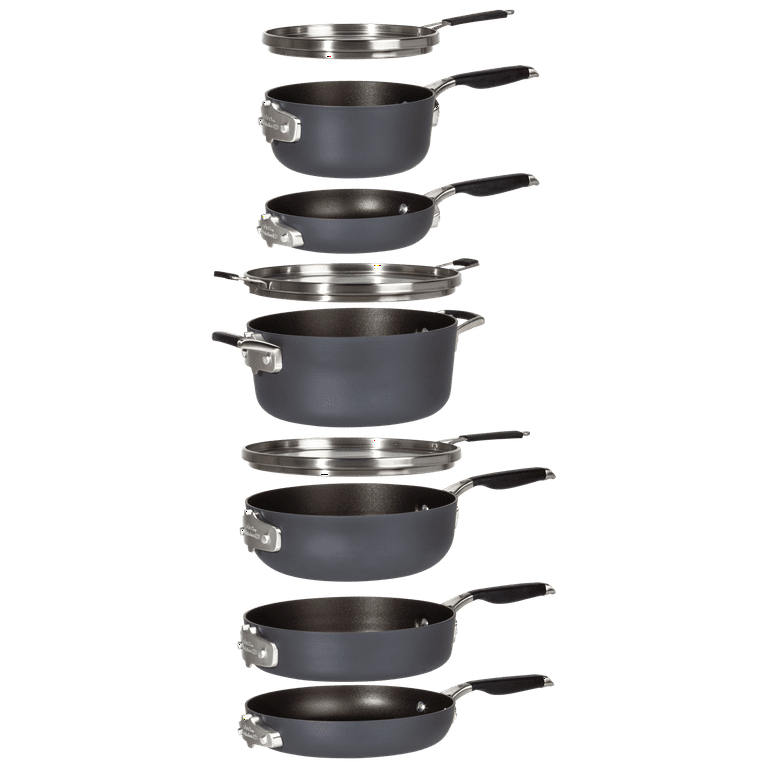
Credit: www.walmart.com
Maintaining Stainless Steel Cookware
Maintaining stainless steel cookware is essential for keeping your Calphalon pots and pans in great shape. Stainless steel is durable and resists rust, but proper care ensures it stays shiny and performs well. Knowing how to clean and protect your cookware helps it last longer and look new. This guide covers key tips for washing and preventing stains on your stainless steel pieces.
Proper Washing Methods
Cleaning stainless steel cookware properly prevents damage and keeps its shine. Avoid harsh scrubbing or strong chemicals that can scratch or dull the surface. Follow these steps for best results:
- Cool down the cookware before washing to avoid warping.
- Use warm water and mild dish soap. This removes grease and food without harming the finish.
- Wash with a soft sponge or cloth. Avoid steel wool or rough pads that can scratch.
- Rinse thoroughly to remove all soap residue.
- Dry immediately with a clean towel to prevent water spots.
For tough, stuck-on food, soak the cookware in warm soapy water for 15 to 30 minutes. This softens the residue and makes washing easier. Use a nylon scraper or brush to gently remove any remaining bits.
| Do | Don’t |
|---|---|
| Use mild dish soap | Use bleach or harsh chemicals |
| Clean with soft sponges or cloths | Scrub with steel wool or abrasive pads |
| Dry immediately after washing | Let cookware air dry and form spots |
Preventing Stains And Spots
Stains and spots on stainless steel cookware often come from water minerals or leftover food. These marks can dull the finish but are easy to prevent with simple habits.
Follow these tips to keep your cookware spotless:
- Use filtered water for washing if your tap water is hard. Minerals in hard water cause white spots.
- Wipe cookware dry right after washing. Air drying leaves water droplets that create stains.
- Remove stains promptly using a paste of baking soda and water. Gently rub the paste on spots with a soft cloth.
- Avoid cooking acidic foods like tomato or vinegar for long periods in stainless steel. Acid can cause discoloration.
Occasionally polish your cookware with a stainless steel cleaner or a mixture of vinegar and water. This restores shine and removes stubborn spots.
| Common Causes of Stains | Prevention Tips |
|---|---|
| Hard water minerals | Use filtered water and dry immediately |
| Food residue | Clean cookware soon after use |
| Cooking acidic foods | Limit cooking time with acidic ingredients |
Hard-anodized Cookware Care
Hard-anodized cookware by Calphalon offers excellent durability and even heating. This type of cookware has a tough, non-porous surface created by an electrochemical process. It resists scratches and corrosion better than traditional aluminum. Proper care helps maintain its performance and appearance. Knowing how to clean and care for hard-anodized cookware ensures it lasts for many years. Many wonder if Calphalon hard-anodized pans are dishwasher safe. Understanding the right cleaning methods protects the cookware’s finish and keeps it looking new.
Safe Cleaning Practices
Calphalon hard-anodized cookware is generally labeled as dishwasher safe, but hand washing is best for preserving the surface. Dishwashers use strong detergents and high heat that can dull the finish over time. Here are safe cleaning steps to follow:
- Cool the cookware before washing to prevent warping.
- Use warm, soapy water and a soft sponge or cloth.
- Avoid abrasive pads or harsh cleaners that can scratch the surface.
- Remove stuck food by soaking the pan in warm water for 15–30 minutes.
- Rinse thoroughly to remove all soap residue.
- Dry immediately with a soft towel to prevent water spots.
Below is a quick guide to compare cleaning methods:
| Cleaning Method | Effect on Hard-Anodized Cookware | Recommended? |
|---|---|---|
| Hand Washing | Gentle on finish, preserves nonstick qualities | Yes |
| Dishwasher | May dull finish over time, less gentle | Occasionally, not regularly |
| Abrasive Cleaners | Scratches surface, damages coating | No |
Longevity Tips
Keeping Calphalon hard-anodized cookware in top shape depends on daily habits. Follow these tips to extend its life and maintain performance:
- Use low to medium heat. High heat can discolor or warp the pan.
- Choose wooden, silicone, or plastic utensils to avoid scratches.
- Avoid sudden temperature changes like rinsing a hot pan with cold water.
- Store properly by stacking pans with a soft cloth or paper towel between them.
- Clean after each use to prevent food build-up and stains.
Simple habits make a big difference:
- Preheat pans gradually.
- Allow pans to cool before washing.
- Do not use metal scouring pads.
- Inspect cookware regularly for wear.
Proper care preserves the cookware’s smooth surface and cooking efficiency. These steps keep your investment working well for years.
Signs Of Dishwasher Damage
Calphalon cookware is popular for its durability and cooking performance. Many users wonder if it is safe to clean it in the dishwasher. While some Calphalon pieces claim dishwasher safety, repeated washes can cause damage over time. Recognizing the signs of dishwasher damage helps extend your cookware’s life. Watch for changes in shape, color, and surface texture. These signs show your cookware may need special care or hand washing to stay in good condition.
Warping And Discoloration
One common sign of dishwasher damage is warping. Warping happens when the metal bends or twists out of shape. High heat and harsh dishwasher detergents cause this problem. Warped cookware does not sit flat on the stove, which affects cooking performance and safety.
Discoloration is another clear sign of dishwasher damage. The dishwasher’s strong chemicals can dull the cookware’s finish or cause uneven color changes. This damage often shows as:
- Dark spots or stains on stainless steel surfaces
- Rainbow-like or iridescent patches
- Faded or dull appearance on the cookware’s exterior
Check this table for common causes and effects of warping and discoloration:
| Cause | Effect on Cookware |
|---|---|
| High heat cycles in dishwasher | Metal warping, loss of flat base |
| Strong dishwasher detergents | Discoloration, dull finish |
| Long exposure to water and steam | Surface corrosion or spotting |
Using a dishwasher regularly can speed up these problems. Hand washing with mild soap helps avoid warping and color damage.
Coating Peeling
Many Calphalon pots and pans have nonstick or hard-anodized coatings. These coatings make cooking and cleaning easier. Dishwashers can cause these coatings to peel or chip. Peeling coating reduces the cookware’s effectiveness and may cause food to stick.
Peeling often appears as:
- Flaking or small pieces of coating coming off
- Rough or uneven cooking surface
- Exposed metal underneath the coating
Dishwasher detergents contain harsh chemicals. These chemicals break down the coating layer over time. High water pressure in dishwashers can also weaken the coating by forcing water under it.
Signs that coating is peeling:
- Food sticks more than before
- Coating feels rough or scratched
- Visible chips or flakes in the coating
Here is a simple checklist for spotting coating damage:
| Sign | What It Means |
|---|---|
| Flaking coating | Coating breaking down, may need replacement |
| Rough surface | Coating damaged, less nonstick effect |
| Food sticking | Coating losing its function |
Hand washing with soft sponges and mild soap keeps coatings intact longer. Avoid metal scrubbers and harsh detergents that strip the coating.
Alternative Cleaning Options
Calphalon cookware is known for its durability and quality. Many wonder about the best way to clean these pots and pans without damaging them. While some Calphalon pieces say they are dishwasher safe, alternative cleaning options can protect your investment and keep your cookware looking new longer. Hand washing and using gentle detergents are effective methods to clean Calphalon cookware safely. These options help maintain the finish and performance, ensuring your cookware lasts through many meals.
Hand Washing Benefits
Hand washing Calphalon cookware is a simple way to protect its surface and extend its life. This method avoids harsh dishwasher cycles that can dull or damage the cookware’s finish. Gently cleaning by hand helps keep nonstick coatings intact and prevents warping caused by extreme dishwasher heat.
Benefits of hand washing include:
- Preserves nonstick coating: Avoids scratches from dishwasher racks and aggressive detergents.
- Prevents discoloration: Reduces risk of dulling or staining from dishwasher minerals.
- Controls water temperature: Uses warm, not hot, water to protect cookware integrity.
- Extends cookware life: Less wear and tear compared to dishwasher cleaning.
Follow this simple hand washing routine for best results:
- Let cookware cool before cleaning.
- Use a soft sponge or cloth.
- Wash with warm water and mild soap.
- Rinse thoroughly to remove all soap.
- Dry immediately with a towel to prevent water spots.
Using Gentle Detergents
Choosing the right detergent plays a key role in maintaining Calphalon cookware quality. Harsh detergents can erode surfaces and reduce nonstick effectiveness. Gentle detergents clean effectively without damaging the cookware’s finish.
Look for detergents that are:
- Free of bleach and strong chemicals
- Designed for delicate cookware or nonstick surfaces
- Mild and pH balanced
Here is a comparison of common detergent types:
| Detergent Type | Effect on Cookware | Recommended Use |
|---|---|---|
| Harsh Detergent | May damage finish and nonstick coating | Avoid for Calphalon cookware |
| Gentle Detergent | Protects surface, cleans effectively | Ideal for daily hand washing |
| Dishwasher Detergent | Strong chemicals can dull finish | Use only if cookware is dishwasher safe |
For best care, use gentle detergent with warm water and a soft sponge. This method cleans well and keeps your cookware looking its best for years.

Credit: www.walmart.com
Frequently Asked Questions
Is Calphalon Cookware Safe For Dishwasher Cleaning?
Most Calphalon cookware is dishwasher safe, but hand washing is recommended to maintain its finish and performance. Avoid harsh detergents to prevent damage.
Which Calphalon Cookware Types Are Dishwasher Safe?
Hard-anodized and stainless steel Calphalon cookware are usually dishwasher safe. Nonstick and specialty finishes may require hand washing to preserve coating.
Can Dishwasher Damage Calphalon Nonstick Pans?
Yes, dishwasher detergents and high heat can degrade nonstick coatings. Hand washing with mild soap extends the lifespan of nonstick Calphalon pans.
How To Properly Clean Calphalon Cookware In Dishwasher?
Use a gentle cycle and mild detergent. Avoid overcrowding to ensure proper water flow and prevent surface scratching or discoloration.
Conclusion
Calphalon cookware can be dishwasher safe, but check the product details first. Some pieces handle dishwasher cleaning well, while others do better with hand washing. Using the dishwasher often may reduce the cookware’s life. Hand washing keeps the cookware looking new and working well longer.
Choose the cleaning method that fits your needs and the cookware type. Keep your kitchen tools in top shape for better cooking results. Simple care makes a big difference over time.

Hello, This is Annie Walker, a 38-year-old blogger, founder, and editor of Cookware Guider from NY, USA. I am a cookware fanatic and passionate cooker. I love to cook with different types of cooking appliances (example: all types of cookware, rice cookers, slow cookers, etc) almost every day in my kitchen. I love to share my experience with my readers in my blog. Also, I enjoy helping people to solve their problems through my website. You can follow me on Twitter & Pinterest. To know details about my blog please check the about us page.