
Are you worried about harmful chemicals seeping into your food from your cookware? You’re not alone.
Choosing cookware that is 100% non-toxic can protect your health and give you peace of mind every time you cook. But with so many options out there, how do you know which ones are truly safe? This guide will help you discover cookware materials that keep your meals clean and your kitchen safe.
Keep reading to find out what cookware you can trust for your family’s well-being.
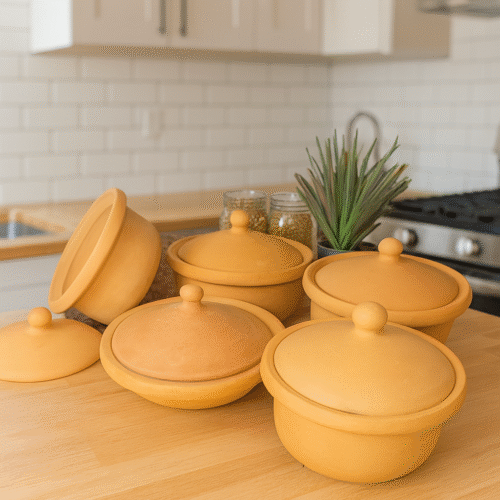
Credit: miriamsearthencookware.com
Safe Cookware Materials
Safe cookware materials ensure healthy cooking without harmful chemicals leaching into food. Choosing the right cookware matters for your health and taste. Some materials resist toxins and last long. They keep food pure and flavors natural. This section covers four popular safe cookware types. Each has unique benefits and care tips. Understanding these options helps you cook safely every day.
Ceramic Cookware
Ceramic cookware is made from natural clay and minerals. It often has a smooth, non-stick surface without toxic chemicals. Ceramic coatings do not release harmful fumes or metals even at high heat. This makes ceramic a safe and eco-friendly choice for cooking.
- Non-reactive surface means no metal taste in food.
- Good heat distribution for even cooking.
- Easy to clean with mild soap and water.
- Free from PTFE, PFOA, lead, and cadmium.
Ceramic pans work well for frying, sautéing, and baking. They do not require much oil, promoting healthier meals. However, ceramic coatings can wear off over time. Avoid using metal utensils to protect the surface.
| Feature | Benefit |
|---|---|
| Non-toxic coating | Safe for daily cooking |
| Heat resistance | Withstands high temperatures |
| Easy cleanup | Less scrubbing needed |
Cast Iron
Cast iron cookware has been used for centuries due to its durability and natural safety. It is made from pure iron, which does not release toxins into food. The seasoning layer on cast iron creates a natural non-stick surface.
- Enhances food flavor by adding trace iron.
- Excellent heat retention for slow cooking.
- Can last a lifetime with proper care.
- Free from synthetic coatings and chemicals.
Cast iron pans require regular seasoning and drying to prevent rust. They are heavy but perfect for frying, baking, and grilling. Cooking acidic foods like tomatoes should be limited, as it may wear the seasoning.
| Care Tips | Details |
|---|---|
| Seasoning | Apply oil and heat to build non-stick surface |
| Cleaning | Avoid soap; use hot water and brush |
| Storage | Dry thoroughly to prevent rust |
Stainless Steel
Stainless steel is a popular safe cookware material known for its strength and resistance to corrosion. It contains iron mixed with chromium and nickel. This mix creates a hard surface that does not react with food.
- Does not leach harmful chemicals or metals.
- Ideal for browning, searing, and boiling.
- Dishwasher safe and easy to maintain.
- Durable and scratch-resistant.
Choose high-quality stainless steel with a thick base for even heating. Avoid cooking acidic food for long periods to prevent slight metal taste. Stainless steel pans usually require some oil to prevent sticking.
| Grade | Use | Notes |
|---|---|---|
| 18/10 | Best quality, very resistant | Contains 18% chromium, 10% nickel |
| 18/8 | Good quality, common in cookware | Less nickel than 18/10 |
| Magnetic grade | Compatible with induction cooktops | Check manufacturer info |
Glass Cookware
Glass cookware is made from tempered glass that resists heat and thermal shock. It is completely non-reactive and does not release any chemicals. Glass is ideal for baking, roasting, and storing food safely.
- Transparent, allowing you to watch food cook.
- Non-toxic and free of metals or coatings.
- Easy to clean and dishwasher safe.
- Can go from oven to table.
Glass cookware does not conduct heat well, so heat distribution is slower. Avoid sudden temperature changes to prevent cracking. Glass is not suitable for stovetop cooking but works well in ovens and microwaves.
| Advantages | Limitations |
|---|---|
| 100% non-toxic | Not for stovetop use |
| Easy to clean | Fragile; can break if dropped |
| Safe for oven and microwave | Slow heat conduction |
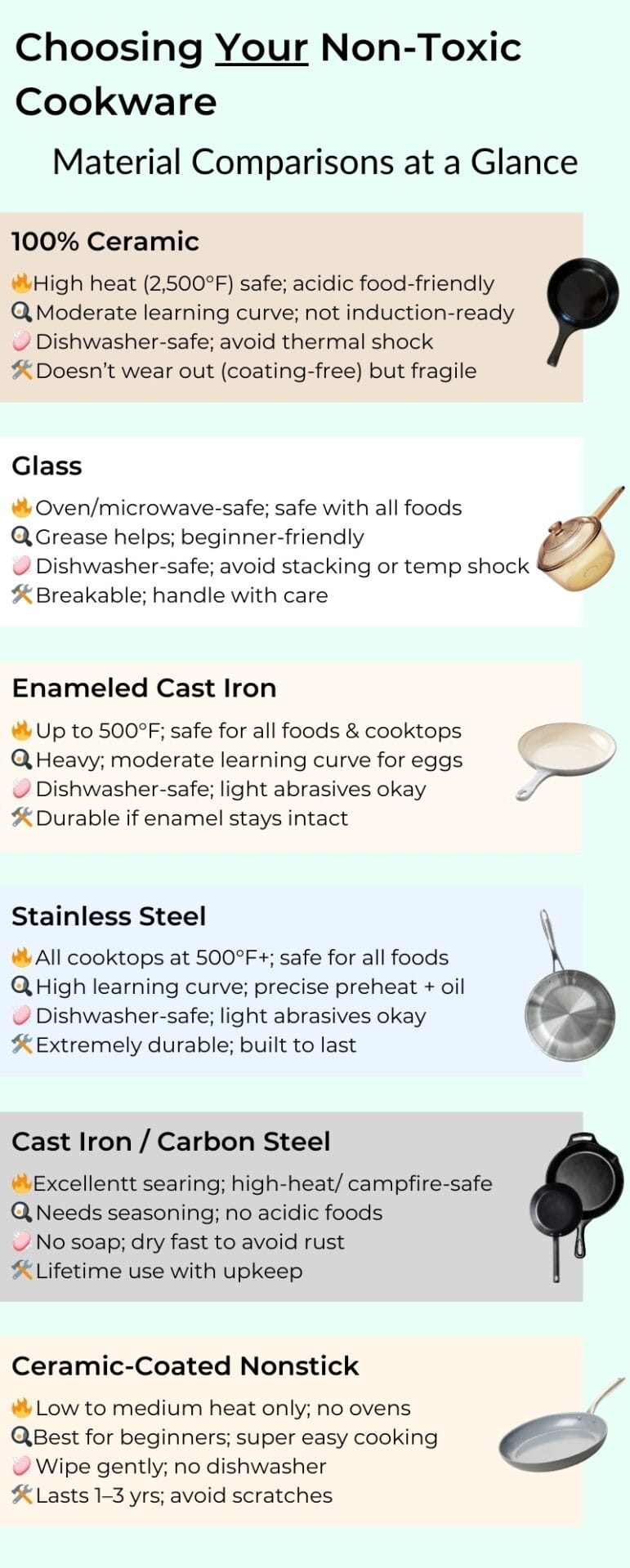
Credit: thegoodlifedesigns.com
Avoiding Harmful Chemicals
Choosing cookware that is 100% non-toxic is essential for health and safety in the kitchen. Many common pots and pans contain chemicals that can leach into food during cooking. These harmful substances might cause long-term health problems. Avoiding harmful chemicals in cookware helps protect your family from risks linked to toxic materials. Understanding which chemicals to avoid and why will guide you toward safer kitchen choices.
Ptfe And Pfoa Concerns
PTFE (polytetrafluoroethylene) is a synthetic chemical used in many nonstick coatings. It makes cooking easier by preventing food from sticking. However, PTFE can release toxic fumes when heated above 500°F (260°C). These fumes may cause flu-like symptoms known as “polymer fume fever.”
PFOA (perfluorooctanoic acid) was once used to make PTFE coatings. It is now mostly banned because it does not break down in the environment and can accumulate in the body. PFOA exposure links to health issues like:
- Thyroid disease
- Kidney and testicular cancer
- Immune system problems
Many cookware brands advertise “PFOA-free” products, but residues may still exist in older or cheaper pans. Here is a quick summary:
| Chemical | Use | Health Risk | Status |
|---|---|---|---|
| PTFE | Nonstick coating | Toxic fumes if overheated | Still used |
| PFOA | PTFE manufacturing | Cancer, immune issues | Banned in many countries |
To avoid these risks, choose cookware without PTFE or PFOA. Look for ceramic, stainless steel, or cast iron options instead.
Lead And Cadmium Risks
Lead and cadmium are heavy metals sometimes found in low-quality or imported cookware. They can leach into food, especially when cooking acidic dishes like tomato sauce.
Both metals are harmful even at low levels. Lead exposure affects the brain and nervous system. Cadmium harms kidneys and can cause bone damage. Children and pregnant women are most vulnerable.
Sources of lead and cadmium in cookware include:
- Glazed ceramic pots with unsafe paints
- Colored or decorative finishes
- Recycled metal cookware
Testing for these metals is rare in many countries. Here are key facts:
| Metal | Common Source | Health Effects | Risk Factor |
|---|---|---|---|
| Lead | Paint, glaze | Brain damage, learning issues | High |
| Cadmium | Colored finishes | Kidney damage, bone loss | Moderate |
Choosing cookware from trusted brands and checking for certifications helps reduce exposure. Avoid chipped or cracked ceramic pots, as they may release metals more easily.
Nonstick Coating Issues
Nonstick coatings are popular but can contain chemicals harmful to health. Besides PTFE and PFOA, some coatings use fluorinated compounds that resist heat and stains.
Problems with nonstick coatings include:
- Scratching and peeling: Using metal utensils can damage coatings, releasing toxic particles.
- Heat sensitivity: Overheating nonstick pans causes chemical breakdown and toxic fumes.
- Short lifespan: Coatings wear off over time, reducing safety and performance.
Alternatives like ceramic or anodized aluminum have fewer chemical risks. Here is a quick comparison:
| Type | Materials Used | Health Risks | Durability |
|---|---|---|---|
| Traditional Nonstick | PTFE, PFOA | Toxic fumes if overheated | Medium, prone to scratching |
| Ceramic Coating | Silica-based | Low risk if genuine | Medium, less durable |
| Anodized Aluminum | Aluminum oxide layer | Low risk | High |
Proper care extends the life of nonstick cookware. Avoid high heat, metal tools, and harsh cleaning pads to keep coatings safe longer.
Benefits Of Non Toxic Cookware
Choosing cookware that is 100% non toxic brings many benefits beyond just cooking meals. Non toxic cookware means it does not release harmful chemicals into your food, making it a safer option for your family. These types of pots and pans often use natural or safe materials, which protect your health and improve your cooking experience. Understanding the benefits helps you make better choices in the kitchen and enjoy healthier meals every day.
Health Advantages
Non toxic cookware helps keep harmful substances out of your food. Many traditional pans can release chemicals like PFOA, PTFE, or heavy metals when heated. These chemicals may cause health problems over time. Non toxic options use materials such as stainless steel, cast iron, ceramic, or glass, which do not leach harmful compounds.
Key health benefits include:
- Reduced risk of chemical exposure and related illnesses
- Lower chance of allergic reactions or sensitivities
- Better food quality since no toxins affect the taste or nutrition
Here is a simple comparison of common cookware materials and their health safety:
| Cookware Material | Health Safety | Notes |
|---|---|---|
| Stainless Steel | High | Does not release chemicals; durable |
| Cast Iron | High | May add iron to food, beneficial for many |
| Ceramic | High | Non reactive and free from harmful coatings |
| Non-stick (PTFE/PFOA) | Low | Can release toxic fumes if overheated |
Using non toxic cookware means safer meals and peace of mind for your family.
Durability And Maintenance
Non toxic cookware often lasts longer and needs less special care. Materials like stainless steel and cast iron are strong and resist damage. Ceramic cookware also holds up well but requires gentle cleaning. These pans do not scratch easily and can handle high heat without breaking down.
Benefits of durable non toxic cookware:
- Lasts for many years, saving money over time
- Easy to clean with simple tools
- Does not need replacement coatings or layers
Maintenance tips for non toxic cookware:
- Hand wash with mild soap to keep the surface intact
- Use wooden or silicone utensils to avoid scratches
- Season cast iron regularly to maintain its non-stick quality
Here is a quick overview of maintenance needs:
| Material | Cleaning | Care Tips |
|---|---|---|
| Stainless Steel | Dishwasher safe, but hand wash preferred | Avoid harsh scrubbing to maintain shine |
| Cast Iron | Hand wash only, no soap | Dry thoroughly and oil after washing |
| Ceramic | Hand wash gentle sponge | Avoid sudden temperature changes |
Durable and easy-to-maintain cookware means less hassle and waste.
Environmental Impact
Non toxic cookware often has a smaller environmental footprint. Many use natural materials that can be recycled or last a long time, reducing waste. Avoiding toxic coatings means less pollution during production and disposal. Choosing cookware made with eco-friendly methods helps protect the planet.
Environmental benefits include:
- Less chemical pollution in water and soil
- Reduced landfill waste from long-lasting products
- Lower energy use in manufacturing safe materials
Some common eco-friendly cookware materials:
- Stainless Steel: Recyclable and durable
- Cast Iron: Long lifespan and recyclable
- Ceramic: Made from natural clay and minerals
Choosing non toxic cookware supports a cleaner environment and healthier future.
Choosing The Right Cookware
Choosing the right cookware is essential for healthy cooking and long-lasting kitchen tools. Cookware that is 100% non-toxic protects your food from harmful chemicals and metals. It also ensures your meals stay pure and safe. Finding the perfect set depends on many factors, including your cooking style, budget, and trust in brands. Each factor helps you pick cookware that fits your needs without sacrificing health or quality.
Assessing Cooking Needs
Understanding your cooking habits helps choose the right non-toxic cookware. Think about the types of food you cook most often and the heat levels you use. For example, if you cook delicate sauces, non-stick pans with safe coatings work well. For high-heat searing, stainless steel or cast iron may be better.
Ask yourself these questions:
- Do you cook mostly on the stovetop, oven, or both?
- What types of food do you prepare daily?
- Do you need cookware suitable for induction cooktops?
- Is lightweight or heavy cookware easier for you to handle?
Use this table to match cookware types with common cooking needs:
| Cookware Type | Best For | Heat Compatibility | Non-Toxic Feature |
|---|---|---|---|
| Cast Iron | High heat, frying, searing | All stovetops, oven | Natural, no synthetic coatings |
| Stainless Steel | Searing, sautéing, boiling | All stovetops, oven | No harmful chemicals, durable |
| Ceramic-Coated | Low to medium heat, non-stick cooking | Most stovetops | Free of PTFE and PFOA |
| Glass | Baking, slow cooking | Oven only | 100% inert and safe |
Choose cookware that fits your daily cooking style and the foods you prepare.
Budget Considerations
Setting a budget guides the search for non-toxic cookware. High-quality sets can cost more but last longer and perform better. Budget options exist but may have shorter lifespans or fewer safety guarantees. Balancing cost and safety is crucial.
Here are tips to manage your budget:
- Prioritize essential pieces first, like a frying pan and saucepan.
- Buy single pieces before full sets.
- Look for sales or discounts on trusted brands.
- Consider durability to avoid frequent replacements.
Review this comparison of cookware price ranges and quality:
| Price Range | Typical Material | Durability | Non-Toxic Safety |
|---|---|---|---|
| $ | Basic ceramic-coated | Low to medium | Mostly safe but check labels |
| $$ | Stainless steel, mid-range ceramic | Medium to high | Usually certified non-toxic |
| $$$ | Cast iron, high-end stainless steel | Very high | Guaranteed non-toxic, long-lasting |
Invest wisely. A little more spent on quality reduces health risks and waste.
Brand And Certification Checks
Trustworthy brands and certifications ensure cookware is truly non-toxic. Some brands focus on safe materials and test for harmful chemicals. Certifications from independent labs add confidence.
Important points to check:
- Look for labels like “PFOA-free,” “PTFE-free,” or “lead-free.”
- Check if the brand provides safety test results.
- Read customer reviews about durability and safety.
- Confirm if the product meets FDA or EU safety standards.
Common certifications to trust:
- FDA Approval: Ensures food contact safety in the USA.
- LFGB Certification: German standard for food safety.
- GreenGuard Gold: Low chemical emissions.
- NSF International: Verifies material safety and cleanliness.
Brands with clear transparency and certifications reduce doubts about toxicity. Choose cookware with visible proof of safety.
Care Tips For Longevity
Care Tips for Longevity help keep your 100% non-toxic cookware safe and lasting longer. These pieces often cost more but offer health benefits and better cooking results. Proper care prevents damage, preserves their non-toxic qualities, and keeps them looking new. Simple habits in cleaning, storing, and handling make a big difference. Follow these tips to enjoy your cookware for years.
Cleaning Non Toxic Cookware
Cleaning non-toxic cookware properly protects its surface and health benefits. Avoid harsh chemicals and abrasive scrubbers that can damage the material. Use gentle dish soap and soft sponges instead. Here are some key points:
- Wash cookware by hand with warm water and mild soap.
- Let tough food soak in warm water before cleaning.
- Use non-abrasive scrubbers like nylon or soft cloths.
- Avoid dishwasher use unless the manufacturer approves it.
- Dry cookware immediately to prevent water spots and rust (for cast iron or carbon steel).
For stubborn stains or burnt food, try this simple method:
- Fill the pot or pan with warm water and a few tablespoons of baking soda.
- Let it soak for 15-30 minutes.
- Gently scrub with a soft sponge.
| Cookware Type | Recommended Cleaning Method | What to Avoid |
|---|---|---|
| Ceramic | Hand wash, soft sponge, mild soap | Abrasive pads, harsh detergents |
| Cast Iron | Warm water, brush, dry immediately | Dishwasher, soap (limits seasoning) |
| Stainless Steel | Hand or dishwasher safe, mild soap | Steel wool, bleach |
Always follow specific instructions from the cookware brand. Proper cleaning keeps surfaces smooth and safe for cooking.
Proper Storage
Storing non-toxic cookware correctly prevents scratches, dents, and warping. Most non-toxic pots and pans need gentle handling to maintain their coating and shape.
Here are tips for proper storage:
- Stack pots and pans with soft cloth or paper towels between them to stop scratches.
- Hang pans with handles facing down to avoid bending.
- Store lids separately or inverted on top of cookware.
- Keep cookware dry before storing to prevent rust or mold.
- Use dedicated shelves or racks for easy access and to avoid overcrowding.
Use these storage ideas to protect your cookware:
| Storage Method | Best For | Notes |
|---|---|---|
| Stacking with padding | Most cookware types | Prevents scratches and chipping |
| Hanging racks | Lightweight pans and skillets | Easy access, saves cabinet space |
| Cabinet shelves | Heavy pots and Dutch ovens | Ensure dry and clean before storing |
Keep cookware away from extreme heat or cold in storage areas. Proper storage keeps them ready to use and in great shape.
Avoiding Damage
Non-toxic cookware lasts longer when handled carefully. Avoid damage by controlling heat, using the right utensils, and preventing impacts.
Follow these steps to protect your cookware:
- Use wooden, silicone, or plastic utensils to prevent scratches.
- Cook on medium or low heat; avoid overheating.
- Do not drop or bang cookware, as dents and cracks can develop.
- Avoid sudden temperature changes, like placing hot pans in cold water.
- Season cast iron or carbon steel regularly to keep the surface smooth.
Here is a quick guide to common mistakes and how to avoid them:
| Common Mistake | Effect on Cookware | How to Avoid |
|---|---|---|
| Using metal utensils | Scratches and chips on surface | Use wood, silicone, or plastic tools |
| High heat cooking | Warping and coating damage | Cook on medium or low heat |
| Rapid temperature change | Cracks or warping | Allow cookware to cool before washing |
| Dropping cookware | Dents, cracks, broken handles | Handle with care, use two hands |
Careful use protects your investment and keeps your cookware safe for healthy cooking.
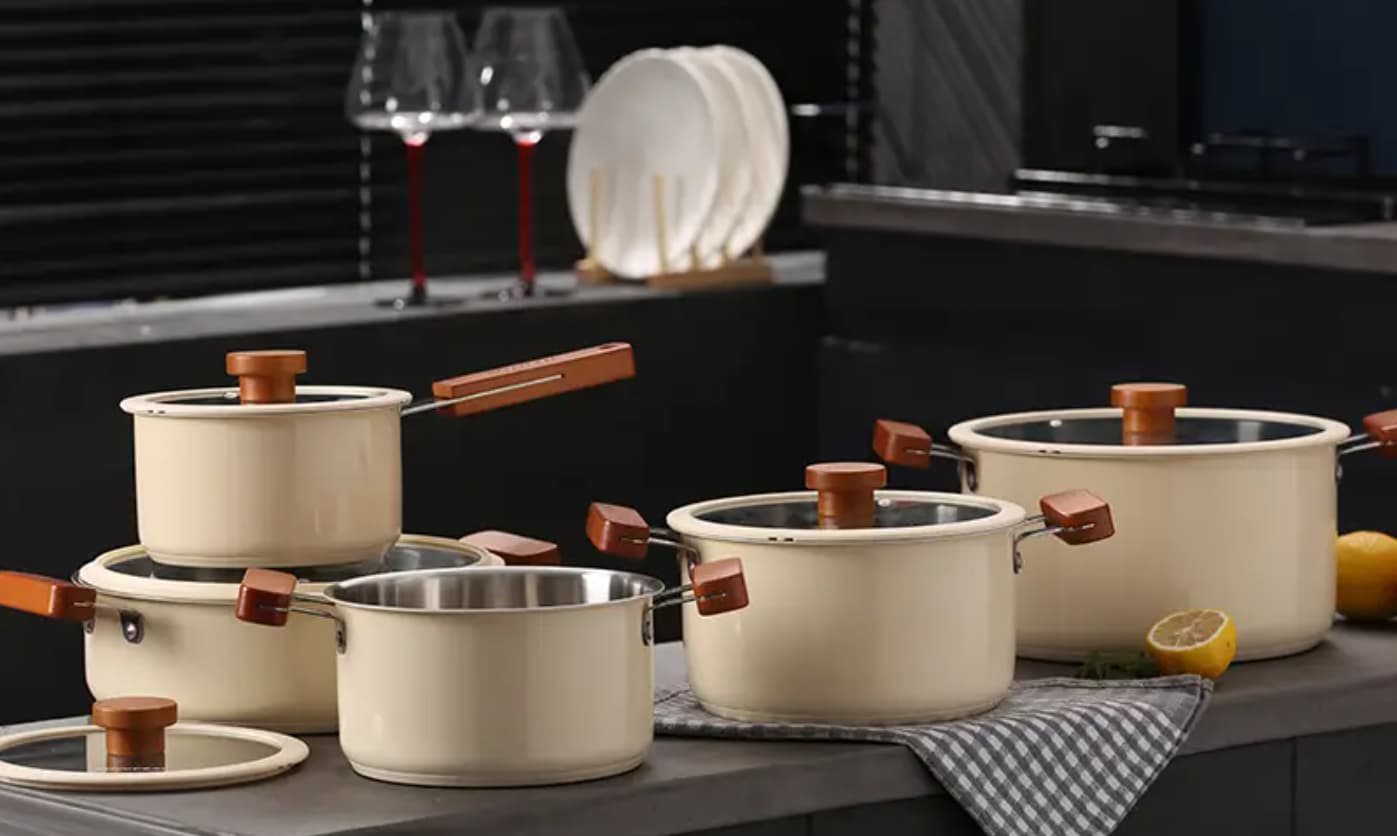
Credit: www.purecook.com
Frequently Asked Questions
What Materials Are Considered 100% Non-toxic Cookware?
Cookware made from stainless steel, cast iron, ceramic, and glass is generally 100% non-toxic. These materials don’t release harmful chemicals when heated. Avoid non-stick coatings with PFOA or PTFE for safer cooking.
Is Ceramic Cookware Truly Non-toxic And Safe?
Yes, high-quality ceramic cookware is non-toxic and free from harmful chemicals. It provides a natural non-stick surface without releasing toxins. Choose brands that use pure ceramic glaze for best results.
Can Cast Iron Cookware Be Toxic?
No, cast iron cookware is non-toxic when properly seasoned. It may release small iron amounts, which is beneficial for health. Avoid rust and maintain seasoning to keep it safe and durable.
Are Stainless Steel Pots And Pans Safe For Cooking?
Yes, stainless steel cookware is safe and non-toxic. It doesn’t leach chemicals and withstands high heat well. Choose high-grade stainless steel to avoid nickel or chromium exposure if sensitive.
Conclusion
Choosing 100% non-toxic cookware protects your health and food quality. Materials like stainless steel, cast iron, and ceramic are safe options. Avoid cookware with harmful chemicals or coatings that can release toxins. Clean and maintain your pots and pans properly to keep them safe.
Cooking with non-toxic cookware gives peace of mind every day. Make smart choices for a healthier kitchen and better meals. Your body will thank you for it. Simple steps lead to safer cooking habits and a happier home.

Hello, This is Annie Walker, a 38-year-old blogger, founder, and editor of Cookware Guider from NY, USA. I am a cookware fanatic and passionate cooker. I love to cook with different types of cooking appliances (example: all types of cookware, rice cookers, slow cookers, etc) almost every day in my kitchen. I love to share my experience with my readers in my blog. Also, I enjoy helping people to solve their problems through my website. You can follow me on Twitter & Pinterest. To know details about my blog please check the about us page.