
Are you worried about what’s really in your cookware? If you’ve ever wondered, “Is aluminum cookware bad for you?” you’re not alone.
Many people use aluminum pots and pans every day but don’t know if they’re safe. The truth might surprise you—and it could change the way you cook. Keep reading to discover the facts about aluminum cookware and how it might affect your health and kitchen.
Your next meal could depend on it.

Credit: www.reddit.com
Aluminum Cookware Basics
Aluminum cookware is popular in many kitchens because it heats up quickly and is lightweight. People often wonder, is aluminum cookware bad for you? To answer this, it’s important to understand the basics of aluminum cookware. This includes the types available and how they are used in everyday cooking. Knowing these details helps you make safer choices for your health and kitchen.
Types Of Aluminum Cookware
Aluminum cookware comes in several forms, each with unique features and uses. Here are the main types:
- Uncoated Aluminum: Pure aluminum pans and pots without any layer on top. They are very good at conducting heat but can react with acidic foods, causing a metallic taste and potential health concerns.
- Anodized Aluminum: Treated with an electrochemical process that hardens the surface. This makes the cookware more durable and less likely to react with food.
- Aluminum with Non-Stick Coating: These have a layer that prevents food from sticking. The coating also stops aluminum from touching food directly.
- Aluminum Core Cookware: These pans have an aluminum layer sandwiched between stainless steel layers. This design improves heat distribution and prevents aluminum exposure.
| Type | Features | Health Considerations |
|---|---|---|
| Uncoated Aluminum | Lightweight, good heat conductor | May react with acidic foods |
| Anodized Aluminum | Hard, scratch-resistant surface | Safe, less reactive |
| Non-Stick Coated Aluminum | Easy to clean, food doesn’t stick | Prevents aluminum contact |
| Aluminum Core | Even heat, durable | Aluminum sealed inside |
Understanding these types can help you choose the best aluminum cookware for your kitchen needs and safety.
Common Uses In Kitchens
Aluminum cookware is found in many homes due to its affordability and quick heating. It suits a variety of cooking tasks. Here are common uses in kitchens:
- Frying and Sautéing: Aluminum pans heat fast, making them ideal for frying eggs, vegetables, and meats.
- Boiling and Simmering: Aluminum pots are great for boiling water or simmering soups and stews because they heat evenly.
- Baking: Aluminum baking sheets and cake pans are popular because they distribute heat well, resulting in even baking.
- Roasting: Some aluminum roasting pans handle high oven temperatures, perfect for roasting meats and vegetables.
Many chefs also prefer aluminum cookware for tasks that need quick temperature changes. Its light weight makes handling easier during cooking.
- Perfect for everyday cooking
- Works well on gas and electric stoves
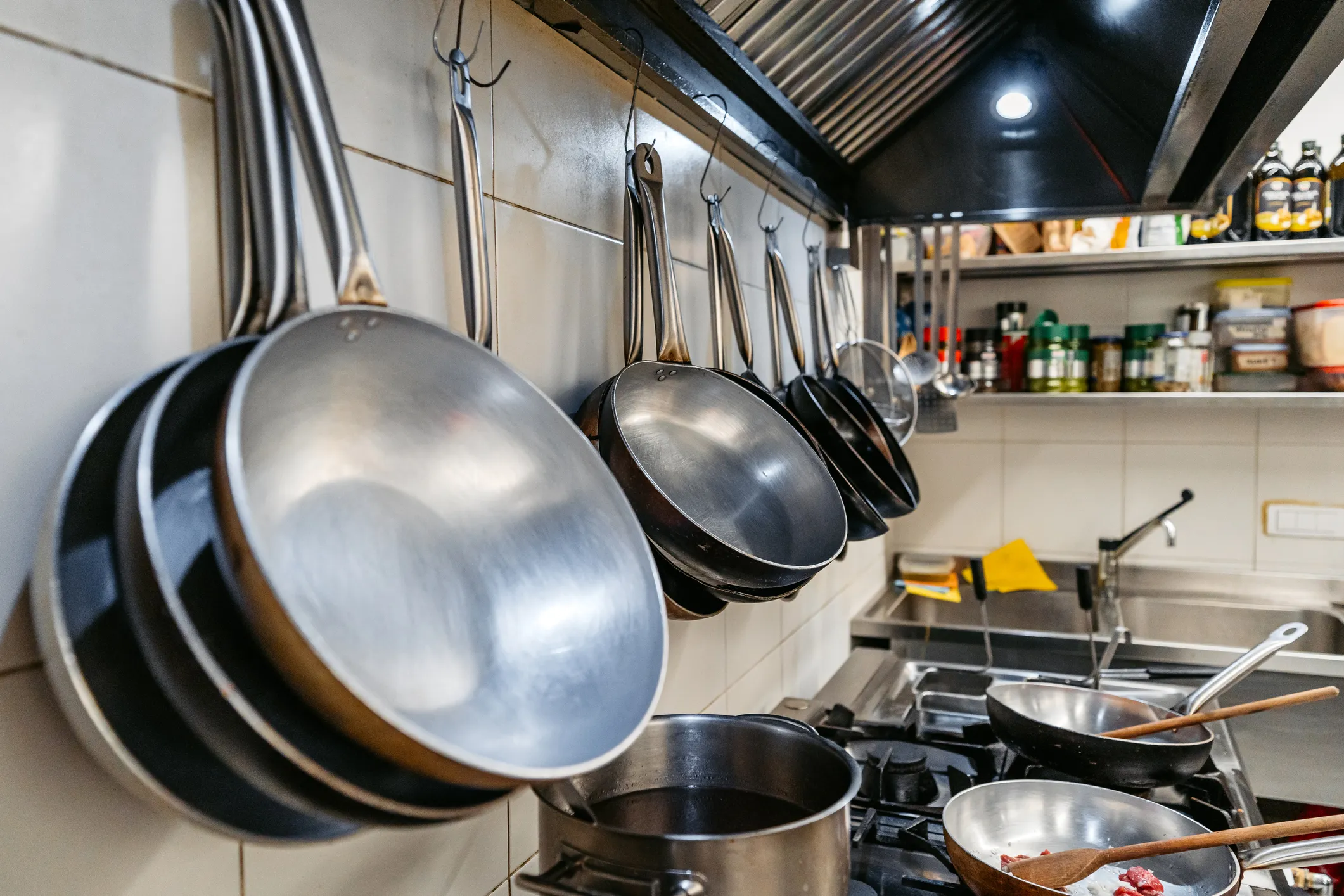
- Often used in commercial kitchens
Despite its benefits, some cooks avoid uncoated aluminum for acidic or salty foods to prevent metal leaching. Choosing anodized or coated options helps reduce these risks.
Health Concerns Linked To Aluminum
Aluminum is a common metal found in many household items, including cookware. Questions arise about its safety and whether it poses health risks. Understanding the health concerns linked to aluminum helps you make better choices for your kitchen and well-being. This section explores where aluminum comes from and the possible health effects of exposure.
Aluminum Exposure Sources
Aluminum enters the body from many places in daily life. Cooking with aluminum pots and pans is one source, but not the only one. Aluminum is also present in food, water, medicines, and personal care products.
- Cookware and utensils: Aluminum pots, pans, and foil can release small amounts of aluminum into food, especially with acidic or salty dishes.
- Food and beverages: Some processed foods contain aluminum additives, used as preservatives or anti-caking agents.
- Drinking water: Aluminum may be present in tap water, depending on treatment processes and local water quality.
- Pharmaceuticals: Certain vaccines and antacids contain aluminum compounds.
- Personal care products: Deodorants and antiperspirants often have aluminum-based ingredients.
The table below summarizes common aluminum sources and their typical exposure routes:
| Source | Exposure Route | Comments |
|---|---|---|
| Cookware | Ingestion (food contact) | Aluminum leaches more with acidic foods |
| Food Additives | Ingestion | Common in processed cheese, baking powder |
| Drinking Water | Ingestion | Varies by water treatment methods |
| Pharmaceuticals | Injection or ingestion | Used as adjuvants or antacids |
| Personal Care | Skin absorption | Found in antiperspirants |
Overall, aluminum exposure happens through multiple ways. The body usually handles small amounts well. Yet, repeated or high exposure raises concerns.
Potential Health Risks
Research links excess aluminum exposure to several health issues. The metal can build up in the body, mainly in bones and the brain. Some people worry about its effects on the nervous system and other organs.
Possible health risks include:
- Neurotoxicity: Aluminum may harm brain cells and is studied in connection with Alzheimer’s disease.
- Bone diseases: High aluminum levels can weaken bones and cause bone pain.
- Kidney problems: People with kidney disease have trouble removing aluminum, which can lead to toxicity.
- Respiratory issues: Inhalation of aluminum dust can irritate lungs and airways.
Studies have not confirmed a direct cause-effect link between aluminum cookware and serious illnesses. Most healthy people eliminate small amounts of aluminum efficiently.
Here is a simplified overview of potential effects based on exposure level:
| Exposure Level | Possible Health Effects |
|---|---|
| Low (typical diet, cookware use) | No clear harm; body clears aluminum well |
| Moderate (high processed food intake, some medicines) | Minor risk; monitor intake if kidney issues present |
| High (occupational exposure, impaired kidney function) | Increased risk of bone, brain, and lung problems |
Limiting exposure and using alternatives can reduce risks. Choose cookware with protective coatings or other materials. Avoid cooking very acidic foods in plain aluminum pans.
Aluminum And Food Interaction
Aluminum cookware is popular for its light weight and good heat conduction. People often ask, is aluminum cookware bad for you? The answer depends on how aluminum interacts with food during cooking. Understanding this interaction helps you use aluminum pots and pans safely. This section focuses on aluminum and food interaction to clear up common concerns.
How Aluminum Reacts With Food
Aluminum is a soft metal that can react with certain foods. This reaction happens when aluminum atoms come into contact with food molecules. The metal may release small amounts of aluminum into the food. Usually, this amount is very low and considered safe by health experts.
Key points about aluminum and food interaction:
- Aluminum can leach into food, especially if the food is hot or stored for a long time in aluminum cookware.
- The leaching depends on the type of food, cooking time, and temperature.
- Plain water or neutral foods cause very little aluminum release.
- Exposure to aluminum through cookware is much less than daily exposure from other sources like food additives or air.
| Factor | Effect on Aluminum Leaching |
|---|---|
| Cooking Time | Longer cooking increases aluminum release |
| Temperature | Higher heat speeds up reaction |
| Food Type | Acidic or salty foods increase aluminum leaching |
| Cookware Condition | Scratched or worn cookware releases more aluminum |
Many aluminum pots and pans have a non-stick or anodized coating. This layer stops aluminum from touching the food. Coated cookware lowers the chance of aluminum leaching. For everyday cooking, aluminum cookware is generally safe if not damaged.
Effect Of Cooking Acidic Or Salty Foods
Acidic and salty foods cause more aluminum to dissolve into food. This happens because acids and salts break down the thin layer of oxide that protects aluminum metal.
Common acidic foods include:
- Tomatoes and tomato sauce
- Citrus fruits like lemon and orange
- Vinegar and pickled foods
Salty foods contain:
- Table salt (sodium chloride)
- Brined vegetables and meats
Cooking these foods in aluminum cookware can increase aluminum levels in the dish. High heat and long cooking times make this effect stronger.
To reduce aluminum exposure from acidic or salty foods:
- Use anodized or coated aluminum pans.
- Avoid cooking acidic foods for a long time in aluminum pots.
- Consider using glass, stainless steel, or ceramic cookware for these dishes.
| Food Type | Effect on Aluminum Leaching | Safety Tip |
|---|---|---|
| Tomato Sauce | High aluminum release | Use coated cookware or alternative material |
| Lemon Juice | Moderate aluminum release | Cook briefly or use non-aluminum pots |
| Salted Meat | Increased aluminum leaching | Limit cooking time in aluminum pans |
Simple changes in cookware choice and cooking habits can minimize aluminum intake. This helps keep your meals safe and healthy.
Scientific Research Findings
Scientific research has explored the safety of aluminum cookware for many years. Scientists want to know if aluminum harms the body or causes illness. This section looks at important research about aluminum toxicity and its link to diseases. The findings help people decide if aluminum cookware is safe to use.
Studies On Aluminum Toxicity
Many studies have tested how much aluminum enters the body from cookware. Aluminum can leach into food, especially when cooking acidic foods like tomatoes or vinegar. But the amount is usually very small. The body can handle small amounts of aluminum without harm. Here are some key points from research:
- Low absorption rate: Only about 0.1% to 0.3% of aluminum from food is absorbed by the body.
- Safe limits: The World Health Organization set a safe weekly intake of 2 mg per kg of body weight.
- Cooking effect: Aluminum leaching increases with high heat and acidic foods but stays below harmful levels.
- Aluminum elimination: Most aluminum is removed from the body through kidneys.
Scientists also compare aluminum exposure from cookware with other sources like drinking water and food additives. The table below shows average aluminum intake from common sources:
| Source | Average Aluminum Intake (mg/day) |
|---|---|
| Food additives | 1.0 – 2.0 |
| Drinking water | 0.1 – 0.3 |
| Aluminum cookware | 0.05 – 0.1 |
Overall, research shows that aluminum from cookware is a minor part of total aluminum intake. It rarely reaches harmful levels for healthy people.
Aluminum And Neurodegenerative Diseases
Some studies have investigated if aluminum causes brain diseases like Alzheimer’s. This idea started because aluminum was found in the brains of patients with these diseases. Researchers test if aluminum exposure speeds up brain damage or memory loss.
Current scientific evidence is mixed and often unclear. Key facts include:
- No strong proof: Most studies do not find a clear link between normal aluminum exposure and Alzheimer’s disease.
- High exposure risk: People with kidney problems can accumulate aluminum, raising risks.
- Animal studies: Some animals show brain changes with high aluminum doses, but doses are much higher than typical human exposure.
- Preventive advice: Limiting aluminum exposure in high-risk groups is recommended, but general population risk is low.
The table below summarizes research findings on aluminum and neurodegenerative disease risk:
| Study Type | Finding | Aluminum Exposure Level |
|---|---|---|
| Human epidemiological | No strong link found | Normal environmental levels |
| Animal experiments | Brain changes at high doses | Much higher than typical human intake |
| Kidney patients | Increased aluminum accumulation risk | Elevated exposure |
Research suggests aluminum cookware is safe for healthy people. People with kidney disease should consult doctors about aluminum exposure. The link between aluminum and brain diseases remains unproven.
Safety Measures For Using Aluminum Cookware
Aluminum cookware is common in many kitchens due to its light weight and good heat conduction. Concerns about aluminum affecting health have made many cautious. Taking the right safety measures can reduce any risks and make using aluminum cookware safe. This section covers important tips to use aluminum pots and pans wisely and keep your food healthy.
Choosing Anodized Aluminum
Anodized aluminum cookware is a safer choice compared to regular aluminum. This type of cookware goes through an electrochemical process that hardens the surface. The result is a strong, non-reactive layer that protects food from touching bare aluminum. This reduces any chance of aluminum leaching into food, especially with acidic ingredients like tomatoes or vinegar.
Benefits of anodized aluminum include:
- Durable and scratch-resistant surface
- Non-stick properties without harmful coatings
- Less likely to warp or discolor
- Safe for cooking acidic and salty foods
| Type of Aluminum Cookware | Surface | Safety Level | Best Use |
|---|---|---|---|
| Regular Aluminum | Soft, reactive | Low | Non-acidic foods, short cooking |
| Anodized Aluminum | Hard, non-reactive | High | All types of cooking, including acidic foods |
Choosing anodized aluminum limits exposure to aluminum ions. It is safer for everyday cooking and extends cookware life. Look for labels or product details that mention “hard anodized” or “anodized aluminum” for safer use.
Proper Care And Maintenance
Maintaining aluminum cookware correctly keeps it safe and functional for years. Proper care helps avoid damage to the protective surface and lowers aluminum leaching risks. Follow simple steps to clean and store your cookware well.
Tips for caring for aluminum cookware:
- Hand wash only: Use mild dish soap and soft sponges. Avoid metal scrubbers that can scratch the surface.
- Avoid acidic prolonged cooking: Cook acidic foods like tomato sauce quickly and avoid long simmering in aluminum pans.
- Dry thoroughly: Prevent water spots and corrosion by drying cookware right after washing.
- Use wooden or silicone utensils: Avoid scratching the surface with metal tools.
- Store carefully: Stack pans with soft cloths between them to stop scratches.
| Care Step | What to Do | Why |
|---|---|---|
| Cleaning | Hand wash with gentle soap | Prevents surface damage |
| Cooking | Limit long cooking of acidic foods | Reduces aluminum leaching |
| Utensils | Use non-metal tools | Protects surface coating |
| Storage | Use soft cloths between pans | Stops scratches and dents |
Regular care keeps the cookware’s protective layer intact. This lowers health risks and keeps cooking performance high. Proper cleaning and gentle use are key for safe aluminum cookware.
:max_bytes(150000):strip_icc()/ms-aluminum-pan-getty-c54d6d540a19454e8a13f884cccea6f0.jpg)
Credit: www.marthastewart.com
Alternatives To Aluminum Cookware
Aluminum cookware raises health concerns for some people due to its potential to leach aluminum into food. Choosing safer alternatives can protect your health while cooking. Several types of cookware offer durability, safety, and ease of use without the risks linked to aluminum.
Stainless Steel Options
Stainless steel cookware is a popular alternative to aluminum. It is made from a mix of iron, carbon, and chromium. This mix makes it very strong and resistant to rust and corrosion. Stainless steel does not react with food, keeping meals safe and tasty.
Benefits of stainless steel cookware:
- Non-reactive surface, ideal for all foods
- Durable and long-lasting
- Easy to clean and maintain
- Suitable for high heat cooking
Look for multi-ply stainless steel pans, which have layers of aluminum or copper inside for better heat distribution. These pans heat evenly and reduce hot spots, improving cooking results.
| Feature | Benefit |
|---|---|
| Non-reactive surface | Prevents flavors from changing |
| Multi-ply layers | Even heat distribution |
| High heat tolerance | Great for searing and frying |
| Easy cleaning | Dishwasher safe, resists stains |
Stainless steel pans might be heavier than aluminum but offer great value for health and cooking quality. They are a smart choice for everyday use and special recipes alike.
Cast Iron And Ceramic Choices
Cast iron cookware has been used for centuries. It is heavy but heats evenly and retains heat well. Cast iron can be seasoned to create a natural non-stick surface. It adds a small amount of iron to food, which can be beneficial for health.
Advantages of cast iron include:
- Excellent heat retention
- Durable and lasts a lifetime
- Can be used on stovetops, ovens, and grills
- Natural non-stick when properly seasoned
Ceramic cookware offers a lightweight and non-reactive option. It has a smooth, non-stick surface made from natural minerals. Ceramic pans do not release harmful chemicals and are easy to clean.
| Cookware Type | Key Features | Best Use |
|---|---|---|
| Cast Iron | Heavy, excellent heat retention, seasoning needed | Searing, frying, baking |
| Ceramic | Lightweight, non-reactive, easy to clean | Low to medium heat cooking |
Both cast iron and ceramic are excellent choices for those avoiding aluminum. They provide safe cooking surfaces and improve meal quality without health risks.
Credit: schaumburgspecialties.com
Frequently Asked Questions
Is Aluminum Cookware Safe For Daily Use?
Aluminum cookware is generally safe for daily use. Anodized aluminum prevents leaching of metals into food. Avoid cooking acidic foods in untreated aluminum to reduce risks.
Can Aluminum Cookware Cause Health Problems?
Using untreated aluminum cookware excessively may increase aluminum intake. High aluminum exposure links to neurological issues, but typical cooking use poses minimal risk.
Does Aluminum Cookware Affect Food Taste Or Quality?
Aluminum cookware can react with acidic foods, altering taste and color. Anodized or coated aluminum cookware prevents this, preserving food flavor and quality.
How To Clean Aluminum Cookware Safely?
Use mild dish soap and a soft sponge to clean aluminum cookware. Avoid harsh abrasives or metal scrubbers that can damage the surface and promote corrosion.
Conclusion
Aluminum cookware is common and affordable for many kitchens. It can react with acidic foods, which may affect taste and health. Using anodized or coated aluminum helps reduce risks. Small amounts of aluminum in food are usually safe. Washing cookware gently keeps it in good shape longer.
Choose cookware based on your cooking style and needs. Knowing the facts helps you cook safely and confidently.

Hello, This is Annie Walker, a 38-year-old blogger, founder, and editor of Cookware Guider from NY, USA. I am a cookware fanatic and passionate cooker. I love to cook with different types of cooking appliances (example: all types of cookware, rice cookers, slow cookers, etc) almost every day in my kitchen. I love to share my experience with my readers in my blog. Also, I enjoy helping people to solve their problems through my website. You can follow me on Twitter & Pinterest. To know details about my blog please check the about us page.