
Are you worried about the safety of your cookware? If you’ve been thinking about switching to enamel cookware but aren’t sure if it’s toxic, you’re not alone.
You want to keep your family healthy while cooking delicious meals, and the last thing you need is to wonder if your pots and pans are harming you. You’ll discover the truth about enamel cookware, how it reacts with your food, and what you should watch out for.
By the end, you’ll know exactly whether enamel cookware is a safe choice for your kitchen. Keep reading—you deserve to cook with confidence.

Credit: thegoodlifedesigns.com
What Is Enamel Cookware
Enamel cookware is popular in many kitchens for its colorful look and easy cleaning. It is made by coating metal with a layer of smooth, hard glass. This glass layer protects the metal and creates a non-reactive cooking surface. Many people wonder if enamel cookware is safe and whether it can be toxic. Understanding what enamel cookware is helps answer these questions clearly.
What Is Enamel Cookware Made Of?
Enamel cookware starts with a metal base, usually cast iron or steel. This base is coated with a layer of glass enamel. The enamel is made from powdered glass that melts and fuses to the metal at high temperatures.
- Metal base: Provides strength and heat retention.
- Glass enamel coating: Creates a smooth, non-stick surface.
How Is Enamel Cookware Produced?
The production involves several steps:
- The metal base is cleaned and shaped.
- Powdered glass enamel is applied to the base.
- The cookware is heated in a kiln until the enamel melts and bonds.
- The process may repeat for multiple enamel layers.
Types Of Enamel Cookware
| Type | Metal Base | Common Use |
|---|---|---|
| Enamel on Cast Iron | Cast Iron | Even heat, ideal for slow cooking and braising |
| Enamel on Steel | Steel | Lighter cookware, good for everyday use |
Benefits Of Enamel Cookware
- Non-reactive surface: Does not change food taste.
- Easy to clean: Smooth enamel prevents sticking.
- Durable: Resistant to rust and stains.
- Colorful designs: Adds style to kitchens.
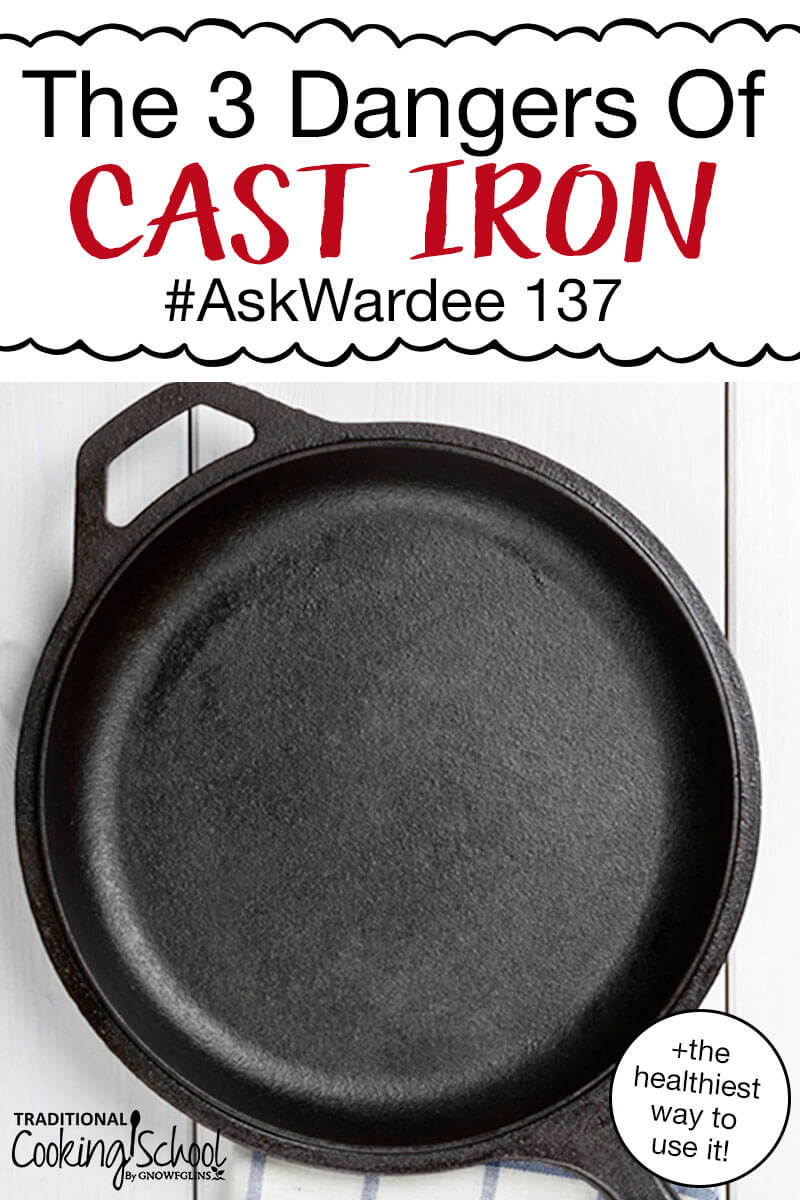
Credit: traditionalcookingschool.com
Materials Used In Enamel Cookware
Enamel cookware combines metal with a smooth, glass-like coating. This blend creates pots and pans that look good and cook well. Understanding the materials used helps to know if enamel cookware is safe or toxic. The main parts include the base metal and the enamel coating. Each plays a role in cooking performance and safety.
Base Metals
The base metal forms the core of enamel cookware. It provides strength, heat conduction, and durability. Common metals used are cast iron, steel, and aluminum. Each metal has unique features that affect cooking and safety.
- Cast Iron: Heavy and excellent at holding heat. It can last for many years.
- Steel: Often used as a lighter option. It heats quickly but cools faster than cast iron.
- Aluminum: Very light and heats evenly. Usually paired with a thick enamel layer.
The metal base is fully covered by enamel, so food does not touch it directly. This prevents metal from leaching into food. The base metal also affects the cookware’s weight and how it handles temperature changes.
| Base Metal | Weight | Heat Retention | Durability |
|---|---|---|---|
| Cast Iron | Heavy | Excellent | High |
| Steel | Medium | Good | Moderate |
| Aluminum | Light | Good | Moderate |
Enamel Coating Components
The enamel coating is a glass-like layer fused to the metal base. It protects the metal and creates a smooth cooking surface. This coating is made from natural materials, mainly silica, mixed with other minerals.
Key components include:
- Silica (Sand): The main ingredient that forms the glassy layer.
- Soda Ash: Helps melt the silica at high temperatures.
- Limestone: Adds strength and durability to the enamel.
- Metal Oxides: Provide color and improve resistance to wear.
This coating is baked onto the metal at very high heat, making it hard and smooth. It is non-reactive, so it does not interact with acidic or alkaline foods. This means no harmful chemicals leach into food during cooking.
The enamel surface is also easy to clean and resists stains and scratches. Proper care keeps the coating intact, maintaining the cookware’s safety and appearance for years.
Health Concerns Linked To Enamel Cookware
Health Concerns Linked to Enamel Cookware often arise from questions about safety during cooking. Enamel cookware features a glass-like coating over metal, usually cast iron or steel. People worry if this coating can release harmful substances into food. Understanding these concerns helps in making safer kitchen choices. This section explores two main health risks: chemical leaching and heavy metal exposure. Both are important for anyone who uses enamel pots and pans regularly.
Chemical Leaching Risks
Enamel cookware is made by fusing powdered glass to metal at high heat. This process creates a hard, smooth surface that resists rust and corrosion. The coating is generally safe for cooking. But damage to the enamel surface can cause problems.
When enamel chips or cracks, the exposed metal underneath may react with acidic or alkaline foods. This reaction can lead to chemical leaching. Common risks include:
- Release of metal ions into food.
- Possible ingestion of small enamel particles.
- Altered taste or color of cooked food.
Healthy enamel cookware should not leach chemicals under normal use. But poor quality or worn pieces may pose risks.
| Condition | Risk Level | Notes |
|---|---|---|
| Intact enamel | Low | No leaching, safe for cooking |
| Chipped enamel | Moderate | Potential metal exposure, avoid cooking acidic foods |
| Cracked enamel | High | Increased risk of leaching, replacement recommended |
Using mild detergents and avoiding metal utensils helps protect the enamel layer. Regular inspection prevents unnoticed damage. Keep in mind, enamel cookware is safer than some non-stick options that use synthetic chemicals prone to leaching.
Heavy Metal Exposure
Heavy metals like lead and cadmium can be harmful if ingested in large amounts. Some enamel coatings in the past contained these metals. Modern regulations limit or ban their use in cookware. Still, old or low-quality enamel cookware might pose risks.
Key points about heavy metal exposure in enamel cookware:
- Lead: Used historically for bright colors in enamel but toxic if leached.
- Cadmium: Sometimes found in pigments; harmful if ingested.
- Quality Control: Reputable brands follow strict safety standards to avoid heavy metals.
Testing for heavy metals is common in new enamel cookware. Always choose products certified safe by health authorities. Signs of risk include:
- Unusually bright or glossy coating.
- Cookware made before 1970s or from unknown sources.
- Manufacturer does not provide safety certification.
Safe enamel cookware offers excellent cooking performance without heavy metal exposure. Avoid damaged cookware to reduce risk further. Here is a quick checklist for safe enamel cookware use:
| Safety Tip | Reason |
|---|---|
| Buy from trusted brands | Ensures compliance with safety standards |
| Avoid chipped or cracked cookware | Prevents metal exposure |
| Check for safety labels | Confirms no harmful heavy metals present |
Safety Standards And Regulations
Enamel cookware is popular for its bright colors and smooth finish. Many wonder about its safety and whether it can release harmful substances during cooking. Safety standards and regulations play a big role in making sure enamel cookware is safe to use. These rules control the materials and manufacturing processes to protect consumers from toxins.
Certification Processes
Certification ensures that enamel cookware meets strict safety and quality rules. Manufacturers must test their products before selling them. These tests check for harmful chemicals and durability. Certification shows the cookware is free from toxic elements like lead and cadmium.
Common certification steps include:
- Material analysis to detect heavy metals and toxins
- Heat resistance testing to ensure enamel does not chip or crack
- Food safety compliance to confirm no chemicals leach into food
- Durability testing for long-term use without damage
Certified enamel cookware often carries marks from trusted organizations. These marks help buyers identify safe products. Below is an example of certification types:
| Certification | Focus | Benefits |
|---|---|---|
| FDA Approval | Food safety and material safety | Ensures no harmful chemicals leach into food |
| LFGB Certification | German food contact materials standard | Strict limits on toxic substances |
| Prop 65 Compliance | California regulation on toxic chemicals | Warns consumers about potential exposure |
Certification processes give confidence that enamel cookware is safe for cooking and eating. Always check for certifications before buying enamel cookware.
Industry Guidelines
Industry guidelines set rules for making and selling enamel cookware. These rules protect users from toxic materials and poor quality. Manufacturers follow these guidelines to avoid health risks.
Key industry guidelines include:
- Use of safe raw materials: Only approved enamel coatings and metals are allowed.
- Proper firing process: Enamel must be heated enough to form a hard, smooth surface.
- Testing for chips and cracks: Flaws can expose metal and cause toxins to leak.
- Labeling and instructions: Clear use and care instructions help prevent damage.
These guidelines help maintain product safety and quality. They also reduce risks of toxins like lead or cadmium entering food.
Some global bodies that provide guidelines:
- European Committee for Standardization (CEN) – sets standards for food contact materials.
- American Society for Testing and Materials (ASTM) – creates safety and performance standards.
- International Organization for Standardization (ISO) – develops international safety norms.
Following these guidelines ensures enamel cookware is safe, durable, and non-toxic. Consumers should buy from trusted brands that follow industry rules.
Proper Use And Care Tips
Enamel cookware offers a safe and attractive option for cooking. Proper use and care help keep the cookware non-toxic and long-lasting. Understanding how to handle enamel pots and pans prevents damage and maintains their safety for daily use. Following simple care tips ensures the enamel surface stays intact and free from harmful wear. This section guides you through key steps to protect your enamel cookware and clean it correctly.
Avoiding Damage
Enamel cookware can chip or crack if treated roughly. These damages expose the metal underneath, which may cause rust or leaching of metals. Avoid sudden temperature changes because they stress the enamel and cause cracks. For example, do not put a hot pan in cold water.
- Use wooden, silicone, or plastic utensils to prevent scratching the enamel surface.
- Do not use metal utensils that can chip or scratch the coating.
- Avoid dropping or banging the cookware against hard surfaces.
- Heat enamel cookware on low to medium heat settings for best results.
- Never preheat an empty enamel pan; it can cause cracks or damage.
| Common Mistakes | Potential Damage |
|---|---|
| Using metal utensils | Scratches and chips in enamel |
| Sudden temperature changes | Cracks and enamel breakage |
| Heating empty cookware | Surface damage and warping |
Careful handling extends the cookware’s life and keeps it safe. Always allow enamel pans to cool down naturally before washing or storing them. This step helps avoid thermal shock that damages the enamel.
Cleaning Recommendations
Cleaning enamel cookware properly keeps it safe and looking new. Use gentle cleaning methods to protect the enamel layer. Avoid harsh chemicals or abrasive scrubbers that wear down the surface.
- Wash enamel cookware by hand with warm, soapy water.
- Use soft sponges or cloths instead of steel wool or rough pads.
- For stuck-on food, soak the cookware in warm water before cleaning.
- Use baking soda paste (baking soda + water) to remove stains gently.
- Rinse thoroughly and dry immediately to prevent water spots.
Dishwashers may cause enamel to dull or chip over time. Hand washing is the best way to preserve the enamel coating. Avoid bleach or strong detergent use, as these can damage the finish and affect safety.
Here is a simple cleaning guide:
- Fill the pan with warm water and mild dish soap.
- Let it soak for 15-20 minutes if food is stuck.
- Use a soft sponge to clean the surface gently.
- Rinse with clean water to remove soap residue.
- Dry with a soft towel to avoid water stains or rust.
Following these cleaning tips helps keep enamel cookware safe, non-toxic, and ready for healthy cooking every day.
Comparing Enamel Cookware With Other Cookware
Choosing the right cookware affects both health and cooking results. Enamel cookware is popular, but many wonder if it is toxic compared to other types. This section compares enamel cookware with common alternatives. It covers safety, durability, and cooking performance. Understanding these differences helps make a better choice for your kitchen.
Nonstick Pans
Nonstick pans have a special coating that stops food from sticking. This makes cooking and cleaning easier. But some nonstick coatings can release harmful chemicals if overheated. Brands use different materials, such as PTFE (Teflon) or ceramic. Here are key points about nonstick pans:
- Heat sensitivity: Nonstick coatings can break down above 500°F, releasing toxic fumes.
- Durability: Coatings can scratch or wear off over time, reducing safety.
- Maintenance: Use wooden or silicone tools to avoid damage.
Compared to enamel cookware, nonstick pans are lighter and heat up faster. Enamel has no chemical coating but a glassy layer fused to metal. This layer is harder and more resistant to scratches. Table below shows a quick comparison:
| Feature | Nonstick Pans | Enamel Cookware |
|---|---|---|
| Toxicity Risk | Possible if overheated | Low, no harmful chemicals |
| Durability | Moderate, coating can wear | High, resistant to chipping |
| Cleaning | Easy | Easy but careful with chips |
| Weight | Light | Heavier |
Enamel cookware is safer for high-heat cooking. Nonstick pans suit low to medium heat and delicate foods. Both have benefits, but enamel avoids risks linked to chemical coatings.
Cast Iron And Stainless Steel
Cast iron and stainless steel are classic cookware choices. Each has unique features that differ from enamel cookware. Cast iron is known for excellent heat retention and durability. Stainless steel offers a non-reactive surface and easy maintenance. Comparing these with enamel reveals important safety and cooking factors.
- Cast Iron: It can leach small iron amounts into food, which is usually safe and can boost dietary iron. Requires seasoning to keep a natural nonstick surface. Heavy and strong. Can rust if not dried well.
- Stainless Steel: Non-reactive with acidic foods. Durable and resists corrosion. Food can stick if temperature control is poor. Does not add any metals to food.
- Enamel Cookware: Made by coating cast iron or steel with enamel. Provides a smooth, non-reactive surface. Easier to clean and does not need seasoning. Can chip if dropped.
Here is a comparison table for quick reference:
| Feature | Cast Iron | Stainless Steel | Enamel Cookware |
|---|---|---|---|
| Reactivity | Reacts with acidic food | Non-reactive | Non-reactive |
| Maintenance | Needs seasoning | Low maintenance | Low maintenance but careful with chips |
| Weight | Heavy | Light to medium | Heavy |
| Durability | Very durable | Durable | Durable but enamel can chip |
| Health Safety | Safe, may add iron | Safe, no metal leaching | Safe, no chemical coatings |
Cast iron suits slow cooking and high heat. Stainless steel fits versatile cooking styles. Enamel cookware combines cast iron strength with a smooth, easy-to-clean surface. All are safe options without toxic concerns.
Signs Of Unsafe Enamel Cookware
Enamel cookware is popular for its colorful look and ease of use. It is usually safe, but problems appear if the cookware gets damaged. Signs of unsafe enamel cookware help you know when it might be harmful. Watch out for specific issues that can cause health risks or affect cooking quality. Knowing these signs protects your family from exposure to unsafe materials and keeps your kitchen safe.
Chipping And Cracking
Chips and cracks in enamel cookware are serious problems. They expose the metal underneath, which can rust or release harmful substances into food. Even small chips can grow bigger with use. Cooking with chipped or cracked enamel can cause:
- Metal contamination in your food.
- Uneven heating and hot spots.
- Increased risk of bacteria hiding in cracks.
Check your cookware carefully for these signs:
- Look for small chips along the edges or inside the pot.
- Run your finger over the surface to feel for cracks.
- Notice any rough spots that were once smooth.
Table: Risks of Chipped or Cracked Enamel Cookware
| Issue | Possible Risk |
|---|---|
| Exposed metal | Rust formation, metal leaching |
| Cracks | Bacteria growth, food contamination |
| Chipped surface | Uneven cooking, safety hazard |
Using chipped or cracked enamel cookware is unsafe. Replace or repair it to avoid health risks.
Discoloration And Wear
Discoloration and wear show that enamel cookware is aging or damaged. These changes may not seem dangerous, but they can signal enamel breakdown. When enamel wears off, the metal underneath may touch your food. Watch for these signs:
- Dark spots or stains that don’t wash away.
- Dull or faded color compared to new cookware.
- Rough texture where the enamel is thin or missing.
Discoloration often happens from cooking acidic foods or using harsh cleaners. It weakens the enamel and can lead to:
- Metal exposure.
- Flaking enamel pieces in food.
- Reduced non-stick properties.
| Cause | Effect on Cookware |
|---|---|
| Cooking acidic foods (tomato, vinegar) | Surface staining, enamel erosion |
| Using abrasive cleaners | Scratches, dull finish |
| High heat exposure | Color fading, cracking risk |
Regularly inspect your enamel cookware for discoloration and wear. Replace it if the damage is extensive to keep cooking safe.

Credit: gurlgonegreen.com
Frequently Asked Questions
Is Enamel Cookware Safe For Daily Use?
Yes, enamel cookware is safe for daily use. It has a non-reactive surface that prevents harmful chemicals from leaching into food. Proper care avoids chipping, which maintains its safety and durability.
Does Enamel Cookware Release Toxins When Heated?
No, enamel cookware does not release toxins when heated. Its glass coating is stable at high temperatures, preventing any harmful substances from contaminating your food.
Can Chipped Enamel Cookware Be Toxic?
Chipped enamel cookware can expose the metal underneath, which may react with food. It’s best to avoid using chipped enamel pots to prevent potential health risks.
How To Clean Enamel Cookware Safely?
Clean enamel cookware with mild soap and a soft sponge. Avoid abrasive cleaners and metal scrubbers to protect the enamel coating from damage.
Conclusion
Enamel cookware is safe for everyday cooking. Its smooth surface stops food from touching metal. This means no harmful chemicals mix with your meals. Scratches or chips may affect safety, so handle with care. Choose quality brands to avoid low-grade materials.
Clean enamel pots gently to keep their coating strong. Enjoy cooking without worry about toxins or metals. This cookware type suits many kitchens well. It offers beauty, durability, and health benefits combined. Safe and simple—perfect for home cooks everywhere.

Hello, This is Annie Walker, a 38-year-old blogger, founder, and editor of Cookware Guider from NY, USA. I am a cookware fanatic and passionate cooker. I love to cook with different types of cooking appliances (example: all types of cookware, rice cookers, slow cookers, etc) almost every day in my kitchen. I love to share my experience with my readers in my blog. Also, I enjoy helping people to solve their problems through my website. You can follow me on Twitter & Pinterest. To know details about my blog please check the about us page.