
When you cook, the last thing you want to worry about is whether your cookware is safe for you and your family. If you’ve been eyeing Cuisinart stainless steel cookware, you might be asking yourself: Is it truly non-toxic?
You deserve to know exactly what goes into your pots and pans because your health matters. You’ll discover the truth about Cuisinart’s materials, how they affect your food, and what makes their cookware a safe—or risky—choice. Keep reading to make the best decision for your kitchen and your well-being.
Cuisinart Stainless Steel Features
Cuisinart stainless steel cookware is popular for its durability and cooking performance. Many people wonder about its safety and whether it is non-toxic. Understanding the features of Cuisinart stainless steel helps clarify these concerns. This section explores key aspects like material composition and design quality that impact the cookware’s safety and usability.
Material Composition
Cuisinart stainless steel cookware mainly uses high-grade 18/10 stainless steel. This means the steel contains:
- 18% chromium – adds rust resistance
- 10% nickel – enhances shine and corrosion resistance
This type of stainless steel is known for being safe and non-reactive. It does not leach harmful chemicals into food during cooking. The surface is smooth and does not chip or flake.
Besides stainless steel, many Cuisinart pots and pans feature an aluminum core or base. This helps with fast, even heat distribution, preventing hot spots and burning.
| Material | Function | Safety |
|---|---|---|
| 18/10 Stainless Steel | Durability, rust resistance, non-reactive cooking surface | Non-toxic, safe for all foods |
| Aluminum Core/Base | Even heat distribution | Encased, no direct food contact |
Cuisinart stainless steel cookware does not contain harmful chemicals like PFOA or PTFE. It is free from non-stick coatings that may release toxins at high heat. This makes it a safer choice for health-conscious cooks.
Design And Build Quality
Cuisinart pays close attention to the design and build of their stainless steel cookware. The results are strong and functional pots and pans that last for years.
Key design features include:
- Triple-ply construction: Layers of stainless steel and aluminum ensure even heating and durability.
- Riveted handles: Securely attached to the body for safe handling and long life.
- Impact-bonded bases: Prevent warping and maintain flatness on cooking surfaces.
- Cool-touch handles: Designed to stay comfortable during stovetop use.
The cookware also offers tight-fitting lids that keep moisture and heat inside. This improves cooking efficiency and flavors.
Each piece undergoes strict quality control. The finish is polished to a smooth, easy-to-clean surface that resists staining. The thick gauge metal stands up well to everyday use, including dishwasher cleaning.
Overall, the design and build quality focus on safety, comfort, and performance. This makes Cuisinart stainless steel cookware a reliable choice for many kitchens.

Credit: www.reddit.com
Health And Safety Aspects
Cuisinart stainless steel cookware is popular for its durability and cooking performance. Understanding the health and safety aspects of this cookware helps users make smart choices for their kitchen. This section explains whether Cuisinart stainless steel is non-toxic and safe for daily use. It covers possible chemical exposure and the presence of metals like nickel and chromium in the cookware.
Potential Chemical Exposure
Cuisinart stainless steel cookware is generally considered safe and non-toxic. It does not have non-stick coatings that may release harmful chemicals like PFOA or PTFE. The stainless steel surface is inert, which means it does not react easily with food or release toxins.
Still, some factors can affect safety:
- Cooking acidic foods (like tomatoes or vinegar) in stainless steel can cause slight metal leaching.
- Scratched or damaged cookware may increase metal exposure.
- High heat can sometimes cause small amounts of metals to transfer to food.
Compared to other cookware types, stainless steel is one of the safest options because it lacks harmful chemical coatings. It is also easy to clean and maintain, which helps reduce contamination risks.
| Factor | Impact on Chemical Exposure | Safety Tip |
|---|---|---|
| Acidic Foods | May cause slight metal leaching | Avoid prolonged cooking of acidic dishes |
| Damaged Cookware | Increases metal exposure | Replace scratched or worn pans |
| High Heat | Possible metal transfer to food | Use medium heat for cooking |
Nickel And Chromium Content
Stainless steel contains nickel and chromium, essential metals that give it strength and resistance to rust. Cuisinart cookware uses high-quality 18/10 stainless steel, which means it has 18% chromium and 10% nickel.
Both metals are generally safe in cookware but can affect health in some cases:
- Nickel: Some people are sensitive or allergic to nickel. Small amounts may leach into food, especially with acidic ingredients.
- Chromium: Present mostly as chromium-III, which is safe and necessary for the body in trace amounts.
Here is a quick overview of nickel and chromium in Cuisinart stainless steel:
| Metal | Percentage in 18/10 Stainless Steel | Health Notes |
|---|---|---|
| Nickel | 10% | Can cause allergies in sensitive individuals |
| Chromium | 18% | Generally safe; improves corrosion resistance |
For people with nickel allergies, using stainless steel cookware can cause skin or digestive irritation. Testing small amounts of food cooked in stainless steel can help monitor reactions. Most users experience no problems.
Overall, Cuisinart stainless steel cookware balances durability and safety, keeping nickel and chromium exposure low and within safe limits.
Comparison With Other Cookware
Cuisinart stainless steel cookware is popular for its durability and design. Many ask if it is non-toxic compared to other cookware types. Comparing Cuisinart stainless steel with other common cookware helps understand its safety and health impact. Cookware materials vary in how they react with food and heat. Some release harmful chemicals, while others stay safer during cooking. This section compares Cuisinart stainless steel with other cookware types to see which are safer for daily use.
Non-toxic Alternatives
Several cookware materials are known for being non-toxic and safe for cooking. Stainless steel, like Cuisinart’s, is generally safe because it does not release harmful chemicals or react with food. It is a good choice for those who want clean and healthy cooking.
Other non-toxic cookware options include:
- Ceramic cookware: Made from natural clay, it has a non-stick surface without chemicals.
- Cast iron: Coated with seasoning, it adds iron to food and does not leach toxins.
- Glass cookware: Completely inert, does not react with food or heat.
- Anodized aluminum: Treated aluminum that does not release aluminum into food.
Here is a simple comparison table of common cookware types and their toxicity levels:
| Cookware Type | Non-Toxic | Notes |
|---|---|---|
| Cuisinart Stainless Steel | Yes | Does not leach metals when intact |
| Ceramic | Yes | Non-stick without chemicals |
| Cast Iron | Yes | Adds iron, requires seasoning |
| Non-Stick (Teflon) | No | Can release toxic fumes if overheated |
| Aluminum (Untreated) | No | May leach aluminum into food |
Choosing non-toxic cookware means avoiding chemicals like PFOA and PTFE. Stainless steel cookware, such as Cuisinart, offers a reliable and safe option for everyday cooking.
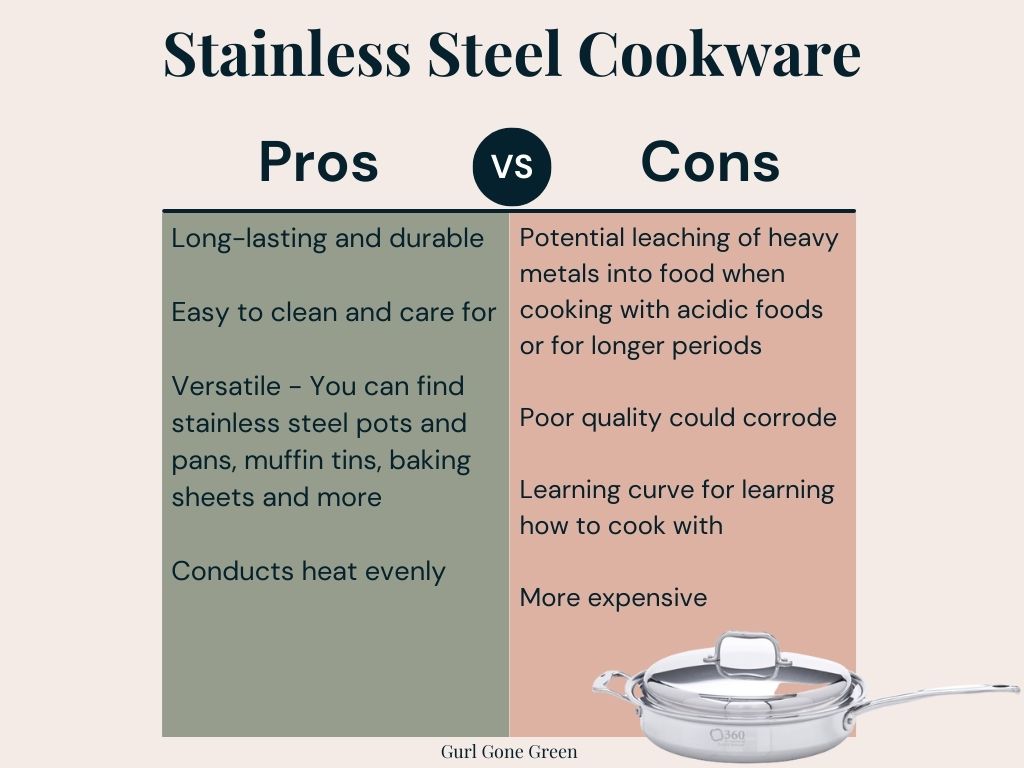
Pros And Cons
Cuisinart stainless steel cookware has many advantages but also some drawbacks. Understanding both helps in making a smart choice.
Pros:
- Durable and resistant to rust and corrosion
- Non-reactive with acidic or alkaline foods
- Safe and non-toxic with no chemical coatings
- Easy to clean and dishwasher safe
- Can handle high cooking temperatures
Cons:
- Food may stick without enough oil or seasoning
- Heavier than some other cookware types
- Heat distribution can be uneven without an aluminum or copper base
- Can be more expensive than non-stick pans
Here is a quick overview of Cuisinart stainless steel cookware benefits and drawbacks:
| Feature | Benefit | Limitation |
|---|---|---|
| Material Safety | Non-toxic and stable | None |
| Durability | Long-lasting, resists damage | Heavy weight |
| Cooking Performance | Handles high heat | Needs oil to prevent sticking |
| Price | Good value for quality | Higher cost than some options |
Cuisinart stainless steel cookware suits those who want safe and lasting kitchen tools. It balances health, strength, and cooking needs well.
User Experiences And Reviews
User experiences and reviews offer valuable insight into whether Cuisinart stainless steel cookware is truly non-toxic. Many buyers share their thoughts on the cookware’s safety, durability, and overall performance. These real-world opinions help others decide if this cookware fits their health and cooking needs. The feedback covers concerns about materials, cooking results, and long-term use. Understanding both positive and negative comments paints a clearer picture of the product’s safety and quality.
Common Concerns
Some users express worries about the potential release of metals from stainless steel during cooking. A few mention that acidic foods, like tomato sauce, might cause slight metallic tastes. Others question if the cookware contains nickel or chromium, which can cause allergies in sensitive people.
- Possible metal leaching with high heat
- Reactions with acidic or salty foods
- Concerns about nickel allergies
- Scratches affecting safety and performance
Below is a table summarizing common concerns and explanations based on user reports:
| Concern | User Experience | Explanation |
|---|---|---|
| Metal Leaching | Occasional minor taste changes with acidic foods | Stainless steel is stable but trace metals may release in rare cases |
| Nickel Allergy | Some users with allergies report mild irritation | Cuisinart uses 18/10 stainless steel, which contains nickel |
| Scratching | Scratches can appear after heavy use | Scratches do not usually affect safety but may impact appearance |
Many users recommend using proper cooking utensils to avoid scratches and maintaining moderate heat to reduce metal release. Most concerns arise from extreme use or allergies rather than the cookware itself.
Positive Feedback
Many reviews highlight Cuisinart stainless steel cookware as safe and non-toxic. Users appreciate the solid construction and absence of harmful coatings. The cookware heats evenly and does not react with foods, preserving natural flavors.
- Made with high-quality 18/10 stainless steel
- Non-reactive surface keeps food taste pure
- No chemical coatings or non-stick layers
- Durable and long-lasting under normal use
Users report cooking safely with this cookware for months or years without health issues. The stainless steel resists rust and corrosion, adding to its safety profile. Many customers mention the ease of cleaning and maintaining the cookware without toxic residues.
Here is a quick overview of positive aspects frequently mentioned:
- Health-safe design: No PTFE, PFOA, or other harmful chemicals.
- Durability: Stands up to regular kitchen use well.
- Performance: Cooks food evenly and safely.
- Maintenance: Easy to clean and keeps a shiny surface.
Overall, many users trust Cuisinart stainless steel cookware as a non-toxic choice for everyday cooking.
Maintenance And Usage Tips
Cuisinart stainless steel cookware is known for being durable and safe for cooking. To keep it non-toxic and in great condition, proper maintenance and usage are key. Good care helps keep your cookware free from damage and ensures healthy cooking. This section shares simple tips for cleaning and avoiding damage. Follow these to enjoy your cookware for a long time.
Cleaning Practices
Cleaning Cuisinart stainless steel cookware correctly keeps it shiny and safe. Avoid harsh chemicals or scrubbing pads that can scratch the surface. Use warm water and mild dish soap for daily cleaning.
- Let the cookware cool before washing to prevent warping.
- Use a soft sponge or cloth to clean inside and outside.
- For stuck food, soak the pan in warm soapy water for 15-30 minutes.
- Use baking soda paste (baking soda + water) to remove stains gently.
- Rinse thoroughly to remove soap residue that might affect taste.
- Dry with a soft towel to prevent water spots.
For tough burnt spots, follow this method:
- Fill the pan with water and add 1-2 tablespoons of white vinegar.
- Bring to a boil for 5-10 minutes.
- Remove from heat and let cool.
- Scrub gently with a sponge, then wash as usual.
| Cleaning Method | When to Use | Benefits |
|---|---|---|
| Warm Soapy Water | Daily cleaning | Safe, gentle, removes grease and food |
| Baking Soda Paste | Light stains | Non-toxic, gentle abrasive |
| Vinegar Boil | Burnt residue | Loosens burnt food, cleans deep stains |
Regular cleaning helps keep cookware non-toxic and ready for healthy meals.
Avoiding Damage
Preventing damage extends the life of Cuisinart stainless steel cookware. Avoid sudden temperature changes which cause warping. Heat the pan gradually and never pour cold water into a hot pan.
- Use wooden, silicone, or plastic utensils to avoid scratches.
- Avoid metal scrubbers or steel wool for cleaning.
- Cook on medium or low heat to protect the surface and prevent discoloration.
- Do not overheat empty pans; this can damage the cookware and release fumes.
- Store pans carefully to avoid dents or scratches; stack with soft cloth or paper towels in between.
Here is a quick guide to avoid damage:
| Common Cause | Effect on Cookware | Prevention Tip |
|---|---|---|
| Rapid temperature change | Warping, cracking | Allow cooling before washing |
| Metal utensils | Scratches, dull finish | Use wooden or silicone tools |
| High heat on empty pan | Discoloration, damage | Heat pans gradually, avoid empty heating |
Following these simple steps keeps your cookware safe and non-toxic for years. Proper use and care protect your investment and your health.
Credit: gurlgonegreen.com

Credit: www.youtube.com
Frequently Asked Questions
Is Cuisinart Stainless Steel Cookware Safe For Health?
Yes, Cuisinart stainless steel cookware is safe and non-toxic. It uses high-quality, food-grade stainless steel that doesn’t leach harmful chemicals during cooking. This ensures your meals remain healthy and free from contaminants.
Does Cuisinart Cookware Contain Harmful Chemicals?
No, Cuisinart stainless steel cookware does not contain harmful chemicals. It is free from PFOA, PTFE, and other toxic coatings. This makes it a safer choice compared to some non-stick alternatives.
Can Cuisinart Stainless Steel Cookware Cause Metal Leaching?
Cuisinart stainless steel cookware has minimal risk of metal leaching. Its durable, high-grade steel resists corrosion and pitting, preventing metals from entering food. Proper use and care further reduce any leaching chances.
Is Cuisinart Stainless Steel Eco-friendly And Non-toxic?
Yes, Cuisinart stainless steel cookware is eco-friendly and non-toxic. It is recyclable, durable, and free from harmful chemical coatings. This makes it a sustainable option for healthy cooking and environmental care.
Conclusion
Cuisinart stainless steel cookware offers safe cooking without harmful chemicals. It uses high-quality materials that do not leach toxins into food. You can cook confidently knowing your meals stay pure and healthy. This cookware lasts long and resists rust or damage.
Cleaning and maintaining it is simple and quick. Choose it for everyday use if you want a reliable, non-toxic option. Safe cooking is easier with cookware you can trust. Quality and safety come together in Cuisinart stainless steel sets.

Hello, This is Annie Walker, a 38-year-old blogger, founder, and editor of Cookware Guider from NY, USA. I am a cookware fanatic and passionate cooker. I love to cook with different types of cooking appliances (example: all types of cookware, rice cookers, slow cookers, etc) almost every day in my kitchen. I love to share my experience with my readers in my blog. Also, I enjoy helping people to solve their problems through my website. You can follow me on Twitter & Pinterest. To know details about my blog please check the about us page.