
When you’re choosing cookware, safety is probably at the top of your list. You want pots and pans that won’t harm your health or ruin your meals.
If you’ve been eyeing Copper Chef cookware, you might be wondering: Is Copper Chef cookware safe for you and your family? This question matters because what you cook with can affect your food’s taste and your well-being. Keep reading to find out the truth about Copper Chef’s materials, coatings, and overall safety.
By the end, you’ll feel confident making the best choice for your kitchen.

Credit: www.amazon.com
Copper Chef Material
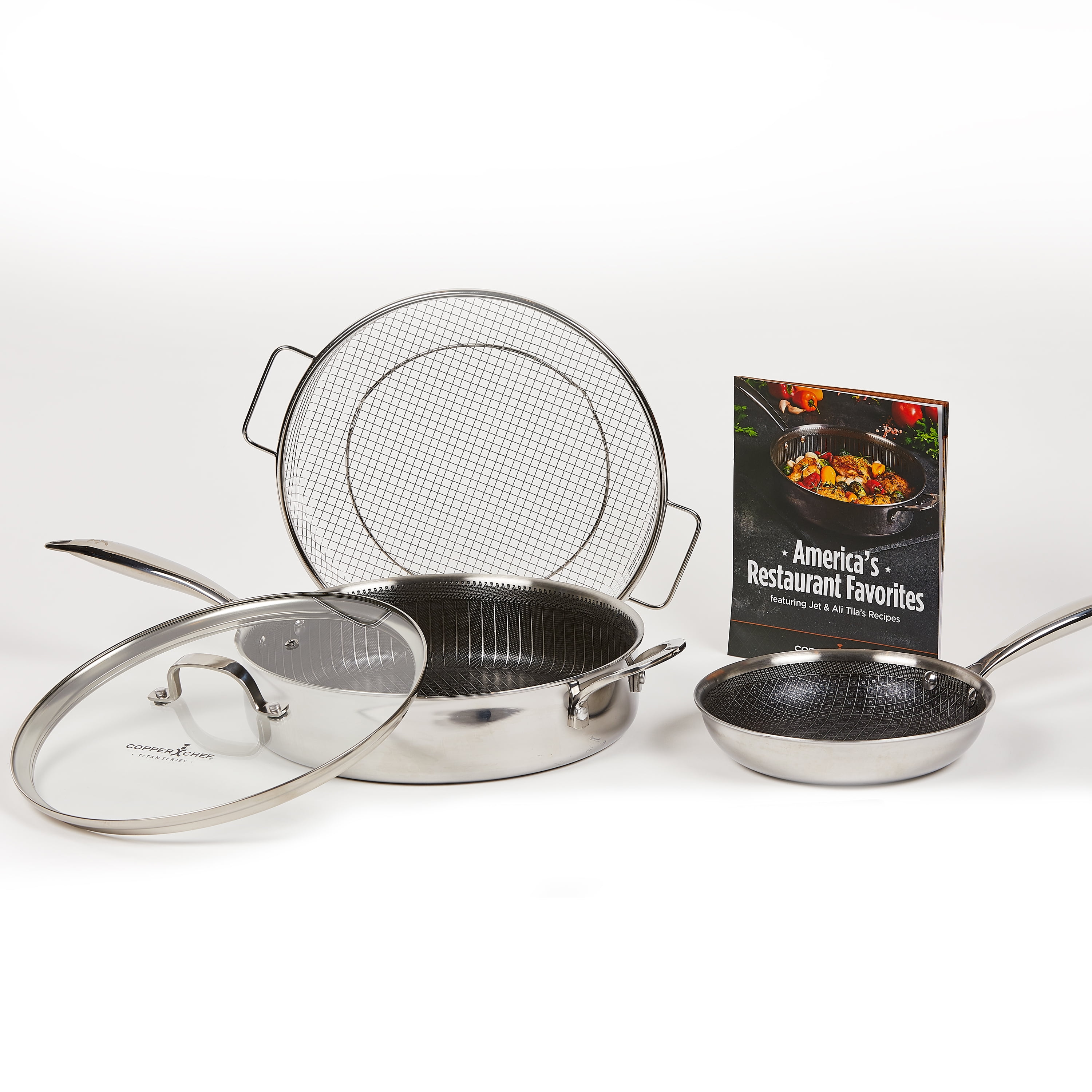
The material used in Copper Chef cookware plays a key role in its safety and cooking performance. Understanding the different parts of the cookware helps decide if it is safe for daily use. Copper Chef is known for its unique design and materials that offer durability and ease of cooking. The cookware combines a special nonstick coating with strong metals for the core and exterior. Each part affects how the cookware heats, cooks, and cleans.
Nonstick Coating Composition
Copper Chef cookware features a nonstick coating that is designed to prevent food from sticking. This coating is an important factor in both the cooking experience and safety. It allows you to use less oil or butter, making meals healthier. The coating is made without harmful chemicals such as PFOA (Perfluorooctanoic acid), which some older nonstick pans contain.
Key points about the Copper Chef nonstick coating:
- Made from ceramic-infused materials: This provides durability and heat resistance.
- Free from PFOA and PTFE: Safer for cooking at high temperatures.
- Scratch-resistant surface: Helps keep the cookware in good condition longer.
- Easy to clean: Less food sticks, so washing is simpler.
The combination of ceramic and other safe materials in the coating means it can handle everyday cooking. It resists peeling and flaking better than some traditional coatings. Still, using wooden or silicone utensils helps protect the surface. Avoid using metal tools that may scratch the coating and reduce its lifespan.
Core And Exterior Metals
The core and exterior of Copper Chef pans are made of metals chosen for heat conduction and durability. These metals work together with the nonstick coating to provide even cooking and long-lasting use.
Details of the metals used:
| Part | Material | Benefits |
|---|---|---|
| Core | Aluminum | Lightweight, excellent heat conductor, heats evenly to avoid hot spots |
| Exterior | Stainless Steel | Strong, resistant to rust and corrosion, easy to clean |
The aluminum core quickly spreads heat across the pan’s surface. This helps cook food uniformly, preventing burning or undercooking. The stainless steel exterior adds toughness and a polished look. It also protects the pan from damage and helps it last longer.
These metals do not react with food, which keeps the taste pure and safe. The combination of aluminum and stainless steel is common in quality cookware. It gives Copper Chef pans both good heat control and physical strength.

Credit: www.amazon.com
Health Considerations
When choosing cookware, health is a top priority. Copper Chef cookware is popular, but many wonder about its safety. Understanding health considerations helps you decide if this cookware fits your needs. This section covers key topics like chemical exposure and allergen risks. These points reveal how Copper Chef impacts your cooking and well-being.
Potential Chemical Exposure
Copper Chef cookware has a non-stick coating that combines ceramic and copper elements. This design aims to reduce the use of harmful chemicals. The most common concern is exposure to toxic substances during cooking.
Important facts about Copper Chef’s coating:
- The ceramic coating is free from PTFE and PFOA, chemicals linked to health risks.
- Copper is a natural element but coated cookware prevents direct contact with food.
- High heat may cause the coating to degrade over time, potentially releasing small particles.
Studies show that Copper Chef’s materials are generally safe for normal cooking temperatures. Still, avoid overheating the pan above 500°F (260°C). At extreme temperatures, the coating can break down faster.
| Factor | Impact on Safety |
|---|---|
| Non-stick coating | PTFE and PFOA free, safer than traditional non-stick pans |
| Overheating risk | Can cause coating damage, possible chemical release |
| Durability | Coating lasts longer with moderate heat and proper care |
To reduce risks, use Copper Chef cookware within recommended temperature limits. Avoid metal utensils that can scratch the surface. Scratches may expose underlying metals, increasing chemical exposure.
Allergen Risks
Copper Chef cookware may pose allergen risks for some people. These risks come from the metal components or coatings used in the pans. Understanding these helps protect those with sensitivities.
Key allergen considerations include:
- Nickel sensitivity: Some Copper Chef pans contain a small amount of nickel in the metal layers.
- Copper allergy: Rare but possible reaction to copper if coating is damaged.
- Cross-contact: Using the cookware for allergenic foods without proper cleaning can cause reactions.
People with metal allergies should be cautious. If the coating is intact, food does not usually touch the metal directly. Scratched or worn pans may increase allergen exposure. Copper Chef recommends avoiding sharp utensils to keep the surface safe.
Here is a simple guide for allergen safety with Copper Chef cookware:
- Check for visible damage or scratches on the pan surface.
- Use silicone, wooden, or plastic utensils to avoid scratching.
- Clean thoroughly after cooking allergenic foods.
- Replace cookware if coating wears off to prevent metal exposure.
- Consult a doctor if you have metal allergies before using Copper Chef.
Following these steps helps minimize allergen risks while enjoying Copper Chef cookware.
Performance And Durability
Performance and durability are key factors when choosing cookware. Copper Chef cookware is popular for its unique design and materials. Many wonder if it can handle daily cooking tasks without wearing out. This section explores how Copper Chef performs in heat distribution and its resistance to scratches. Understanding these points helps decide if this cookware fits your kitchen needs.
Heat Distribution
Copper Chef cookware uses a thick aluminum core with a ceramic non-stick coating. This design helps spread heat evenly across the surface. Even heat means food cooks uniformly, reducing burnt spots or undercooked areas.
- Fast heating: The aluminum core quickly absorbs heat, saving cooking time.
- Consistent temperature: Heat moves smoothly, so food cooks at the right speed.
- Energy efficient: Less heat loss means less gas or electricity used.
Here is a simple comparison of Copper Chef heat distribution versus standard pans:
| Feature | Copper Chef | Standard Pan |
|---|---|---|
| Heat Spread | Even | Uneven |
| Heat Up Time | Fast | Slow |
| Hot Spots | Minimal | Common |
Good heat distribution means food cooks better and cleanup is easier. Copper Chef’s design helps prevent hot spots that burn food. This makes it a reliable choice for everyday cooking.
Scratch Resistance
Durability depends on how well the cookware resists scratches. Copper Chef uses a ceramic non-stick coating. This coating is tougher than traditional non-stick layers.
Key points about Copper Chef’s scratch resistance:
- Hard ceramic coating: Resists scratches from metal utensils better than many pans.
- Care tips: Using wooden or silicone tools helps keep the surface intact.
- Long-lasting finish: The coating stays smooth and non-stick after many uses.
Scratch resistance extends the cookware’s life. It keeps the surface safe from peeling or flaking. This protects your food and health.
| Material | Scratch Resistance | Recommended Utensils |
|---|---|---|
| Copper Chef Ceramic | High | Wood, Silicone, Nylon |
| Traditional Non-stick | Medium | Plastic, Wood |
| Cast Iron | Very High | Metal, Wood |
Overall, Copper Chef cookware offers strong scratch resistance with proper care. It works well for people who want durable, easy-to-clean cookware that lasts.
Cleaning And Maintenance
Proper cleaning and maintenance play a vital role in keeping Copper Chef cookware safe and effective. The right care prevents damage to its non-stick surface and avoids any unwanted chemical reactions. Understanding how to clean and maintain this cookware ensures it stays in good shape and lasts longer. This section covers the best cleaning methods and practical tips for extending the life of Copper Chef products.
Safe Cleaning Methods
Cleaning Copper Chef cookware requires gentle handling to protect its ceramic non-stick coating. Avoid harsh scrubbing or abrasive materials that can scratch or wear down the surface. Follow these safe cleaning practices:
- Cool Down Before Washing: Let the cookware cool before cleaning to prevent warping.
- Use Warm, Soapy Water: Wash with mild dish soap and a soft sponge or cloth.
- Avoid Steel Wool and Harsh Scrubbers: These can damage the ceramic coating.
- Remove Stubborn Stains Naturally: Use a paste of baking soda and water or soak in vinegar solution.
- Rinse Thoroughly: Ensure no soap residue remains to keep the surface non-stick.
- Dry Immediately: Use a soft towel to dry and prevent water spots or rust on metal parts.
The table below summarizes what to do and what to avoid during cleaning:
| Do | Don’t |
|---|---|
| Use soft sponges or cloths | Use steel wool or abrasive pads |
| Wash with mild soap and water | Use harsh chemicals or bleach |
| Cool cookware before washing | Wash immediately when hot |
| Dry cookware thoroughly | Let cookware air dry |
Longevity Tips
Maintaining Copper Chef cookware extends its usability and keeps it safe for cooking. Simple daily habits make a big difference in how long the cookware lasts. Follow these tips for longer-lasting Copper Chef pots and pans:
- Avoid High Heat: Use low to medium heat to protect the ceramic coating from cracking or peeling.
- Use Wooden or Silicone Utensils: Metal tools can scratch the surface.
- Store Properly: Keep cookware dry and stack with care, placing paper towels between pans to avoid scratches.
- Season Occasionally: Lightly oil the cookware surface after cleaning to maintain the non-stick quality.
- Check for Damage: Regularly inspect for chips or cracks and replace if damaged to avoid health risks.
These practices help maintain the cookware’s appearance and cooking performance. Treat Copper Chef cookware gently and it will remain a safe, reliable kitchen tool for years.
Consumer Reviews And Expert Opinions
Many people want to know if Copper Chef cookware is safe before buying. Consumer reviews and expert opinions provide useful insights. These help to understand how the cookware performs in real kitchens and in controlled tests. Both views matter to see if Copper Chef is a good and safe choice for cooking.
User Experiences
Users often share their thoughts on how Copper Chef cookware handles everyday cooking. Most reviews mention the non-stick surface works well for easy food release and cleaning. Many users say the pans heat evenly, which helps cook food better.
Some common points from user reviews include:
- Durability: Many users find the cookware lasts long without scratches or damage.
- Health safety: People feel safe using Copper Chef since it does not release harmful chemicals.
- Ease of use: The pans are lightweight and comfortable to hold.
- Cleaning: Most users say cleaning is simple because food does not stick.
Below is a summary table of typical user feedback:
| Feature | Positive Feedback | Negative Feedback |
|---|---|---|
| Non-stick Performance | Food releases easily, saves oil | Some say coating wears after long use |
| Heating | Heats evenly, cooks well | Occasional hot spots reported |
| Cleaning | Easy to clean by hand | Not all dishwasher safe |
| Durability | Strong and scratch-resistant | Coating can chip if mishandled |
Professional Testing Results
Experts test Copper Chef cookware to check safety and performance under lab conditions. They focus on non-stick coating chemicals, heat distribution, and durability. Most tests show the cookware meets safety standards for food contact.
Key professional findings include:
- Non-toxic coating: No harmful metals or chemicals found in tests.
- Even heat distribution: Pans heat quickly and spread heat evenly.
- Scratch resistance: Surfaces resist scratches from normal kitchen tools.
- Oven safety: Tested pans can handle oven temperatures up to a certain limit safely.
Here is a comparison table from a lab report on Copper Chef cookware:
| Test Aspect | Result | Safety Level |
|---|---|---|
| PTFE & PFOA presence | None detected | Safe |
| Heat distribution | High uniformity | Excellent |
| Scratch resistance | Good up to medium force | Reliable |
| Oven temperature tolerance | Up to 850°F (454°C) | Safe within limit |
Experts recommend following manufacturer instructions to keep cookware safe and durable. Avoid metal utensils and overheating to protect the coating.
Credit: www.walmart.com
Frequently Asked Questions
Is Copper Chef Cookware Non-toxic And Safe To Use?
Yes, Copper Chef cookware is non-toxic. It features a ceramic non-stick coating free from harmful chemicals like PFOA and PTFE, making it safe for everyday cooking.
Can Copper Chef Cookware Withstand High Cooking Temperatures?
Copper Chef cookware can handle high heat up to 850°F. Its ceramic coating remains stable and doesn’t release toxins at typical cooking temperatures.
Is Copper Chef Cookware Dishwasher Safe And Durable?
Copper Chef cookware is dishwasher safe but hand washing is recommended to prolong its life. It offers good durability with proper care and usage.
Does Copper Chef Cookware Contain Real Copper?
Copper Chef cookware has a copper-colored ceramic coating but doesn’t contain real copper metal. The name reflects its copper-tone appearance, not actual copper content.
Conclusion
Copper Chef cookware offers good safety for everyday cooking. Its non-stick surface reduces the need for extra oil or butter. The materials used are generally free from harmful chemicals. Always follow the care instructions to keep the cookware in good shape.
Avoid using metal utensils to prevent scratches. Regular cleaning helps maintain its safe cooking surface. Choosing Copper Chef can make cooking easier and healthier. Safe, simple, and effective—this cookware fits many kitchens well.

Hello, This is Annie Walker, a 38-year-old blogger, founder, and editor of Cookware Guider from NY, USA. I am a cookware fanatic and passionate cooker. I love to cook with different types of cooking appliances (example: all types of cookware, rice cookers, slow cookers, etc) almost every day in my kitchen. I love to share my experience with my readers in my blog. Also, I enjoy helping people to solve their problems through my website. You can follow me on Twitter & Pinterest. To know details about my blog please check the about us page.