
When it comes to choosing cookware, safety is probably at the top of your list. You want pots and pans that won’t harm your health or ruin your meals.
If you’ve heard about Scanpan cookware, you might be wondering: Is Scanpan cookware safe to use every day? You’re not alone. Many home cooks and chefs trust Scanpan, but it’s important to know the facts before making your decision. You’ll discover what makes Scanpan cookware unique, how it affects your health, and whether it lives up to its safety claims.
Keep reading to find out if Scanpan is the right choice for your kitchen.
Credit: www.scanpan.com
Scanpan Material Quality
Scanpan cookware stands out due to its strong focus on material quality. This focus ensures safety, performance, and durability in the kitchen. The brand uses unique materials and coatings that make its products reliable for everyday cooking. Understanding these materials helps answer the question: Is Scanpan cookware safe? Quality materials reduce risks of harmful chemicals and improve cooking results. Below, we explore key aspects of Scanpan’s material quality, including its nonstick coating, ceramic titanium use, and durability features.
Nonstick Coating Composition
Scanpan uses a special nonstick coating that is different from many other brands. This coating is called Stratanium, which is free from PFOA (perfluorooctanoic acid), a chemical linked to health concerns. The coating is made using physical vapor deposition (PVD) technology, which bonds the layers tightly to the pan’s surface. This process creates a strong, long-lasting nonstick layer without harmful chemicals.
Key points about Scanpan’s nonstick coating:
- PFOA-free: No toxic chemicals used in the coating process.
- Strong bond: The PVD method prevents peeling and flaking.
- Safe cooking: The coating releases no harmful fumes, even at high temperatures.
- Easy cleaning: Food slides off easily, reducing the need for excessive oil or butter.
The table below compares Scanpan’s Stratanium coating with traditional nonstick coatings:
| Feature | Scanpan Stratanium | Traditional Nonstick |
|---|---|---|
| PFOA Content | None | May contain |
| Durability | High | Medium |
| Heat Resistance | Up to 500°F (260°C) | Up to 400°F (204°C) |
| Cleaning Ease | Excellent | Good |
Use Of Ceramic Titanium
Scanpan uses ceramic titanium technology in some cookware lines to improve strength and nonstick ability. This material combines ceramic and titanium particles inside the coating. It creates a surface that is harder and more resistant to wear than standard nonstick surfaces.
Ceramic titanium coatings provide several benefits:
- Enhanced scratch resistance: The titanium particles protect the ceramic layer.
- Better heat distribution: Even cooking with fewer hot spots.
- Non-toxic surface: No harmful chemicals, making it safe for food contact.
- Eco-friendly: Ceramic components reduce environmental impact during production.
This combination allows Scanpan pans to handle daily use without losing their nonstick properties quickly. The ceramic titanium surface also tolerates metal utensils better than many other nonstick pans. It is a popular choice for users who want safe and durable cookware with easy food release.
Durability And Scratch Resistance
Durability is a key factor in Scanpan’s cookware design. The brand focuses on creating pans that last for years without damage. The multiple layers of coating and the use of strong materials help resist scratches from utensils and cleaning tools.
Scanpan cookware offers:
- Multi-layer construction: Several layers improve strength and wear resistance.
- Hard anodized aluminum base: Provides a solid, warp-resistant foundation.
- Resistance to metal utensils: Less chance of scratching compared to typical nonstick pans.
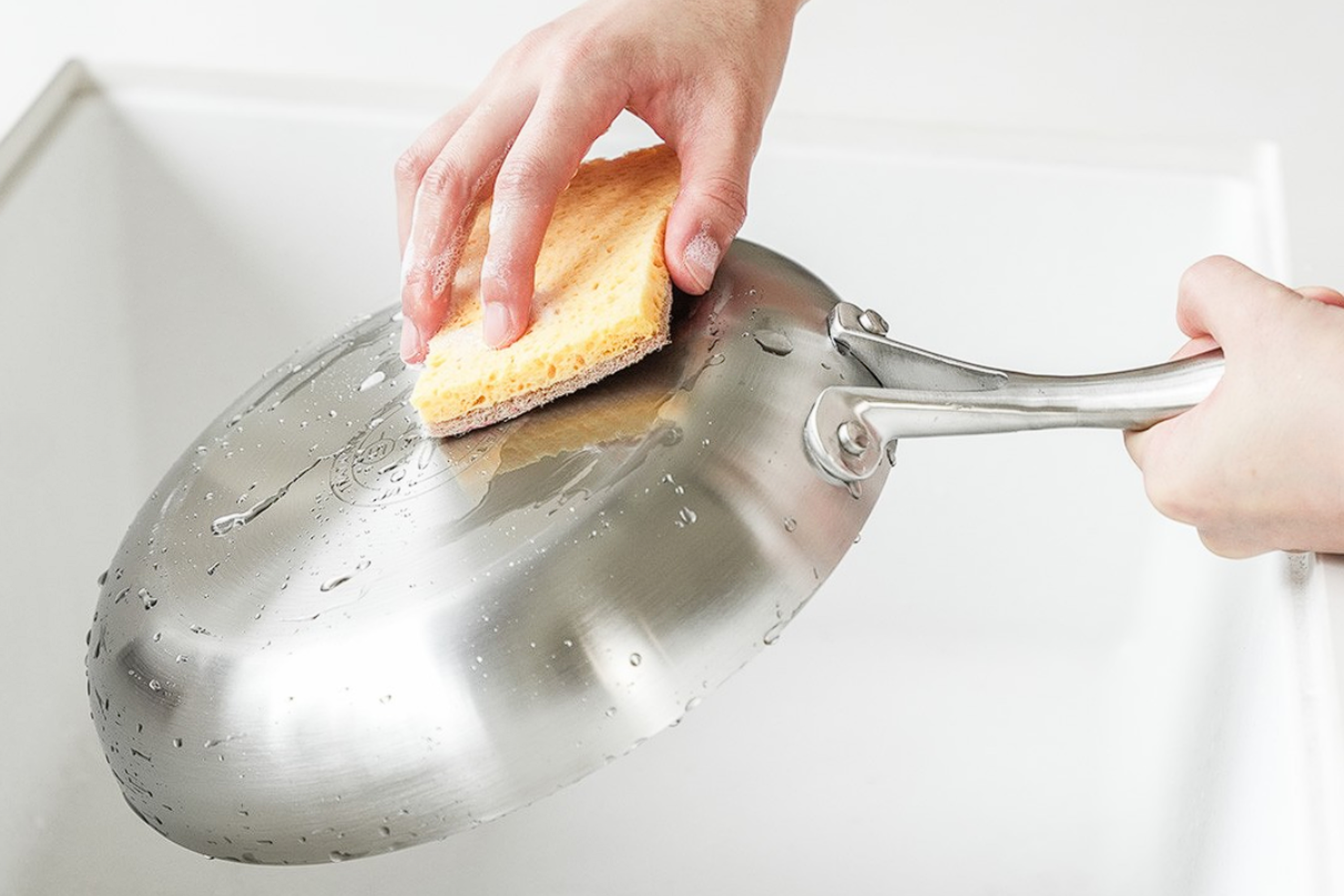
- Easy maintenance: Cleaning with soft sponges keeps the surface smooth and intact.
Using softer cleaning tools and avoiding harsh abrasives extends the pan’s life. Even with regular use, Scanpan maintains its cooking performance and surface integrity. This durability makes it a safe investment for those wanting long-lasting, high-quality cookware.
Health And Safety Standards
Scanpan cookware is popular for its non-stick surface and durability. Many people ask if it is safe to use, especially regarding health and safety standards. Understanding these standards helps decide if Scanpan is a good choice for your kitchen. This section covers key points about Scanpan’s safety, focusing on harmful substances, official regulations, and chemical emissions.
Pfoa And Ptfe Concerns
Many cookware brands use coatings that contain PFOA and PTFE. These chemicals have raised health concerns over time. PFOA (Perfluorooctanoic acid) is a man-made chemical used in making non-stick coatings. It can be harmful if it enters the body in large amounts. PTFE (Polytetrafluoroethylene) is a polymer that makes the non-stick surface.
Scanpan cookware is made without PFOA. This means it does not contain this harmful chemical during production or use. The company uses a ceramic-titanium coating that is free from PFOA and other toxic substances.
- PTFE is present in Scanpan’s coating, but it is stable and safe under normal cooking temperatures.
- PTFE only breaks down and releases harmful fumes if overheated above 450°C (842°F).
- Normal cooking does not reach these temperatures.
Scanpan’s focus on avoiding PFOA and using a strong, stable PTFE coating makes it safer than many traditional non-stick pans. Users should still avoid overheating to keep the cookware safe and effective.
Compliance With Fda Regulations
The FDA sets strict rules for cookware safety in the USA. These rules ensure that materials used in cooking do not release harmful substances into food. Scanpan meets all FDA food contact standards. This means the coatings and metals used are tested and approved for safe cooking.
Key points about Scanpan’s FDA compliance:
- Materials do not leach chemicals into food at normal cooking temperatures.
- Coatings are durable and do not chip or peel easily.
- Regular tests verify that the cookware maintains safety over time.
Here is a simple comparison of Scanpan versus typical non-stick cookware under FDA rules:
| Feature | Scanpan | Typical Non-stick Cookware |
|---|---|---|
| PFOA Content | None | May contain traces |
| FDA Food Contact Approval | Yes | Varies by brand |
| Coating Durability | High | Moderate to low |
This compliance ensures Scanpan cookware is a safe choice for everyday cooking.
Emission Of Harmful Chemicals
One concern with non-stick cookware is the release of harmful fumes during cooking. Overheated PTFE coatings can emit toxic gases. Scanpan’s coating is designed to resist high heat and reduce this risk.
Important facts about Scanpan’s chemical emissions:
- Safe under normal cooking temperatures (below 260°C or 500°F).
- Overheating beyond 450°C can cause PTFE to break down and release fumes.
- Using Scanpan on medium or low heat prevents harmful emissions.
Scanpan recommends not leaving empty pans on high heat for long periods. This practice helps avoid reaching temperatures that cause fumes. Users with birds should be careful since birds are sensitive to any PTFE fumes.
Table below summarizes emission risks:
| Temperature | Risk Level | Emission Details |
|---|---|---|
| Below 260°C (500°F) | Low | No harmful fumes |
| 260°C – 450°C (500°F – 842°F) | Moderate | Possible minor emissions |
| Above 450°C (842°F) | High | PTFE breaks down, toxic fumes released |
Following proper cooking guidelines ensures Scanpan remains safe and healthy for kitchen use.
Performance And Cooking Safety
Performance and cooking safety are essential when choosing cookware. Scanpan is known for its durable build and innovative design. Understanding how Scanpan performs and ensures safety helps users cook confidently. Its materials and construction affect heat distribution, compatibility with ovens and induction cooktops, and safe temperature use.
Heat Distribution Efficiency
Scanpan cookware uses a heavy aluminum core that spreads heat evenly. This design prevents hot spots, so food cooks uniformly. Even heat reduces the risk of burning or undercooking.
- Aluminum Core: Provides fast and even heating.
- Stainless Steel Layer: Adds durability and protects the core.
- Non-stick Coating: Ensures easy food release and cleaning.
Thanks to this construction, Scanpan pans heat quickly and maintain consistent temperatures. This efficiency helps save energy and improves cooking results.
| Feature | Benefit |
|---|---|
| Heavy Aluminum Core | Distributes heat evenly across the surface |
| Stainless Steel Layer | Enhances durability and heat retention |
| Non-stick Surface | Prevents food from sticking and burns |
Overall, Scanpan’s heat distribution supports safe and effective cooking.
Oven And Induction Compatibility
Scanpan cookware fits various cooking surfaces, including ovens and induction stoves. This versatility adds convenience and safety.
- Induction Ready: Magnetic stainless steel allows use on induction cooktops.
- Oven Safe: Most Scanpan pieces withstand oven temperatures up to 500°F (260°C).
- Stovetop Use: Works well on gas, electric, and ceramic stoves.
Scanpan handles maintain their shape and coating even under high heat. This reduces risks of warping or releasing harmful substances.
| Cooking Surface | Scanpan Compatibility | Max Temperature |
|---|---|---|
| Induction Cooktops | Fully compatible | Up to 500°F (260°C) |
| Ovens | Safe for baking and roasting | Up to 500°F (260°C) |
| Gas/Electric Stoves | Works efficiently | Standard stovetop temperatures |
This wide compatibility ensures Scanpan cookware fits most kitchen needs safely.
Safe Temperature Limits
Using cookware within safe temperature limits is key to health and durability. Scanpan non-stick surfaces resist wear but have limits.
Maximum Temperature: Do not exceed 500°F (260°C). Beyond this, coatings may break down.
- Avoid overheating empty pans, which damages the surface.
- Use medium to medium-high heat for best results.
- Follow manufacturer guidelines for temperature use.
Scanpan coatings are free from PFOA and harmful chemicals. This makes cooking safer for families.
| Temperature Range | Recommendation |
|---|---|
| Below 500°F (260°C) | Safe for cooking and oven use |
| Above 500°F (260°C) | Risk of coating damage and toxic fumes |
| Empty Pan Heating | Not recommended to avoid surface damage |
Keeping to these limits maintains Scanpan’s performance and safety over time.

Credit: www.amazon.com
User Experiences And Reviews
Many people wonder about the safety of Scanpan cookware before buying it. User experiences and reviews offer useful insights into how safe this cookware really is. Real feedback from customers helps us understand how Scanpan performs in daily cooking, especially regarding health and durability. This section shares honest opinions from users to help you decide if Scanpan cookware is right for your kitchen.
Customer Feedback On Safety
Most customers report feeling confident about Scanpan cookware safety. The non-stick surface is free from harmful chemicals like PFOA, which many buyers appreciate. Users often mention the peace of mind that comes with cooking on Scanpan pans.
- Non-toxic coating: Many users highlight the ceramic-titanium coating as safe and reliable.
- No chemical odors: Several reviews note the absence of strong smells while cooking.
- Even heat distribution: Customers say food cooks evenly without burning, reducing risks of harmful compounds.
Here is a summary of common positive feedback:
| Aspect | Customer Comments |
|---|---|
| Safety | Non-toxic, no PFOA, good for health |
| Cooking Experience | Even heating, no food sticking, easy cleaning |
| Appearance | Durable finish, stays smooth after months |
Scanpan users mostly trust the product’s safety features. This builds confidence in using it daily without fear of toxins.
Reported Issues Or Concerns
Some users share concerns about Scanpan cookware after long use. A few mention the coating wearing off after several years. Others worry about scratches from metal utensils. These issues can affect safety if the non-stick layer degrades.
- Coating damage: Scratches or chips can expose the metal underneath.
- Durability: Some users feel the non-stick effect fades with time.
- Handle looseness: Rarely, handles may become less tight, raising safety questions.
Common concerns reported in reviews include:
- Use of metal tools damaging the surface
- Cleaning with abrasive sponges causing wear
- Possible discoloration after high heat cooking
While these are not widespread problems, they show the importance of proper care. Careful handling extends the safe use of Scanpan cookware. Avoiding harsh tools and high heat helps maintain the coating’s integrity.
Longevity In Real Kitchens
Scanpan cookware shows good longevity according to many users. Most say their pans stay in good shape for 3 to 5 years or more. The ceramic-titanium coating resists scratches better than traditional non-stick layers.
Here are some real user experiences on durability:
- Many report smooth surfaces even after frequent use
- Some note no loss of non-stick ability after 2 years
- Others mention slight fading but no safety issues
Below is a simple chart showing common lifespan reported by users:
| Years of Use | Percentage of Users | Condition of Cookware |
|---|---|---|
| 1-2 years | 45% | Excellent, like new |
| 3-5 years | 35% | Good, minor wear |
| 5+ years | 20% | Fair, some coating loss |
Proper care helps keep Scanpan pans safe and effective for years. Users recommend gentle cleaning and avoiding high heat for longer life.
Comparison With Other Cookware Brands
Choosing safe cookware is essential for healthy cooking. Scanpan cookware is popular for its safety claims. Comparing Scanpan with other brands helps understand its true value. This section breaks down safety features, materials, and price to give a clear picture. Knowing how Scanpan stands against competitors assists in making smart choices for your kitchen.
Safety Features Compared
Scanpan cookware uses a ceramic titanium non-stick coating called Stratanium. It is free from PFOA, PFOS, lead, and cadmium. These chemicals can be harmful and are found in some older cookware coatings. Scanpan highlights its non-toxic nature and durability.
Here is a comparison of safety features with other common brands:
| Brand | PFOA/PFOS Free | Lead & Cadmium Free | Oven Safe Temp | Non-stick Durability |
|---|---|---|---|---|
| Scanpan | Yes | Yes | Up to 500°F (260°C) | High (Ceramic titanium coating) |
| Tefal | Yes | Yes | Up to 400°F (204°C) | Medium (PTFE coating) |
| Cuisinart | Yes | Yes | Up to 350°F (177°C) | Medium (PTFE coating) |
| Lodge (Cast Iron) | Yes | Yes | Up to 500°F (260°C) | Not applicable (seasoned cast iron) |
Scanpan’s coating avoids harmful chemicals and lasts longer than many PTFE coatings. It also handles higher oven temperatures safely. Cast iron is safe but requires maintenance and seasoning. Non-stick coatings like Tefal and Cuisinart may wear faster or release fumes if overheated.
Material And Coating Differences
Scanpan cookware mainly uses heavy-gauge aluminum for fast, even heating. The ceramic titanium coating adds strength and safety. This coating is harder than standard non-stick surfaces and resists scratches better.
Other brands use different materials and coatings:
- Aluminum with PTFE (Teflon) coating: Common in many non-stick pans but may degrade faster.
- Stainless steel: Durable and safe but less non-stick and heavier.
- Cast iron: Natural non-stick with seasoning, very durable but requires care.
Scanpan’s ceramic titanium coating does not release toxins even when scratched. PTFE coatings can release fumes if overheated above 500°F. Stainless steel and cast iron do not have non-stick coatings but are safe for all cooking styles.
The following table shows key material and coating differences:
| Cookware | Material | Coating Type | Scratch Resistance | Non-stick Quality |
|---|---|---|---|---|
| Scanpan | Aluminum | Ceramic Titanium | High | Excellent |
| Tefal | Aluminum | PTFE | Medium | Good |
| All-Clad | Stainless Steel | None | Very High | Low |
| Lodge | Cast Iron | Seasoned Surface | Very High | Medium (with seasoning) |
Price Vs Safety Value
Scanpan cookware often costs more than basic non-stick pans. The higher price reflects better materials and safer coatings. Investing in Scanpan means less worry about toxic chemicals or worn-out surfaces.
Here are some points to consider about price and safety value:
- Longer lifespan: Scanpan’s coating lasts longer, reducing replacement costs.
- Health protection: Free from harmful chemicals, safer for daily use.
- Better cooking performance: Even heat distribution reduces burnt food risks.
- Warranty: Scanpan offers warranties that support its safety claims.
Basic non-stick pans may cost less but can wear quickly and release toxins if damaged. Stainless steel and cast iron offer safety but lack non-stick ease and may need more care.
Example price comparison (approximate):
| Cookware Brand | Price Range (Set) | Safety Rating | Durability |
|---|---|---|---|
| Scanpan | $250 – $400 | High | Long-lasting |
| Tefal | $100 – $200 | Medium | Moderate |
| All-Clad Stainless Steel | $300 – $500 | High | Very long-lasting |
| Lodge Cast Iron | $50 – $150 | High | Very long-lasting |
Choosing Scanpan means paying more upfront for safety and durability. Cheaper options risk faster wear and possible health concerns. Stainless steel and cast iron offer safe choices but differ in cooking style and weight.
Credit: lojasbeirario.com.br
Frequently Asked Questions
Is Scanpan Cookware Non-toxic And Safe To Use?
Yes, Scanpan cookware is non-toxic and safe. It features a PFOA-free ceramic titanium coating, preventing harmful chemical release during cooking.
Can Scanpan Cookware Withstand High Cooking Temperatures?
Scanpan cookware can handle high temperatures up to 500°F. Its durable surface resists warping and maintains performance under intense heat.
Does Scanpan Cookware Contain Harmful Chemicals Like Pfoa Or Ptfe?
No, Scanpan cookware is free from PFOA and PTFE. It uses a patented ceramic titanium coating that is eco-friendly and safe.
Is Scanpan Safe For Use On Induction Cooktops?
Yes, Scanpan cookware is compatible with all cooktops, including induction. Its stainless steel base ensures even heat distribution on induction surfaces.
Conclusion
Scanpan cookware offers strong safety features for everyday cooking. Its non-toxic materials help keep food healthy. The pans resist scratching and last for years. They heat evenly, making cooking easier and better. Many users trust Scanpan for safe kitchen use.
Choosing this cookware can support a healthier lifestyle. Safe, durable, and reliable—Scanpan stands out in the kitchen. Simple care keeps your pans working great. A smart choice for safe and easy cooking.

Hello, This is Annie Walker, a 38-year-old blogger, founder, and editor of Cookware Guider from NY, USA. I am a cookware fanatic and passionate cooker. I love to cook with different types of cooking appliances (example: all types of cookware, rice cookers, slow cookers, etc) almost every day in my kitchen. I love to share my experience with my readers in my blog. Also, I enjoy helping people to solve their problems through my website. You can follow me on Twitter & Pinterest. To know details about my blog please check the about us page.