
Are you wondering if Calphalon hard anodized cookware is safe for your kitchen and your health? Choosing the right cookware is important because it affects how your food tastes and how healthy your meals are.
You want something durable, easy to clean, and, most importantly, safe to use every day. You’ll discover the truth about Calphalon’s hard anodized pans, what makes them special, and whether they are a smart choice for your cooking needs. Keep reading to find out everything you need to know before making your next cookware purchase.
:max_bytes(150000):strip_icc()/rsp-nonstick-cookware-test-calphalon-classic-hard-andoized-10-piece-aquashield-wdickey-549-53494aa5f45547499d1e5acf5fabad9d.jpeg)
Credit: stoller.com.tr
Calphalon Hard Anodized Features
Calphalon Hard Anodized cookware is popular for its strong build and cooking performance. Understanding its features helps decide if it is safe and right for your kitchen. This cookware stands out because of its unique material, special manufacturing process, and excellent durability. These features contribute to its safety and long-lasting use.
Material Composition
Calphalon Hard Anodized cookware is made from aluminum that undergoes a hard anodizing process. This process changes the metal’s surface to make it stronger and more resistant to damage.
- Core Material: Heavy-gauge aluminum
- Surface Layer: Hard anodized aluminum oxide
- Nonstick Coating: Some models include a PFOA-free nonstick layer
The aluminum core provides excellent heat conduction, allowing food to cook evenly. The anodized layer makes the surface harder than regular aluminum. This layer is non-reactive, meaning it will not react with acidic or alkaline foods. The nonstick coating, when present, helps prevent food from sticking and makes cleaning easier.
| Component | Purpose | Benefit |
|---|---|---|
| Aluminum Core | Heat conduction | Even cooking |
| Hard Anodized Surface | Strength and protection | Scratch and corrosion resistance |
| Nonstick Coating | Food release | Easy cleaning |
Manufacturing Process
The cookware is made using a hard anodizing process, which changes aluminum into a tough and durable material. This process involves several steps:
- Cleaning: The aluminum is cleaned to remove dirt and oils.
- Anodizing: The metal is placed in an acid bath and an electric current passes through it.
- Hardening: The anodized layer thickens and becomes very hard.
- Coating: A nonstick layer may be added after anodizing.
This process makes the cookware resistant to corrosion, scratches, and wear. The anodized surface is also less porous than untreated aluminum, so it does not absorb food odors or flavors. This helps keep your food tasting fresh.
The manufacturing process ensures safety by using materials and coatings that do not release harmful chemicals during cooking. The absence of PFOA in the nonstick coating is important for health-conscious buyers.
Durability And Scratch Resistance
Calphalon Hard Anodized cookware is known for its strong and durable surface. It resists scratches better than regular aluminum or some nonstick pans. This means it can handle metal utensils and rough use without damage.
- Hard anodized surface: Much harder than standard aluminum
- Scratch resistance: Handles metal spatulas and scrubbing
- Corrosion resistance: Does not rust or pit easily
The cookware’s durability helps it last many years in a busy kitchen. It keeps its smooth finish and nonstick properties longer than some other pans. This reduces the risk of flakes or chips getting into your food.
To keep your cookware in good condition:
- Use wooden, silicone, or plastic utensils.
- Clean gently with non-abrasive sponges.
- Avoid high heat that can wear down coatings.
Following these tips ensures your Calphalon cookware stays safe and effective for a long time.
Health And Safety Considerations
Calphalon Hard Anodized Cookware is popular for its durability and cooking performance. People often ask if it is safe to use for daily cooking. Health and safety considerations focus on the materials and coatings used. Understanding these aspects helps you make informed choices for your kitchen and family. Safety depends on how the cookware is made and how it interacts with food during cooking.
Non-toxic Coating Benefits
Calphalon Hard Anodized Cookware features a non-toxic coating that makes it safe for cooking. The hard anodized aluminum surface is treated to become non-reactive and resistant to scratches. This means food does not come into contact with harmful metals or chemicals. The coating is designed to prevent food from sticking without the use of toxic substances.
- Safe Cooking Surface: The anodized layer creates a strong barrier between food and aluminum.
- Durability: Resists scratches and wear, reducing the chance of coating breakdown.
- Non-reactive: Does not react with acidic or alkaline foods, preserving flavor and safety.
- Easy to Clean: The smooth surface helps prevent food buildup, reducing bacterial growth.
This coating helps maintain healthy cooking by avoiding the release of harmful substances. It also supports even heat distribution, which improves cooking results. The non-toxic nature means you can cook daily without worrying about harmful chemicals leaching into your meals.
Potential Chemical Exposure
Though Calphalon Hard Anodized Cookware uses safe materials, some concerns exist about chemical exposure. The anodization process seals the aluminum, but damage to the surface can expose metal underneath. Using metal utensils or harsh cleaning tools may cause scratches. These scratches might lead to:
- Release of small amounts of aluminum into food.
- Potential reaction with acidic foods, changing taste and safety.
- Wearing down of the non-stick coating over time.
It is important to use wooden or silicone utensils and gentle cleaning methods. Avoiding extreme heat also helps maintain the protective layer. Most users will not face significant chemical exposure if they care for the cookware properly.
| Risk Factor | Cause | Impact | Prevention |
|---|---|---|---|
| Surface Scratches | Metal utensils, abrasive scrubbers | Aluminum exposure, coating damage | Use silicone/wood utensils, soft sponges |
| High Heat | Cooking on very high temperatures | Coating degradation, chemical release | Cook on medium or low heat |
| Acidic Foods | Cooking tomato, vinegar-based dishes | Possible metal reaction if coating damaged | Check for scratches before use |
Fda And Regulatory Approvals
Calphalon Hard Anodized Cookware meets safety standards set by major regulatory bodies. The Food and Drug Administration (FDA) regulates materials that contact food. This cookware complies with FDA rules, ensuring it is safe for household use. The anodized aluminum surface passes tests for chemical leaching and food safety.
Other certifications and approvals include:
- Prop 65 Compliance: Limits exposure to harmful chemicals in cookware sold in California.
- European Food Safety Authority (EFSA): Ensures materials meet EU standards.
- Third-Party Testing: Independent labs test the cookware for toxins and durability.
These approvals confirm the cookware is safe for everyday cooking. Manufacturers follow strict guidelines during production to avoid contamination. Users can trust that Calphalon cookware meets high safety standards and does not contain harmful substances.
Performance In Everyday Cooking
Choosing the right cookware affects daily cooking quality and safety. Calphalon Hard Anodized Cookware is known for durability and good performance. Understanding its performance in everyday cooking helps to see if it meets your kitchen needs. This section breaks down key aspects like heat distribution, nonstick properties, and maintenance.
Heat Distribution
Calphalon hard anodized cookware heats evenly, reducing hot spots. This means food cooks uniformly without burning in some areas while staying raw in others. The hard anodized aluminum base spreads heat quickly and retains it well. This makes cooking more efficient and saves energy.
Key points about heat distribution:
- Fast heating: Aluminum core heats up quickly.
- Even cooking: Heat spreads across the entire surface.
- Temperature control: Allows precise cooking at low or high heat.
| Feature | Benefit |
|---|---|
| Hard Anodized Aluminum | Excellent heat conduction and durability |
| Thick Base | Prevents warping and uneven heat |
| Oven Safe | Supports versatile cooking methods |
Overall, heat distribution in Calphalon cookware helps cook meals evenly and improves food texture. This is important for everyday dishes like stir-fries, sauces, and sautés that need constant temperature.
Nonstick Properties
Calphalon hard anodized cookware features a strong nonstick coating. This coating reduces food sticking and makes cooking less stressful. You can cook delicate foods like eggs and fish without tearing or breaking them.
Benefits of the nonstick surface include:
- Easy food release: Minimal oil or butter needed.
- Healthier cooking: Less fat required for cooking.
- Simple flipping and stirring: Food moves smoothly on the pan.
The nonstick coating is durable but not indestructible. Use wooden, silicone, or plastic utensils to avoid scratches. Avoid high heat because it can damage the coating and reduce its lifespan.
Here is a quick guide to nonstick use:
- Use medium to low heat.
- Use non-metal utensils only.
- Hand wash gently with a soft sponge.
Nonstick properties make Calphalon cookware safe and convenient for everyday cooking. It helps create delicious meals with less mess and less oil.
Maintenance And Cleaning
Proper care keeps Calphalon hard anodized cookware performing well for years. Cleaning after each use prevents buildup and maintains the nonstick surface.
Here are key maintenance tips:
- Hand wash recommended: Use warm soapy water and a soft sponge.
- Avoid abrasive tools: Steel wool or harsh scrubbers can scratch the surface.
- Dry immediately: Prevents water spots and corrosion.
- Do not soak: Prolonged soaking can damage the finish.
For tough stains, soak briefly and use a baking soda paste to scrub gently. Avoid dishwasher use because strong detergents and high heat can wear down the coating over time.
Here is a simple care routine:
1. Cool pan before cleaning. 2. Wash with mild soap and soft sponge. 3. Rinse and dry thoroughly. 4. Store carefully to avoid scratches.Following these steps keeps the cookware safe and effective. Proper maintenance ensures it stays in good shape and lasts for a long time.
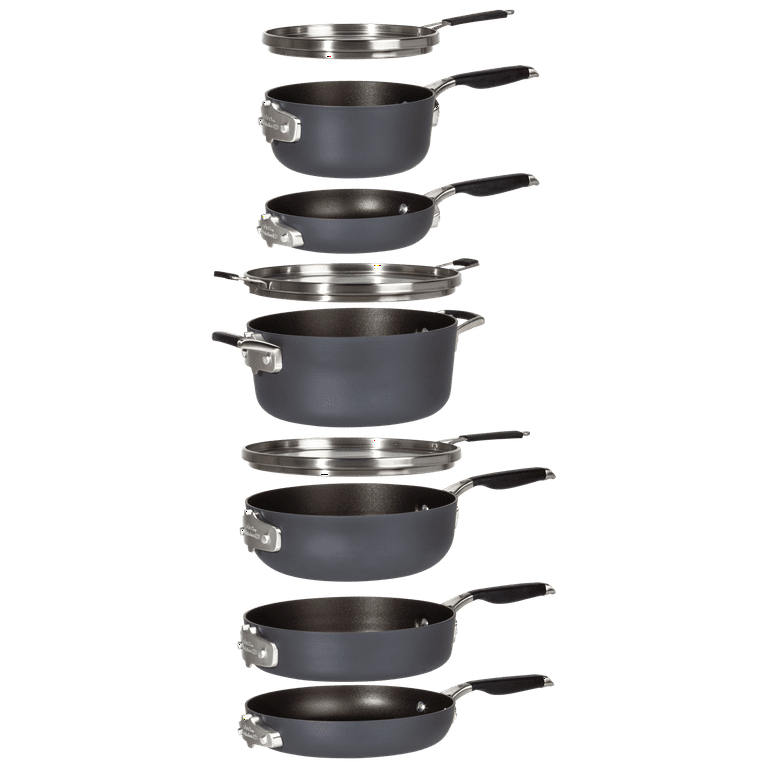
Credit: www.walmart.com
Comparing Alternatives
Choosing safe cookware matters for health and cooking quality. Calphalon Hard Anodized Cookware is popular for durability and nonstick surface. To understand its safety, comparing it with other common cookware types helps. Each option has unique benefits and drawbacks. This comparison covers stainless steel, ceramic, and cast iron cookware. It guides picking the right cookware based on safety, maintenance, and cooking needs.
Stainless Steel Cookware
Stainless steel cookware is a common choice in many kitchens. It is made from a blend of metals, mainly iron, chromium, and nickel. This blend makes it resistant to rust and corrosion. Stainless steel does not react with acidic or alkaline foods. This means it won’t change the taste of your food.
Advantages of stainless steel cookware include:
- Durability: It can last many years without damage.
- Easy to clean: Most pieces are dishwasher safe.
- High heat tolerance: It can handle high cooking temperatures.
- Non-reactive surface: Safe for all types of food.
Some downsides are:
- Food can stick if not used properly.
- It may take longer to heat up compared to other materials.
- Some cheaper versions may leach metals if the surface is damaged.
| Feature | Stainless Steel | Calphalon Hard Anodized |
|---|---|---|
| Nonstick Surface | No | Yes |
| Durability | High | High |
| Reactivity with Food | None | Minimal |
| Maintenance | Easy | Moderate |
Stainless steel is safe and versatile. It suits cooking that requires browning and deglazing. It is also free from coating chemicals that may concern some users.
Ceramic Cookware
Ceramic cookware often refers to pots and pans coated with a ceramic-based layer. This coating is nonstick and free of PTFE and PFOA chemicals. It is made from natural minerals baked at high temperatures. Ceramic cookware is popular for healthy cooking with less oil.
Benefits of ceramic cookware include:
- Non-toxic coating: No harmful chemicals in the nonstick layer.
- Even heat distribution: Cooks food uniformly.
- Easy to clean: Food does not stick much.
- Lightweight: Easier to handle than cast iron.
Drawbacks to consider:
- The ceramic coating can wear out or chip over time.
- Not as durable as metal cookware.
- May require careful use to avoid scratching.
- Heat tolerance is lower than hard anodized or stainless steel.
Here is a quick comparison:
| Feature | Ceramic | Calphalon Hard Anodized |
|---|---|---|
| Nonstick | Yes | Yes |
| Durability | Medium | High |
| Chemical-Free | Yes | No (contains nonstick coating) |
| Heat Resistance | Moderate | High |
Ceramic cookware is a safe alternative if you prefer non-toxic surfaces. It works best for low to medium heat cooking. Use gentle utensils to keep the coating intact.
Cast Iron Cookware
Cast iron cookware is known for its strength and heat retention. It is made from molten iron poured into molds. Cast iron pans can last for decades if cared for properly. They develop a natural nonstick surface called a seasoning layer.
Benefits of cast iron cookware:
- Excellent heat retention: Keeps food warm for a long time.
- Durable: Can withstand high heat and rough use.
- Natural nonstick: Improves with use and proper seasoning.
- Adds iron to food: May benefit those with iron deficiency.
Drawbacks to consider:
- Heavy and bulky to handle.
- Requires seasoning and maintenance to prevent rust.
- Can react with acidic foods, affecting taste.
- Not dishwasher safe.
| Feature | Cast Iron | Calphalon Hard Anodized |
|---|---|---|
| Nonstick | Natural (seasoned) | Yes (coated) |
| Durability | Very High | High |
| Maintenance | High (seasoning needed) | Moderate |
| Weight | Heavy | Light to Medium |
Cast iron suits slow cooking, frying, and baking. It is a healthy option if you like natural cookware. Regular care keeps it safe and effective for years.
User Experiences And Reviews
Many users share their thoughts about Calphalon Hard Anodized Cookware. Their experiences help us understand how safe and effective this cookware is in real kitchens. Reviews from everyday cooks show both strengths and weaknesses, giving a clear picture beyond the product description.
Common Complaints
Some users report issues with Calphalon Hard Anodized Cookware. One frequent complaint is about the non-stick surface wearing off after some months. This can happen if the cookware is not cleaned or stored properly.
- Non-stick coating peeling: Some say the coating starts to chip after heavy use.
- Handles getting hot: A few users mention the handles become hot during cooking, causing discomfort.
- Weight concerns: Some find the pans a bit heavy, making them harder to handle.
Here is a quick summary of common complaints:
| Issue | Description | Frequency |
|---|---|---|
| Non-stick coating wear | Coating peels or scratches easily | Medium |
| Handles get hot | Handles heat up during cooking | Low to Medium |
| Heavy weight | Pans feel heavy for some users | Low |
These issues do not appear for everyone, but they are worth noting for safety and comfort.
Positive Feedback
Many users praise Calphalon Hard Anodized Cookware for its performance and safety. The hard anodized surface is tough and resists scratches better than regular non-stick pans.
- Even heating: Users report food cooks evenly without hot spots.
- Good non-stick quality: Many find the surface easy to clean and food does not stick easily.
- Durable build: The cookware feels solid and lasts long with proper care.
- Safe for family use: Users trust the cookware because it does not release harmful chemicals while cooking.
Positive comments often mention how this cookware helps them cook healthier meals with less oil. Below is a list of benefits frequently highlighted:
- Durable hard anodized surface
- Even heat distribution
- Non-stick performance
- Easy cleaning
- Safe material for everyday cooking
Long-term Usage Insights
Long-term users share valuable insights on Calphalon Hard Anodized Cookware safety and durability. Many say the cookware holds up well after years of use, with proper care.
Some tips from experienced users include:
- Use wooden or silicone utensils to protect the surface.
- Avoid metal scrubbers that can damage the coating.
- Hand wash instead of dishwasher for longer life.
Users notice that the cookware maintains its non-stick ability and does not leach harmful substances after months or years. Here is a comparison table based on long-term user feedback:
| Aspect | After 1 Year | After 3+ Years |
|---|---|---|
| Non-stick quality | Mostly intact | Some minor wear, still effective |
| Surface damage | Rare if cared for | Minimal scratches or chips |
| Safety perception | High confidence | Continued trust in non-toxic use |
Overall, long-term users feel Calphalon Hard Anodized Cookware remains a safe choice with consistent performance.
Tips For Safe Use
Using Calphalon Hard Anodized Cookware safely helps keep it in top condition. This cookware is known for durability and even heating. Following simple tips can protect its surface and extend its life. These tips focus on heat control, utensil use, and proper storage. Safe use also ensures your food cooks well and stays healthy.
Avoiding High Heat Damage
Calphalon Hard Anodized Cookware handles heat better than many others. Still, very high heat can harm the cookware’s surface and shorten its lifespan.
- Use medium or medium-high heat: This level cooks food well without stressing the cookware.
- Avoid empty heating: Never heat the pan empty for a long time, as it can cause warping or damage.
- Turn off heat promptly: Once cooking is done, turn off the burner to avoid overheating.
Here is a simple guide for heat levels and their effects:
| Heat Level | Effect on Cookware | Recommended Use |
|---|---|---|
| Low | Safe, preserves coating | Simmering, warming |
| Medium | Safe for most cooking | Sautéing, frying |
| High | Use briefly, avoid empty pan | Boiling, searing |
| Very High | Can cause damage | Not recommended |
Following these steps prevents warping, discoloration, and loss of nonstick performance. It keeps your cookware safe and reliable for years.
Proper Utensil Choices
Choosing the right utensils protects the hard anodized surface. Metal tools can scratch or chip the cookware coating.
Use these utensils for best care:
- Wooden utensils: Gentle on the surface and long-lasting.
- Silicone tools: Heat resistant and soft, ideal for stirring and flipping.
- Nylon spatulas: Safe but avoid near very high heat as they can melt.
Avoid these to keep your cookware safe:
- Metal forks, spoons, and knives
- Abrasive scrapers or brushes
- Sharp objects that can scratch the surface
Here is a quick comparison table for utensils:
| Utensil Type | Surface Safety | Heat Resistance |
|---|---|---|
| Wooden | Excellent | Good |
| Silicone | Excellent | Excellent |
| Nylon | Good | Moderate |
| Metal | Poor – causes scratches | Excellent |
Using the right utensils keeps the cookware’s surface smooth and nonstick. It helps food cook evenly without sticking or burning.
Storage Recommendations
Proper storage protects Calphalon Hard Anodized Cookware from scratches and dents. It also keeps the cookware clean and ready for use.
Follow these storage tips:
- Use pan protectors or cloth: Place soft cloth or pan protectors between stacked pans to avoid scratches.
- Store in a dry place: Moisture can cause discoloration or rust on some parts.
- Keep lids separate: Store lids separately or upside down to prevent damage to the glass or handles.
- Hang when possible: Use hooks or a rack to hang pans, saving space and avoiding damage.
Here is a table summarizing storage do’s and don’ts:
| Action | Recommended | Reason |
|---|---|---|
| Use pan protectors/cloth | Yes | Prevents scratches |
| Stack pans without protection | No | Causes surface damage |
| Store in dry place | Yes | Prevents rust and discoloration |
| Keep lids on pans | No | Risk of damage or warping |
| Hang pans | Yes | Saves space and protects |
Good storage habits help keep your cookware looking new. They also make cooking easier and more enjoyable.

Credit: www.calphalon.com
Frequently Asked Questions
Is Calphalon Hard Anodized Cookware Non-toxic?
Yes, Calphalon hard anodized cookware is non-toxic. Its surface is chemically treated to prevent aluminum leaching. This makes it safe for everyday cooking without harmful chemicals or metals contaminating your food.
Can Calphalon Hard Anodized Cookware Withstand High Heat?
Calphalon hard anodized cookware can handle medium to high heat safely. However, avoid extreme temperatures to maintain its non-stick coating and durability. It distributes heat evenly, preventing hot spots and ensuring efficient cooking.
Is Calphalon Hard Anodized Cookware Dishwasher Safe?
Most Calphalon hard anodized cookware pieces are dishwasher safe. However, hand washing is recommended to extend the cookware’s lifespan and preserve the non-stick surface. Always check the specific product care instructions for best results.
Does Calphalon Hard Anodized Cookware Release Aluminum?
No, Calphalon hard anodized cookware does not release aluminum. The hard anodizing process creates a sealed, non-reactive surface. This prevents aluminum from leaching into food, making it safe for regular cooking.
Conclusion
Calphalon hard anodized cookware offers strong and safe cooking options. Its surface resists scratches and does not release harmful chemicals. This cookware heats evenly, helping food cook well without burning. Proper care keeps it lasting for years. Many people trust it for daily cooking needs.
Choose Calphalon if you want durable and safe pots and pans. Safe cooking starts with good tools. This cookware fits that need perfectly.

Hello, This is Annie Walker, a 38-year-old blogger, founder, and editor of Cookware Guider from NY, USA. I am a cookware fanatic and passionate cooker. I love to cook with different types of cooking appliances (example: all types of cookware, rice cookers, slow cookers, etc) almost every day in my kitchen. I love to share my experience with my readers in my blog. Also, I enjoy helping people to solve their problems through my website. You can follow me on Twitter & Pinterest. To know details about my blog please check the about us page.