
Are you worried about the safety of your non-stick cookware? You’re not alone.
Many people wonder if the pans and pots they use every day could be harmful to their health. What if the easy cleanup and cooking convenience come with hidden risks? Understanding the truth behind non-stick surfaces can help you make smarter choices for your kitchen and your family.
Keep reading to discover what you need to know to keep your meals—and your health—safe.
Non-stick Cookware Basics
Non-stick cookware is popular in many kitchens because it makes cooking and cleaning easier. These pans and pots have a special coating that stops food from sticking to the surface. This feature helps cook food with less oil or butter, which can be healthier. Understanding the basics of non-stick cookware can help you decide if it is safe and right for your cooking needs. Knowing what materials are used and the common types available is a good start.
Materials Used
Non-stick cookware mainly gets its non-stick ability from a coating applied to the base material. The base is usually made from metals that conduct heat well, such as aluminum or stainless steel. The coating is what prevents food from sticking.
Common materials for non-stick coatings include:
- PTFE (Polytetrafluoroethylene): Known by the brand name Teflon, PTFE is the most common non-stick coating. It is safe when used at low to medium heat but can release harmful fumes if overheated.
- Ceramic coatings: Made from a silica-based gel, ceramic coatings are free from PTFE and PFOA chemicals. They can handle higher heat but may wear out faster.
- Hard-anodized aluminum: This is aluminum treated to create a hard, non-stick surface. It is durable and resistant to scratches.
- Silicone coatings: Used mainly for bakeware, silicone provides a flexible non-stick surface but is less common for frying pans.
| Material | Main Feature | Heat Resistance | Durability |
|---|---|---|---|
| PTFE (Teflon) | Excellent non-stick | Up to 260°C (500°F) | Moderate |
| Ceramic | Chemical-free, eco-friendly | Up to 450°C (842°F) | Lower than PTFE |
| Hard-anodized Aluminum | Durable and scratch-resistant | Up to 260°C (500°F) | High |
| Silicone | Flexible, mostly for bakeware | Up to 230°C (446°F) | Moderate |
Understanding these materials helps know the strengths and limits of your cookware. Always use the correct heat level to keep the coating safe and effective.
Common Types
Non-stick cookware comes in different types based on the coating and construction. Each type has its benefits and suits different cooking styles.
- Teflon-coated pans: These are widely used for frying and sautéing. They offer smooth food release and easy cleaning but need gentle care to avoid scratches.
- Ceramic-coated cookware: These pans are popular for healthy cooking because they use fewer chemicals. They can tolerate higher heat but may lose their coating faster.
- Hard-anodized cookware: Combines durability and non-stick features. These pans are heavier but resist dents and scratches well.
- Cast iron with enamel coating: Offers a natural non-stick surface with good heat retention. It is heavier and requires special cleaning methods.
| Type | Best For | Care Tips |
|---|---|---|
| Teflon-coated | Everyday frying, eggs, pancakes | Use wooden or silicone tools, avoid high heat |
| Ceramic-coated | High-heat cooking, sautéing | Wash gently, avoid metal utensils |
| Hard-anodized | Durable cooking, frequent use | Hand wash recommended, avoid metal tools |
| Enamel-coated cast iron | Slow cooking, searing | Hand wash, avoid sudden temperature changes |
Choosing the right type depends on your cooking habits and how much care you want to give your cookware. Each type offers different safety and durability levels.

Credit: www.thewellnesscorner.com
Health Concerns
Non-stick cookware has become popular due to its convenience and easy cleanup. Yet, many people worry about possible health risks. Understanding the health concerns linked to non-stick cookware helps make safer choices in the kitchen. This section explains key issues related to chemical coatings and overheating risks.
Chemical Coatings
Most non-stick cookware uses a chemical coating called PTFE (polytetrafluoroethylene), known by the brand name Teflon. This coating helps food slide off easily and prevents sticking. While convenient, some chemicals in these coatings may raise health questions.
Here are important facts about chemical coatings:
- PTFE is stable at normal cooking temperatures and generally considered safe.
- Older non-stick pans sometimes used PFOA (perfluorooctanoic acid), a chemical linked to health risks. Most modern cookware is PFOA-free.
- When the coating is scratched or damaged, tiny particles can mix with food, which some people want to avoid.
Here is a simple comparison of common chemicals in non-stick cookware:
| Chemical | Use | Health Concerns | Status Today |
|---|---|---|---|
| PTFE (Teflon) | Non-stick coating | Safe under 260°C (500°F) | Common in modern cookware |
| PFOA | Former processing aid | Linked to cancer and other risks | Mostly phased out since 2015 |
Buying non-stick cookware from trusted brands ensures safer chemical use. Look for labels stating “PFOA-free” and avoid damaged pans.
Risks Of Overheating
Overheating non-stick pans can release harmful fumes. These fumes may cause flu-like symptoms known as “polymer fume fever.” This happens when the pan exceeds 260°C (500°F). Such high heat is rare in normal cooking but possible if pans are left empty on high heat.
Key points about overheating risks include:
- Heat above 300°C (572°F) can break down the coating and release toxic fumes.
- Symptoms of fume exposure include headache, chills, and fever.
- Pets, especially birds, are very sensitive to these fumes.
Safe use tips to avoid overheating:
- Do not preheat an empty non-stick pan.
- Use medium or low heat settings for cooking.
- Ensure good kitchen ventilation.
- Replace pans with peeling or flaking coatings.
Understanding overheating risks helps keep your kitchen safe and your cookware long-lasting.
Scientific Studies
Scientific studies help us understand if non-stick cookware is safe for daily use. Researchers have tested these pans to check if they release harmful chemicals during cooking. They also studied the effects on human health. This section shares key research findings and expert opinions to give clear information about non-stick cookware safety.
Research Findings
Many studies focus on the main concern: the release of toxic fumes or chemicals from non-stick coatings. Most non-stick pans use polytetrafluoroethylene (PTFE), commonly known as Teflon. Research shows that PTFE is stable at normal cooking temperatures (below 260°C or 500°F). Problems appear only if the pan overheats.
- At high temperatures (above 350°C or 662°F), PTFE can break down and release fumes.
- These fumes may cause a temporary flu-like condition called “polymer fume fever” in humans.
- Studies confirm that normal cooking temperatures rarely reach these unsafe levels.
- Perfluorooctanoic acid (PFOA), once used in making non-stick coatings, was linked to health risks.
- Manufacturers stopped using PFOA after 2015 due to these concerns.
| Study | Focus | Key Result |
|---|---|---|
| Environmental Science & Technology (2015) | PFOA exposure | PFOA phased out, reducing health risks |
| Journal of Toxicology (2019) | PTFE fumes at high heat | Fumes cause polymer fume fever only above 350°C |
| Food and Chemical Toxicology (2021) | Non-stick cookware safety | No harmful effects at normal cooking temperatures |
Overall, research finds that properly used non-stick pans are safe. Avoid overheating to prevent any risk. Use low to medium heat settings for best results.
Expert Opinions
Experts agree that non-stick cookware is safe if used correctly. Food safety specialists and chemists provide advice on safe use and risks. Many warn against heating empty pans or using very high heat.
- Food safety experts: Use non-stick pans on low to medium heat to avoid fumes.
- Chemists: PTFE coatings do not release toxins at normal cooking temperatures.
- Health organizations: Recommend avoiding damaged or scratched non-stick surfaces.
- Manufacturers: Emphasize following instructions for temperature limits.
Experts also suggest these tips for safe use:
- Do not preheat empty pans on high heat.
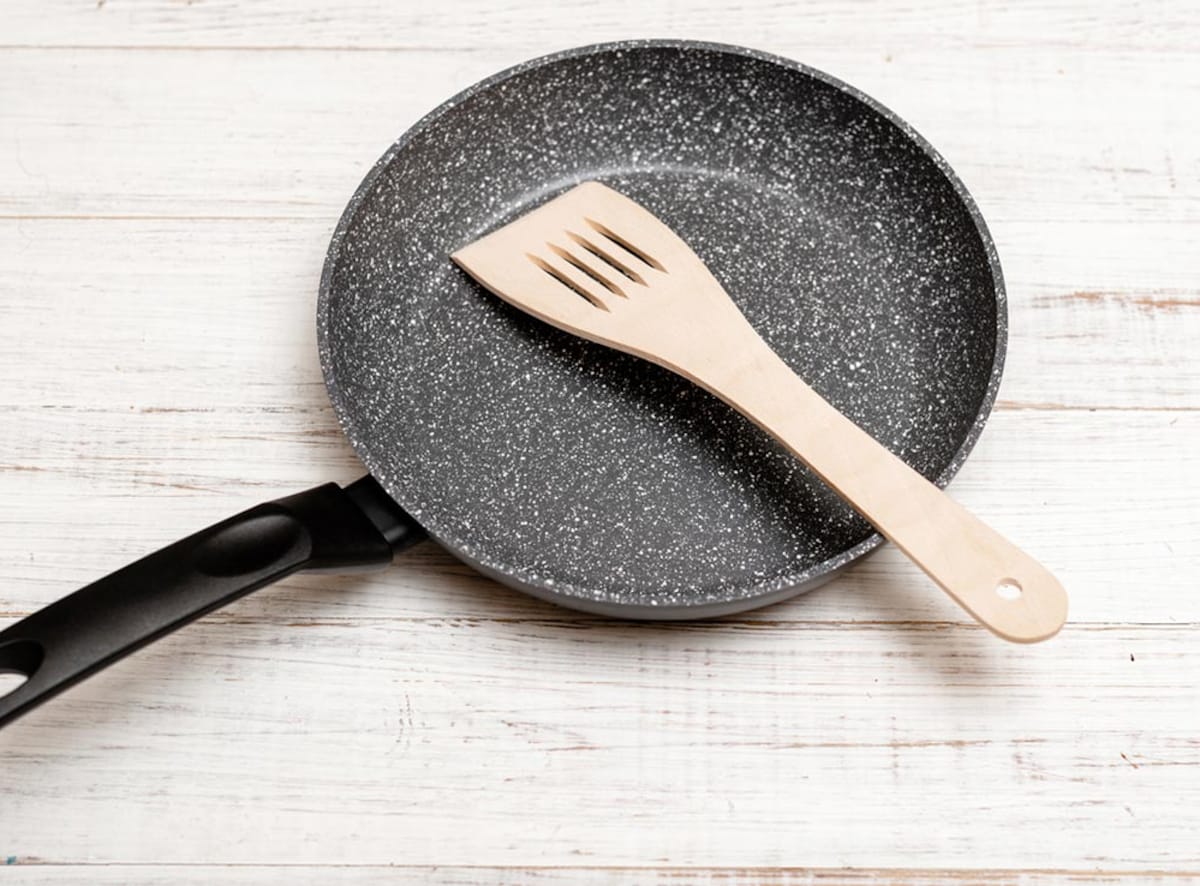
- Use wooden or silicone utensils to avoid scratching.
- Replace pans with damaged coatings.
- Ventilate the kitchen well during cooking.
Below is a summary of expert advice:
| Expert Group | Advice |
|---|---|
| Food Safety Specialists | Cook on low to medium heat, avoid overheating |
| Chemists | PTFE safe below 260°C, no toxin release at normal use |
| Health Agencies | Discard pans with scratched or peeling coatings |
| Manufacturers | Follow care instructions, avoid metal utensils |
Non-stick cookware remains popular due to easy cleaning and cooking. Using it safely reduces any health risks. Experts and research both support this view.
Credit: food.ndtv.com
Safe Usage Tips
Using non-stick cookware can make cooking easier and cleanup faster. To keep it safe and last longer, follow some simple safe usage tips. These tips help prevent damage to the non-stick surface and avoid harmful chemicals from releasing. Proper care keeps your food healthy and your pans in good shape.
Temperature Control
One of the most important steps to use non-stick cookware safely is controlling the heat. Non-stick coatings can break down if the pan gets too hot, releasing toxic fumes. These fumes can cause health problems if inhaled in large amounts. To avoid this, keep the temperature moderate.
- Avoid high heat: Use low to medium heat for cooking. Most non-stick pans work well at these temperatures.
- Do not preheat empty pans: Heating a pan without food can cause the surface to get too hot quickly.
- Use an oven-safe temperature: Check the manufacturer’s instructions for the highest safe oven temperature for your pan.
Here is a simple temperature guide for non-stick cookware:
| Heat Level | Temperature Range | Safe Usage |
|---|---|---|
| Low | Below 250°F (121°C) | Good for simmering and slow cooking |
| Medium | 250°F to 350°F (121°C to 177°C) | Ideal for most frying and sautéing |
| High | Above 350°F (177°C) | Not recommended; can damage coating |
Use a kitchen thermometer or stove settings to keep the heat under control. This protects the non-stick layer and keeps cooking safe.
Proper Cleaning Methods
Cleaning non-stick cookware the right way keeps the coating intact and safe for cooking. Harsh cleaning can scratch or wear off the non-stick surface. Use gentle methods to clean your pans after each use.
Follow these cleaning tips:
- Cool down first: Let the pan cool before washing. Sudden temperature change may warp the pan.
- Use warm soapy water: Wash with a soft sponge and mild dish soap.
- Avoid abrasive tools: Do not use steel wool, scouring pads, or harsh scrubbers.
- Remove stuck food gently: Soak the pan in warm water for a few minutes to loosen residue.
- Dry completely: Wipe dry with a soft cloth to avoid water spots and rust on metal parts.
Here is a quick cleaning do’s and don’ts table:
| Do’s | Don’ts |
|---|---|
| Use soft sponges or cloths | Use metal scrubbers or steel wool |
| Wash with warm, soapy water | Use harsh chemical cleaners |
| Dry pans completely after washing | Put hot pans directly into cold water |
Following these cleaning methods helps keep your non-stick pans safe and effective for a long time.
Alternatives To Non-stick
Non-stick cookware offers easy cooking and cleaning, but safety concerns lead many to seek alternatives. Some non-stick coatings may release harmful chemicals at high heat. Choosing the right cookware depends on your cooking style and health preferences. Several options provide durability, heat retention, and safe cooking without non-stick coatings. These alternatives include cast iron, stainless steel, and ceramic cookware.
Cast Iron
Cast iron is a classic choice for those who want durable and safe cookware. It heats evenly and holds heat well, making it perfect for frying, searing, and baking. Over time, cast iron develops a natural non-stick surface called seasoning. This seasoning forms when oil polymerizes on the pan’s surface after repeated use.
Benefits of cast iron cookware:
- Long-lasting and tough: Can last for decades with proper care.
- Natural non-stick surface: Improves with use, without chemicals.
- Versatile: Works on stovetops, ovens, and campfires.
- Adds iron to food: Helpful for people with iron deficiencies.
Cast iron needs special care to maintain seasoning. Avoid soap and drying immediately after washing. Regular oiling keeps the surface smooth and rust-free.
| Pros | Cons |
|---|---|
| Excellent heat retention | Heavy and requires maintenance |
| Safe and chemical-free | Can rust if not dried properly |
| Improves with use | Slow to heat up |
Stainless Steel
Stainless steel cookware is another popular non-stick alternative. It is made from a blend of metals that resist rust and corrosion. Stainless steel pans do not have a natural non-stick coating, so food can stick if the pan is not heated properly.
To reduce sticking:
- Preheat the pan on medium heat.
- Add oil and let it heat before adding food.
- Don’t move the food too soon; let it form a crust.
Stainless steel is perfect for high-heat cooking like searing meat and sautéing vegetables. It also doesn’t react with acidic or alkaline foods, preserving the taste.
Advantages of stainless steel cookware:
- Durable and resistant to scratches.
- Easy to clean and dishwasher safe.
- Does not release harmful chemicals.
- Looks shiny and modern in kitchens.
Ceramic Cookware
Ceramic cookware features a smooth, non-stick surface made from inorganic materials. It is free from PTFE and PFOA chemicals commonly found in traditional non-stick pans. Ceramic pans heat evenly and offer good non-stick performance, though the coating may wear down over time.
Key points about ceramic cookware:
- Non-toxic and eco-friendly.
- Works well for low to medium heat cooking.
- Requires gentle cleaning to preserve coating.
- Lightweight and easy to handle.
Unlike traditional non-stick pans, ceramic does not release harmful fumes at high temperatures. However, avoid using metal utensils to prevent scratching. Use wooden or silicone tools instead.
| Feature | Ceramic Cookware |
|---|---|
| Non-stick performance | Good but decreases with use |
| Heat tolerance | Medium heat recommended |
| Safety | Free of toxic chemicals |
| Care | Hand wash recommended |
:max_bytes(150000):strip_icc()/Simply-Recipes-Scratched-Skillet-LEAD-01-b4ce97b15a994f2eacbb729aa4d99bc7.jpg)
Credit: www.simplyrecipes.com
Frequently Asked Questions
Is Non-stick Cookware Toxic To Health?
Non-stick cookware is generally safe when used properly. Avoid overheating above 500°F to prevent toxic fumes. Choose PFOA-free brands for added safety. Proper care extends cookware life and reduces health risks.
Can Non-stick Pans Release Harmful Chemicals?
Non-stick pans can release harmful fumes if overheated. Cooking below recommended temperatures prevents chemical release. Modern non-stick coatings are mostly PFOA-free and safer. Always use cookware as per manufacturer instructions.
How To Safely Use Non-stick Cookware?
Use low to medium heat when cooking. Avoid metal utensils to prevent coating damage. Hand wash with mild detergent, avoid abrasive scrubbing. Store carefully to maintain the non-stick surface.
Are Ceramic Non-stick Pans Safer Than Traditional Ones?
Ceramic non-stick pans are free from PTFE and PFOA chemicals. They are a safer alternative for high-heat cooking. However, they can wear out faster than traditional non-stick. Proper use ensures safety and durability.
Conclusion
Non-stick cookware can be safe when used carefully. Avoid heating it too high or scratching the surface. Choose quality brands that follow safety rules. Clean gently with soft sponges, not metal scrubbers. Replace old pans with damaged coatings to stay safe.
Using non-stick pans right helps keep your food healthy. Cook with care and enjoy easy cleaning. Safety depends on how you handle your cookware daily. Simple habits make a big difference in your kitchen.

Hello, This is Annie Walker, a 38-year-old blogger, founder, and editor of Cookware Guider from NY, USA. I am a cookware fanatic and passionate cooker. I love to cook with different types of cooking appliances (example: all types of cookware, rice cookers, slow cookers, etc) almost every day in my kitchen. I love to share my experience with my readers in my blog. Also, I enjoy helping people to solve their problems through my website. You can follow me on Twitter & Pinterest. To know details about my blog please check the about us page.