
Are you wondering if Nuwave cookware is safe for your family’s health? Choosing the right cookware isn’t just about taste—it’s about keeping your loved ones safe from harmful chemicals.
You want pots and pans that won’t release toxins or damage your food. You’ll discover the facts about Nuwave cookware, how it’s made, and whether it’s a smart choice for your kitchen. Keep reading to make sure you’re cooking safely every time.

Credit: www.amazon.com
Nuwave Cookware Materials
Nuwave cookware is popular for its promise of healthy cooking and easy cleanup. Understanding the materials used in Nuwave cookware helps to know if it is safe for daily use. The materials affect heat distribution, durability, and health safety. This section explains what makes up Nuwave cookware, focusing on the nonstick coating and the base materials. Both parts are important to decide if the cookware meets safety standards and kitchen needs.
Nonstick Coating Composition
The nonstick coating on Nuwave cookware is designed to prevent food from sticking and to reduce the need for oil. This coating is made using a special process that avoids harmful chemicals often found in older nonstick pans.
- PTFE-Free: Nuwave uses a nonstick surface that is free of PTFE (polytetrafluoroethylene), a chemical linked to health concerns when overheated.
- PFOA-Free: The coating does not contain PFOA (perfluorooctanoic acid), which is banned in many countries for safety reasons.
- Non-Toxic Materials: The materials used are generally considered non-toxic and safe for cooking at moderate temperatures.
This coating works well for everyday cooking tasks and offers easy cleaning. It supports healthier meals by allowing less oil or butter. The coating also resists scratching better than traditional nonstick layers.
| Feature | Description | Safety Impact |
|---|---|---|
| PTFE-Free | Does not contain polytetrafluoroethylene | Reduces risk of toxic fumes when heated |
| PFOA-Free | No perfluorooctanoic acid used in coating | Safer for health and environment |
| Durability | Scratch-resistant and long-lasting | Maintains nonstick quality without peeling |
Base Materials Used
The base of Nuwave cookware is built to provide even heat and strong durability. It usually consists of metals that conduct heat well without warping.
- Aluminum Core: Many Nuwave pans use aluminum for fast and even heat distribution.
- Stainless Steel Exterior: Some models feature stainless steel on the outside for strength and resistance to rust.
- Impact-Bonded Base: This technique bonds aluminum to stainless steel, improving heat conduction and base stability.
These materials help maintain consistent cooking temperatures and extend the life of the cookware. The combination also makes pans lighter and easier to handle.
| Material | Purpose | Benefit |
|---|---|---|
| Aluminum | Core for heat conduction | Even heating, quick cooking |
| Stainless Steel | Exterior shell | Durable, rust-resistant, easy to clean |
| Impact-Bonded Base | Combines aluminum and steel | Prevents warping, improves stability |

Credit: www.amazon.com
Health Concerns And Safety
Health concerns and safety are top priorities for anyone choosing cookware. Many people wonder if Nuwave cookware is safe to use daily. Understanding the materials and chemicals involved helps make a clear decision. This section discusses the possible health risks and safety factors related to Nuwave cookware.
Potential Chemical Exposure
Nuwave cookware usually features a non-stick coating. Some non-stick coatings may release chemicals during cooking. These chemicals can mix with food if the cookware is overheated or damaged.
Key points about chemical exposure:
- Non-stick surfaces can break down at high temperatures.
- Damaged coatings may allow chemicals to leach into food.
- Using metal utensils can scratch the surface, increasing risk.
- Proper care and cooking at recommended temperatures reduce exposure.
Here is a simple table showing common risks and safety tips:
| Risk | Description | Safety Tip |
|---|---|---|
| Overheating | Non-stick coatings degrade above 500°F (260°C) | Use medium heat and avoid empty heating |
| Scratches | Scratches may expose base metals and chemicals | Use wooden or silicone utensils only |
| Wear and Tear | Old cookware can release particles | Replace cookware if coating peels or flakes |
Cooking with care minimizes chemical exposure from Nuwave cookware. Following manufacturer instructions enhances safety and durability.
Pfoa And Ptfe Considerations
PFOA (Perfluorooctanoic acid) and PTFE (Polytetrafluoroethylene) are common in non-stick coatings. PFOA is a chemical once used to make PTFE coatings. It raised health concerns due to its persistence in the environment and possible links to illness.
Important facts about PFOA and PTFE:
- Most modern cookware, including Nuwave, is PFOA-free.
- PTFE provides the slick, non-stick surface on Nuwave pans.
- PTFE is stable and safe at normal cooking temperatures.
- Heating PTFE above 500°F (260°C) can release fumes harmful to birds and people.
Consider this comparison table:
| Chemical | Use in Cookware | Health Concerns | Current Status in Nuwave Cookware |
|---|---|---|---|
| PFOA | Formerly used in making PTFE coatings | Linked to cancer and hormone disruption | Not used; Nuwave cookware is PFOA-free |
| PTFE | Non-stick coating material | Safe below 500°F; fumes dangerous if overheated | Used; safe with proper temperature control |
To keep cooking safe, avoid heating empty pans or using very high heat. This prevents PTFE breakdown and harmful fumes. Regular inspection of the cookware surface ensures it stays intact.
Performance And Durability
Performance and durability are key factors when choosing safe cookware. Nuwave cookware aims to deliver both, ensuring lasting use and reliable cooking results. This cookware is designed with materials that resist wear and provide even heating. These features affect how well the cookware works and how long it lasts in the kitchen.
Scratch Resistance
Nuwave cookware features a non-stick coating that stands up well against scratches. The surface is made to resist damage from metal utensils and daily use. This helps keep the cookware looking new and prevents harmful particles from entering food.
Key points about Nuwave’s scratch resistance:
- The non-stick layer is reinforced to prevent peeling and flaking.
- Safe to use with silicone, wooden, or plastic utensils to extend life.
- Cleaning is easier because food does not stick to the surface.
- Scratch resistance helps maintain non-stick performance over time.
Below is a comparison table showing scratch resistance against common cookware types:
| Cookware Type | Scratch Resistance | Recommended Utensils |
|---|---|---|
| Nuwave Non-Stick | High | Silicone, Wood, Plastic |
| Stainless Steel | Medium | Metal, Wood, Silicone |
| Cast Iron | Low | Metal, Wood |
Using the right tools is important to keep the cookware scratch-free. Avoid sharp metal forks or knives during cooking. Instead, choose gentle utensils to protect the surface and maintain safety.
Heat Distribution
Nuwave cookware is made to spread heat evenly across the cooking surface. This means food cooks uniformly without hot spots. Even heat helps prevent burning or undercooking parts of your meal.
Benefits of good heat distribution in Nuwave cookware:
- Consistent cooking results every time.
- Energy-efficient as heat spreads quickly and evenly.
- Reduces the need to stir frequently.
- Preserves the flavor and texture of food.
The base of Nuwave pans often contains an aluminum core or layer. Aluminum is a great conductor of heat, which improves temperature control. This design helps keep the pan hot but prevents overheating.
Here is a simple overview of heat conduction materials used in cookware:
| Material | Heat Conduction | Effect on Cooking |
|---|---|---|
| Aluminum Core | Excellent | Even heat spread, fast heating |
| Stainless Steel | Moderate | Durable but slower heat spread |
| Cast Iron | Good | Retains heat, slow to change temp |
Overall, Nuwave cookware provides stable heat distribution for safer cooking. This helps food cook properly and reduces risks of burning or undercooking. Heat spreads quickly and evenly, saving energy and improving taste.
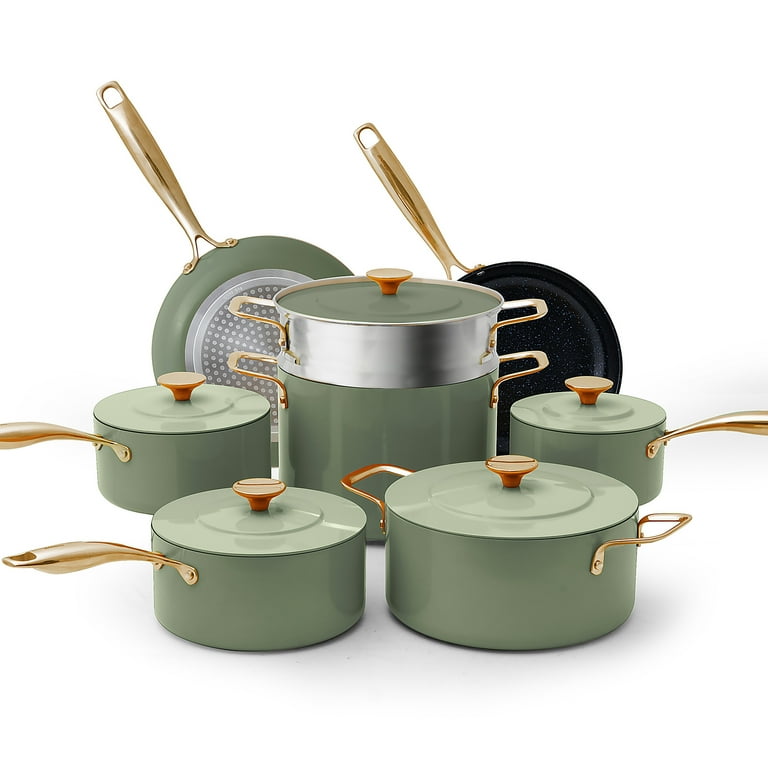
Credit: www.walmart.com
User Reviews And Experiences
User reviews and experiences offer valuable insights into the safety and performance of Nuwave cookware. Real users share their honest thoughts about how the cookware works in everyday cooking. Their feedback helps understand both the strengths and the weaknesses of these products. Many users focus on safety, durability, and cooking results, making their opinions important for anyone considering Nuwave cookware.
Positive Feedback
Many users praise Nuwave cookware for its non-toxic materials and even heating. People often mention how the ceramic coating prevents food from sticking without using harmful chemicals. This feature appeals to those who want safer cooking options.
- Easy to clean: Users find the cookware simple to wash, saving time and effort.
- Durability: Many reviews highlight long-lasting performance without scratches or peeling.
- Versatility: Suitable for different cooking styles, including frying, sautéing, and baking.
- Healthy cooking: Less oil is needed, which supports healthier meals.
Some users also report that Nuwave cookware heats food evenly, reducing hot spots that burn food. This even heat distribution helps cook meals thoroughly and improves taste.
| Feature | User Rating (out of 5) | Comments |
|---|---|---|
| Non-stick surface | 4.5 | Effective and safe without chemicals |
| Durability | 4.2 | Holds up well with regular use |
| Ease of cleaning | 4.7 | Washes quickly without scrubbing |
Common Complaints
Some users mention issues with the cookware’s coating wearing off after several months. This can cause food to stick and reduce the cookware’s safety. These complaints usually come from heavy daily use or improper cleaning methods.
- Coating durability: Peeling or chipping reported by some users.
- Handle heating: A few users say handles get hot during cooking.
- Weight concerns: Some find certain pieces heavier than expected.
- Price: A few feel the cookware is expensive for its lifespan.
Users advise avoiding metal utensils to protect the surface. Using wooden or silicone tools helps extend the cookware’s life. Also, hand washing is recommended instead of dishwashers.
| Issue | Frequency | Suggested Solution |
|---|---|---|
| Coating wear | Moderate | Use non-metal utensils; hand wash only |
| Hot handles | Low | Use pot holders; avoid direct heat on handles |
| Weight | Low | Choose lighter models if preferred |
Comparison With Other Cookware Brands
Choosing the right cookware affects cooking quality and health. Many people wonder if Nuwave cookware is safe compared to other brands. This section compares Nuwave with popular cookware options. It covers safety features and price to help understand its value. Understanding these points helps decide what fits your kitchen and budget.
Safety Features
Nuwave cookware uses non-toxic materials, avoiding harmful chemicals like PFOA and PFAS. Its ceramic non-stick coating is free from metals that can leach into food. This makes it safer than many traditional non-stick pans that use PTFE coatings.
Here are key safety aspects of Nuwave cookware:
- Ceramic coating: Resists scratches and does not release toxic fumes.
- Aluminum base: Lightweight but with a protective layer preventing metal contact with food.
- Oven safe: Can withstand temperatures up to 450°F without damage or toxic release.
- BPA-free handles: Designed to avoid chemical exposure during cooking.
Compared to other brands:
| Feature | Nuwave Cookware | Traditional Non-Stick Brands | Stainless Steel Cookware |
|---|---|---|---|
| Coating Material | Ceramic (Non-toxic) | PTFE (May release fumes if overheated) | No coating (metal surface) |
| Heat Resistance | Up to 450°F | Varies, often lower | Very high |
| Risk of Chemical Leaching | Low | Moderate to high if damaged | Low |
| Durability | Moderate | Lower (coating can wear off) | High |
Nuwave offers a balance of safety and ease of use. Its ceramic surface reduces risks from chemicals found in other non-stick pans. Stainless steel pans are very safe but require more oil and maintenance. Nuwave suits those wanting safer non-stick without heavy metals or chemicals.
Price And Value
Nuwave cookware is priced in the mid-range market. It offers good value for buyers who want non-toxic, easy-to-clean pots and pans. The price reflects quality materials and safety without being too expensive.
Typical price points:
- Individual pans: $30 to $60
- Cookware sets: $100 to $250
Compared to other brands:
| Brand | Price Range (Cookware Sets) | Key Value Points |
|---|---|---|
| Nuwave | $100 – $250 | Non-toxic ceramic coating, lightweight, easy cleaning |
| Teflon-based Non-Stick | $50 – $150 | Affordable, but chemical risks, less durable |
| Stainless Steel | $150 – $400 | Very durable, safe, but heavier and needs more oil |
| Cast Iron | $40 – $200 | Long-lasting, heats evenly, requires maintenance |
Nuwave cookware suits buyers wanting a healthier option at a fair price. It lasts longer than cheap non-stick pans and costs less than premium stainless steel sets. The ease of cleaning and safer materials increase its value.
Choosing Nuwave means investing in cookware that balances safety, price, and usability. It fits well in kitchens focused on health and convenience.
Maintenance And Usage Tips
Nuwave cookware offers a non-stick cooking experience that many find convenient and safe. To keep this cookware in good condition and to ensure safe cooking, following proper maintenance and usage tips is essential. These tips help extend the cookware’s life and maintain its non-stick surface without harmful effects.
Cleaning Recommendations
Cleaning Nuwave cookware correctly prevents damage and keeps it safe for daily use. Always wait until the cookware cools down before cleaning. Sudden temperature changes can warp the cookware or damage the non-stick surface.
- Use warm water and mild dish soap for cleaning.
- Avoid abrasive scrubbers like steel wool or rough sponges.
- Soft cloths or non-abrasive sponges work best to clean the surface.
- Do not use harsh chemical cleaners or bleach.
For stuck-on food, soak the cookware in warm soapy water for 15-20 minutes. This softens residue and makes cleaning easier without scrubbing hard.
| Cleaning Step | What to Do | What to Avoid |
|---|---|---|
| After Use | Let cookware cool, wash with warm soapy water | Avoid cold water on hot cookware |
| Scrubbing | Use soft sponge or cloth | No steel wool or abrasive scrubbers |
| Stubborn Stains | Soak in warm water for 15-20 mins | Do not use harsh chemicals or bleach |
After washing, dry the cookware immediately with a soft towel. This prevents water spots and helps maintain the surface quality.
Proper Cooking Practices
Using Nuwave cookware the right way ensures safe, efficient cooking and protects the non-stick coating. Avoid using metal utensils, which can scratch and damage the surface. Instead, choose wooden, silicone, or plastic utensils.
Cook on low to medium heat. High heat can break down the non-stick layer and release fumes. Preheating on medium heat is best for even cooking and safety.
- Do not overheat empty pans; this can damage the coating.
- Use moderate amounts of oil or butter to enhance cooking and protect the surface.
- Avoid cooking sprays that build residue and reduce non-stick performance.
- Keep cookware away from direct flame if it is not designed for it.
Here is a quick guide to safe temperature and utensil use:
| Practice | Recommendation |
|---|---|
| Heat Level | Low to medium heat only |
| Utensils | Wood, silicone, or plastic utensils |
| Cooking Spray | Avoid for better surface care |
| Preheating | Preheat pan on medium heat before cooking |
Following these cooking practices helps keep Nuwave cookware safe and effective. Proper use avoids damage and ensures meals cook evenly without risk to health.
Frequently Asked Questions
Is Nuwave Cookware Non-toxic And Safe To Use?
Yes, Nuwave cookware is non-toxic. It is free from harmful chemicals like PFOA and PTFE. This ensures safe cooking without toxic fumes or food contamination.
Can Nuwave Cookware Withstand High Cooking Temperatures?
Nuwave cookware can handle moderate to high heat safely. However, avoid using extremely high temperatures to preserve the non-stick coating’s integrity and prevent damage.
Is Nuwave Cookware Dishwasher Safe?
Most Nuwave cookware pieces are dishwasher safe. However, hand washing is recommended to extend the cookware’s lifespan and maintain its non-stick surface effectively.
Does Nuwave Cookware Release Harmful Chemicals When Heated?
No, Nuwave cookware is designed to prevent harmful chemical release. Its non-stick coating is free from toxic substances, ensuring safe cooking at recommended temperatures.
Conclusion
Nuwave cookware offers safe options for everyday cooking. Its materials reduce harmful chemical risks. Cleaning is easy, helping maintain good hygiene. Users report no major health concerns so far. Always follow the manufacturer’s care instructions. This helps keep the cookware in good condition.
Choosing safe cookware supports a healthier kitchen. Nuwave cookware can fit well in many homes. Simple care and proper use matter most. Safe cooking starts with the tools you trust.

Hello, This is Annie Walker, a 38-year-old blogger, founder, and editor of Cookware Guider from NY, USA. I am a cookware fanatic and passionate cooker. I love to cook with different types of cooking appliances (example: all types of cookware, rice cookers, slow cookers, etc) almost every day in my kitchen. I love to share my experience with my readers in my blog. Also, I enjoy helping people to solve their problems through my website. You can follow me on Twitter & Pinterest. To know details about my blog please check the about us page.