
When it comes to choosing cookware, you want something that’s safe, durable, and cooks your food evenly. You’ve probably seen stainless steel pans that mention an aluminum core inside.
But you might wonder, is stainless steel cookware with an aluminum core really safe for your health? You’re not alone in asking this question. Understanding what’s inside your pots and pans can help you make smarter choices for your kitchen and your family.
Keep reading to find out the truth about aluminum cores and how they affect your cooking—and your safety.
Stainless Steel And Aluminum Core Basics
Stainless steel cookware with an aluminum core is popular for its durability and cooking performance. Understanding the basics of both stainless steel and aluminum helps explain why this combination is widely used. This section explains the key properties of stainless steel and aluminum core, and how they work together in cookware.
Properties Of Stainless Steel
Stainless steel is an alloy made mainly of iron, carbon, and chromium. It is known for its strength and resistance to rust and stains. This makes it a durable choice for cookware that lasts for years.
Key properties of stainless steel include:
- Corrosion resistance: Chromium in the steel forms a protective layer, stopping rust.
- Non-reactive surface: Stainless steel does not react with acidic or alkaline foods.
- High durability: It can handle high heat and frequent use without warping.
- Easy maintenance: Stainless steel is simple to clean and often dishwasher safe.
- Attractive finish: It maintains a shiny, polished look for a long time.
Here is a quick overview of stainless steel’s main features:
| Feature | Details |
|---|---|
| Composition | Iron, Chromium, Carbon |
| Corrosion Resistance | High |
| Heat Resistance | Up to 1500°F (815°C) |
| Reactivity | Non-reactive |
| Maintenance | Easy to clean, dishwasher safe |
Benefits Of Aluminum Core
Aluminum is a metal known for its excellent heat conductivity. It heats up quickly and spreads heat evenly. This helps avoid hot spots that can burn food.
Adding an aluminum core to stainless steel cookware improves cooking performance. Key benefits include:
- Fast heating: Aluminum reaches cooking temperature faster than stainless steel.
- Even heat distribution: Heat spreads uniformly across the cooking surface.
- Energy efficient: Cooks food faster, saving energy.
- Lightweight: Aluminum is lighter than other metals, making cookware easier to handle.
Aluminum alone can react with acidic foods and may dent easily. The stainless steel layer protects food and adds strength. This combination offers the best of both metals.
| Benefit | Description |
|---|---|
| Heat Conductivity | High, spreads heat evenly |
| Weight | Light, easy to handle |
| Durability | Protected by stainless steel layer |
| Reactivity | Aluminum core is sealed inside |
How The Core Is Integrated
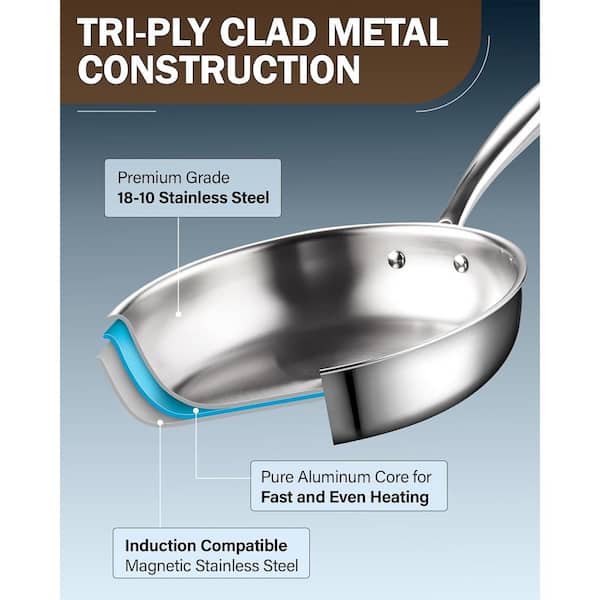
In stainless steel cookware with an aluminum core, the core is placed between layers of stainless steel. This design improves heat performance without exposing food to aluminum.
There are different ways the core is integrated:
- Clad Construction: Multiple metal layers are bonded together. The aluminum core lies inside, sandwiched between stainless steel layers.
- Encapsulated Core: The aluminum is fully enclosed by stainless steel, preventing contact with food.
- Impact Bonding: Aluminum is fused to the base or bottom of the pan to boost heat conduction.
This integration offers:
- Fast, even heating from aluminum
- Durable, non-reactive cooking surface from stainless steel
- Resistance to warping and damage
The thickness of the aluminum core affects cooking quality. Thicker cores mean better heat control but can add weight. Manufacturers balance these factors to create reliable cookware.

Credit: www.liberia.ubuy.com
Safety Concerns With Aluminum
Stainless steel cookware with an aluminum core offers great heat conduction and durability. Still, some people worry about the safety of aluminum in cooking products. The main concern is whether aluminum can leach into food and affect health. Understanding the safety concerns with aluminum helps in making informed choices about cookware.
Aluminum Exposure Risks
Aluminum is a common metal found in many everyday items, including cookware. Small amounts of aluminum can enter the body through food, water, and air. Most healthy people can handle this low-level exposure without problems.
Potential risks of excess aluminum exposure include:
- Bone disorders
- Kidney problems
- Neurological issues
- Aluminum accumulation in the brain
Cooking with aluminum cookware may increase aluminum levels in food, especially if the cookware is scratched or worn. However, stainless steel cookware with an aluminum core usually has a protective stainless steel layer. This layer prevents direct contact between food and aluminum, reducing the risk of aluminum exposure.
| Factor | Risk Level | Notes |
|---|---|---|
| Aluminum cookware (bare) | Moderate to High | Direct contact can increase aluminum in food |
| Stainless steel with aluminum core | Low | Aluminum is sealed inside, minimal leaching |
| Aluminum foil | Low to Moderate | Possible leaching if used with acidic foods |
People with kidney disease or other health issues should be cautious. Their bodies may not remove aluminum efficiently, raising health concerns.
Impact Of Cooking Acids
Acidic foods like tomatoes, vinegar, and citrus can react with metals during cooking. This reaction may increase metal leaching from cookware into food. Aluminum is known to react with acids, which can cause more aluminum to enter food.
Common acidic ingredients:
- Tomato sauce
- Lemon juice
- Vinegar
- Wine
Stainless steel cookware with an aluminum core has a stainless steel surface that does not react with acids. This design protects food from aluminum exposure during cooking acidic foods.
Using cookware with a sealed aluminum core is safer for acidic recipes. It limits metal transfer and maintains food flavor without metallic taste.
Tips to reduce metal leaching:
- Avoid cooking acidic foods for long periods in bare aluminum pots
- Use stainless steel or non-reactive cookware for acidic dishes
- Replace scratched or damaged cookware to prevent exposure
Health Studies And Findings
Scientists have studied aluminum exposure and its effects on health for decades. Most studies show that normal cooking with stainless steel cookware containing an aluminum core is safe.
Key findings from health research:
- Aluminum absorption from sealed cookware is very low
- No strong link between aluminum cookware use and Alzheimer’s disease
- Aluminum exposure through food is minor compared to other sources
- People with kidney problems should monitor aluminum intake
Research confirms that the stainless steel layer in cookware keeps aluminum from mixing with food. This layer acts as a barrier, making it safe for daily use.
Health agencies set safe limits for aluminum intake. These limits are much higher than the small amount possibly released from aluminum-core cookware.
| Health Agency | Recommended Safe Aluminum Intake | Notes |
|---|---|---|
| World Health Organization (WHO) | 2 mg/kg body weight per week | Based on general population studies |
| European Food Safety Authority (EFSA) | 1 mg/kg body weight per week | Conservative safety margin |
| Typical exposure from cookware | <0.1 mg/kg body weight per week | Far below safe limits |
Overall, stainless steel cookware with an aluminum core is safe for most people. Its design keeps aluminum exposure minimal, even during regular cooking.
Durability And Performance
Stainless steel cookware with an aluminum core combines two popular metals to enhance both durability and cooking performance. The stainless steel exterior offers strength and resistance to rust, while the aluminum core improves heat conduction. Together, they create cookware that lasts longer and cooks food more evenly. Understanding how this blend affects durability and performance helps choose the right pots and pans for any kitchen.
Heat Distribution And Retention
Aluminum is known for its excellent heat conduction, which means it spreads heat quickly and evenly. When used as a core inside stainless steel cookware, it ensures there are no hot spots. This even heat distribution helps food cook uniformly without burning in some areas and undercooking in others.
Stainless steel, while strong and durable, does not conduct heat well on its own. The aluminum core solves this problem by providing:
- Fast heating: The cookware heats up quickly, saving cooking time.
- Even heat spread: No cold or hot spots on the cooking surface.
- Consistent temperature: Food cooks evenly throughout.
Heat retention is another important factor. Stainless steel holds heat well, so the cookware stays hot longer once heated. This helps keep food warm after cooking and improves simmering and frying.
| Property | Aluminum Core | Stainless Steel Exterior | Benefit |
|---|---|---|---|
| Heat Conduction | Excellent | Poor | Even cooking with no hot spots |
| Heat Retention | Moderate | Good | Keeps food warm longer |
| Durability | Soft, prone to dents | Hard and resistant | Long-lasting cookware |
Resistance To Warping
Warping happens when cookware bends or twists after exposure to heat. Stainless steel is strong and holds its shape well, reducing the risk of warping. The aluminum core, while softer, is protected inside layers of stainless steel, which prevents damage.
The combination of metals offers:
- Structural support: Stainless steel keeps the pan rigid and stable.
- Heat tolerance: The cookware can handle high temperatures without bending.
- Even expansion: Both metals expand and contract at similar rates, lowering warping risk.
Cookware with an aluminum core inside stainless steel often lasts longer than pure aluminum or thin stainless steel pans. It stands up well to daily use and temperature changes.
| Cookware Type | Warping Resistance | Typical Lifespan |
|---|---|---|
| Stainless Steel with Aluminum Core | High | 10+ years |
| Pure Aluminum | Low | 3-5 years |
| Thin Stainless Steel | Moderate | 5-7 years |
Maintenance And Care
Stainless steel cookware with an aluminum core requires some care to keep it in good shape. The stainless steel surface is durable and resists rust and stains, but it can still show discoloration or marks from cooking.
Best practices for maintenance include:
- Wash with warm, soapy water after each use.
- Use non-abrasive sponges to avoid scratching the surface.
- Dry immediately to prevent water spots.
- For tough stains, soak or use a stainless steel cleaner.
- Avoid high heat when empty to protect the aluminum core.
Dishwasher use is often safe, but hand washing extends the cookware’s lifespan. Avoid harsh chemicals or metal scrubbers that can damage the finish.
Proper care ensures the cookware keeps its performance and appearance for many years. The aluminum core remains protected inside, so the outer stainless steel layer is the main surface to maintain.

Credit: www.amazon.com
Comparing Cookware Materials
Choosing the right cookware affects cooking results and safety. Stainless steel cookware with an aluminum core combines durability and heat conduction. Understanding how it compares to other materials helps make a smart choice. This section breaks down common cookware materials and their pros and cons, focusing on safety and performance.
Stainless Steel Vs. Cast Iron
Stainless steel is popular for its strength, resistance to rust, and easy maintenance. It does not react with acidic foods, keeping flavors pure. It heats evenly when combined with an aluminum core, avoiding hot spots.
Cast iron is heavy and excellent at retaining heat. It can last for decades with care. Cast iron adds iron to food, which can be good for health but may affect taste. It needs seasoning to keep its non-stick surface and prevent rust.
- Weight: Stainless steel is lighter; cast iron is heavy.
- Heat retention: Cast iron holds heat longer.
- Maintenance: Stainless steel is easier to clean.
- Reactivity: Stainless steel is non-reactive; cast iron may react with acidic foods.
| Feature | Stainless Steel | Cast Iron |
|---|---|---|
| Durability | High, rust-resistant | High, needs seasoning |
| Weight | Light to medium | Heavy |
| Heat Conductivity | Moderate, improved with aluminum core | Slow to heat, excellent retention |
| Maintenance | Easy clean, dishwasher safe | Requires seasoning, hand wash |
Aluminum Core Vs. Copper Core
Aluminum and copper cores improve heat distribution in cookware. Both conduct heat faster than stainless steel alone.
Aluminum core is lightweight and affordable. It heats evenly, preventing hot spots. It is safe when enclosed by stainless steel, preventing aluminum exposure to food.
Copper core heats very quickly and offers precise temperature control. It is often favored by professional chefs. Copper requires more care because it can tarnish and react with certain foods if not covered.
- Cost: Aluminum core cookware is usually cheaper.
- Heat control: Copper offers superior control.
- Maintenance: Aluminum cores need little care; copper cores need polishing.
- Safety: Both are safe when sealed inside stainless steel.
| Core Material | Heat Conductivity | Maintenance | Cost |
|---|---|---|---|
| Aluminum | Good, even heat | Low, dishwasher safe | Affordable |
| Copper | Excellent, fast response | High, needs polishing | Expensive |
Non-stick Coatings And Safety
Non-stick coatings make cooking and cleaning easier. Popular coatings include PTFE (Teflon) and ceramic.
PTFE coatings work well at low to medium heat. Overheating can release harmful fumes. Using non-stick pans at temperatures below 500°F reduces risk.
Ceramic coatings are free from PTFE and PFOA. They are safer at high heat but can wear out faster. Avoid metal utensils to protect the surface.
- Use moderate heat to protect non-stick coatings.
- Replace damaged pans to avoid coating flakes in food.
- Choose PFOA-free options for safer cooking.
Stainless steel cookware with aluminum core does not have non-stick coating, so it avoids these risks. It requires oil or fat to prevent sticking but offers a durable, safe surface for cooking.
Choosing Safe Stainless Steel Cookware
Choosing safe stainless steel cookware is essential for healthy cooking and long-lasting kitchen tools. Stainless steel with an aluminum core offers excellent heat distribution and durability. Many wonder if this combination is safe. The good news: stainless steel itself is non-reactive and safe for cooking. The aluminum core is sealed between layers of steel, preventing direct contact with food. This design gives you the best of both metals. Still, not all cookware is made equally. Picking the right product helps avoid health risks and ensures better cooking results. Let’s explore how to choose safe stainless steel cookware with aluminum core.
Identifying Quality Products
High-quality stainless steel cookware stands out by material, construction, and brand reputation. Look for these key signs:
- Grade of Stainless Steel: Choose 18/10 stainless steel. This means 18% chromium and 10% nickel, offering rust resistance and shine.
- Core Construction: The aluminum core should be sandwiched between layers of steel. This keeps aluminum from touching food.
- Weight and Thickness: Heavier pans often mean thicker steel and better heat retention.
- Even Heat Distribution: Check reviews or product details about how evenly the pan heats.
- Brand Reputation: Trusted brands usually maintain strict quality control.
Here is a simple table to compare typical cookware layers:
| Layer | Material | Purpose |
|---|---|---|
| Outer Layer | Stainless Steel | Durability, non-reactive surface |
| Core | Aluminum | Heat conduction |
| Inner Layer | Stainless Steel | Food contact, safety |
Check product labels and descriptions carefully. A well-made aluminum core should never be exposed.
Certifications And Standards
Certifications ensure cookware meets safety and quality requirements. Look for these marks:
- FDA Approval: Indicates materials are food-safe and non-toxic.
- LFGB Certification (Germany): Shows compliance with strict food safety rules.
- ISO Standards: Ensures manufacturing and quality control meet international norms.
- RoHS Compliance: Limits harmful substances in cookware.
These certifications reduce risk of heavy metals or harmful chemicals leaching into food.
Some cookware brands list their testing and certifications on packaging or websites. This transparency helps make safer choices.
Here is a quick reference table for certifications:
| Certification | Region | Focus |
|---|---|---|
| FDA | USA | Food safety, material safety |
| LFGB | Germany | Food contact safety |
| ISO | International | Quality and safety management |
| RoHS | European Union | Restriction of hazardous substances |
Tips For Safe Usage
Using stainless steel cookware with aluminum core safely helps keep food healthy and cookware lasting longer. Follow these tips:
- Avoid High Heat: Use medium or low heat to prevent damage and sticking.
- Preheat Slowly: Warm the pan gradually to avoid warping.
- Use Non-Abrasive Cleaners: Avoid steel wool or harsh scrubbers that can scratch the surface.
- Dry Immediately: Prevent water spots and corrosion by drying pans after washing.
- Do Not Use Acidic Foods for Long: Extended cooking of acidic foods may wear down the surface over time.
- Check for Damage: Discard cookware with cracks or exposed aluminum core.
Proper care extends cookware life and keeps cooking safe. Store pans in dry places and avoid stacking without protection.
Credit: www.homedepot.com
Frequently Asked Questions
Is Stainless Steel Cookware With Aluminum Core Safe?
Yes, stainless steel cookware with an aluminum core is safe. The aluminum core improves heat conductivity, while stainless steel prevents direct contact with food. This combination ensures even cooking without aluminum leaching into your meals, making it a reliable and safe option for everyday cooking.
Does Aluminum Core Affect Cooking Performance?
The aluminum core enhances cooking performance by distributing heat evenly. It prevents hot spots and ensures consistent temperature across the pan. This results in better cooking control and faster heating, making stainless steel cookware with an aluminum core highly efficient in the kitchen.
Can Aluminum Core Cause Health Issues?
No, the aluminum core is sealed between stainless steel layers, preventing aluminum from contacting food. This design eliminates any risk of aluminum leaching and related health concerns. Stainless steel with an aluminum core remains a safe choice for cooking without compromising food safety.
How To Maintain Stainless Steel Cookware With Aluminum Core?
To maintain it, hand wash with mild detergent and avoid abrasive scrubbers. Dry immediately to prevent water spots. Avoid high heat to protect the aluminum core. Proper care ensures durability and keeps your cookware performing at its best for years.
Conclusion
Stainless steel cookware with an aluminum core offers good heat distribution. The aluminum core stays inside, so it does not touch food. This keeps your meals safe from aluminum exposure. Such cookware is strong and lasts a long time. Cleaning is easy, and it works on many stoves.
Choosing this type can improve your cooking experience. Trust in its safety and performance for everyday use. Safe, durable, and practical—this cookware suits most kitchens well.

Hello, This is Annie Walker, a 38-year-old blogger, founder, and editor of Cookware Guider from NY, USA. I am a cookware fanatic and passionate cooker. I love to cook with different types of cooking appliances (example: all types of cookware, rice cookers, slow cookers, etc) almost every day in my kitchen. I love to share my experience with my readers in my blog. Also, I enjoy helping people to solve their problems through my website. You can follow me on Twitter & Pinterest. To know details about my blog please check the about us page.