
When you cook for yourself or your family, the last thing you want is to worry about harmful chemicals leaching from your cookware. You deserve pots and pans that keep your food safe and healthy.
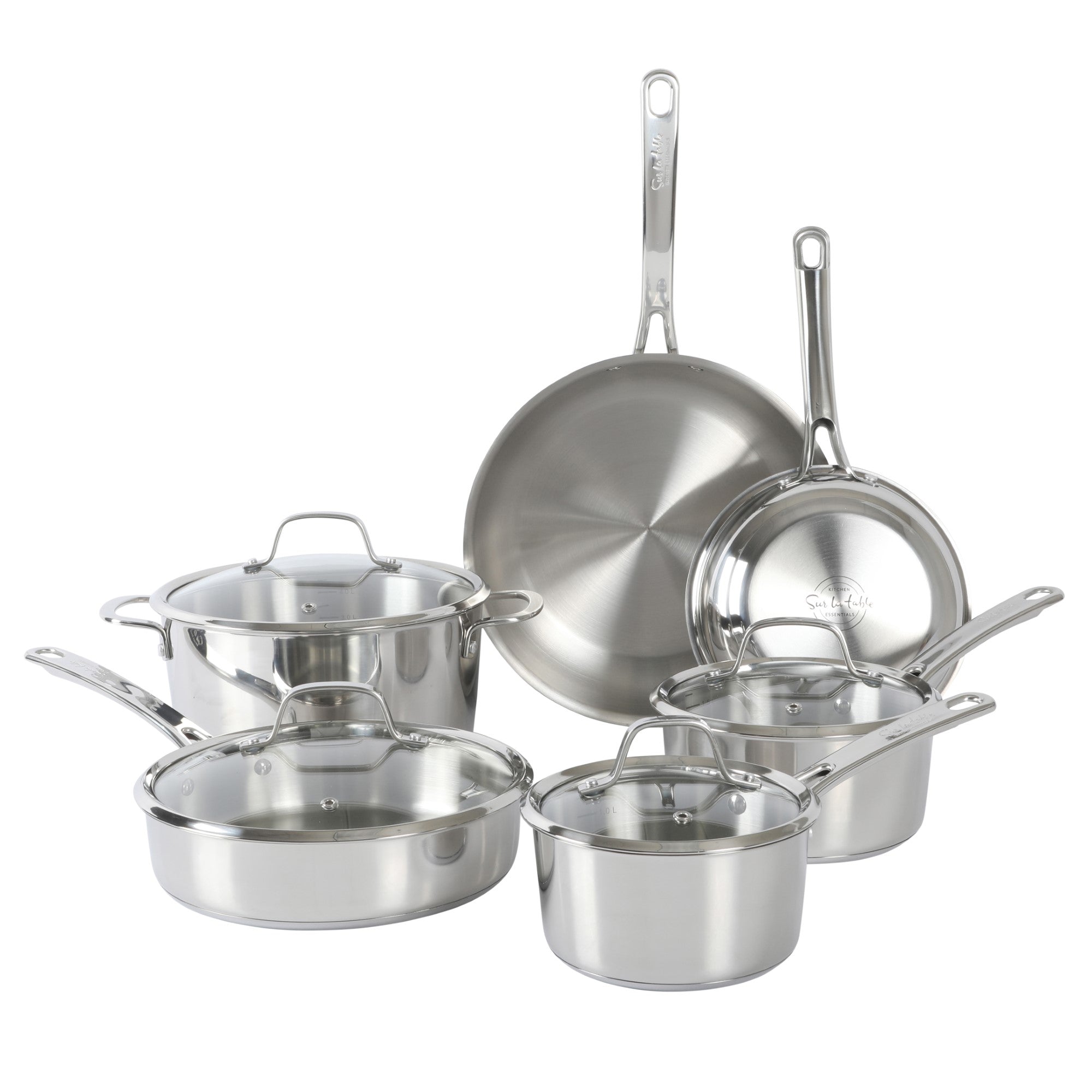
If you’ve been eyeing Sur La Table cookware, you’re probably wondering: Is Sur La Table cookware non toxic? This question matters because what touches your food can affect your health every day. Keep reading to discover the truth about Sur La Table’s materials and whether they match your need for safe, reliable kitchen gear.

Credit: www.amazon.com
Sur La Table Cookware Materials
Sur La Table cookware is popular among home cooks and chefs for its quality and design. Understanding the materials used in their cookware helps determine if these products are non-toxic and safe for everyday use. The choice of material affects cooking performance, durability, and health impact. This section explores the common materials Sur La Table uses and their claims about non-toxic properties.
Common Materials Used
Sur La Table offers cookware made from various materials. Each material has unique features that suit different cooking needs. Here are some common materials found in their products:
- Stainless Steel: Durable, resistant to rust, and non-reactive with food.
- Ceramic-Coated: Provides a non-stick surface without traditional chemicals.
- Cast Iron: Excellent heat retention and naturally non-stick when seasoned.
- Hard-Anodized Aluminum: Lightweight, heats evenly, and has a tough surface.
- Copper: Offers quick and even heat distribution but often lined with stainless steel.
Each material comes with benefits and care instructions. Stainless steel is great for searing and boiling. Cast iron requires seasoning to maintain its surface. Ceramic coatings are popular for easy cleanup but may wear over time. Hard-anodized aluminum combines durability with non-stick properties. Copper is prized for precise temperature control but can be expensive.
| Material | Key Features | Typical Use |
|---|---|---|
| Stainless Steel | Durable, non-reactive, rust-resistant | Searing, boiling, sautéing |
| Ceramic-Coated | Non-stick, chemical-free coating | Low-fat cooking, easy cleanup |
| Cast Iron | Heat retention, natural non-stick | Frying, baking, slow cooking |
| Hard-Anodized Aluminum | Lightweight, tough, even heating | Everyday cooking, non-stick use |
| Copper | Fast, even heat, expensive | Precision cooking, sauces |
Non-toxic Material Claims
Sur La Table emphasizes safety in their cookware materials. Many products claim to be free from harmful chemicals like PFOA and PTFE. These chemicals are common in some non-stick coatings but can release toxins at high heat.
The ceramic-coated cookware is often marketed as a non-toxic alternative. This coating is made from natural minerals and does not contain synthetic chemicals. It allows cooking with less oil and avoids chemical fumes.
- PFOA-Free: Sur La Table cookware usually states it does not contain PFOA, a chemical linked to health risks.
- PTFE-Free Options: Some ceramic and hard-anodized pieces avoid PTFE, reducing toxic risks.
- Non-Reactive Metals: Stainless steel and cast iron do not leach chemicals into food.
Many users appreciate cookware that supports healthy cooking habits. Sur La Table meets industry standards for food safety. Still, proper use and maintenance are important to keep cookware safe. Avoid overheating non-stick pans and follow care instructions for cast iron and ceramic surfaces.
| Claim | Explanation |
|---|---|
| PFOA-Free | No perfluorooctanoic acid, a harmful chemical, in coatings |
| PTFE-Free | Some lines avoid polytetrafluoroethylene, reducing toxin risk |
| Non-Reactive Metals | Materials like stainless steel and cast iron do not leach chemicals |
| Ceramic Coating | Made from natural minerals, free of synthetic chemicals |
Credit: www.esquim.com
Health And Safety Certifications
Understanding the health and safety certifications of Sur La Table cookware helps assess its safety for everyday use. Certifications show whether the products meet strict standards for non-toxicity and food safety. These certifications provide peace of mind to buyers about the materials used and potential chemical exposure. Sur La Table cookware undergoes checks to ensure it does not release harmful substances during cooking.
Fda And Other Regulatory Standards
Sur La Table cookware complies with the FDA (Food and Drug Administration) regulations for food contact materials. The FDA sets strict rules to prevent toxic chemicals from leaching into food. This ensures cookware coatings and metals are safe to use at cooking temperatures.
- FDA Compliance: Materials used in Sur La Table cookware pass FDA tests for heavy metals and harmful chemicals.
- Lead and Cadmium Limits: The coatings meet FDA limits for lead and cadmium, which are toxic if ingested.
- Non-reactive Surfaces: Cookware surfaces do not react with acidic or alkaline foods, preventing contamination.
Besides FDA, Sur La Table cookware often meets other regulatory standards such as:
| Standard | Purpose | Relevance |
|---|---|---|
| LFGB (Germany) | Ensures food safety and non-toxicity | Widely recognized for cookware safety |
| Prop 65 (California) | Warns about harmful chemicals in products | Ensures low or no harmful chemical content |
| RoHS | Limits hazardous substances in products | Focus on reducing heavy metals |
These certifications confirm Sur La Table cookware meets strict safety and health standards. The brand avoids toxic coatings like PFOA and uses safer alternatives.
Third-party Testing Results
Independent labs test Sur La Table cookware for toxic substances and durability. Third-party testing adds credibility to the brand’s safety claims. These tests check for chemical leaching, heavy metals, and coating stability.
- Heavy Metal Testing: Tests show Sur La Table cookware contains negligible levels of lead, cadmium, and other metals.
- Non-stick Coating Safety: Third parties confirm coatings are free from PFOA and PFAS chemicals linked to health risks.
- Heat Resistance: Cookware maintains integrity at high temperatures without releasing harmful fumes.
Testing labs use advanced methods such as:
- Inductively Coupled Plasma Mass Spectrometry (ICP-MS) for metal detection
- Gas Chromatography-Mass Spectrometry (GC-MS) for chemical compounds
- Simulated cooking conditions to check leaching
Here is an overview of typical third-party test results:
| Test Type | Result | Safety Threshold |
|---|---|---|
| Lead Content | Below detectable limits | < 0.1 ppm |
| Cadmium Content | Below detectable limits | < 0.1 ppm |
| PFOA/PFAS | Not detected | 0 ppm |
These results prove Sur La Table cookware is a safe choice for health-conscious cooks. Testing confirms the absence of common toxic substances.
Potential Toxic Chemicals In Cookware
Cookware safety is a top concern for many home cooks. Chemicals in pots and pans can sometimes be harmful. Potential toxic chemicals in cookware include substances that may release harmful fumes or leach into food. These chemicals can affect health over time. Understanding common toxic substances helps choose safer options. Sur La Table cookware is popular, but it is important to know if it contains these chemicals.
Ptfe And Pfoa Concerns
PTFE (polytetrafluoroethylene) is a common non-stick coating. It makes cooking easy and cleaning fast. But PTFE can release toxic fumes if overheated above 500°F (260°C). These fumes can cause flu-like symptoms in humans and are dangerous to birds.
PFOA (perfluorooctanoic acid) was once used to make PTFE coatings. It is a chemical linked to health risks like cancer and hormone disruption. Most cookware brands stopped using PFOA after 2015 due to safety concerns.
- PTFE is safe below 500°F. Avoid high heat to prevent fumes.
- PFOA is mostly phased out. Look for “PFOA-free” labels.
- Non-stick coatings can wear off with scratches or age.
| Chemical | Risk | Safety Tip |
|---|---|---|
| PTFE | Harmful fumes if overheated | Cook below 500°F; avoid empty pan heating |
| PFOA | Linked to cancer and hormone issues | Choose PFOA-free cookware |
Many Sur La Table non-stick pans claim to be PFOA-free. They use PTFE coatings designed to be safer. Still, users should avoid overheating and scratching the surface. Proper care extends the cookware life and limits chemical risks.
Heavy Metals And Coatings
Heavy metals like lead, cadmium, and nickel can be present in some cookware coatings. These metals may leach into food during cooking. Long-term exposure can cause serious health problems. It is important to check if cookware meets safety standards.
Sur La Table offers stainless steel, ceramic, and cast iron cookware. Stainless steel generally has low risk of metal leaching. Ceramic coatings are often free from heavy metals but require verification. Cast iron can release iron, which is safe in small amounts.
- Lead and cadmium are toxic even at low levels.
- Nickel may cause allergies in some people.
- Certified cookware reduces risks of heavy metal contamination.
| Cookware Type | Potential Heavy Metals | Health Risks |
|---|---|---|
| Stainless Steel | Nickel, chromium | Allergic reactions, minor metal intake |
| Ceramic Coating | Lead, cadmium (if low-quality) | Toxicity, organ damage |
| Cast Iron | Iron | Safe in small amounts, beneficial |
Sur La Table cookware often complies with strict safety rules. Checking product labels for heavy metal testing is wise. Using recommended care and avoiding damaged cookware lowers chemical risks.
Sur La Table Non-toxic Product Lines
Sur La Table offers cookware designed for safe and healthy cooking. Their non-toxic product lines focus on materials that do not release harmful chemicals during use. This ensures better food quality and peace of mind in the kitchen. Sur La Table emphasizes options that avoid toxic substances like PFOA, PFAS, lead, and cadmium. Choosing cookware from their non-toxic lines helps reduce exposure to these harmful chemicals, promoting a safer cooking environment.
Ceramic And Stainless Steel Options
Sur La Table’s non-toxic cookware mainly includes ceramic and stainless steel options. These materials are popular for their safety and durability.
- Ceramic cookware uses a natural, non-stick surface made from inorganic minerals. It does not contain PTFE or PFOA chemicals.
- Stainless steel cookware is made from alloys that resist rust and corrosion. It is free from coatings that could peel or release toxins.
Both ceramic and stainless steel options provide excellent cooking performance without the risk of toxic exposure.
| Feature | Ceramic Cookware | Stainless Steel Cookware |
|---|---|---|
| Non-toxic | Yes, no PTFE or PFOA | Yes, no harmful coatings |
| Heat distribution | Good but less even | Excellent and even |
| Durability | Moderate, can chip | Very high, resists damage |
| Maintenance | Gentle cleaning needed | Dishwasher safe and sturdy |
Choosing between ceramic and stainless steel depends on cooking style and care preference. Both offer safe, toxin-free cooking surfaces.
Avoiding Harmful Coatings
Sur La Table avoids harmful coatings that release toxic fumes or chemicals during cooking. Many non-stick pans contain PTFE or PFOA, which can be dangerous at high heat.
Sur La Table’s non-toxic lines either use ceramic coatings or no coatings at all. This choice eliminates risks from flaking or chemical exposure.
- PTFE and PFOA-free: Their cookware does not use these chemicals.
- Ceramic coatings: Made from natural materials, they offer safe non-stick properties.
- Uncoated stainless steel: Uses no surface chemicals, relying on metal alone.
Careful manufacturing ensures the coatings remain stable and safe during all cooking temperatures. This reduces health concerns tied to traditional non-stick pans.
Here is a summary of coatings avoided and used:
| Coating Type | Used by Sur La Table | Health Impact |
|---|---|---|
| PTFE (Teflon) | No | Can release toxic fumes at high heat |
| PFOA | No | Linked to health risks |
| Ceramic | Yes | Non-toxic, safe for cooking |
| Uncoated Stainless Steel | Yes | Safe, no chemical release |
User Experiences And Reviews
Many users share their experiences to help others decide about Sur La Table cookware’s safety. Reviews highlight both concerns and praises related to its non-toxic claims. Understanding these opinions helps identify how safe this cookware is for daily use.
Reported Health Issues
Some users have expressed worries about potential health effects after using Sur La Table cookware. These concerns mostly relate to the materials and coatings used in the products. A few common complaints include:
- Allergic reactions: Some individuals reported skin irritation or rashes after contact with certain cookware handles.
- Coating degradation: A small number noticed flaking or peeling of non-stick surfaces, raising fears about ingesting harmful particles.
- Metal leaching: A few users worried about metals like aluminum or nickel leaching into food, especially when cooking acidic dishes.
Despite these issues, such reports are relatively rare compared to the total number of users. Most complaints appear linked to improper use or care, such as overheating or using metal utensils. Below is a summary of reported health concerns:
| Health Issue | Frequency | Possible Cause |
|---|---|---|
| Skin irritation | Low | Material sensitivity |
| Non-stick coating flaking | Very low | Overuse or overheating |
| Metal leaching concerns | Rare | Cooking acidic food, wear and tear |
Users advise following manufacturer instructions carefully to avoid these issues. Regular inspection of cookware condition also helps maintain safety. Many problems disappear when users handle the products properly.
Positive Feedback On Safety
Many users praise Sur La Table cookware for being safe and non-toxic. Reviews highlight the use of quality materials and safe coatings that do not release harmful chemicals during cooking. Here are some commonly mentioned positive points:
- Free from harmful chemicals: Sur La Table cookware often uses PFOA-free and PTFE-free coatings.
- Durable and well-made: Many users find the cookware sturdy, reducing risks of damage or contamination.
- Easy to clean: This prevents buildup of bacteria or harmful residues.
- Good heat distribution: Ensures food cooks evenly without hotspots that can degrade coatings.
Below is a table summarizing key positive safety features mentioned by users:
| Safety Feature | User Feedback |
|---|---|
| Non-toxic coatings | Highly rated for safety and absence of toxic chemicals |
| Material quality | Stainless steel and ceramic options praised for health safety |
| Ease of maintenance | Users report no buildup of harmful residues |
| Cooking performance | Good heat control reduces risk of toxic fumes |
Many users feel confident cooking with Sur La Table cookware daily. They trust the brand’s commitment to health safety and enjoy the balance of performance and non-toxicity. Proper care and following guidelines remain key to a safe experience.
Credit: www.wideworldofindoorsports.com
Tips For Choosing Safe Cookware
Choosing safe cookware is essential for healthy cooking and food safety. Not all pots and pans are free from harmful chemicals. Many cookware brands claim to be non-toxic, but knowing what to check can protect you and your family. This section gives practical tips for choosing safe cookware and keeping it in good condition.
What To Look For
Safe cookware should avoid harmful materials like lead, cadmium, PFOA, and PTFE. These chemicals can leach into food, especially at high heat. Focus on materials that are naturally safe or coated with non-toxic substances. Here are some key points to consider:
- Material type: Stainless steel, cast iron, ceramic, and glass are usually safe choices.
- Non-stick coatings: Avoid old Teflon pans that may release toxins when scratched or overheated.
- Certification: Look for products tested and certified by health or safety organizations.
- Brand transparency: Choose brands that clearly state their materials and avoid harmful chemicals.
| Cookware Material | Safety Level | Notes |
|---|---|---|
| Stainless Steel | High | Durable, non-reactive, good for all cooking |
| Cast Iron | High | Natural non-stick with seasoning, adds iron to food |
| Ceramic | High | Non-toxic glaze, avoids chemicals like PTFE |
| Aluminum (Uncoated) | Low | Can react with acidic food, may leach metals |
| Non-stick Teflon (Old) | Low | Releases toxins if scratched or overheated |
Check product labels for terms like “PFOA-free,” “lead-free,” or “cadmium-free.” Avoid cookware with unknown coatings or heavy metals. Simple materials often mean safer cooking.
Maintaining Non-toxic Cookware
Keeping cookware safe requires proper care. Damaged coatings or rough surfaces can release harmful substances. Follow these tips to maintain your non-toxic cookware:
- Use gentle cleaning methods. Avoid abrasive scrubbers that scratch the surface.
- Hand wash most cookware. Dishwashers may damage coatings over time.
- Cook at moderate temperatures. High heat can break down non-stick layers.
- Season cast iron regularly. It protects the surface and keeps it non-stick.
- Replace cookware when coating peels. Worn surfaces can release harmful chemicals.
Here is a simple care guide:
| Cookware Type | Cleaning Tips | Maintenance Advice |
|---|---|---|
| Stainless Steel | Use soft cloth, avoid harsh chemicals | Polish occasionally to maintain shine |
| Cast Iron | Hand wash with mild soap, dry immediately | Apply oil after each use to prevent rust |
| Ceramic | Use non-abrasive sponge, mild detergent | Avoid sudden temperature changes to prevent cracks |
| Non-stick | Hand wash with soft sponge, mild soap | Do not use metal utensils or high heat |
Proper care extends cookware life and keeps cooking safe. Replace any damaged pieces promptly to avoid health risks.
Frequently Asked Questions
Is Sur La Table Cookware Truly Non-toxic?
Yes, Sur La Table cookware is made with non-toxic materials. They avoid harmful chemicals like PFOA and PTFE in their coatings. This ensures safe cooking without releasing toxic fumes or chemicals into your food.
What Materials Are Used In Sur La Table Cookware?
Sur La Table uses stainless steel, cast iron, and ceramic in their cookware. These materials are known for being safe and non-reactive. They ensure durability and avoid leaching harmful substances into your meals.
Are Sur La Table Non-stick Pans Free Of Harmful Chemicals?
Most Sur La Table non-stick pans use ceramic or other safe coatings. These coatings do not contain PTFE or PFOA, common toxic chemicals in some non-stick pans. This makes them a healthier choice for everyday cooking.
How Does Sur La Table Ensure Cookware Safety?
Sur La Table tests their cookware for safety and durability. They comply with strict regulations to avoid toxic elements. Their focus on quality means customers get cookware that is safe for daily use.
Conclusion
Sur La Table cookware offers a safer choice for your kitchen. It avoids harmful chemicals often found in other brands. The materials used focus on health and durability. You can cook with confidence, knowing your food stays clean. Choosing non-toxic cookware matters for daily meals and family health.
Trust in products that support safe cooking habits. Small changes in your kitchen can make a big difference. Cookware quality affects both taste and wellbeing. Sur La Table meets these needs well. Your kitchen deserves cookware that cares.

Hello, This is Annie Walker, a 38-year-old blogger, founder, and editor of Cookware Guider from NY, USA. I am a cookware fanatic and passionate cooker. I love to cook with different types of cooking appliances (example: all types of cookware, rice cookers, slow cookers, etc) almost every day in my kitchen. I love to share my experience with my readers in my blog. Also, I enjoy helping people to solve their problems through my website. You can follow me on Twitter & Pinterest. To know details about my blog please check the about us page.