
Your stainless steel cookware is one of the most valuable tools in your kitchen. But over time, it can lose its shine and develop stubborn stains that are hard to remove.
What if you could bring back that sparkling finish using something you already have at home? Cleaning your stainless steel cookware with vinegar is a simple, effective trick that will save you time and money. You’ll discover easy steps to make your pots and pans look like new again—without harsh chemicals or scrubbing for hours.
Ready to restore the shine and keep your cookware in top shape? Let’s get started!
Benefits Of Vinegar For Cleaning
Vinegar is a popular choice for cleaning stainless steel cookware. It offers many benefits that make the cleaning process easier and safer. Using vinegar helps keep your cookware shiny and free of stains without harsh chemicals. It also saves money and is good for the environment.
Natural And Non-toxic Properties
Vinegar is made from natural ingredients like fermented fruits. It does not contain harmful chemicals. This makes it safe for your health and the environment. Vinegar is gentle on your skin and safe to use around children and pets. It cleans without leaving toxic residues on your cookware.
Effectiveness Against Stains And Residue
Vinegar dissolves mineral deposits and grease easily. It removes water spots and food stains from stainless steel surfaces. Vinegar breaks down tough residues without scratching the cookware. It restores the shine and smooth finish of your pots and pans. Regular use keeps your cookware looking new.
Cost-effective Cleaning Solution
Vinegar is inexpensive and widely available. A small amount cleans large areas effectively. It replaces costly commercial cleaners and reduces waste. Using vinegar saves money on cleaning supplies. It also reduces trips to the store and clutter in your kitchen.

Credit: www.boroughkitchen.com
Preparing Your Cookware
Before cleaning stainless steel cookware with vinegar, proper preparation is essential. This step ensures better results and protects your cookware. Start by clearing away any food particles or debris. Then, select the best type of vinegar for cleaning. Lastly, follow safety measures to avoid harm and damage.
Removing Loose Debris
Begin by wiping or rinsing your cookware to remove loose food bits. Use warm water and a soft cloth or sponge. Avoid scrubbing hard to prevent scratches. Removing debris helps vinegar work more effectively on stains and buildup.
Choosing The Right Vinegar
White distilled vinegar is the best choice for cleaning stainless steel. It is safe and leaves no color or smell behind. Avoid using flavored or colored vinegars, as they can stain the cookware. Use vinegar with about 5% acidity for the best cleaning power.
Safety Precautions
Always wear gloves to protect your hands from vinegar’s acidity. Work in a well-ventilated area to avoid strong vinegar fumes. Keep vinegar away from children and pets. Do not mix vinegar with bleach or other cleaners to prevent harmful gases.
Step-by-step Cleaning Process
Cleaning stainless steel cookware with vinegar is simple. Follow these clear steps to make your pots and pans shine again. This step-by-step guide helps you remove stains and keep your cookware looking new.
Soaking The Cookware
Fill your sink or basin with warm water. Add one cup of white vinegar to the water. Place the stainless steel cookware in the solution. Let it soak for 15 to 30 minutes. This loosens tough stains and stuck-on food.
Scrubbing Techniques
Use a soft sponge or cloth for scrubbing. Avoid steel wool as it can scratch the surface. Gently scrub the cookware in circular motions. Focus on areas with stains or discoloration. For stubborn spots, sprinkle baking soda and scrub lightly.
Rinsing And Drying
Rinse the cookware thoroughly with warm water. Make sure all vinegar and residue are removed. Dry the cookware immediately with a clean towel. This prevents water spots and keeps the steel shiny. Store your cookware in a dry place.
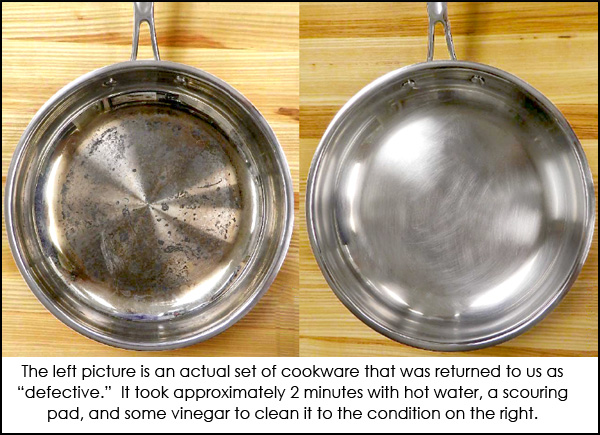
Credit: www.lodgingkit.com
Tackling Tough Stains
Stainless steel cookware can show tough stains from cooking oils, food spills, and burnt bits. These marks do not come off with simple washing. Vinegar helps break down stains, but some need extra care. Use vinegar smartly to make your pots and pans look clean and fresh again.
Using Baking Soda With Vinegar
Sprinkle baking soda over the stained area. Pour vinegar slowly over the baking soda. The mix will bubble and fizz. Let it sit for 10 minutes. Use a soft cloth or sponge to scrub gently. Rinse with warm water. This method lifts stains without scratching your cookware.
Dealing With Burnt Residue
Fill the cookware with equal parts water and vinegar. Heat the mixture until it boils. Turn off the heat and let it cool. Use a wooden spoon to scrape the loosened burnt bits. Wash the pot with soap and water after. This process softens stuck-on food and makes cleaning easier.
Polishing For Shine
Mix vinegar and olive oil in a 1:1 ratio. Dip a soft cloth into the mix. Rub the cloth over the cookware surface in circles. This removes water spots and restores shine. Wipe off any excess with a dry cloth. Your stainless steel will look bright and new.
Maintaining Stainless Steel Cookware
Maintaining stainless steel cookware keeps it looking new and working well. Regular care stops stains and damage. Clean tools last longer and cook better. Simple habits help keep your pans shiny and safe.
Regular Cleaning Tips
Wash cookware after each use with warm water and mild soap. Use a soft sponge or cloth. Avoid harsh scrubbing pads that can scratch the surface. For tough spots, soak the cookware in vinegar and water for 10 minutes. Rinse well and dry immediately to prevent water spots.
Avoiding Damage And Scratches
Never use steel wool or abrasive cleaners. These can leave permanent marks. Use wooden or silicone utensils to protect the surface. Avoid dropping or banging cookware, which can dent or warp it. Handle with care to keep the cookware smooth and safe.
Storage Recommendations
Store cookware in a dry place to prevent rust. Stack pans with paper towels or cloth between them. This stops scratches from rubbing against each other. Hang pots and pans if space allows. Keep lids separate or upside down to avoid damage.

Credit: www.360cookware.com
Common Mistakes To Avoid
Cleaning stainless steel cookware with vinegar is simple and effective. Yet, some common mistakes can damage your pots and pans. Avoid these errors to keep your cookware shiny and lasting longer.
Using Harsh Chemicals
Do not use bleach or strong cleaners with vinegar. These chemicals can harm the steel surface. Stick to mild solutions like vinegar and water only. Harsh chemicals cause discoloration and scratches.
Overusing Vinegar
Too much vinegar can erode the metal. Use vinegar sparingly and rinse well afterward. Overuse may dull the shine and weaken the cookware over time. A little vinegar goes a long way.
Ignoring Manufacturer Guidelines
Check your cookware’s instructions before cleaning. Some brands may not recommend vinegar. Ignoring these rules can void warranties or cause damage. Follow the care tips given by the maker.
Frequently Asked Questions
How Does Vinegar Clean Stainless Steel Cookware?
Vinegar removes stains and mineral deposits effectively. Its acidity breaks down grime, restoring shine without harsh chemicals. Simply apply vinegar, let it sit, then scrub gently for best results.
Can Vinegar Damage Stainless Steel Cookware?
No, vinegar is safe when used properly. Avoid prolonged soaking to prevent surface dulling. Rinse thoroughly after cleaning to maintain the cookware’s finish and durability.
What Is The Best Way To Use Vinegar For Cleaning?
Mix equal parts vinegar and water in the cookware. Heat gently, then let it cool. Scrub with a soft cloth, rinse well, and dry to remove residue and restore shine.
How Often Should I Clean Cookware With Vinegar?
Use vinegar cleaning monthly or when stains appear. Regular cleaning prevents buildup and keeps cookware looking new. Avoid excessive use to protect the surface finish.
Conclusion
Cleaning stainless steel cookware with vinegar is simple and effective. Vinegar removes stains and shines your pots quickly. Just use a soft cloth and gentle scrubbing for best results. This natural method saves money and avoids harsh chemicals. Keep your cookware looking new by cleaning regularly.
A little care goes a long way. Try this easy trick to keep your kitchen tools bright and clean every time.

Hello, This is Annie Walker, a 38-year-old blogger, founder, and editor of Cookware Guider from NY, USA. I am a cookware fanatic and passionate cooker. I love to cook with different types of cooking appliances (example: all types of cookware, rice cookers, slow cookers, etc) almost every day in my kitchen. I love to share my experience with my readers in my blog. Also, I enjoy helping people to solve their problems through my website. You can follow me on Twitter & Pinterest. To know details about my blog please check the about us page.