
If you’re like most people, you want your cookware to look clean and shiny without any damage. You’ve probably heard about Bar Keepers Friend as a powerful cleaner, but you might wonder—is Bar Keepers Friend safe to use on your cookware?
Using the wrong cleaner can ruin your pots and pans, costing you time and money. You’ll discover how Bar Keepers Friend works, which types of cookware it’s safe for, and simple tips to get the best results without harm. Keep reading to protect your kitchen investment and make your cookware sparkle like new!
Bar Keepers Friend Basics
Bar Keepers Friend is a popular cleaning product known for its power to remove stains and restore shine. Many people wonder if it is safe to use on cookware. Understanding the basics of Bar Keepers Friend helps decide how and where to use it safely. This product works well on various surfaces but knowing its ingredients and compatible cookware types is important for safe use.
Key Ingredients
Bar Keepers Friend contains several active ingredients that make it effective yet gentle enough for many household uses. The main cleaning agent is oxalic acid, a natural acid that removes rust, stains, and mineral deposits without scratching most surfaces.
- Oxalic Acid: Breaks down tough stains and rust.
- Surfactants: Help lift dirt and grease from surfaces.
- Inert Fillers: Add bulk and texture for scrubbing action.
This combination makes Bar Keepers Friend effective for cleaning but safe when used as directed. The powder or liquid forms dissolve easily in water, allowing users to control the strength of the cleaning solution. The product is non-abrasive on most surfaces, meaning it cleans without harsh scratching. However, using it on delicate materials may cause damage.
| Ingredient | Function | Effect on Cookware |
|---|---|---|
| Oxalic Acid | Removes rust and stains | Safe on stainless steel and enamel |
| Surfactants | Lift grease and dirt | Helps clean food residues |
| Fillers | Provides gentle scrubbing | Prevents scratching on strong surfaces |
Types Of Cookware Compatible
Bar Keepers Friend works well on many cookware types but is not safe for all. It is best for hard, durable surfaces that can handle mild acids and gentle scrubbing.
- Stainless Steel: Ideal for cleaning burnt food, stains, and water spots.
- Porcelain and Enamel: Removes stains without damaging the finish.
- Copper: Can be used carefully to remove tarnish and discoloration.
- Glass and Ceramic: Safe for tough stains but avoid heavy scrubbing.
Avoid using Bar Keepers Friend on non-stick cookware or aluminum. These materials may react poorly with the acidic ingredients, causing damage or discoloration. For non-stick pans, choose mild soap and soft cloths instead.
| Cookware Type | Safe to Use Bar Keepers Friend? | Notes |
|---|---|---|
| Stainless Steel | Yes | Highly effective for cleaning and polishing |
| Porcelain/Enamel | Yes | Use gently to avoid chipping |
| Copper | Yes, with care | Test small area first |
| Non-Stick | No | May damage coating |
| Aluminum | No | Can cause discoloration |
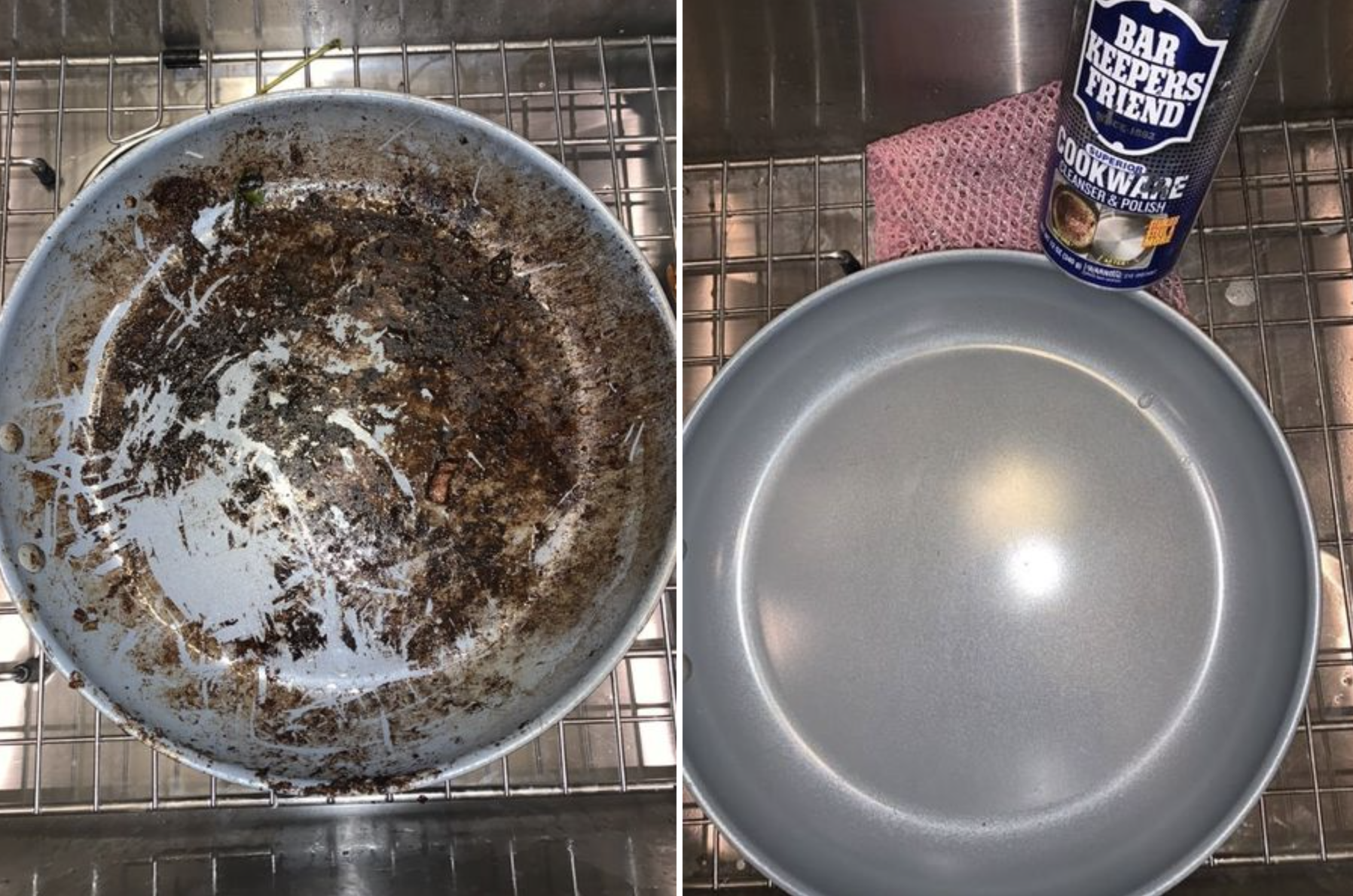
Credit: barkeepersfriend.com
Cleaning Performance
Bar Keepers Friend is a popular cleaning product for cookware. Its cleaning performance is important to understand before use. This product claims to remove tough stains and restore shine without damaging the surface. Many people wonder if it is safe and effective on various types of pots and pans. This section explores how well Bar Keepers Friend cleans stains and its impact on the cookware finish.
Effectiveness On Stains
Bar Keepers Friend works well on many common stains found on cookware. It removes burnt-on food, rust, hard water spots, and discoloration. The active ingredient, oxalic acid, gently lifts stains without heavy scrubbing. Users often see visible results after just one use.
- Burnt food residue: Softens and cleans without scratching.
- Rust stains: Breaks down rust for easy removal.
- Hard water spots: Restores shine by dissolving mineral buildup.
- Discoloration: Brightens dull surfaces effectively.
Here is a simple table showing stain types and Bar Keepers Friend’s effectiveness:
| Stain Type | Effectiveness | Ease of Removal |
|---|---|---|
| Burnt Food | High | Easy with gentle scrubbing |
| Rust | High | Moderate, requires soaking |
| Hard Water Spots | Medium | Easy, quick wipe needed |
| Discoloration | High | Easy |
Using Bar Keepers Friend regularly helps keep cookware looking newer. It saves time by reducing the effort needed to clean stubborn stains.
Impact On Cookware Finish
Bar Keepers Friend is safe for many types of cookware finishes. It cleans without harsh abrasives that can scratch or dull surfaces. The product is gentle yet effective, making it suitable for stainless steel, copper, and ceramic coatings.
Here are some key points about its impact on finishes:
- Stainless steel: Restores shine without scratching.
- Copper: Polishes and removes tarnish carefully.
- Ceramic-coated: Safe if used gently; avoid heavy scrubbing.
- Non-stick pans: Not recommended due to abrasive nature.
Test a small area first to ensure no damage occurs. Follow instructions on the label to protect the finish. Avoid using on delicate or soft metals unless specified.
Here is a quick guide for safe use on different cookware finishes:
| Cookware Type | Safe to Use | Recommended Use |
|---|---|---|
| Stainless Steel | Yes | Regular cleaning and stain removal |
| Copper | Yes | Polishing and tarnish removal |
| Ceramic-Coated | Yes, with care | Light cleaning; avoid scrubbing |
| Non-Stick | No | Avoid to prevent damage |
Proper use preserves cookware quality. Bar Keepers Friend improves appearance without harming surfaces.
Safety Considerations
Bar Keepers Friend is a popular cleaning product used on cookware for its ability to remove tough stains and restore shine. Understanding its safety is important before using it on pots, pans, or other kitchen items. Safety considerations help prevent damage to your cookware and protect your health during cleaning.
Chemical Safety
Bar Keepers Friend contains oxalic acid, a mild acid that breaks down stains and mineral deposits. While effective, this chemical needs careful handling. It is safe for many types of cookware, like stainless steel and ceramic, when used as directed. Avoid using it on aluminum or non-stick surfaces, as it can cause damage.
Follow these tips to ensure chemical safety:
- Read the label: Always check the instructions and warnings.
- Use the right amount: Apply a small amount of powder or liquid to avoid overexposure.
- Test first: Try on a small, hidden area before full use.
- Rinse well: Thoroughly wash cookware after cleaning to remove any residue.
| Cookware Type | Safe to Use Bar Keepers Friend? |
|---|---|
| Stainless Steel | Yes |
| Ceramic | Yes, with caution |
| Aluminum | No |
| Non-stick | No |
Proper use keeps your cookware safe and clean without chemical damage. Avoid mixing Bar Keepers Friend with bleach or ammonia, as this can cause harmful reactions.
Skin And Respiratory Risks
Bar Keepers Friend can irritate skin and lungs if used without care. The oxalic acid and powder particles may cause discomfort or allergic reactions.
Protect yourself by following these safety steps:
- Wear gloves: Prevent skin contact during cleaning.
- Work in a ventilated area: Use near open windows or fans to avoid breathing dust.
- Avoid inhaling powder: Apply carefully to reduce airborne particles.
- Wash hands: Clean your hands immediately after use.
Signs of irritation include redness, itching, coughing, or difficulty breathing. Stop use and seek fresh air if symptoms appear. Keep Bar Keepers Friend out of reach of children and pets to avoid accidental exposure.
Using protective gear and following instructions lowers health risks and keeps cleaning safe.
Usage Tips
Bar Keepers Friend is a popular cleaner many use to restore their cookware’s shine. Knowing how to use it correctly ensures safety and the best results. Usage tips help protect your pots and pans while removing tough stains and burnt residue. Following simple steps makes cleaning easier and prevents accidental damage to your cookware surfaces.
Proper Application Methods
Using Bar Keepers Friend the right way helps clean cookware effectively. First, wet the surface with water to create a smooth base for the cleaner. Then, sprinkle a small amount of Bar Keepers Friend powder or apply the liquid form on the wet area.
- Use a soft sponge or cloth to gently rub the cleaner on the cookware.
- Work in small circles to lift stains without scratching.
- Let the cleaner sit for 1-2 minutes for tough spots, but avoid letting it dry.
- Rinse thoroughly with warm water to remove all residue.
- Dry with a soft towel to prevent water marks.
Here is a simple step-by-step guide for safe use:
- Wet the cookware surface.
- Apply Bar Keepers Friend sparingly.
- Gently scrub with a non-abrasive sponge.
- Wait 1-2 minutes on tough stains.
- Rinse well and dry.
| Step | Action | Tip |
|---|---|---|
| 1 | Wet cookware | Use warm water for better cleaning |
| 2 | Apply cleaner | Use a small amount to avoid waste |
| 3 | Scrub gently | Soft sponge prevents scratches |
| 4 | Wait briefly | Do not let cleaner dry on surface |
| 5 | Rinse and dry | Ensures no residue remains |
Avoiding Damage
Bar Keepers Friend is safe for many types of cookware but can harm some surfaces. Avoid using it on non-stick pans as it may strip the coating. Also, steer clear of aluminum, cast iron, and wood because it can dull or discolor these materials.
Follow these tips to protect your cookware:
- Test on a small hidden spot before full cleaning.
- Use only a soft sponge, never steel wool or rough pads.
- Do not leave the cleaner on cookware longer than recommended.
- Rinse thoroughly to remove all traces of the cleaner.
- Keep cookware dry to prevent rust, especially with stainless steel.
Here is a quick reference table on cookware types and Bar Keepers Friend safety:
| Cookware Type | Safe to Use Bar Keepers Friend? | Notes |
|---|---|---|
| Stainless Steel | Yes | Effective for stains and shine |
| Ceramic | Yes, with care | Use gently to avoid scratches |
| Non-stick | No | Damages coating, avoid use |
| Cast Iron | No | Strips seasoning, causes rust |
| Aluminum | No | May discolor surface |
| Glass | Yes | Safe, but avoid abrasive scrubbing |
Alternatives To Bar Keepers Friend
Bar Keepers Friend is a popular cleaner for cookware. Many trust it for removing stains and restoring shine. Still, some worry about its safety on certain materials. Exploring alternatives helps you find safer or gentler options. These choices work well for different cookware types and cleaning needs.
Natural Cleaning Options
Natural cleaners offer a gentle way to clean cookware without harsh chemicals. They are safe for most surfaces and eco-friendly. Many households use common kitchen ingredients for cleaning tasks. These options help keep pots and pans clean while protecting their finish.
- Baking Soda: Acts as a mild abrasive. Great for scrubbing burnt spots without scratching.
- White Vinegar: Cuts through grease and removes mineral deposits. Use diluted to avoid damage.
- Lemon Juice: Has natural acidity. Helps brighten stainless steel and remove stains.
- Salt: Works as a gentle scrub for cast iron and other tough surfaces.
Mixing some of these ingredients increases cleaning power. For example, make a paste with baking soda and water. Apply it to stained areas, let it sit, then scrub gently. Rinse well afterward.
| Natural Cleaner | Best For | How to Use |
|---|---|---|
| Baking Soda | Stubborn stains, burnt food | Make paste, scrub, rinse |
| White Vinegar | Grease, mineral buildup | Dilute with water, wipe, rinse |
| Lemon Juice | Stains, dull surfaces | Apply juice, let sit, rinse |
| Salt | Cast iron cleaning | Sprinkle, scrub with cloth |
Other Commercial Cleaners
Several commercial cleaners work well as alternatives to Bar Keepers Friend. These products target cookware stains but vary in ingredients and strength. Choose one based on your cookware type and cleaning needs.
- Bon Ami: A gentle powder cleaner. Suitable for stainless steel and ceramic cookware.
- CeraSafe: Designed for ceramic and glass surfaces. Non-abrasive and safe.
- Soft Scrub: Contains mild abrasives. Works well on tough stains but use carefully on delicate surfaces.
- Weiman Cookware Cleaner: Specifically made for stainless steel. Removes fingerprints and stains.
Always follow the instructions on the product label. Test cleaners on a small hidden spot first. This prevents any accidental damage to your cookware.
| Cleaner | Type of Cookware | Features |
|---|---|---|
| Bon Ami | Stainless steel, ceramic | Gentle, non-toxic |
| CeraSafe | Ceramic, glass | Non-abrasive, safe |
| Soft Scrub | Various surfaces | Mild abrasive, effective |
| Weiman Cookware Cleaner | Stainless steel | Removes stains and fingerprints |

Credit: www.reddit.com
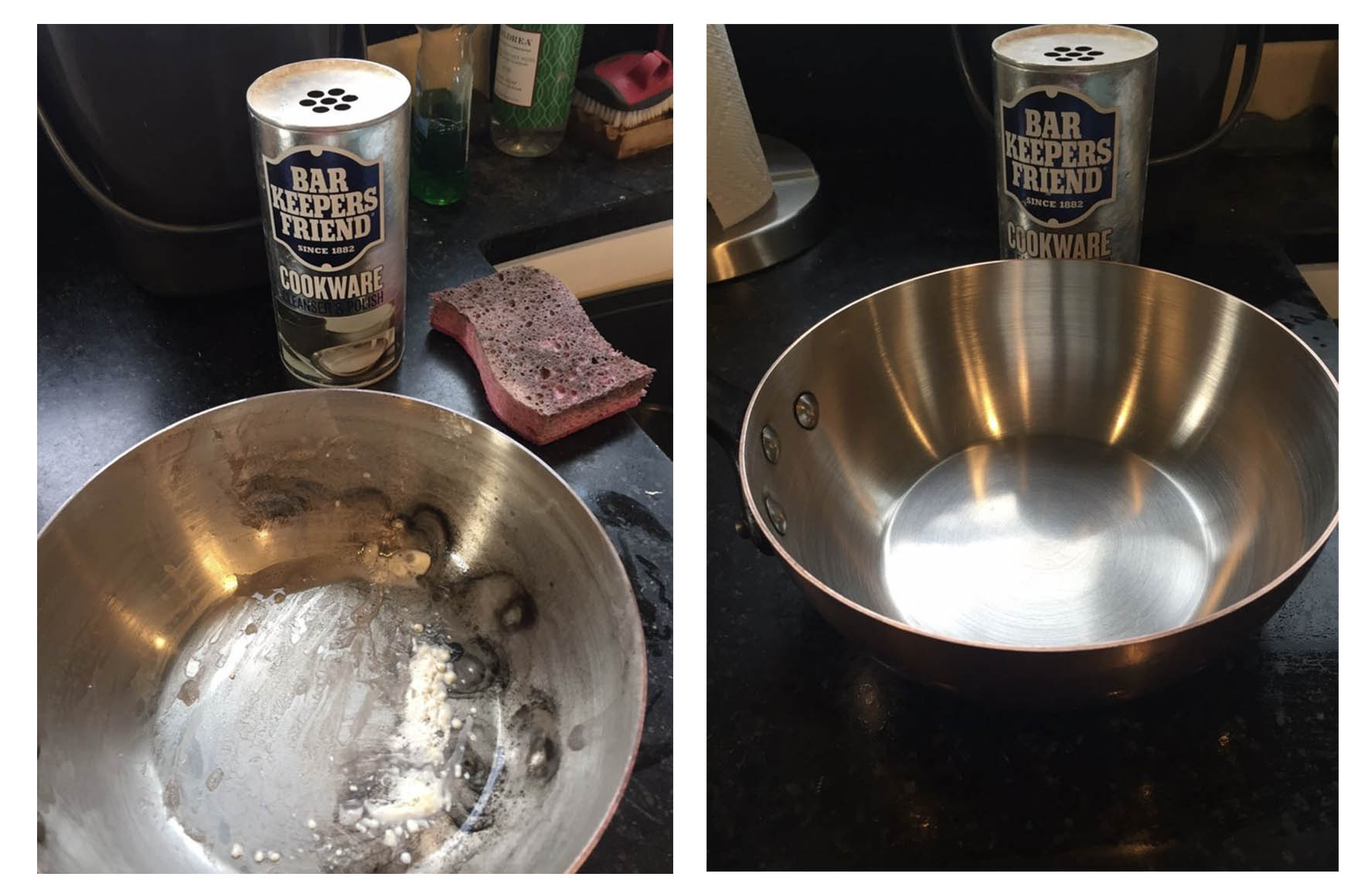
Credit: barkeepersfriend.com
Frequently Asked Questions
Is Bar Keepers Friend Safe For All Cookware Types?
Bar Keepers Friend is safe for most cookware, including stainless steel, copper, and ceramic. Avoid using it on non-stick pans, as it can damage the coating. Always test on a small area first to ensure no discoloration or damage occurs.
Can Bar Keepers Friend Damage Cookware Surfaces?
When used correctly, Bar Keepers Friend does not damage cookware surfaces. It gently removes stains and rust without scratching. However, over-scrubbing or using it on sensitive surfaces like non-stick or aluminum can cause damage.
How To Properly Use Bar Keepers Friend On Cookware?
Wet the cookware surface, sprinkle Bar Keepers Friend, and gently scrub with a sponge. Rinse thoroughly with water and dry. Avoid letting the powder sit for long periods to prevent surface damage.
Does Bar Keepers Friend Remove Tough Stains From Cookware?
Yes, Bar Keepers Friend effectively removes tough stains like rust, burnt-on food, and mineral deposits. Its mild abrasive formula cleans without harsh chemicals, restoring cookware’s shine and cleanliness safely.
Conclusion
Bar Keepers Friend cleans many types of cookware safely. It removes stains and tough spots without harsh damage. Always follow instructions and test on a small area first. Avoid using it on non-stick or delicate surfaces. Use soft cloths or sponges for best results.
This cleaner helps keep your pots and pans looking good. With careful use, it can be a helpful tool in the kitchen. Clean cookware means better cooking and longer use. Simple steps protect your items and get them shining again.

Hello, This is Annie Walker, a 38-year-old blogger, founder, and editor of Cookware Guider from NY, USA. I am a cookware fanatic and passionate cooker. I love to cook with different types of cooking appliances (example: all types of cookware, rice cookers, slow cookers, etc) almost every day in my kitchen. I love to share my experience with my readers in my blog. Also, I enjoy helping people to solve their problems through my website. You can follow me on Twitter & Pinterest. To know details about my blog please check the about us page.