
When it comes to your kitchen, safety is everything. You want cookware that not only lasts but also keeps your food healthy and free from harmful chemicals.
But how can you be sure that authentic kitchen cookware is truly safe for you and your family? If you’ve ever wondered about the materials, coatings, or manufacturing processes behind your pots and pans, you’re not alone. You’ll discover what makes kitchen cookware authentic, why it matters, and how to choose products that protect your health without sacrificing quality.
Keep reading—your next meal might depend on it.
Materials Used In Authentic Cookware
Authentic kitchen cookware often uses materials chosen for durability, safety, and cooking performance. Understanding these materials helps to know whether the cookware is safe for everyday use. This section explores the common metals and alloys, non-toxic coatings, and natural materials found in authentic cookware. Each type has unique qualities that affect heat distribution, maintenance, and food safety.
Common Metals And Alloys
Many authentic cookware pieces use metals and alloys that have stood the test of time. These materials provide excellent heat conduction and resist corrosion. The most common metals include:
- Stainless Steel: Durable, rust-resistant, and non-reactive. It does not leach harmful chemicals into food.
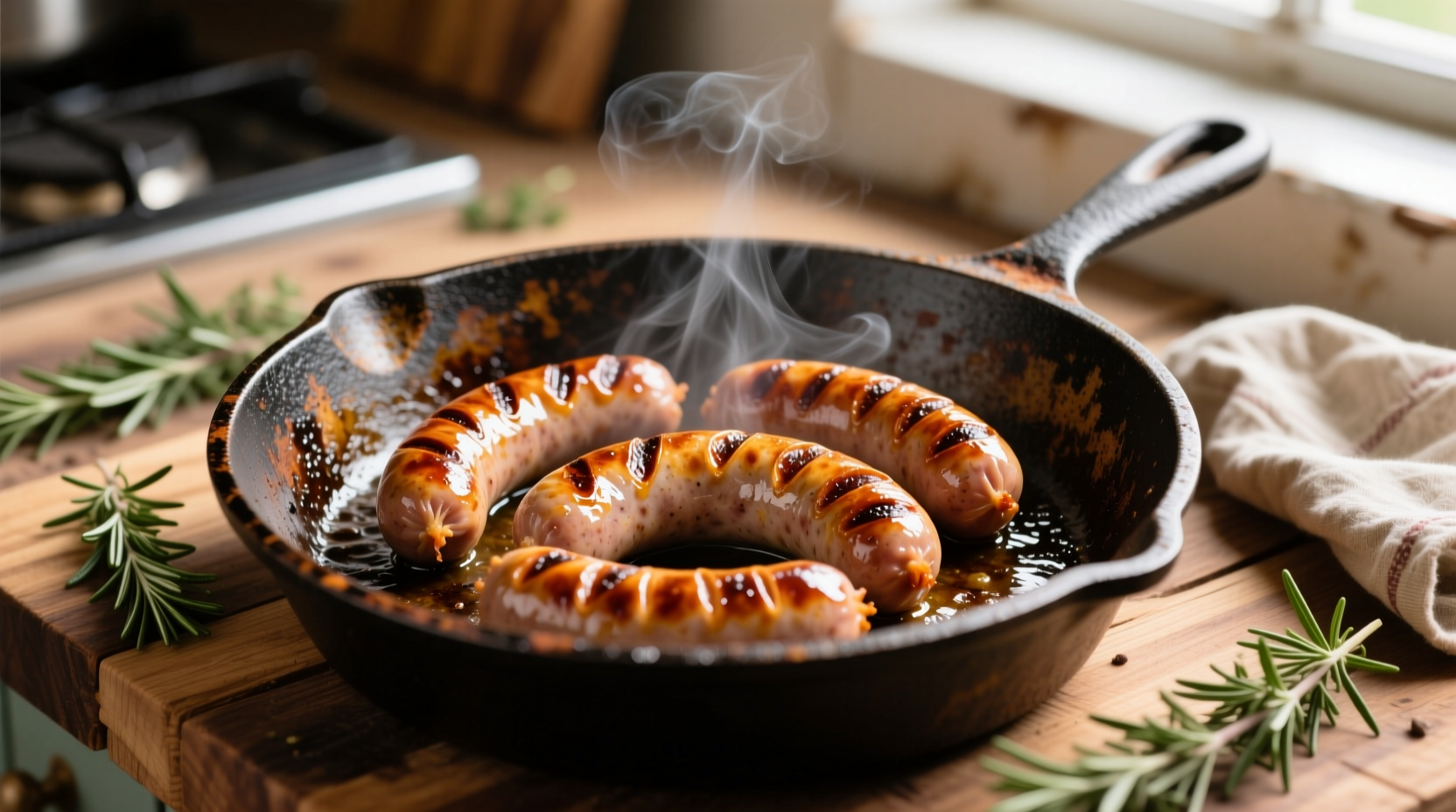
- Cast Iron: Known for even heat retention. Requires seasoning to create a natural non-stick surface.
- Carbon Steel: Similar to cast iron but lighter. Develops a non-stick patina with use.
- Copper: Offers superior heat control but often lined with stainless steel to prevent copper from leaching into food.
Here is a simple comparison of these metals:
| Material | Heat Conductivity | Maintenance | Safety |
|---|---|---|---|
| Stainless Steel | Medium | Low (dishwasher safe) | Very safe, non-reactive |
| Cast Iron | High | High (requires seasoning) | Safe, may leach iron (beneficial) |
| Carbon Steel | High | Moderate (seasoning needed) | Safe, iron leaching possible |
| Copper | Very High | High (requires polishing) | Safe when lined properly |
These metals are preferred for authentic cookware due to their natural properties and safety. They do not contain harmful chemicals and last for many years with proper care.
Non-toxic Coatings
Non-toxic coatings improve cookware performance and safety. They prevent food from sticking and make cleaning easier. Authentic cookware avoids harmful chemicals like PFOA and PFAS found in some non-stick coatings.
Common non-toxic coatings include:
- Ceramic Coatings: Made from natural minerals, they provide a smooth, non-stick surface without harmful chemicals.
- Enamel Coatings: Glass-like coatings fused to metal. They resist scratching and do not react with food.
- Seasoned Surfaces: Cast iron and carbon steel develop a natural coating from oil that makes them non-stick.
Benefits of non-toxic coatings:
- Reduce the need for cooking oils.
- Prevent chemical leaching into food.
- Make cleaning easier and safer.
- Extend the life of the cookware.
Choose cookware labeled as free from harmful chemicals. Avoid scratched or peeling coatings, which can expose the base metal. Proper use and care keep these coatings safe and effective.
Natural And Traditional Materials
Authentic cookware sometimes uses natural materials that have been trusted for centuries. These materials are simple and safe, often requiring minimal processing.
Examples include:
- Clay and Earthenware: Porous and heat-retentive. Ideal for slow cooking and traditional recipes.
- Stoneware: Fired at high temperatures, it is durable and non-reactive.
- Wooden Utensils and Handles: Natural wood stays cool and does not react with food.
Natural materials offer several advantages:
- Free from synthetic chemicals.
- Provide unique flavors, especially in clay cookware.
- Are biodegradable and eco-friendly.
These materials need gentle care to avoid cracking or absorbing odors. Using natural cookware adds an authentic touch to cooking and keeps meals free from toxins.
Credit: spice.alibaba.com
Health Risks And Benefits
Choosing authentic kitchen cookware often raises questions about health risks and benefits. Many wonder if these products are truly safe for daily use. Understanding how cookware interacts with food and heat is essential. This section explores the key health aspects of authentic kitchen cookware. It highlights potential chemical leaching, heat distribution, and effects of long-term use. Clear information helps make better decisions for a healthier kitchen.
Potential Chemical Leaching
Chemical leaching happens when harmful substances from cookware mix with food. Authentic kitchen cookware usually has safer materials, but risks depend on the type and quality.
- Non-stick coatings: Some may release chemicals when overheated.
- Aluminum cookware: Can leach small amounts of aluminum, especially with acidic foods.
- Cast iron: May release iron, which is generally safe and sometimes beneficial.
Choosing high-quality cookware lowers leaching risks. Look for products labeled as PTFE-free or made from stainless steel and ceramic materials. These materials have minimal chemical release. Here is a simple comparison:
| Cookware Type | Possible Chemicals Leached | Health Impact | Safety Level |
|---|---|---|---|
| Non-stick (PTFE) | PTFE fumes at high heat | Respiratory issues, flu-like symptoms | Low if overheated |
| Aluminum | Aluminum ions | Possible link to neurological issues | Moderate with acidic foods |
| Cast Iron | Iron | Generally safe; may boost iron intake | High |
| Stainless Steel | Nickel, chromium (trace amounts) | Rare allergic reactions | High |
Regular maintenance also reduces risks. Avoid scratching and overheating cookware. Clean carefully to preserve coatings and layers.
Heat Distribution And Food Safety
Even heat distribution is vital for safe cooking. Authentic cookware often offers better heat control than cheap alternatives. Uneven heat can cause food to cook improperly.
- Hot spots may burn food, creating harmful compounds.
- Cold spots leave food undercooked, increasing bacteria risk.
- Cookware with good heat spread cooks food evenly and safely.
Materials like copper and cast iron excel in heat distribution. Stainless steel often has an aluminum core to improve heating. Here is a quick guide:
| Material | Heat Distribution | Effect on Food Safety |
|---|---|---|
| Copper | Excellent, very even | Reduces burning and undercooking |
| Cast Iron | Good, holds heat well | Consistent cooking, safe |
| Stainless Steel | Moderate, improved with layers | Safe with proper use |
| Aluminum | Good, but reactive | Needs coating to be safe |
Proper heat control prevents foodborne illnesses. Use moderate heat and avoid overheating. Authentic cookware often heats faster and more evenly, saving energy and improving safety.
Long-term Use Effects
Long-term use of authentic cookware affects both health and durability. Quality materials maintain safety over time. Poor-quality products may degrade, causing risks.
Signs of wear include:
- Scratches and peeling coatings
- Warping or discoloration
- Rust or corrosion
Damaged cookware can release harmful substances or harbor bacteria. Regular inspection is essential. Replace cookware if damage appears.
Benefits of long-term use:
- Durability: Lasts years without losing safety.
- Improved cooking: Some cookware seasons and improves with use.
- Cost-effective: High quality reduces need for frequent replacement.
Proper care extends lifespan:
- Hand wash instead of dishwasher
- Avoid metal utensils on non-stick surfaces
- Store properly to avoid scratches
Authentic cookware often offers better safety and performance over time. Choose products with strong warranties and good reviews to ensure long-term benefits.
Certification And Safety Standards
When choosing authentic kitchen cookware, understanding its certification and safety standards is vital. These standards ensure the cookware is safe for daily use and does not release harmful substances into food. Authentic cookware often undergoes tests to meet strict safety rules, giving users peace of mind. Knowing these certifications helps buyers avoid products with unsafe materials. This section explains key certifications, international safety rules, and how to read product labels effectively.
Food-grade Certifications
Food-grade certifications prove cookware meets safety levels for use with food. These certifications focus on material purity, chemical safety, and resistance to heat. Cookware with food-grade marks ensures no toxic substances leach into your meals. Common food-grade certifications include:
- FDA Approval: The U.S. Food and Drug Administration certifies materials safe for food contact.
- LFGB Certification: Germany’s strict food safety test for kitchen items, checking for harmful chemicals.
- NSF Certification: Focuses on public health and safety for food equipment.
These certifications test for heavy metals, BPA, lead, and other dangerous substances. For example, stainless steel cookware with FDA approval guarantees it is safe to cook food without chemical contamination.
| Certification | Purpose | Common Regions |
|---|---|---|
| FDA | Food contact safety | United States |
| LFGB | Chemical safety, non-toxic | Europe, Germany |
| NSF | Public health, hygiene | Global |
Choosing cookware with these marks reduces health risks. It also guarantees the product is made with food-safe materials and tested by trusted labs.
International Safety Regulations
International safety regulations protect consumers by setting rules for cookware manufacturing and materials. They ensure products meet health and environmental standards worldwide. These rules vary by country but often share common goals:
- Material safety – Only safe metals and coatings are allowed.
- Durability – Cookware must resist heat and damage without releasing toxins.
- Environmental impact – Limits on harmful substances like lead, cadmium, and PFOA.
Some important regulations include:
- REACH (EU): Controls chemicals in products sold in Europe.
- RoHS Directive: Limits hazardous materials in electronics and some cookware parts.
- Prop 65 (California): Requires warnings if products contain harmful chemicals.
| Regulation | Focus | Region |
|---|---|---|
| REACH | Chemical safety in products | European Union |
| RoHS | Restriction of hazardous substances | European Union |
| Prop 65 | Toxic chemical warnings | California, USA |
Authentic cookware brands comply with these rules to enter global markets. Compliance means safer products that protect your health and the environment.
Label Reading Tips
Reading cookware labels helps identify safe, authentic products. Labels contain important details about materials, certifications, and care instructions. Keep these tips in mind:
- Look for certification logos like FDA, LFGB, or NSF on packaging or product bodies.
- Check material info – Stainless steel, cast iron, ceramic, or anodized aluminum are usually safe choices.
- Beware of vague terms like “non-toxic” without certification. These claims need proof.
- Read care instructions to avoid damaging coatings or materials that could release toxins.
- Note country of origin – Some countries have stricter safety laws than others.
Example of a clear label:
Material: 18/10 Stainless Steel Certifications: FDA Approved, NSF Certified Care: Dishwasher safe, avoid metal utensils Made in: Germany Labels with detailed info show transparency and quality. Avoid cookware with missing or confusing labels to stay safe in your kitchen.

Credit: www.amazon.com
Maintenance For Safety
Maintaining authentic kitchen cookware ensures its safety and durability. Proper care prevents damage and keeps the cookware free from harmful residues. Clean cookware works better and lasts longer. Safe maintenance also protects your health by avoiding contamination and material breakdown. Understanding the right cleaning, handling, and storage methods is key to keeping your cookware safe for daily use.
Cleaning Techniques
Cleaning authentic kitchen cookware requires gentle but effective methods to remove food residue and bacteria. Harsh cleaners can damage the cookware’s surface and reduce safety.
- Use warm, soapy water: Mild dish soap with warm water cleans most cookware safely.
- Avoid abrasive scrubbers: Soft sponges or cloths protect the finish and prevent scratches.
- Remove burnt food carefully: Soak cookware in warm water for 15–30 minutes to soften stuck food before scrubbing gently.
- Use baking soda for stains: A paste of baking soda and water helps remove stains without harsh chemicals.
- Rinse thoroughly: Ensure no soap or residue remains to avoid contamination.
Below is a table showing suitable cleaning methods for different cookware materials:
| Cookware Material | Recommended Cleaning Method | Methods to Avoid |
|---|---|---|
| Cast Iron | Hand wash with warm water, dry immediately, use salt scrub if needed | Dishwasher, soap (often), soaking |
| Stainless Steel | Warm soapy water, soft sponge, baking soda paste for stains | Abrasive steel wool, harsh chemicals |
| Non-stick | Soft sponge, mild soap, avoid soaking | Metal scrubbers, dishwasher (if not dishwasher safe) |
Avoiding Damage And Wear
Protecting cookware from damage keeps it safe for cooking. Physical damage can expose harmful materials and reduce cookware effectiveness.
- Use proper utensils: Wooden, silicone, or plastic tools avoid scratching non-stick and coated surfaces.
- Control cooking temperature: High heat can warp or damage cookware surfaces, especially non-stick coatings.
- Avoid sudden temperature changes: Do not place hot pans in cold water to prevent warping or cracking.
- Check for chips or cracks: Discontinue use if cookware shows signs of damage that may release harmful particles.
- Season cast iron regularly: Maintain a protective layer to prevent rust and improve non-stick properties.
Simple daily habits reduce wear and extend cookware life. Avoid stacking heavy items on delicate cookware surfaces to prevent scratches and dents. Replace worn-out cookware to maintain kitchen safety.
Storage Practices
Proper storage keeps cookware clean and damage-free. Storing cookware incorrectly can cause scratches, rust, or contamination.
- Dry completely before storing: Moisture causes rust and bacterial growth.
- Use protective layers: Place cloth, paper towels, or pan protectors between stacked pans to avoid scratches.
- Store in a dry, cool place: Avoid damp areas to prevent rust or mold.
- Hang pots and pans: Hanging keeps cookware ventilated and easy to access.
- Organize by size and type: Prevent heavy items from crushing lighter cookware.
Maintain your authentic cookware by following these storage tips. Proper storage ensures safety, extends lifespan, and keeps your kitchen tidy.
Comparing Authentic Vs. Mass-produced Cookware
Choosing the right cookware matters for both health and cooking results. Authentic kitchen cookware usually means items made with quality materials and careful methods. Mass-produced cookware often focuses on lower cost and faster production. Comparing these two types helps understand their differences in safety, durability, and user satisfaction. This guide breaks down key points to consider before buying cookware for your kitchen.
Durability And Safety
Authentic cookware is often made from strong materials like stainless steel, cast iron, or copper. These materials resist scratches and dents better than many mass-produced options. This means authentic cookware lasts longer and stays safe to use over time.
Mass-produced cookware may use cheaper metals or coatings that can wear off quickly. This wear can expose harmful substances or cause food to stick and burn. Sometimes, low-quality non-stick coatings release toxic fumes when overheated.
- Authentic cookware usually passes strict safety tests for materials and coatings.
- Mass-produced cookware risks include peeling coatings and metal leaching into food.
- Proper maintenance extends life and safety for both types.
| Feature | Authentic Cookware | Mass-Produced Cookware |
|---|---|---|
| Material Quality | High-grade metals, natural finishes | Lower-grade metals, synthetic coatings |
| Coating Safety | Often PFOA-free, tested | May contain harmful chemicals |
| Durability | Lasts many years | Wears out in 1-3 years |
Choosing cookware with proven safety records protects your health. Authentic cookware offers peace of mind through better materials and craftsmanship.
Cost Vs. Quality
Authentic cookware tends to cost more upfront. This is due to better materials and careful manufacturing. Mass-produced cookware is cheaper but may not last long or perform well.
Investing in authentic cookware can save money over time. It reduces the need to replace pots or pans frequently. Quality cookware also cooks food more evenly, improving taste and reducing waste.
- Authentic cookware price range: $80 to $300+ per piece.
- Mass-produced cookware price range: $20 to $80 per piece.
- Long-term value favors authentic cookware despite higher cost.
| Aspect | Authentic Cookware | Mass-Produced Cookware |
|---|---|---|
| Initial Cost | High | Low |
| Longevity | 10+ years | 1-3 years |
| Cooking Performance | Consistent heat, better results | Uneven heat, possible sticking |
| Replacement Frequency | Rare | Often |
Spending more on authentic cookware means fewer replacements and safer cooking. Budget shoppers may prefer mass-produced, but quality often suffers.
User Reviews And Experiences
Many users report authentic cookware feels sturdy and comfortable. The heat spreads evenly, and cleaning is easier. People notice less sticking and longer-lasting shine. Positive reviews often mention the cookware’s weight and balance as signs of quality.
Mass-produced cookware reviews vary. Some users appreciate the low price and light weight. Others complain about peeling coatings, warping, or uneven cooking. Negative feedback often points to health concerns from scratched surfaces.
- Authentic cookware users highlight durability and reliable performance.
- Mass-produced cookware users appreciate affordability but note short lifespan.
- Customer photos and videos confirm visible wear differences over time.
Reading user reviews helps set realistic expectations. Authentic cookware suits serious cooks who want long-term use. Mass-produced options fit occasional use or tight budgets but may require faster replacement.

Credit: www.mytoque.com
Frequently Asked Questions
Is Authentic Kitchen Cookware Made From Safe Materials?
Authentic kitchen cookware is usually crafted from non-toxic materials like stainless steel, cast iron, or ceramic. These materials avoid harmful chemicals, ensuring food safety and durability. Always check product labels to confirm the absence of toxic coatings or metals for safe cooking.
Can Authentic Cookware Affect Food Taste Or Health?
High-quality authentic cookware does not alter food taste or health. It provides even heat distribution, preserving natural flavors. Non-reactive surfaces prevent chemical leaching, making it safer compared to low-grade cookware that may release toxins during cooking.
How To Identify Genuine Authentic Kitchen Cookware?
Look for trusted brand labels, certifications, and material descriptions. Authentic cookware often comes with warranties and clear manufacturing details. Reviews and expert recommendations also help verify authenticity and safety before purchasing.
Does Authentic Cookware Require Special Maintenance For Safety?
Proper maintenance like hand washing and avoiding metal utensils extends cookware life and safety. Follow manufacturer guidelines to prevent damage to non-stick coatings or surfaces. Well-maintained cookware ensures safe cooking without harmful residue buildup.
Conclusion
Authentic kitchen cookware offers safety when you choose trusted brands. Quality materials reduce risks during cooking. Proper care keeps cookware in good shape longer. Avoid cheap imitations to protect your health. Always check for certifications and product details. Safe cookware helps make cooking easier and healthier.
Your kitchen deserves tools that you can trust. Simple steps ensure your cookware stays safe to use. Cook with peace of mind every day.

Hello, This is Annie Walker, a 38-year-old blogger, founder, and editor of Cookware Guider from NY, USA. I am a cookware fanatic and passionate cooker. I love to cook with different types of cooking appliances (example: all types of cookware, rice cookers, slow cookers, etc) almost every day in my kitchen. I love to share my experience with my readers in my blog. Also, I enjoy helping people to solve their problems through my website. You can follow me on Twitter & Pinterest. To know details about my blog please check the about us page.