
If you love cooking at home, you probably want cookware that’s reliable and versatile. You might be wondering, “Is Anolon cookware oven safe?” Knowing this can save you time and protect your investment.
Imagine preparing your favorite dish on the stove and finishing it perfectly in the oven without switching pans. Sounds great, right? Keep reading to find out exactly how safe your Anolon pots and pans are in the oven—and how to use them to get the best results every time.
Anolon Cookware Materials
Anolon cookware is popular for its quality and durability. Understanding the materials used in Anolon cookware helps to know if it is oven safe. The materials impact heat distribution, cooking performance, and oven safety. Anolon uses a mix of metals and special coatings to improve your cooking experience. This section explains the types of metals and the nonstick coating features in Anolon cookware.
Types Of Metals Used
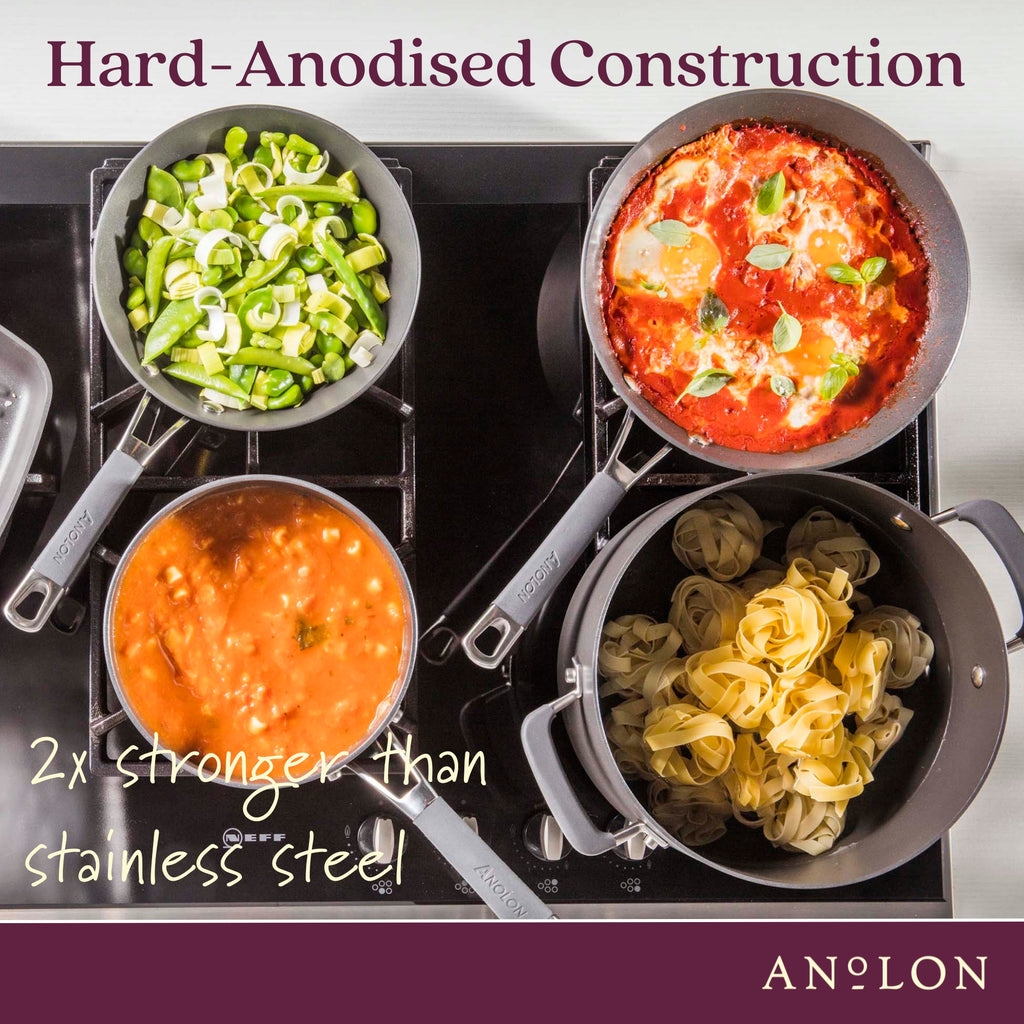
Anolon cookware mainly uses hard-anodized aluminum and stainless steel. Each metal offers unique benefits for cooking and oven use.
- Hard-Anodized Aluminum: This metal is strong and resists scratches. It heats up quickly and spreads heat evenly. Hard-anodized aluminum is lighter than stainless steel, making pots and pans easier to handle.
- Stainless Steel: Stainless steel is durable and non-reactive. It does not change the taste of food. It works well with metal utensils and is easy to clean. Stainless steel provides good oven safety, handling high temperatures without damage.
Here is a simple comparison of these metals used in Anolon cookware:
| Metal | Heat Distribution | Durability | Weight | Oven Safety |
|---|---|---|---|---|
| Hard-Anodized Aluminum | Excellent | High | Light | Safe up to 400°F – 450°F |
| Stainless Steel | Good | Very High | Heavier | Safe up to 500°F or more |
Both metals support even cooking and durability. The choice depends on your cooking style and oven temperature needs.
Nonstick Coating Features
Anolon cookware often features a special nonstick coating. This coating makes cooking and cleaning easier. It prevents food from sticking and reduces the need for oil or butter.
The nonstick coatings in Anolon products are designed for strength and safety in the oven. The coatings are usually PFOA-free, which means they do not contain harmful chemicals.
- Durability: The nonstick layer resists scratches and wears out slowly.
- Oven Safety: Most Anolon nonstick cookware is safe up to 400°F. Some lines can handle higher temperatures, but check product details.
- Easy Cleaning: Food slides off easily, making cleanup quick.
Here is a quick overview of common nonstick features in Anolon cookware:
| Feature | Description | Oven Temperature Limit |
|---|---|---|
| PFOA-Free Coating | Safe and environmentally friendly | Up to 400°F |
| Multi-Layer Coating | Extra durability and scratch resistance | Up to 400°F |
| Hard-Anodized Base | Supports even heating and coating adhesion | Up to 450°F (varies) |
The combination of hard metals and strong nonstick coating makes Anolon cookware reliable for many cooking tasks. It can handle stovetop use and most oven recipes safely.
Credit: www.liftingitalia.com
Oven Safety Limits
Understanding the oven safety limits of Anolon cookware is essential for safe and effective cooking. Knowing these limits helps protect your cookware and ensures your meals cook evenly. Oven safety limits refer to the maximum temperatures and conditions your cookware can handle without damage.
Maximum Oven Temperature
Anolon cookware is designed to be oven safe, but only up to certain temperatures. Most Anolon pans can safely withstand oven heat up to 400°F (204°C). This temperature is suitable for roasting, baking, and finishing dishes without harming the cookware.
Exceeding the maximum oven temperature can cause:
- Damage to the nonstick coating
- Warping of the pan
- Discoloration or weakening of the metal
Some specific Anolon lines, like hard-anodized sets, may tolerate slightly higher temperatures, up to 450°F (232°C). Always check the product manual or manufacturer website for exact limits.
| Cookware Type | Maximum Oven Temperature |
|---|---|
| Nonstick Hard-Anodized | 400°F (204°C) |
| Premium Hard-Anodized | 450°F (232°C) |
| Stainless Steel (Select Models) | 500°F (260°C) |
To maintain your cookware’s life, avoid using temperatures above these limits. Use an oven thermometer if needed to monitor heat precisely.
Handles And Lid Considerations
Handles and lids affect the overall oven safety of Anolon cookware. Many Anolon pans feature silicone or nylon handles that offer a comfortable grip but have lower heat resistance.
Handle materials and their oven-safe temperatures:
- Silicone Handles: Usually safe up to 400°F (204°C)
- Nylon Handles: Often safe up to 350°F (177°C)
- Metal Handles: Can withstand higher temperatures, often up to 450°F (232°C) or more
Using pans with plastic or nylon handles in very hot ovens can cause melting or damage. Remove lids before placing cookware in ovens above the handle’s safe temperature.
Glass lids are common with Anolon cookware, but their oven safety also varies. Most glass lids are safe up to 350°F (177°C). Check for manufacturer guidelines before using lids in the oven.
| Component | Material | Oven Safe Temperature |
|---|---|---|
| Handles | Silicone | Up to 400°F (204°C) |
| Handles | Nylon | Up to 350°F (177°C) |
| Handles | Metal | Up to 450°F (232°C) or higher |
| Lids | Glass | Up to 350°F (177°C) |
Always check your cookware’s labels for handle and lid limits. Using the right temperature settings keeps your cookware safe and working well for years.
Comparing Anolon Models
Understanding whether Anolon cookware is oven safe depends a lot on the specific model you choose. Anolon offers several cookware lines, each with different materials and features. Comparing Anolon models helps you pick the right set for your cooking needs and oven use. Some models handle high oven temperatures better than others. Knowing these differences can protect your cookware and improve your cooking results.
Hard-anodized Vs. Stainless Steel
Anolon’s two popular cookware types are hard-anodized and stainless steel. Both work well in the oven, but they have unique traits.
- Hard-Anodized Cookware is made from aluminum treated to be stronger and non-reactive.
- Stainless Steel Cookware is made from metal alloy that resists rust and corrosion.
Here is a quick comparison of their oven safety and other features:
| Feature | Hard-Anodized | Stainless Steel |
|---|---|---|
| Oven Safe Temperature | Up to 400°F (204°C) | Up to 500°F (260°C) |
| Heat Distribution | Excellent and even | Good, but can have hot spots |
| Durability | Scratch-resistant but can warp | Highly durable and warp-resistant |
| Maintenance | Requires gentle cleaning to protect coating | Dishwasher safe and easy to clean |
Hard-anodized sets are lighter and heat quickly. They suit everyday cooking and oven use within 400°F. Stainless steel models tolerate higher oven heat, ideal for roasting or baking at 500°F or more.
Choosing depends on your cooking style. For higher oven temperatures, stainless steel is safer. For non-stick ease and even heat, hard-anodized works well but limits oven heat.
Lid Material Differences
Anolon cookware comes with different lid types. These lids affect oven safety and cooking performance.
Most common lid materials:
- Tempered Glass Lids – Allow you to watch food cook without lifting the lid.
- Metal Lids – Usually made from stainless steel or hard-anodized metal matching the pot.
Here is how these lid types compare in the oven:
| Lid Type | Oven Safe Temperature | Advantages | Limitations |
|---|---|---|---|
| Tempered Glass | Up to 350°F (177°C) | See food without opening, retains moisture | Lower oven temperature limit, fragile |
| Metal | Up to 500°F (260°C) | High heat resistance, durable | Cannot see food while cooking |
Glass lids are great for stovetop and low-heat oven use. They help keep moisture in but break easily if exposed to high heat or thermal shock.
Metal lids suit higher oven temperatures and last longer. They also fit tight, locking in heat for roasting or braising.
Choosing the right lid depends on your oven use and cooking style. Match lid type and temperature limits to protect your cookware and improve cooking.
Care Tips For Oven Use
Anolon cookware is popular for its durability and cooking performance. Knowing how to care for it during oven use helps keep it in great shape. Proper care avoids damage and maintains the cookware’s nonstick surface. Follow simple steps to protect your Anolon pans and enjoy their benefits for years.
Avoiding Damage
To protect Anolon cookware in the oven, avoid sudden temperature changes. Heating the pan too fast or placing a hot pan on a cold surface can cause warping. Use oven mitts to handle cookware safely and prevent dropping or banging it against hard surfaces.
- Do not exceed the maximum oven temperature: Most Anolon pans are safe up to 400°F (204°C). Check your pan’s instructions to confirm.
- Avoid cooking sprays: They can leave a residue that damages the nonstick coating.
- Use silicone, wooden, or nylon utensils: Metal tools can scratch the surface.
- Do not use foil on the bottom of pans: It can block heat and cause uneven cooking.
| Common Mistake | Effect on Cookware | Prevention |
|---|---|---|
| Sudden temperature changes | Warping or cracking | Heat gradually and avoid cold surfaces |
| Using metal utensils | Scratches on nonstick surface | Use silicone or wooden tools |
| Exceeding oven temperature limit | Coating damage or discoloration | Follow manufacturer’s max temperature |
These simple steps keep your Anolon cookware safe and extend its oven life.
Cleaning After Oven Use
Cleaning Anolon cookware right after oven use preserves its coating and appearance. Let the pan cool before washing. Plunging a hot pan into cold water can cause warping or damage.
Use warm, soapy water and a soft sponge or cloth. Avoid abrasive cleaners or steel wool, which scratch the surface. For stuck-on food, soak the pan in warm water for a few minutes before cleaning.
- Do not use harsh chemicals: Bleach or oven cleaners harm the nonstick coating.
- Dry completely: Prevent rust by drying the pan fully after washing.
- Hand wash only: Dishwashers can wear down the nonstick surface over time.
Here is a quick cleaning guide:
- Let the cookware cool to room temperature.
- Fill the sink with warm water and mild dish soap.
- Use a soft sponge to gently clean the surface.
- Rinse thoroughly with clean water.
- Dry immediately with a soft towel.
Following these cleaning tips keeps your Anolon cookware looking new and performing well after every oven use.
Common User Experiences
Many people who use Anolon cookware want to know if it is safe to use in the oven. Common user experiences provide helpful insights on this topic. These experiences reveal how well Anolon cookware performs in ovens, what temperature limits users follow, and what results they get. Understanding these experiences helps buyers decide how to use their cookware safely and effectively.
Success Stories
Several users report positive experiences with Anolon cookware in the oven. They praise its durability and even cooking results. Many mention using their pans for baking, roasting, and finishing dishes without any damage. Users appreciate that the handles stay cool or only warm up slightly, making it easier to handle the pans.
- High heat tolerance: Most users successfully use Anolon cookware at temperatures up to 400°F (204°C).
- Even heat distribution: Many note that food cooks evenly without hot spots.
- Non-stick coating: The coating remains intact after several oven uses.
- Easy cleaning: Users find cleanup simple, even after oven cooking.
| User Experience | Details |
|---|---|
| Temperature Used | Up to 400°F (204°C) without damage |
| Cooking Types | Baking, roasting, braising |
| Handle Performance | Remains cool or slightly warm |
| Coating Durability | No peeling or flaking after multiple uses |
These success stories confirm that following manufacturer instructions leads to great results. Users enjoy cooking versatility and long-lasting cookware.
Potential Issues
Some users experience problems with Anolon cookware in the oven. Most problems happen when users exceed recommended temperatures or use metal utensils inside the pans. These issues affect the pan’s non-stick coating or handles.
- Overheating: Cooking above 400°F (204°C) can damage the coating or warp the pan.
- Handle damage: Plastic or silicone handles may melt or discolor at very high heat.
- Scratches: Using metal tools inside the pan can scratch and reduce non-stick performance.
- Cleaning challenges: Harsh scrubbing after oven use can wear down the coating.
Users advise avoiding these mistakes to keep cookware in good shape. Here is a summary of common issues and tips to prevent them:
| Issue | Cause | Prevention Tips |
|---|---|---|
| Coating Damage | High heat above 400°F | Stay within temperature limits |
| Warping | Rapid temperature changes | Preheat oven, avoid sudden cooling |
| Handle Melting | Excessive heat on plastic handles | Use oven-safe handles or avoid high heat |
| Scratches | Metal utensils | Use wooden or silicone tools |
Understanding these issues helps users extend the life of their Anolon cookware and enjoy safe oven use.
Credit: breezeresidency.com
Credit: anolon.com
Frequently Asked Questions
Is Anolon Cookware Safe To Use In The Oven?
Yes, most Anolon cookware is oven safe. It can typically withstand temperatures up to 400°F to 500°F. Always check the specific product details for exact temperature limits to avoid damage.
What Is The Maximum Oven Temperature For Anolon Pans?
Anolon pans usually handle oven temperatures up to 400°F to 500°F. Exceeding this limit can damage nonstick coatings or handles. Refer to the manufacturer’s guidelines for your specific model.
Can I Use Anolon Cookware Under A Broiler?
No, Anolon cookware is generally not safe under a broiler. The intense direct heat can damage the nonstick surface and handles. Avoid broiler use to maintain cookware quality.
Are Anolon Handles Oven Safe?
Yes, Anolon handles are designed to be oven safe up to the cookware’s maximum temperature. They are made from heat-resistant materials for safe oven use. Always verify with product instructions.
Conclusion
Anolon cookware works well in the oven up to certain temperatures. Always check the specific product’s heat limits before use. Oven safety depends on the handles and lids too. Metal handles usually handle heat better than plastic ones. Avoid using high heat if the manufacturer warns against it.
Proper care helps your cookware last longer. Cooking with Anolon in the oven can be safe and easy. Just follow the guidelines and enjoy your meals without worry. Safe cooking matters most in every kitchen.

Hello, This is Annie Walker, a 38-year-old blogger, founder, and editor of Cookware Guider from NY, USA. I am a cookware fanatic and passionate cooker. I love to cook with different types of cooking appliances (example: all types of cookware, rice cookers, slow cookers, etc) almost every day in my kitchen. I love to share my experience with my readers in my blog. Also, I enjoy helping people to solve their problems through my website. You can follow me on Twitter & Pinterest. To know details about my blog please check the about us page.