
Are you worried about the chemicals in your cookware? You want to keep your meals healthy and safe, but it’s hard to know which brands truly deliver on that promise.
When it comes to Alva Cookware, many people ask one key question: Is it really non-toxic? Understanding what’s inside your pots and pans matters because what touches your food can affect your health. Keep reading to find out if Alva Cookware is the safe choice your kitchen deserves.
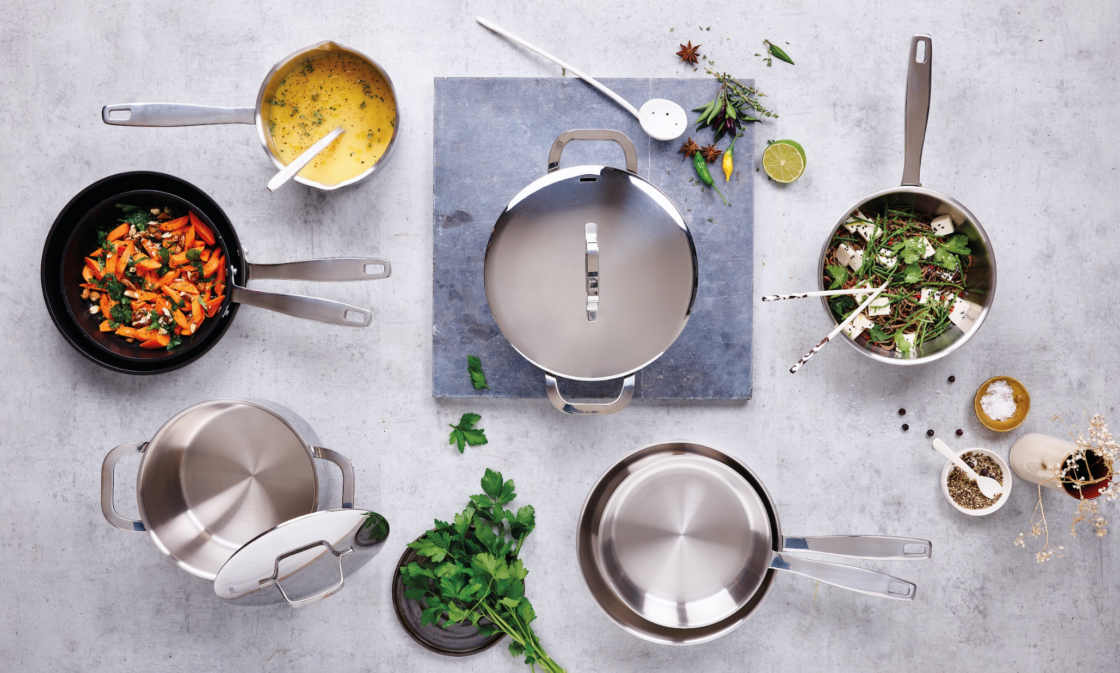
Credit: www.organicauthority.com
Alva Cookware Materials
Alva Cookware is popular for its focus on health and safety in the kitchen. Many people ask if it is non-toxic and safe for daily use. The answer lies in the materials used to make this cookware. Understanding Alva Cookware Materials helps you see why it is considered a healthy choice for cooking. The materials affect how the cookware heats, its durability, and if it releases any harmful chemicals during cooking.
Core Components
The core of Alva Cookware is built using quality metals that ensure even heat distribution and safety. The main components include:
- Stainless Steel: A common base material known for durability and corrosion resistance.
- Aluminum: Used in layers to improve heat conduction without adding weight.
- Copper: Sometimes included for fast and even heating.
These metals are layered carefully to avoid direct contact between reactive metals and food. This layering helps in:
- Preventing metal leaching into food.
- Ensuring faster and uniform cooking.
- Improving the cookware’s lifespan.
| Material | Purpose | Health Impact |
|---|---|---|
| Stainless Steel | Durability and corrosion resistance | Non-toxic and safe for cooking |
| Aluminum (anodized) | Heat conduction | Non-reactive when anodized, safe |
| Copper (if present) | Even heat distribution | Encased to avoid direct food contact |
Alva uses only food-grade metals. These metals do not emit harmful substances. The core design supports a non-toxic cooking experience.
Surface Coatings
Surface coatings in cookware play a big role in safety and ease of use. Alva Cookware uses non-toxic coatings that do not release harmful chemicals. The coatings include:
- Ceramic Coating: Made from natural minerals, free from PTFE and PFOA.
- Non-Stick Layer: Designed without harmful chemicals found in traditional non-stick pans.
The coatings offer benefits such as:
- Easy food release without sticking.
- Simple cleaning with less scrubbing.
- Resistance to scratches and stains.
Here is a quick comparison of common surface coatings:
| Coating Type | Material Used | Toxicity Level | Durability |
|---|---|---|---|
| Ceramic | Natural minerals | Non-toxic, free of PTFE/PFOA | Moderate, can chip if mishandled |
| Traditional Non-Stick | PTFE (Teflon) | May release toxins at high heat | High, but degrades over time |
Alva’s coatings avoid toxic chemicals. This choice helps protect your health. Cooking with these pans means fewer risks of harmful fumes. The coatings also help keep food flavors pure and fresh.
Health Impacts Of Cookware
Choosing the right cookware matters for your health. Cookware can release harmful substances into food, especially when heated. These toxins may cause long-term health problems. Understanding the health impacts of cookware helps you pick safer options. Alva cookware is often praised for its non-toxic properties. Let’s explore what common toxins exist in cookware and how Alva avoids them.
Common Toxins In Cookware
Many types of cookware contain chemicals that can be harmful. These toxins sometimes leach into food during cooking, especially at high temperatures. Here are some common toxins found in cookware:
- PTFE (Polytetrafluoroethylene): Often used in non-stick coatings. It can release toxic fumes if overheated.
- PFOA (Perfluorooctanoic acid): Once used in making non-stick coatings. Linked to cancer and hormone disruption.
- Lead: Found in some ceramic or colored cookware. Dangerous even in small amounts.
- Cadmium: Sometimes used in ceramic glazes. It can accumulate in the body and cause kidney damage.
- Aluminum: Lightweight but can react with acidic foods and affect the nervous system.
Here is a table summarizing the toxins and their risks:
| Toxin | Source in Cookware | Health Risks |
|---|---|---|
| PTFE | Non-stick coatings | Toxic fumes when overheated, respiratory issues |
| PFOA | Non-stick manufacturing | Cancer, hormone disruption |
| Lead | Ceramic paints and glazes | Neurological damage, poisoning |
| Cadmium | Ceramic glazes | Kidney damage, bone loss |
| Aluminum | Cookware bodies | Nervous system issues, food contamination |
Some cookware also contains other harmful chemicals like BPA or heavy metals. Using cookware without these toxins reduces health risks. Always check product labels or certifications for safety.
How Alva Avoids Harmful Chemicals
Alva cookware focuses on safety and health. The brand uses materials free from common toxins. This helps prevent harmful chemicals from entering your food.
Here are key ways Alva avoids harmful substances:
- No PTFE or PFOA: Alva’s non-stick coatings are free from these chemicals.
- Ceramic-based coatings: Made from natural minerals that do not release toxins.
- No heavy metals: Lead and cadmium are not present in Alva’s glazes or paints.
- Safe base materials: Uses stainless steel or anodized aluminum that does not react with food.
The following table compares Alva cookware features with typical toxic risks:
| Feature | Alva Cookware | Typical Toxic Risk |
|---|---|---|
| Non-stick coating | Ceramic, PTFE & PFOA free | PTFE, PFOA present in many brands |
| Heavy metals | Absent | Lead, cadmium sometimes found |
| Base material | Stainless steel, anodized aluminum | Uncoated aluminum reacts with food |
Alva also tests its products to meet safety standards. This ensures no toxic substances leach into your meals. Using Alva cookware can reduce exposure to harmful chemicals. It supports healthier cooking and eating habits.
Certifications And Safety Standards
Understanding the certifications and safety standards of Alva Cookware helps determine if it is truly non-toxic. These standards show how the product meets health and safety requirements. Safe cookware should not release harmful chemicals into food. Certifications provide proof that the cookware has passed strict tests. Safety standards guide manufacturers to create products safe for everyday use.
Third-party Testing
Alva Cookware undergoes third-party testing to confirm it is free from toxic substances. Independent labs test the cookware to ensure it does not contain harmful chemicals like lead, cadmium, or PFOA. These tests are important because they provide unbiased results.
Key points about third-party testing for Alva Cookware:
- Tests check for chemical leaching into food.
- Materials are tested for heavy metals and toxins.
- Testing ensures durability and safety under high heat.
- Reports from these tests are often available for consumers.
Here is a simple table showing common tests cookware undergoes:
| Test Type | Purpose | Safety Aspect |
|---|---|---|
| Leaching Test | Measures chemical release into food | Prevents food contamination |
| Heavy Metal Screening | Detects lead, cadmium, arsenic | Ensures non-toxic materials |
| Heat Resistance Test | Checks product durability at high temperatures | Prevents breakdown and toxin release |
These strict tests show that Alva Cookware is designed to be safe for your kitchen and family.
Industry Compliance
Alva Cookware meets several industry compliance standards that control cookware safety. These standards set clear rules about materials and production methods. Following these rules means the cookware is less likely to harm health.
Important compliance certifications for cookware include:
- FDA (Food and Drug Administration) approval for food contact safety.
- LFGB (Food, Articles of Daily Use and Feed Code) which is a strict German standard for food safety.
- Prop 65 compliance which limits harmful chemicals in consumer products.
Meeting these standards means:
- The cookware is safe for cooking and storing food.
- No harmful substances will transfer to your meals.
- Manufacturing processes follow safe and clean guidelines.
Here is a quick overview of these certifications:
| Certification | Focus Area | Benefit to User |
|---|---|---|
| FDA | Food contact safety | Safe for cooking and eating |
| LFGB | Material safety and hygiene | Less risk of toxins |
| Prop 65 | Chemical limits in products | Reduces exposure to harmful chemicals |
Alva Cookware’s compliance with these standards shows a strong commitment to safety. Users can trust the product to be non-toxic and reliable.
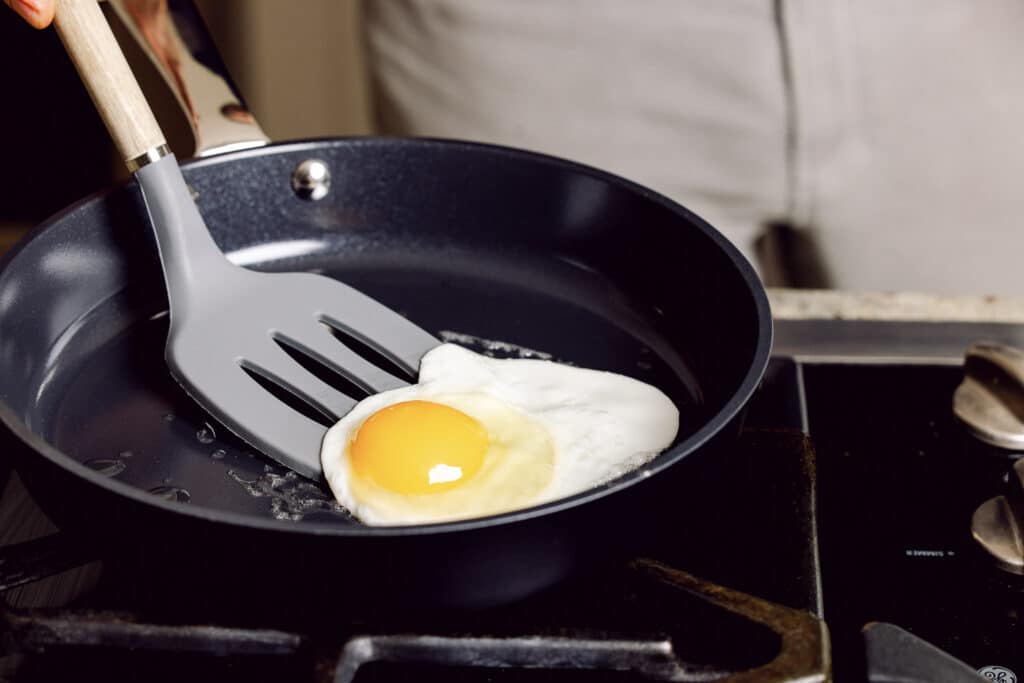
Credit: www.leafscore.com
User Experiences
Many people want to know if Alva Cookware is truly non-toxic. The best way to learn is through user experiences. Real users share their thoughts on safety, health, and cooking performance. These experiences help others decide if Alva Cookware fits their needs.
Customer Reviews
Customers often mention the non-toxic nature of Alva Cookware. Most say they feel safer cooking with this brand. They appreciate that the cookware does not release harmful chemicals. Many highlight the absence of PFOA and PTFE, which are common in some non-stick pans.
Common points from customer feedback include:
- Safe cooking surface: No signs of peeling or toxic smells.
- Easy cleaning: Food does not stick, reducing the need for harsh scrubbing.
- Durability: The cookware lasts several months without damage.
- Healthy meals: Users feel better knowing no chemicals leach into food.
Here is a simple summary of customer sentiments:
| Aspect | Positive Feedback | Negative Feedback |
|---|---|---|
| Non-toxic quality | Most users confirm no toxic smells or coatings. | Few report slight discoloration after heavy use. |
| Durability | Lasts 6-12 months with regular use. | Some mention scratches if metal utensils are used. |
| Ease of cleaning | Food easily wipes off. | Occasional sticky spots if overheated. |
Overall, users trust Alva Cookware for safe and healthy cooking. They recommend it for daily kitchen use.
Expert Opinions
Experts review cookware based on materials and manufacturing methods. Many confirm Alva Cookware uses non-toxic coatings. They test for harmful chemicals and heat resistance. Alva often passes these tests well.
Experts point out several benefits:
- Free from harmful chemicals: Alva cookware avoids PFOA, PFOS, and lead.
- Safe at high temperatures: Coatings remain stable without breaking down.
- Eco-friendly materials: Many parts are recyclable and less harmful to the environment.
Here is a comparison table based on expert reviews:
| Test Category | Alva Cookware | Industry Standard |
|---|---|---|
| Toxic Chemical Presence | None detected | Some brands contain trace amounts |
| Heat Stability | Stable up to 450°F (232°C) | Varies by brand |
| Eco-friendliness | Uses recycled materials | Often non-recycled |
Experts suggest using silicone or wooden utensils to extend cookware life. They also advise avoiding overheating to keep coatings intact.
In summary, expert opinions support Alva Cookware as a safe, non-toxic choice for everyday cooking.
Comparing Alva With Other Brands
Choosing cookware means thinking about safety and health. Many people ask, “Is Alva cookware non toxic?” To answer, we must compare Alva with other popular brands. This helps understand how safe Alva is for daily cooking. The focus is on two main points: toxicity levels and material quality. These factors tell us if the cookware can affect food or health. Below, we explore these points clearly and simply.
Toxicity Levels
Alva cookware uses non toxic materials that do not release harmful chemicals into food. This makes it a safer option than some brands that use coatings with chemicals like PFOA or PTFE. These chemicals can break down under heat and cause health risks.
Here is a quick comparison of toxicity levels between Alva and other brands:
| Brand | Toxic Chemicals Used | Non Toxic Certification | Heat Stability |
|---|---|---|---|
| Alva | None (No PFOA, No PTFE) | Yes (FDA Compliant) | High (Safe up to 450°F) |
| Brand A | Contains PFOA | No | Moderate (Safe up to 350°F) |
| Brand B | Contains PTFE | Partial | Low (Safe up to 300°F) |
- Alva’s non toxic design reduces health risks.
- Some brands use chemicals that can break down at high heat.
- Alva cookware keeps food safe even at higher cooking temperatures.
Choosing cookware without toxic chemicals helps avoid exposure to harmful substances. Alva cookware’s lack of PFOA and PTFE is a strong safety point.
Material Quality
Material quality affects durability, cooking performance, and safety. Alva cookware uses high-quality materials that do not chip or peel easily. This means the cookware lasts longer and stays safe for food contact.
Here is a breakdown of the materials used by Alva and other brands:
- Alva: Ceramic non-stick coating on aluminum base.
- Brand A: Traditional Teflon coating on steel base.
- Brand B: Anodized aluminum with PTFE coating.
| Feature | Alva | Brand A | Brand B |
|---|---|---|---|
| Durability | High (Scratch and chip resistant) | Medium (Coating prone to peeling) | Medium (Can wear with heavy use) |
| Heat Distribution | Excellent (Aluminum base conducts heat well) | Good | Good |
| Maintenance | Easy (Dishwasher safe, no harsh scrubbing) | Requires careful cleaning | Needs gentle cleaning |
Alva’s ceramic coating offers a smooth cooking surface that resists scratches. Aluminum base ensures fast and even heat. Other brands may need more care to avoid damage.
- Alva cookware combines good materials for safety and performance.
- Other brands may use cheaper coatings that wear out faster.
- Material quality affects how long the cookware remains safe and effective.
Tips For Safe Cookware Use
Using cookware safely helps keep food healthy and tasty. Alva cookware is known for its non-toxic materials. Still, following safe use tips protects both your health and your pans. Proper care extends the life of your cookware and keeps it working well. This section shares simple tips for safe use of Alva cookware.
Maintenance Practices
Good maintenance keeps Alva cookware safe and effective for cooking. Clean your pans after every use to stop food residue buildup. Use soft sponges or cloths to avoid scratches on the surface. Avoid steel wool or harsh scrubbers that can damage the cookware coating.
Follow these maintenance tips:
- Hand wash only: Avoid dishwashers to protect the pan’s surface.
- Use mild soap: Harsh detergents can wear down coatings.
- Dry immediately: Prevent rust or water spots by drying after washing.
- Season if needed: Some Alva pans benefit from light oiling after cleaning.
Check the care instructions that come with your cookware. Different materials need specific care. For example, non-stick surfaces need gentle cleaning and no metal utensils. Cast iron pieces require seasoning and drying to stop rust. Proper maintenance keeps the cookware non-toxic and safe for cooking.
| Maintenance Task | Why It Matters | Tips |
|---|---|---|
| Hand Washing | Protects the coating and extends cookware life | Use warm water, mild soap, and soft sponge |
| Drying | Prevents rust and water stains | Dry with a towel immediately after washing |
| Seasoning | Maintains surface and prevents sticking | Apply light oil after cleaning (if recommended) |
Avoiding Damage
Keeping Alva cookware safe means avoiding damage that affects its non-toxic quality. Physical damage like scratches or dents can expose underlying metals or coatings. This may lead to harmful substances mixing with food. Handle cookware with care and follow these tips:
- Use wooden or silicone utensils: Metal tools can scratch the surface.
- Avoid high heat: Cooking on very high heat can damage coatings.
- Do not drop or bang: Impact can cause dents or cracks.
- Store properly: Stack pans with cloth or paper towels between them.
Check your cookware regularly for signs of damage. Discard pans with deep scratches or peeling coatings to stay safe. Proper storage and gentle use protect the cookware’s non-toxic surface. This care keeps your cooking healthy and your pans lasting longer.
| Damage Type | Effect on Cookware | Prevention Tips |
|---|---|---|
| Scratches | Expose underlying materials, risk contamination | Use non-metal utensils, avoid abrasive scrubbing |
| Dents & Cracks | Weakens structure, causes leaks | Handle carefully, avoid dropping |
| Coating Peeling | Food contacts unsafe layers | Do not overheat, replace damaged pans |

Credit: www.amazon.com
Frequently Asked Questions
Is Alva Cookware Truly Non-toxic For Cooking?
Yes, Alva Cookware is made from non-toxic materials. It contains no harmful chemicals like PFOA or PTFE. This ensures safer and healthier cooking without toxic fumes or food contamination.
What Materials Make Alva Cookware Safe?
Alva Cookware uses ceramic and anodized aluminum. These materials are free from toxic chemicals. They provide even heat distribution and a non-toxic cooking surface.
Can Alva Cookware Release Toxins When Heated?
No, Alva Cookware does not release toxins at high temperatures. Its ceramic coating is stable and heat-resistant. This prevents harmful chemical leaching during cooking.
Is Alva Cookware Better Than Traditional Non-stick Pans?
Alva Cookware is safer due to its non-toxic coating. Traditional pans may contain chemicals like PTFE. Alva offers a chemical-free, eco-friendly alternative for healthy cooking.
Conclusion
Alva cookware offers a safer choice for your kitchen. It uses materials that avoid harmful chemicals. Cooking feels cleaner and more natural with this brand. You can trust it for everyday meals. Safe cookware helps protect your health over time.
Choose Alva for a simple, non-toxic option. It fits well with a healthy lifestyle. Small changes in cookware make a big difference. Think about what you put on your plate. Alva cookware supports cooking with peace of mind.

Hello, This is Annie Walker, a 38-year-old blogger, founder, and editor of Cookware Guider from NY, USA. I am a cookware fanatic and passionate cooker. I love to cook with different types of cooking appliances (example: all types of cookware, rice cookers, slow cookers, etc) almost every day in my kitchen. I love to share my experience with my readers in my blog. Also, I enjoy helping people to solve their problems through my website. You can follow me on Twitter & Pinterest. To know details about my blog please check the about us page.