
When you’re choosing cookware, safety is probably at the top of your mind. You might have seen stainless steel pots and pans that include aluminum inside.
But is aluminum in stainless steel cookware safe for you and your family? Understanding this can help you cook with confidence and avoid worries about harmful chemicals. Keep reading to discover what you need to know about aluminum in your cookware and how it affects your health and cooking experience.
Credit: vinodcookware.com
Aluminum In Cookware
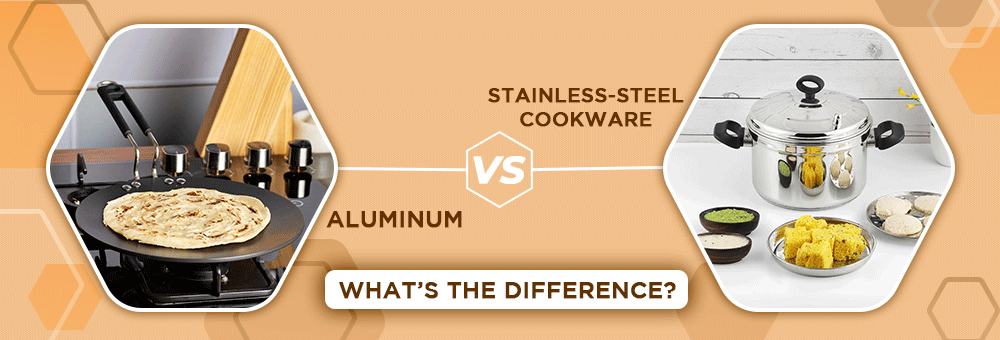
Aluminum is a popular metal found in many types of cookware, including stainless steel sets with aluminum cores or bases. It is important to understand what aluminum does in cookware and if it affects safety. Aluminum’s role in cookware often focuses on improving heat conduction and cooking performance. Many people wonder if aluminum can leach into food or cause health problems. Knowing the basics about aluminum in cookware helps make safer choices for your kitchen.
Common Uses Of Aluminum
Aluminum appears in many kitchen tools and cookware due to its unique qualities. It is lightweight, affordable, and conducts heat well. These features make aluminum a favorite for pots, pans, and baking trays. Here are some common uses of aluminum in cookware:
- Aluminum Pans and Pots: Often sold as pure aluminum cookware. They heat quickly and evenly but may react with acidic foods.
- Aluminum-Core Stainless Steel Cookware: Stainless steel pans sometimes have an aluminum core or base to improve heat distribution.
- Baking Sheets and Trays: Aluminum baking trays are popular for their quick heat conduction.
- Non-stick Cookware: Aluminum is often used as a base metal in non-stick pans.
Aluminum is also used outside of cookware in foil, wraps, and containers for food storage. In cookware, aluminum is sometimes anodized, a process that hardens the metal and reduces reactivity. This makes anodized aluminum safer and more durable for cooking.
| Cookware Type | Role of Aluminum | Benefits |
|---|---|---|
| Pure Aluminum Cookware | Main material | Lightweight, heats quickly |
| Aluminum-Core Stainless Steel | Core or base layer | Improves heat distribution |
| Non-stick Pans | Base metal | Good heat conduction, easy cleaning |
Properties Of Aluminum
Aluminum has several physical and chemical properties that make it useful in cookware. It is a soft, silvery-white metal with low density. These properties affect how aluminum performs in the kitchen:
- Excellent Heat Conductor: Aluminum heats up quickly and spreads heat evenly across the cooking surface.
- Lightweight: Aluminum cookware is easy to handle and carry.
- Reacts with Acidic Foods: Aluminum can react with foods like tomatoes or vinegar, sometimes causing discoloration or a metallic taste.
- Corrosion Resistant: Aluminum forms a thin oxide layer that protects it from rust.
Many aluminum cookware pieces are anodized or coated to reduce food contact with bare aluminum. This process hardens the surface and prevents aluminum from leaching into food. Uncoated aluminum can sometimes leach small amounts of metal, especially when cooking acidic foods for long times.
| Property | Description | Effect in Cookware |
|---|---|---|
| Thermal Conductivity | High | Even heat distribution |
| Density | Low (2.7 g/cm³) | Lightweight pans |
| Reactivity | Reacts with acids | Possible food discoloration |
| Oxide Layer | Protective surface | Prevents rust, reduces leaching |
Credit: tamararubin.com
Stainless Steel Composition
Stainless steel cookware is popular for its durability and resistance to rust. One important factor in its safety and performance is its composition. Stainless steel consists of various metals mixed together. These metals give it strength, heat conduction, and corrosion resistance. Understanding the composition helps explain whether aluminum in stainless steel cookware is safe.
Types Of Stainless Steel
Stainless steel comes in different types, each with unique properties. The main types used in cookware are:
- 304 Stainless Steel: Also called 18/8 or 18/10 stainless steel. Contains 18% chromium and 8-10% nickel. Known for good corrosion resistance and durability.
- 316 Stainless Steel: Contains 16% chromium, 10% nickel, and 2% molybdenum. Offers better resistance to acids and salt water.
- 430 Stainless Steel: Contains 16-18% chromium and no nickel. Less expensive but less resistant to corrosion.
Each type affects cookware quality and safety. Nickel adds shine and corrosion resistance but can cause allergies for some people.
| Type | Chromium % | Nickel % | Other Elements | Uses |
|---|---|---|---|---|
| 304 | 18 | 8-10 | None | Cookware, kitchen appliances |
| 316 | 16 | 10 | Molybdenum 2% | Marine, medical, cookware |
| 430 | 16-18 | 0 | None | Cookware, automotive parts |
Cookware often uses 304 stainless steel due to its balance of cost and durability. Some cheaper sets use 430 stainless steel but it may rust faster.
How Aluminum Is Incorporated
Aluminum is not part of stainless steel itself but can be added to cookware for better heat conduction. Stainless steel alone does not conduct heat well. Aluminum helps spread heat evenly, preventing hot spots.
There are several ways aluminum is added to stainless steel cookware:
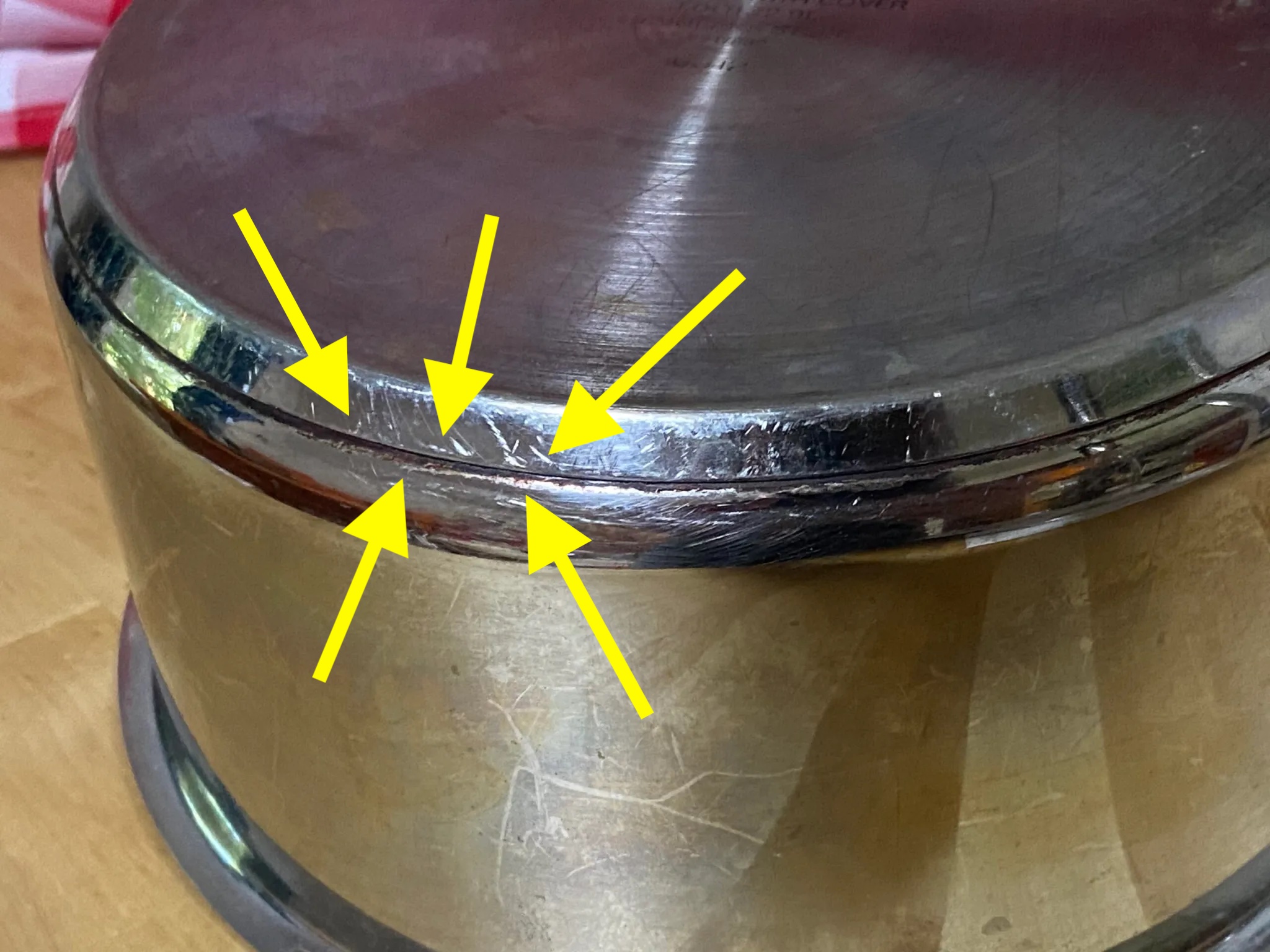
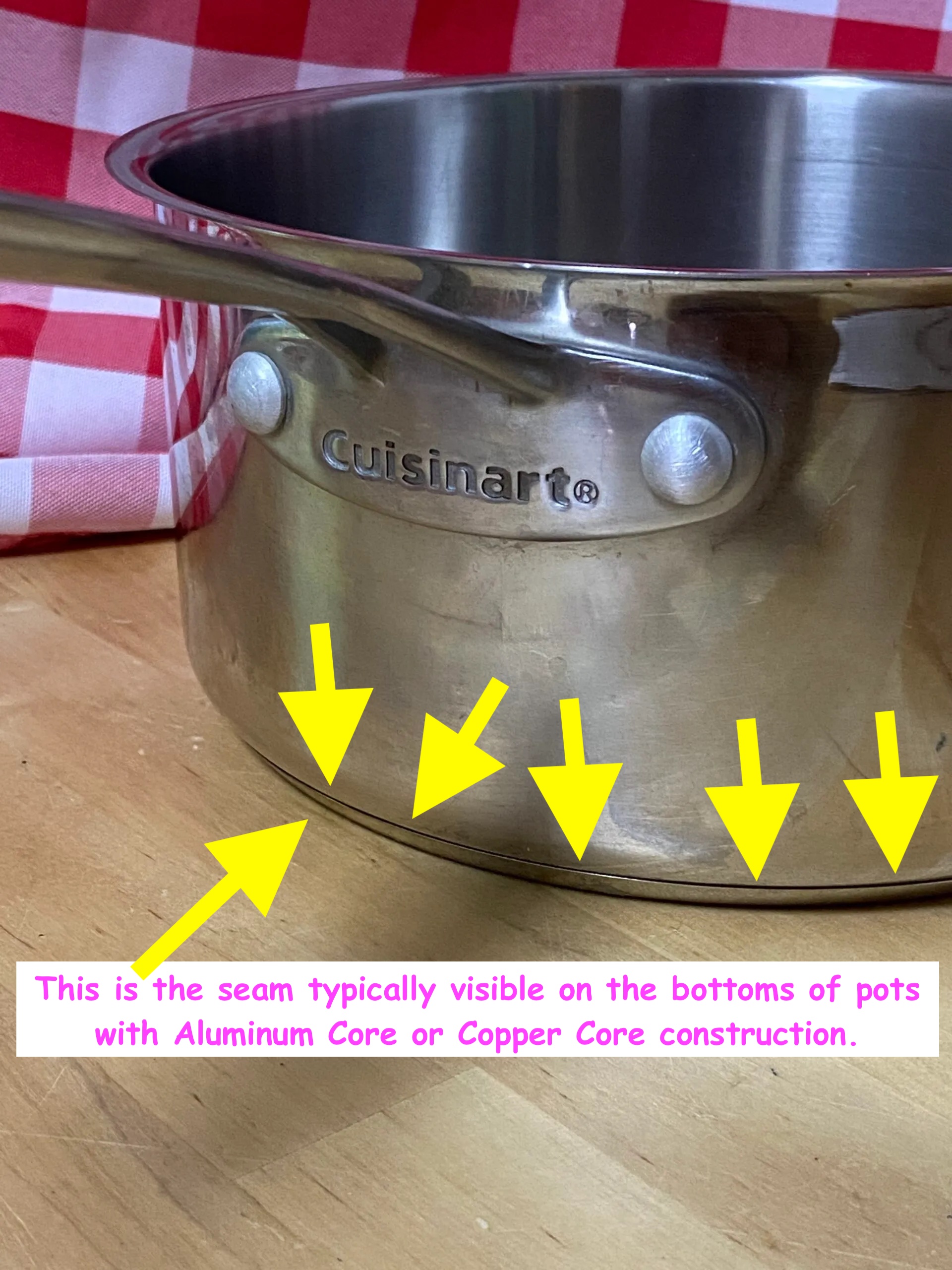
- Clad Layers: Aluminum forms a core or layer inside stainless steel layers. This sandwich design improves heat transfer.
- Disc Base: Aluminum discs attach to the bottom of stainless steel pans. This helps heat spread across the base.
- Aluminum Core: Some pans have a thick aluminum core fully enclosed by stainless steel on all sides.
Using aluminum inside stainless steel is safe because the aluminum does not contact food directly. Stainless steel forms a barrier, preventing any aluminum from leaching out.
| Method | Description | Food Contact | Heat Distribution |
|---|---|---|---|
| Clad Layers | Aluminum layer between stainless steel sheets | No | Excellent |
| Disc Base | Aluminum disc attached to bottom | No | Good |
| Aluminum Core | Thick aluminum core covered by stainless steel | No | Very good |
This design ensures cookware remains safe and durable. Aluminum improves cooking performance without affecting food safety.
Health Concerns
Health concerns often arise about the materials used in cookware. Stainless steel cookware sometimes contains aluminum as a core or base layer. People worry if this aluminum can leach into food and cause health problems. Understanding these concerns helps make safer kitchen choices. This section explains the risks linked to aluminum exposure and the specific impact of aluminum in stainless steel cookware.
Aluminum Exposure Risks
Aluminum is a common metal found in many products, including food packaging, cosmetics, and cookware. The human body can handle small amounts of aluminum, but too much may lead to health issues. Scientists study how aluminum affects health and what levels are safe.
Possible risks from aluminum exposure include:
- Brain health problems: Some studies suggest a link between high aluminum levels and memory loss or diseases like Alzheimer’s.
- Bone disorders: Excess aluminum might interfere with bone growth and strength.
- Kidney damage: People with kidney problems may have trouble removing aluminum from their bodies, causing buildup.
Not all aluminum exposure is harmful. The body usually removes small amounts through urine. Risks increase only if exposure is very high or long-term.
| Source of Aluminum | Exposure Level | Health Risk |
|---|---|---|
| Cookware (anodized or stainless steel with aluminum core) | Low to moderate | Minimal for healthy individuals |
| Aluminum-containing food additives | Varies | Usually safe in small amounts |
| Occupational exposure (factories) | High | Increased risk of health problems |
Impact Of Aluminum In Cookware
Aluminum in cookware often appears as a layer beneath stainless steel. This design helps with heat distribution and cooking performance. The question is whether this aluminum touches your food or stays sealed inside.
Key points about aluminum in stainless steel cookware:
- Aluminum is usually sealed: Manufacturers sandwich aluminum between stainless steel layers. Food touches only stainless steel, which resists corrosion and prevents metal transfer.
- Low risk of leaching: The stainless steel surface stops aluminum from mixing with food, even when cooking acidic meals.
- Wear and damage matter: Scratches or damage to the cookware’s surface could expose aluminum. Proper care extends cookware life and safety.
Some studies tested aluminum release from cookware. Results show very low or no aluminum in food cooked with stainless steel-aluminum pans. Still, avoid cooking very acidic foods in damaged pans.
Tips to reduce aluminum exposure from cookware:
- Choose high-quality cookware with a thick stainless steel layer.
- Avoid using metal utensils that can scratch the surface.
- Replace cookware if the surface shows damage or peeling.
Safety Standards
Safety standards ensure that cookware materials do not harm health. Stainless steel cookware sometimes contains aluminum layers for better heat distribution. This raises questions about the safety of aluminum in these products. Strict safety rules help control the quality and materials used in cookware. These rules protect users from harmful chemicals or metals leaching into food. Understanding these standards helps buyers make smart and safe choices in the kitchen.
Regulations On Cookware Materials
Cookware materials must follow laws set by health and safety authorities. These rules limit the types of metals and chemicals allowed in cookware. The goal is to prevent toxic substances from reaching food. Stainless steel with aluminum cores must meet these standards.
- FDA (Food and Drug Administration): Controls food contact materials in the USA.
- European Food Safety Authority (EFSA): Sets rules for cookware sold in Europe.
- ISO (International Organization for Standardization): Provides global standards for material safety.
These agencies require manufacturers to prove their products are safe through:
- Material testing for harmful elements
- Limits on metal release levels
- Clear labeling of cookware materials
| Regulation Body | Focus Area | Key Requirement |
|---|---|---|
| FDA | Food contact safety | Limits metal leaching in cookware |
| EFSA | Cookware material safety | Strict controls on aluminum release |
| ISO | Global material standards | Ensures safe production processes |
Aluminum in stainless steel cookware is allowed only if it stays within safe limits. This protects users from any health risks.
Testing And Certification
Cookware undergoes many tests before reaching customers. These tests check if metals like aluminum can leak into food. Manufacturers use labs to confirm safety. Certification proves that products meet safety rules.
Common tests include:
- Metal migration test: Measures how much metal can move into food.
- Corrosion resistance test: Checks if the cookware resists wear and tear.
- Heat stability test: Ensures the product stays safe under high temperatures.
Certification bodies provide official approval after testing. Look for marks such as:
- FDA compliance label
- CE marking for Europe
- ISO certification number
These marks confirm that stainless steel cookware with aluminum is safe. They show the product passed strict quality checks. Always buy cookware with proper certification to avoid risks.
Benefits Of Aluminum Layers
Aluminum layers in stainless steel cookware play a key role in improving cooking performance. These layers offer several benefits that enhance heat distribution and make pots and pans easier to handle. Understanding these advantages helps explain why aluminum is often safely combined with stainless steel. The aluminum is sandwiched between stainless steel layers, keeping it away from direct contact with food, which makes it safe and effective.
Heat Conductivity
Aluminum is known for its excellent heat conductivity. It heats up quickly and spreads heat evenly across the cookware surface. This prevents hot spots where food can burn or cook unevenly.
- Faster cooking times: Aluminum heats rapidly, reducing the wait time before cooking starts.
- Even heat distribution: Food cooks uniformly without cold or hot patches.
- Better temperature control: Easier to maintain steady heat for delicate dishes.
The table below compares the thermal conductivity of common cookware metals:
| Material | Thermal Conductivity (W/m·K) |
|---|---|
| Aluminum | 205 |
| Stainless Steel | 16 |
| Copper | 401 |
As shown, aluminum’s thermal conductivity is much higher than stainless steel. This means aluminum layers help cookware heat quickly and evenly, while stainless steel provides durability and a smooth cooking surface.
Durability And Weight
Aluminum layers add benefits without sacrificing strength. Stainless steel is strong and resists rust, scratches, and dents. Aluminum is lighter, which helps reduce the cookware’s overall weight.
Combining these metals produces cookware that is:
- Strong and long-lasting: Stainless steel protects the aluminum core.
- Light enough to handle easily: Less heavy than pure stainless steel pots and pans.
- Resistant to warping: Aluminum’s flexibility helps maintain shape during heating.
This combination creates cookware that balances toughness and ease of use. The aluminum layer stays protected inside, so it does not wear down or react with food. Users enjoy cookware that feels solid but is not too heavy for daily cooking.
Alternatives To Aluminum
Aluminum is common in stainless steel cookware for its heat conduction. Some worry about aluminum’s safety in cooking. Alternatives to aluminum exist for those who want different materials. These options provide good cooking results and may feel safer. Understanding these alternatives helps in choosing the right cookware.
Copper And Other Metals
Copper offers excellent heat distribution. It heats up quickly and cools down fast, giving better control while cooking. Copper cookware often has a stainless steel lining to avoid direct contact with food, which prevents copper from reacting with acidic ingredients.
Other metals used in cookware include:
- Cast Iron: Great heat retention but heavier and needs seasoning.
- Titanium: Very light and strong, but more expensive.
- Carbon Steel: Similar to cast iron but lighter and quicker to heat.
| Metal | Heat Conductivity | Durability | Maintenance |
|---|---|---|---|
| Copper | Excellent | Moderate | Requires polishing |
| Cast Iron | Good | Very High | Needs seasoning |
| Titanium | Moderate | Very High | Easy |
| Carbon Steel | Good | High | Seasoning needed |
Fully Stainless Steel Options
Stainless steel cookware without aluminum layers is available. These pots and pans use only stainless steel throughout. They are strong, resistant to rust, and easy to clean. But, stainless steel alone does not conduct heat well. This can cause hot spots and uneven cooking.
Manufacturers often use thicker stainless steel or sandwich layers of different metals inside to improve heat distribution. Cookware labeled “fully stainless steel” usually means no aluminum core is present. These products focus on durability and safety.
- Pros of fully stainless steel cookware:
- Non-reactive surface safe for all foods
- Long-lasting and resistant to scratches
- Easy to maintain and clean
- Cons:
- Poor heat conduction without inner layers
- May require more time to cook evenly
Choosing fully stainless steel cookware suits those prioritizing safety and durability. For better heat, some models add copper or stainless steel cores inside, still avoiding aluminum.
Maintenance Tips
Aluminum is often used inside stainless steel cookware to improve heat conduction. Knowing how to care for these pots and pans keeps them safe and lasting longer. Proper maintenance stops damage and keeps the cookware working well. Simple steps help avoid problems like stains, scratches, or corrosion. Follow these tips to keep aluminum-infused stainless steel cookware clean and protected.
Cleaning Aluminum-infused Cookware
Cleaning cookware with aluminum layers needs care to avoid scratches or discoloration. Use mild dish soap and warm water for daily cleaning. Avoid harsh scrubbers that can damage the aluminum surface hidden inside the stainless steel.
- Use soft sponges or cloths: Gentle cleaning tools prevent scratching.
- Avoid bleach and abrasive cleaners: These damage the aluminum layer and the stainless steel.
- Remove stuck food carefully: Soak the cookware in warm water before scrubbing.
For tough stains or discoloration, try a paste made of baking soda and water. Apply the paste gently with a soft cloth and rinse well. This method cleans without harming the aluminum or steel.
| Cleaning Method | Recommended | Not Recommended |
|---|---|---|
| Dish Soap and Warm Water | ✔ Gentle and effective | ✘ None |
| Soft Sponge or Cloth | ✔ Safe for aluminum and steel | ✘ Steel wool or abrasive pads |
| Baking Soda Paste | ✔ Removes stains softly | ✘ Harsh chemical cleaners |
Dry cookware immediately after washing. This prevents water spots and keeps the metal shiny. Store in a dry place to avoid moisture buildup. Good cleaning habits protect the cookware’s aluminum core and outer stainless steel.
Preventing Corrosion And Damage
Corrosion can harm the aluminum inside stainless steel cookware. Protect the cookware by following simple rules. Avoid using metal utensils that can scratch the surface. Scratches expose aluminum to air and moisture, causing corrosion.
- Use wooden, silicone, or plastic utensils: These materials are gentle on the cookware.
- Do not leave food in cookware for long periods: Acidic foods can damage aluminum over time.
- Heat cookware gradually: Sudden high heat can weaken the metal layers.
Check cookware regularly for signs of wear. Small scratches or dents are normal but avoid deep damage. If corrosion appears, stop using the cookware until it is repaired or replaced. Proper care reduces risks and keeps cookware safe for cooking.
| Risk | Preventive Action | Result |
|---|---|---|
| Scratches from metal tools | Use wooden or silicone utensils | Protects aluminum layer |
| Corrosion from acidic food | Do not store food in cookware | Prevents metal damage |
| Warping from sudden heat | Heat gradually on medium or low | Maintains cookware shape |
Store cookware with care. Avoid stacking heavy items on top. Place soft cloths between pans to prevent scratches. This simple step keeps the aluminum and stainless steel layers intact.
Credit: tamararubin.com
Frequently Asked Questions
Is Aluminum Safe In Stainless Steel Cookware?
Aluminum in stainless steel cookware is generally safe. It enhances heat conduction without leaching harmful substances. Quality cookware seals aluminum between stainless steel layers, preventing direct food contact and aluminum exposure.
Can Aluminum Cause Health Issues In Cookware?
Aluminum exposure from sealed cookware is minimal and typically safe. Health risks arise only with direct aluminum contact or damaged cookware releasing aluminum into food.
Why Is Aluminum Used In Stainless Steel Cookware?
Aluminum improves heat distribution and cooking efficiency. It prevents hot spots, ensuring even cooking. This combination offers durability with excellent thermal performance.
Does Aluminum React With Acidic Foods In Stainless Steel Pans?
No, aluminum in stainless steel cookware is usually enclosed, preventing reactions with acidic foods. This protects food flavor and safety during cooking.
Conclusion
Aluminum in stainless steel cookware is generally safe to use. It helps cook food evenly and quickly. The aluminum layer stays inside and does not touch your food. Quality cookware has a protective barrier that stops metals from mixing. Always choose trusted brands and check product details.
Proper care keeps your cookware safe and lasting longer. So, enjoy cooking without worry or fuss. Safe, strong, and efficient—just what good cookware should be.

Hello, This is Annie Walker, a 38-year-old blogger, founder, and editor of Cookware Guider from NY, USA. I am a cookware fanatic and passionate cooker. I love to cook with different types of cooking appliances (example: all types of cookware, rice cookers, slow cookers, etc) almost every day in my kitchen. I love to share my experience with my readers in my blog. Also, I enjoy helping people to solve their problems through my website. You can follow me on Twitter & Pinterest. To know details about my blog please check the about us page.