
Are you worried about the safety of the cookware you use every day? Choosing non-toxic pots and pans is important for your health and your family’s well-being.
Bazova cookware has been gaining attention, but is it truly non-toxic? If you want to cook delicious meals without harmful chemicals, you need to know the facts. Keep reading to discover what makes Bazova cookware stand out and whether it’s the safe choice for your kitchen.

Credit: www.ubuy.fr
Bazova Cookware Materials
Bazova cookware is known for its focus on health and safety. Understanding the materials used helps decide if it is truly non-toxic. This section breaks down the metals, coatings, and handles used in Bazova products. Each part affects the cookware’s safety and cooking quality. Clear knowledge about these materials helps you cook with confidence and peace of mind.
Types Of Metals Used
Bazova cookware primarily uses metals that are safe and durable for everyday cooking. The main metals include:
- Aluminum: Lightweight and excellent at conducting heat. Bazova uses hard-anodized aluminum, which is stronger and more scratch-resistant than regular aluminum.
- Stainless Steel: Often used for the base or the exterior. It is corrosion-resistant and safe for food contact.
- Copper Base: Some models include a copper layer for better heat distribution, but it is fully enclosed to avoid direct food contact.
Bazova’s hard-anodized aluminum goes through an electrochemical process. This process creates a hard, non-reactive surface that prevents aluminum from leaching into food. The metals used are free from heavy metals like lead, cadmium, and nickel, which can be harmful.
| Metal Type | Properties | Safety |
|---|---|---|
| Hard-Anodized Aluminum | Lightweight, durable, non-reactive | Non-toxic, no aluminum leaching |
| Stainless Steel | Corrosion-resistant, strong | Safe, no harmful metals |
| Copper Base (enclosed) | Better heat conduction | Safe, no direct food contact |
These metals ensure Bazova cookware is safe for daily use. The combination of metals offers even heating and durability without toxic risks.
Nonstick Coating Composition
Bazova cookware features a nonstick coating designed for safety and ease of cooking. This coating is free from harmful chemicals like PFOA and PTFE.
The coating is made from a ceramic-based formula. Ceramic coatings are popular for being non-toxic and resistant to scratching and peeling. They do not release toxic fumes even at high temperatures.
- PFOA-free: No perfluorooctanoic acid, which is linked to health risks.
- PTFE-free: No polytetrafluoroethylene, common in older nonstick pans but can break down at high heat.
- Ceramic material: Natural and safe, with good nonstick properties.
The ceramic coating also helps cook food with less oil, promoting healthier meals. It resists scratching from metal utensils better than traditional nonstick layers.
| Feature | Details | Health Impact |
|---|---|---|
| Material | Ceramic-based nonstick | Non-toxic, safe at high heat |
| PFOA | Not used | Eliminates risk of chemical exposure |
| PTFE | Not used | Prevents toxic fumes |
Bazova’s nonstick coating is a healthy choice. It allows easy food release without harmful chemicals. This coating keeps the cookware safe and long-lasting.
Handle And Exterior Materials
Handles and exteriors are important for safety and comfort. Bazova uses materials that stay cool and resist wear.
- Bakelite Handles: Heat-resistant plastic that stays cool during cooking.
- Stainless Steel Handles: Durable and often designed with hollow or layered construction to reduce heat transfer.
- Exterior Finish: The outer surface is usually coated with a tough, non-toxic enamel or powder coating.
Bakelite handles provide a secure grip without heating up. Stainless steel handles add strength and a sleek look. The exterior coating protects against rust and damage.
| Component | Material | Benefit |
|---|---|---|
| Handle | Bakelite or Stainless Steel | Heat-resistant, comfortable grip |
| Exterior | Enamel or Powder Coating | Durable, non-toxic, rust-resistant |
The materials used keep cooking safe and easy. They avoid toxic substances and provide comfort during use. Bazova’s design focuses on safety and long-term use.

Credit: www.amazon.com
Health And Safety Certifications
Bazova Cookware is popular for its promise of safe and non-toxic cooking. Understanding its health and safety certifications helps confirm this claim. Certifications show that the cookware meets strict rules for food safety and material quality. These certifications protect your family from harmful chemicals. They also ensure the cookware performs well without releasing toxins during cooking.
Fda And Lfgb Approvals
Bazova Cookware has received approvals from both the FDA (Food and Drug Administration) and LFGB (Lebensmittel- und Futtermittelgesetzbuch). These certifications are important for food contact materials.
The FDA approval means the cookware is safe for use in the United States. It confirms the materials do not release harmful substances into food. The FDA tests for:
- Heavy metals like lead and cadmium
- Harmful chemicals such as BPA and PFOA
- Material stability under heat
The LFGB certification is the German food safety standard. It is stricter in many cases than other global certifications. LFGB approval guarantees:
- No dangerous substances transfer to food
- Safe use at high cooking temperatures
- Compliance with European food safety laws
| Certification | Focus | Region | Key Benefits |
|---|---|---|---|
| FDA | Food contact safety | USA | No heavy metals, BPA, PFOA; heat stable |
| LFGB | Food and feed safety | Germany / EU | Strict chemical limits; high heat safety |
These approvals prove Bazova Cookware is tested and approved by trusted food safety bodies. It supports the claim that the cookware is non-toxic and safe for daily use.
Third-party Testing Results
Independent labs conduct third-party testing to verify Bazova Cookware’s safety. These tests add a layer of trust beyond manufacturer claims. They check for chemical leaching, durability, and heat resistance.
Key testing areas include:
- Chemical leaching: Ensures no harmful chemicals like lead or cadmium enter food.
- Heat resistance: Confirms the cookware remains stable and safe at cooking temperatures.
- Durability tests: Checks if the coating or material breaks down with use.
Sample test results from third-party labs show:
| Test | Result | Safety Standard |
|---|---|---|
| Lead and Cadmium leaching | Below detectable limits | FDA & LFGB limits |
| BPA and PFOA presence | None detected | FDA & EU regulations |
| High temperature stability | Passed up to 450°F (232°C) | Industry standard |
These independent tests confirm Bazova Cookware’s non-toxic claims. They show the cookware is safe for everyday cooking and won’t release harmful substances.
Chemical Concerns In Cookware
Choosing cookware involves more than just looks and price. Safety is key. Chemicals used in cookware can affect health. Many people worry about toxic substances in pots and pans. These chemicals might leak into food during cooking. Understanding chemical concerns helps in picking non-toxic cookware like Bazova. This section explores two main worries: PTFE and PFOA presence, and heavy metals or other toxins.
Ptfe And Pfoa Presence
PTFE (polytetrafluoroethylene) is a common non-stick coating. PFOA (perfluorooctanoic acid) is a chemical once used in making PTFE. Both have raised safety questions.
PTFE is safe at normal cooking temperatures. It stops food from sticking. But it can break down and release fumes if overheated above 260°C (500°F). These fumes may cause flu-like symptoms in humans and harm pet birds.
PFOA is not used in Bazova cookware. It was linked to health problems and environmental harm. Many brands stopped using PFOA since 2015.
| Chemical | Use | Health Concern | Presence in Bazova Cookware |
|---|---|---|---|
| PTFE | Non-stick coating | Fumes if overheated | Yes, safe under normal use |
| PFOA | Manufacturing aid for PTFE | Linked to cancer and liver damage | No |
Key points about PTFE and PFOA in Bazova cookware:
- PTFE is present but designed to withstand normal cooking heat.
- No PFOA is used in Bazova products.
- Use cookware under recommended temperatures to avoid risks.
Heavy Metals And Toxins
Heavy metals like lead, cadmium, and mercury can be dangerous if they enter food. Some cookware materials may release these metals, especially if poorly made.
Bazova cookware undergoes strict quality checks. It meets international standards limiting heavy metals. This reduces risk of metal poisoning during cooking.
Common heavy metals to watch for:
- Lead: Harmful to brain and nervous system.
- Cadmium: Can cause kidney damage.
- Mercury: Affects brain and lungs.
Test results show Bazova cookware has levels well below safety limits. They use safe materials like anodized aluminum and food-grade coatings.
| Metal | Health Effect | Allowed Limit (mg/kg) | Bazova Cookware Level |
|---|---|---|---|
| Lead | Brain damage, especially in children | 0.1 | <0.01 |
| Cadmium | Kidney damage | 0.05 | <0.01 |
| Mercury | Neurological problems | 0.01 | <0.001 |
Tips for safer cookware use:
- Do not scratch non-stick surfaces.
- Avoid using metal utensils on coated pans.
- Follow cleaning instructions carefully.
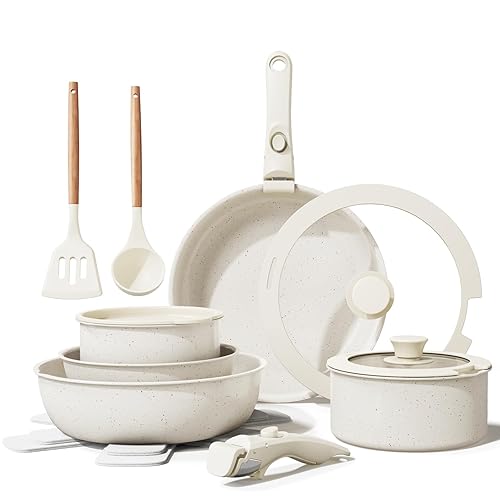
Credit: bahrain.whizzcart.com
User Experiences And Reviews
User experiences and reviews offer valuable insights into whether Bazova cookware is truly non-toxic. Real-life feedback helps reveal how this cookware performs in everyday kitchens. It also shows if users face any health concerns or issues with the material. Many buyers share detailed thoughts on the safety, durability, and cooking quality of Bazova products. These firsthand accounts provide a clearer picture beyond the product labels and marketing claims.
Reported Health Issues
Most users report no serious health problems after using Bazova cookware. Many highlight that the pans do not release harmful chemicals during cooking. This is important for people worried about toxins like PFOA or PTFE in cookware.
- No signs of chemical smell or taste: Users say food tastes clean and natural.
- Safe for high heat: Some mention cooking at medium to high temperatures without issues.
- Good for sensitive skin: Few reviews note no allergic reactions or skin irritation from handling cookware.
Some users remain cautious and suggest seasoning new pans to reduce any initial coating residue. A small number mention discoloration or staining but do not link it to health risks.
| Reported Issue | Frequency | User Notes |
|---|---|---|
| Unpleasant odor at first use | Low | Usually fades after few washes |
| Minor staining or discoloration | Moderate | Does not affect cooking safety |
| Allergic reactions | Very rare | Mostly unrelated to cookware material |
Overall, Bazova cookware appears safe and non-toxic based on user health experiences. Most concerns are minor and manageable.
Durability And Performance Feedback
Users praise Bazova cookware for lasting well over months of regular use. Many note that the pans maintain their non-stick surface and structural integrity after several washes and meals.
- Non-stick quality: Sticks less with careful use and proper cleaning.
- Even heat distribution: Food cooks consistently without hot spots.
- Scratch resistance: Some users report minor scratches but no peeling or chipping.
Durability ratings often match or exceed other cookware brands in the same price range. Users recommend avoiding metal utensils to extend the coating life.
| Feature | User Rating (out of 5) | Comments |
|---|---|---|
| Non-stick Performance | 4.3 | Works well with gentle cleaning |
| Heat Distribution | 4.5 | Even cooking reported by most |
| Durability | 4.1 | Lasts several months to years |
Many users find Bazova cookware offers good value for money based on its performance and durability. It suits everyday cooking needs and keeps food healthy.
Comparison With Other Cookware Brands
Bazova cookware has gained attention for its focus on health and safety. Comparing it with other popular cookware brands helps to understand its non-toxic qualities better. Many brands claim to offer safe cookware, but their materials and coatings vary widely. This section breaks down how Bazova stands against others in terms of toxicity and material safety. It helps shoppers pick cookware that does not release harmful chemicals into food. Understanding these factors is key to making a healthy choice for your kitchen.
Toxicity Levels
Bazova cookware is designed to minimize toxic chemical release. Some cookware brands use materials or coatings that can leach harmful substances when heated. For example, certain non-stick pans release perfluorooctanoic acid (PFOA) or polytetrafluoroethylene (PTFE) compounds. These chemicals may pose health risks over time.
Here is a comparison of toxicity levels among Bazova and other common cookware brands:
| Cookware Brand | Toxicity Risk | Known Harmful Chemicals |
|---|---|---|
| Bazova | Low | No PFOA, PTFE, lead, or cadmium |
| Traditional Non-stick | Medium to High | PFOA, PTFE (at high temps) |
| Cast Iron | Low | May leach iron (usually safe) |
| Aluminum (Uncoated) | Medium | Aluminum leaching possible |
Key points about Bazova’s toxicity:
- No harmful chemical coatings: Bazova uses ceramic-based coatings free from PFOA and PTFE.
- Safe at high temperatures: The ceramic coating remains stable even when heated.
- Heavy metal free: Bazova cookware contains no lead or cadmium, unlike some older brands.
This low toxicity profile makes Bazova a good choice for health-conscious cooking. It offers peace of mind for families and individuals wanting safe cookware.
Material Safety
Bazova cookware uses materials chosen for safety and durability. The main components include high-quality stainless steel and a ceramic non-stick coating. These materials resist scratching, flaking, and chemical breakdown.
Comparison of material safety among popular cookware brands shows clear differences:
- Bazova: Uses food-grade stainless steel and ceramic coating.
- Traditional Non-stick: Aluminum base with PTFE coating, which may degrade over time.
- Cast Iron: Pure iron, can rust if not maintained.
- Hard-Anodized Aluminum: Treated aluminum with a hard surface, usually safe but varies by brand.
Material safety benefits of Bazova cookware:
- Non-reactive surface: Stainless steel does not react with acidic or alkaline foods.
- Durable ceramic coating: Resists peeling and avoids chemical leaching.
- Easy to clean: Surfaces prevent food sticking without harsh chemicals.
Below is a simple chart to summarize material safety features:
| Material | Durability | Reactivity | Health Safety |
|---|---|---|---|
| Bazova Ceramic & Stainless Steel | High | Non-reactive | Very Safe |
| Traditional Non-stick (PTFE) | Medium | Non-reactive | Moderate Risk |
| Cast Iron | Very High | Can react with acidic foods | Generally Safe |
| Aluminum (Uncoated) | Low to Medium | Reactive | Potential Risk |
Bazova’s material choices help avoid common problems like rust, chemical exposure, and coating damage. This improves safety for daily cooking and long-term use.
Safe Usage And Maintenance Tips
Bazova cookware is known for its non-toxic materials, making it a safe choice for your kitchen. To keep it safe and in good condition, proper use and care are essential. Following simple maintenance tips helps preserve the cookware’s quality and ensures it stays free from harmful substances. Safe usage means cleaning it correctly and avoiding damage that could cause toxic exposure over time.
Proper Cleaning Methods
Cleaning Bazova cookware properly keeps its surface intact and prevents any buildup of harmful residues. Use warm water and mild dish soap for routine cleaning. Avoid harsh chemicals or abrasive scrubbers that can scratch the surface and reduce its non-toxic properties.
- Let the cookware cool before washing to avoid warping.
- Use a soft sponge or cloth to clean gently.
- Rinse thoroughly to remove all soap.
- Dry completely with a soft towel to prevent water spots.
For stuck-on food, soak the cookware in warm soapy water for 15-20 minutes. This loosens residue without damaging the surface. Avoid steel wool or metal brushes, which can cause scratches and damage the non-stick coating.
| Cleaning Method | Recommended | Not Recommended |
|---|---|---|
| Dish Soap | Yes, mild and gentle | No, harsh detergents |
| Scrubbing Tools | Soft sponge or cloth | Steel wool, metal scrubbers |
| Water Temperature | Warm or cool | Extreme hot or cold |
| Drying | Soft towel | Air dry only (may cause spots) |
Avoiding Damage And Toxic Exposure
Proper care protects Bazova cookware from damage that could lead to toxic exposure. Avoid overheating cookware, which can break down non-stick coatings and release harmful fumes. Use low to medium heat for cooking.
Use cooking utensils made of wood, silicone, or plastic. Metal utensils can scratch and damage the surface. Scratches may allow toxic materials to leach into food over time.
- Do not preheat empty cookware for long periods.
- Avoid sudden temperature changes, like putting hot cookware in cold water.
- Store cookware carefully to prevent surface damage.
- Replace cookware if coatings show signs of peeling or cracking.
Follow these simple steps to maintain the cookware’s safety and extend its life. Safe handling reduces the risk of toxins entering your meals. Treat the cookware gently and clean it regularly.
Frequently Asked Questions
Is Bazova Cookware Free From Harmful Chemicals?
Yes, Bazova cookware is free from harmful chemicals like PFOA, PTFE, and lead. It uses non-toxic materials ensuring safe cooking for your family.
Does Bazova Cookware Release Toxins When Heated?
No, Bazova cookware does not release toxins when heated. Its non-stick coating is designed to be stable and safe at typical cooking temperatures.
What Materials Make Bazova Cookware Non-toxic?
Bazova cookware is made from ceramic and stainless steel, both known for being non-toxic and safe. These materials avoid harmful chemical reactions during cooking.
Is Bazova Cookware Safe For Everyday Use?
Absolutely, Bazova cookware is safe for daily cooking. Its durable, non-toxic materials ensure long-term health safety and reliable performance in your kitchen.
Conclusion
Bazova cookware offers a safe choice for healthy cooking. It uses materials that do not release harmful chemicals. You can cook your meals without worrying about toxins. The design also helps food cook evenly and well. Many users appreciate its easy cleaning and durability.
Choosing non-toxic cookware helps protect your family’s health. Think about what you want in your kitchen. Bazova stands as a reliable option for safe cooking tools. Your health matters, and safe cookware makes a difference.

Hello, This is Annie Walker, a 38-year-old blogger, founder, and editor of Cookware Guider from NY, USA. I am a cookware fanatic and passionate cooker. I love to cook with different types of cooking appliances (example: all types of cookware, rice cookers, slow cookers, etc) almost every day in my kitchen. I love to share my experience with my readers in my blog. Also, I enjoy helping people to solve their problems through my website. You can follow me on Twitter & Pinterest. To know details about my blog please check the about us page.