
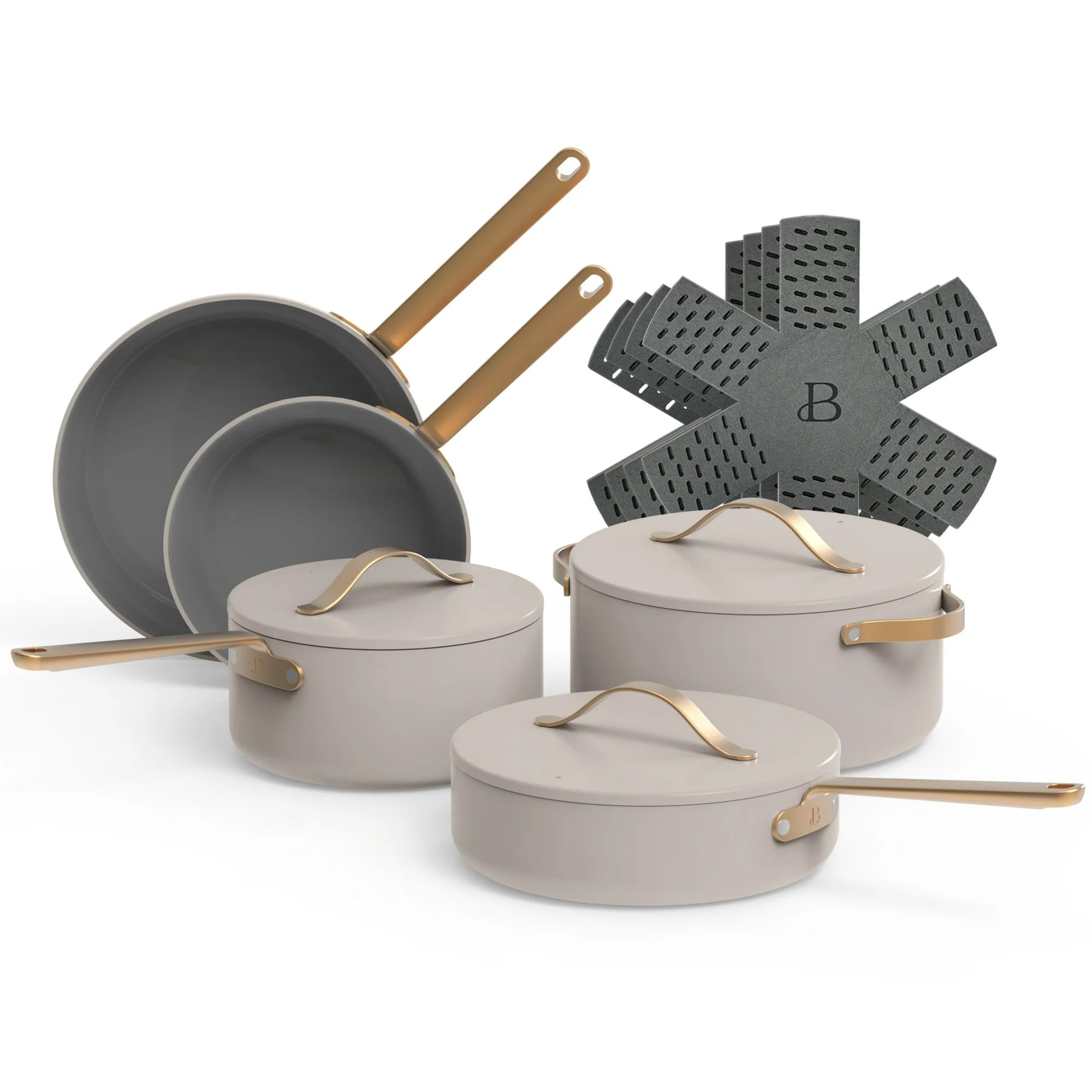
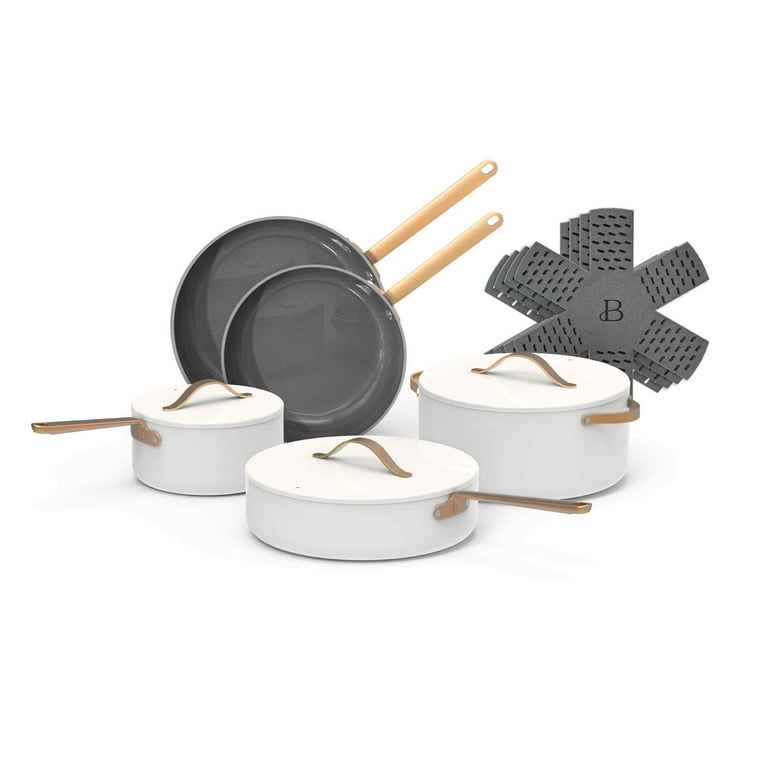
When you choose cookware, you want it to be safe for you and your family. But have you ever wondered if Beautiful Cookware is truly non-toxic?
Your health matters, and what you cook with plays a big role in it. This article will help you understand what makes cookware safe or risky. By the end, you’ll know if Beautiful Cookware is the right choice for your kitchen and your well-being.
Keep reading to make the best decision for your health and cooking experience.
Credit: www.amazon.com
Cookware Materials And Safety
Choosing cookware affects both your health and cooking experience. Understanding the materials used in cookware helps you pick safer options. Some materials release harmful chemicals when heated. Others stay stable and do not affect food quality. This section explores common cookware materials and their safety. It helps you decide if Beautiful Cookware is non-toxic and safe for daily use.
Common Materials Used
Cookware comes in many materials, each with unique features and safety levels. Here are the most common types:
- Stainless Steel: Durable and resistant to rust. It does not react with food and is safe for most cooking.
- Cast Iron: Excellent heat retention. It can leach small amounts of iron, which is usually safe and even beneficial.
- Non-stick Coatings (PTFE/Teflon): Easy to clean but may release toxic fumes at very high temperatures above 500°F (260°C).
- Ceramic: Made from natural materials with a non-stick surface. It is free from chemicals like PFOA and PTFE.
- Aluminum: Lightweight and affordable. Anodized aluminum is safer because it prevents leaching into food.
| Material | Durability | Heat Conductivity | Common Use |
|---|---|---|---|
| Stainless Steel | High | Moderate | Saucepans, Frying pans |
| Cast Iron | Very High | Slow but Even | Skillets, Dutch ovens |
| Non-stick (PTFE) | Medium | Fast | Frying pans, Griddles |
| Ceramic | Medium | Moderate | Non-stick pans, Bakeware |
| Anodized Aluminum | High | Fast | Cookware sets, Saucepans |
Each material suits different cooking styles and needs. Knowing this helps avoid harmful chemicals and promotes healthier meals.
Toxicity Concerns
Cookware safety depends on the materials and coatings used. Some can release toxic substances when heated. Understanding these risks is crucial.
Here are common toxicity concerns:
- PTFE (Teflon) Coatings: Safe below 500°F but can release toxic fumes above this temperature. Avoid overheating non-stick pans.
- PFOA (Perfluorooctanoic Acid): Formerly used in non-stick coatings. It is now mostly banned due to health risks like cancer and hormone disruption.
- Aluminum: Uncoated aluminum can leach into acidic foods, possibly causing health issues. Anodized aluminum prevents this risk.
- Lead and Cadmium: Found in some cheap ceramic glazes. These metals are toxic and should be avoided in cookware.
Safe cookware labels often mention being free from PFOA, lead, and cadmium. Ceramic and stainless steel usually have low toxicity risks.
Use this quick reference table to understand toxicity:
| Material/Coating | Toxicity Risk | Safe Usage Tips |
|---|---|---|
| PTFE (Teflon) | Low if used properly | Do not heat above 500°F; use wooden or silicone utensils |
| PFOA | High | Choose PFOA-free products only |
| Aluminum (Uncoated) | Moderate | Avoid cooking acidic foods; prefer anodized |
| Lead/Cadmium in Glazes | High | Buy from trusted brands with certification |
| Stainless Steel & Ceramic | Low | Safe for everyday cooking |
Knowing these facts helps protect health and improve cooking safety. Choose cookware materials with minimal toxicity risks for peace of mind.

Credit: www.tasteofhome.com
Beautiful Cookware Brands
Beautiful cookware brands combine style and safety in the kitchen. Many people want pots and pans that look good and are safe to use. Non-toxic cookware avoids harmful chemicals that can mix with food during cooking. Choosing the right brand is key to owning cookware that is both elegant and safe. Knowing which brands focus on non-toxic materials helps buyers make smart choices for health and design.
Popular Options
Several brands are well-known for producing cookware that is both beautiful and non-toxic. These brands use safe materials like stainless steel, cast iron, ceramic, and enamel. Each type offers a unique look and cooking experience. Here are some popular options:
- Le Creuset – Famous for colorful enameled cast iron pots. Durable and free of harmful chemicals.
- GreenPan – Specializes in ceramic non-stick cookware without PFAS, PFOA, or PTFE.
- All-Clad – High-quality stainless steel with a sleek design. Safe for all cooking types.
- Lodge – Classic cast iron skillets that are naturally non-toxic and long-lasting.
- Staub – Offers beautiful enameled cast iron with excellent heat retention and no toxic coatings.
The table below summarizes these popular brands and their key features:
| Brand | Material | Non-Toxic Features | Design Style |
|---|---|---|---|
| Le Creuset | Enameled Cast Iron | No harmful chemicals, durable enamel | Bright, colorful |
| GreenPan | Ceramic Non-Stick | Free of PFAS, PFOA, PTFE | Modern, sleek |
| All-Clad | Stainless Steel | Pure metal, no coatings | Classic, polished |
| Lodge | Cast Iron | Natural, no synthetic chemicals | Rustic, traditional |
| Staub | Enameled Cast Iron | Safe enamel, no toxins | Elegant, matte finish |
Material Transparency
Material transparency means knowing what materials and chemicals are in cookware. This helps buyers trust the product and avoid harmful substances. Brands that share full details about their materials show responsibility. They often provide certificates or test results to prove safety.
Important points about material transparency include:
- Clear ingredient lists: Brands list every material used in coatings and pans.
- Certification: Look for third-party testing like FDA approval or NSF certification.
- Free from toxins: No PTFE, PFOA, lead, cadmium, or other harmful chemicals.
- Detailed manufacturing info: Some brands explain how they make cookware safer.
Here is a checklist for evaluating material transparency in cookware brands:
- Check the brand’s website for detailed material descriptions.
- Look for safety certifications and testing reports.
- Read product labels carefully for chemical disclosures.
- Seek customer reviews mentioning material safety and durability.
Brands that prioritize transparency help customers choose cookware that is both beautiful and safe. This builds trust and ensures healthy cooking experiences.
Chemical Risks In Cookware
Choosing cookware involves more than just looks and price. Chemical risks in cookware matter a lot for health. Some pots and pans release harmful substances during cooking. Knowing these risks helps pick safer options. Chemicals from cookware can mix with food and cause health problems over time. Careful choice reduces exposure to toxic materials.
Ptfe And Pfoa
PTFE (polytetrafluoroethylene) is a common non-stick coating found in many cookware sets. It makes cooking easier by preventing food from sticking. But PTFE can release toxic fumes if heated above 500°F (260°C). These fumes may cause flu-like symptoms called “polymer fume fever.”
PFOA (perfluorooctanoic acid) was used in making PTFE coatings. It is a chemical linked to cancer, liver damage, and other health issues. Most manufacturers stopped using PFOA after 2015. Still, older cookware may contain it.
- PTFE risks: Toxic fumes at high heat
- PFOA risks: Possible long-term health effects
- Safe use tips: Avoid overheating non-stick pans
| Chemical | Usage | Health Risks | Current Status |
|---|---|---|---|
| PTFE | Non-stick coating | Toxic fumes if overheated | Widely used |
| PFOA | Manufacturing aid for PTFE | Cancer, liver damage | Mostly phased out |
Choosing cookware labeled “PFOA-free” and avoiding high heat reduces risk.
Heavy Metals And Coatings
Heavy metals like lead, cadmium, and arsenic may be present in some cookware coatings or materials. These metals can leach into food, especially when cooking acidic dishes. Long-term exposure causes serious health problems.
Some colorful or shiny coatings might contain these metals. Low-quality or imported cookware sometimes has higher risks. Always check for safety certifications or test results.
- Lead: Harmful to brain and organs
- Cadmium: Causes kidney and bone damage
- Arsenic: Linked to cancer
| Heavy Metal | Health Effects | Sources in Cookware | Prevention |
|---|---|---|---|
| Lead | Brain damage, organ harm | Painted coatings, ceramics | Use certified cookware |
| Cadmium | Kidney, bone damage | Metal alloys, glazes | Avoid cheap imports |
| Arsenic | Cancer risk | Some metal coatings | Choose tested products |
Safe cookware avoids toxic metals and uses food-safe coatings. Check product labels and reviews before buying.
Certifications And Testing
Understanding if Beautiful Cookware is non-toxic involves looking closely at its certifications and testing. These prove the cookware meets safety rules and does not release harmful chemicals into food. Certifications and thorough testing give buyers confidence. They show the product is safe for daily cooking and healthy for families.
Food Safety Standards
Food safety standards are rules that cookware must follow to be safe for cooking. These standards limit toxic substances and ensure materials do not react with food. Beautiful Cookware often meets or exceeds these standards, which is important for non-toxic claims.
Common food safety standards include:
- FDA Compliance: Ensures cookware materials are safe and free from harmful chemicals.
- LFGB Certification: A German standard that tests for harmful substances and food contact safety.
- Prop 65 Compliance: A California rule that warns about chemicals known to cause cancer or reproductive harm.
Here is a simple table showing how these standards protect consumers:
| Standard | Focus | Benefits |
|---|---|---|
| FDA | Material safety for food contact | Prevents harmful chemical leaching |
| LFGB | Comprehensive toxic substance testing | Guarantees product safety in Europe |
| Prop 65 | Identification of carcinogens and toxins | Informs consumers of potential risks |
Beautiful Cookware’s adherence to these standards shows a commitment to safe, non-toxic cooking. This makes it a reliable choice for those who care about health and safety in the kitchen.
Third-party Testing
Third-party testing means an independent lab checks the cookware for safety. This testing verifies the manufacturer’s claims without bias. It adds trust and transparency to the product’s safety profile.
Third-party labs test for:
- Heavy metals: Lead, cadmium, and other metals that can be harmful.
- PTFE and PFOA: Chemicals used in non-stick coatings that may be toxic.
- Overall material safety: Ensuring no dangerous chemicals leach into food during use.
Benefits of third-party testing:
- Impartial results that consumers can trust.
- Verification of non-toxic claims.
- Identification of any hidden risks.
Many top cookware brands, including Beautiful Cookware, share these test reports. This openness helps buyers confirm the product’s safety before purchase. It shows the cookware is not only certified but also tested for real-world safety.
Safe Usage Tips
Using Beautiful Cookware safely is key to keeping your kitchen healthy. Even if cookware claims to be non-toxic, careful handling matters. Follow simple steps to protect your food and family. Safe usage tips help you get the best from your cookware without risks.
Proper Care
Proper care keeps Beautiful Cookware in good shape and safe to use. Clean it gently with mild soap and a soft sponge. Avoid harsh scrubbers that can damage the surface. Damage may cause harmful chemicals to leach into food.
Do not use metal utensils on non-stick or coated surfaces. Instead, choose wooden, silicone, or plastic tools. This prevents scratches and extends the cookware’s life.
Here are key care tips to follow:
- Wash cookware by hand instead of dishwasher to protect the coating.
- Dry cookware completely before storing to avoid rust or mold.
- Season cast iron cookware regularly to maintain its natural non-stick layer.
- Store cookware carefully to avoid dents or warping.
| Care Step | Why It Matters |
|---|---|
| Gentle cleaning | Prevents damage to non-toxic coatings |
| Use proper utensils | Avoids scratches that can release toxins |
| Dry thoroughly | Stops rust and bacterial growth |
| Store properly | Maintains cookware shape and safety |
Following these steps keeps your cookware safe and long-lasting. It also helps maintain the non-toxic quality of the materials.
Avoiding Toxic Exposure
Even non-toxic cookware can release harmful substances if used incorrectly. Avoid high heat settings that may break down coatings or metals. Many coatings degrade above certain temperatures, releasing fumes or particles.
Use low to medium heat for cooking. This protects both your cookware and your food. Never preheat empty pans, especially non-stick ones, as this can cause toxic fumes.
Other tips to avoid toxic exposure:
- Check cookware labels for temperature limits.
- Replace any cookware with visible damage or peeling.
- Do not store food in cookware for long periods.
- Ventilate the kitchen well during cooking.
Here is a quick guide for temperature safety:
| Cookware Type | Safe Max Temperature | Risk if Overheated |
|---|---|---|
| Non-stick (PTFE) | 260°C (500°F) | Releases toxic fumes |
| Ceramic-coated | 450°C (842°F) | Coating may crack or degrade |
| Cast iron | Higher temps safe | Rust if not seasoned properly |
Sticking to these limits and care tips minimizes toxic exposure risks. It keeps cooking safe and enjoyable with Beautiful Cookware.
Credit: www.walmart.com
Alternatives To Consider
Choosing cookware that is safe and non toxic is important for healthy cooking. Beautiful cookware often looks great but may contain chemicals that are harmful. Exploring alternatives helps avoid risks and keeps food pure. Some popular options offer durability, safety, and style without toxic coatings or materials.
Cast Iron And Stainless Steel
Cast iron and stainless steel are two excellent non toxic cookware choices. Both materials are free from synthetic chemicals and last for many years. They also distribute heat well, helping food cook evenly.
Cast iron:
- Can naturally add iron to your food, which is healthy for many people
- Needs seasoning to keep its non-stick surface and prevent rust
- Heavy but very durable and can be used on many heat sources, including ovens
Stainless steel:
- Does not react with acidic or alkaline foods
- Easy to clean and maintain
- Lightweight compared to cast iron but strong
- Good for searing, sautéing, and boiling
| Feature | Cast Iron | Stainless Steel |
|---|---|---|
| Weight | Heavy | Light to Medium |
| Maintenance | Needs seasoning | Easy to clean |
| Heat Distribution | Excellent | Good |
| Non Toxic | Yes | Yes |
Both types avoid harmful chemicals found in some non-stick coatings. They offer long-term safety and cooking quality without losing their beautiful look.
Ceramic And Glass Options
Ceramic and glass cookware provide non toxic alternatives that are also visually appealing. These materials do not release harmful chemicals when heated. They are perfect for baking, roasting, and slow cooking.
Ceramic cookware:
- Has a smooth, non-stick surface without synthetic chemicals
- Can chip or crack if dropped, so handle carefully
- Often comes in colorful, attractive designs
Glass cookware:
- Does not react with food, keeping flavors pure
- Allows you to see the food while cooking
- Safe in ovens and microwaves, but avoid sudden temperature changes
| Feature | Ceramic | Glass |
|---|---|---|
| Heat Resistance | High but fragile | High but fragile |
| Non Toxic | Yes | Yes |
| Maintenance | Hand wash recommended | Dishwasher safe |
| Uses | Stovetop (some), oven | Oven, microwave |
Both ceramic and glass offer safe, chemical-free cooking options. They combine beauty and health benefits, making them ideal for everyday use in kitchens.
Frequently Asked Questions
Is Beautiful Cookware Truly Non Toxic?
Yes, Beautiful Cookware is designed with non-toxic materials. It avoids harmful chemicals like PFOA and PTFE, ensuring safer cooking.
What Materials Make Beautiful Cookware Non Toxic?
Beautiful Cookware uses ceramic, stainless steel, and other safe materials. These materials prevent chemical leaching into food during cooking.
How Does Non Toxic Cookware Benefit Health?
Non-toxic cookware reduces exposure to harmful chemicals. It promotes healthier meals and lowers risks linked to toxic substances in food preparation.
Can Beautiful Cookware Withstand High Cooking Temperatures Safely?
Yes, Beautiful Cookware is made to handle high heat without releasing toxins. This ensures safe cooking even at elevated temperatures.
Conclusion
Choosing beautiful cookware that is also non-toxic keeps your kitchen safe and stylish. Safe materials protect your health and improve cooking quality. Always check product details to avoid harmful chemicals. Clean cookware well to keep it in good shape. Invest in pieces that last long and look good.
Your cooking experience should be both healthy and enjoyable. Trust your judgment and pick cookware that fits your needs. Safe, attractive cookware makes every meal better.

Hello, This is Annie Walker, a 38-year-old blogger, founder, and editor of Cookware Guider from NY, USA. I am a cookware fanatic and passionate cooker. I love to cook with different types of cooking appliances (example: all types of cookware, rice cookers, slow cookers, etc) almost every day in my kitchen. I love to share my experience with my readers in my blog. Also, I enjoy helping people to solve their problems through my website. You can follow me on Twitter & Pinterest. To know details about my blog please check the about us page.